What Is a Woven Leather Bag + Factory Overview
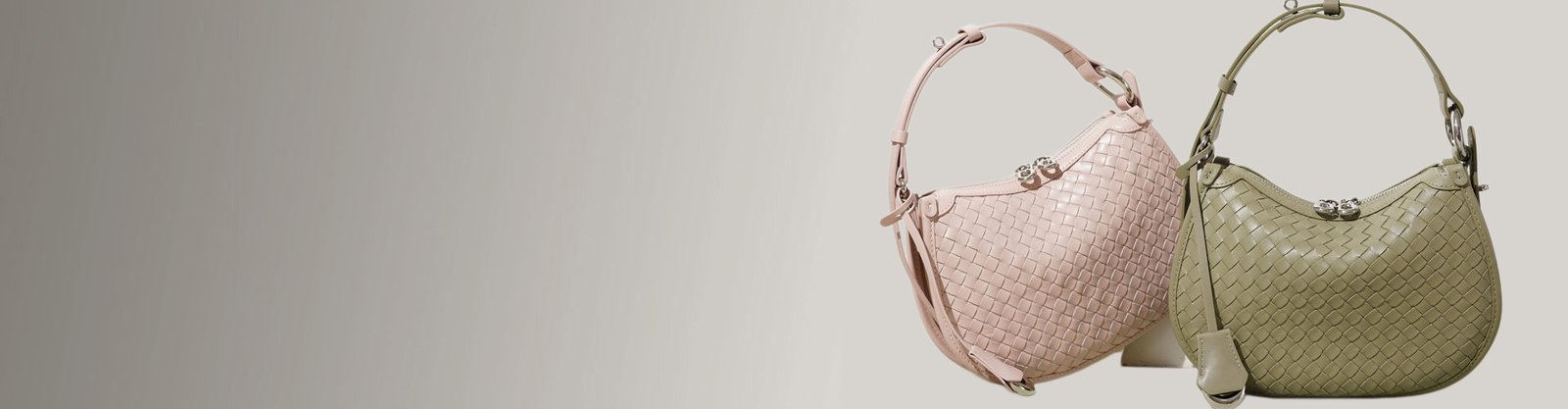
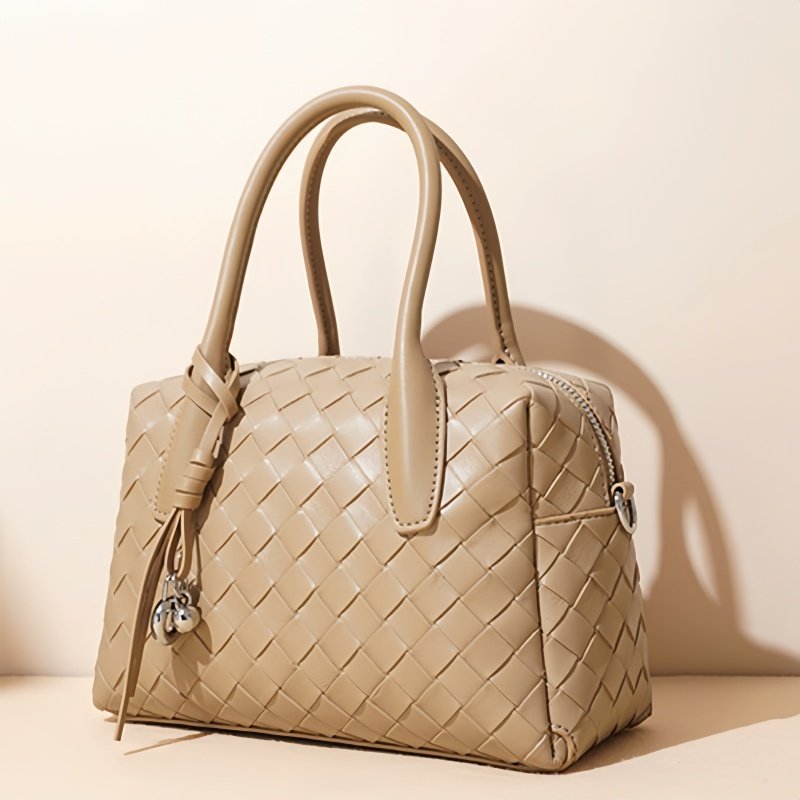
Woven leather bags are made with interlaced leather strips or woven panels, then assembled like standard bags with lining, reinforcement, and hardware. For OEM and wholesale buyers, the key is controlling strip uniformity, weave density, and tension, and backing structure so bulk production remains stable and repeatable.
A woven leather bag is defined by its construction method rather than a single silhouette. The exterior is created by interlocking leather strips or woven panels, then assembled using standard bag construction methods with lining, reinforcement components, and hardware.
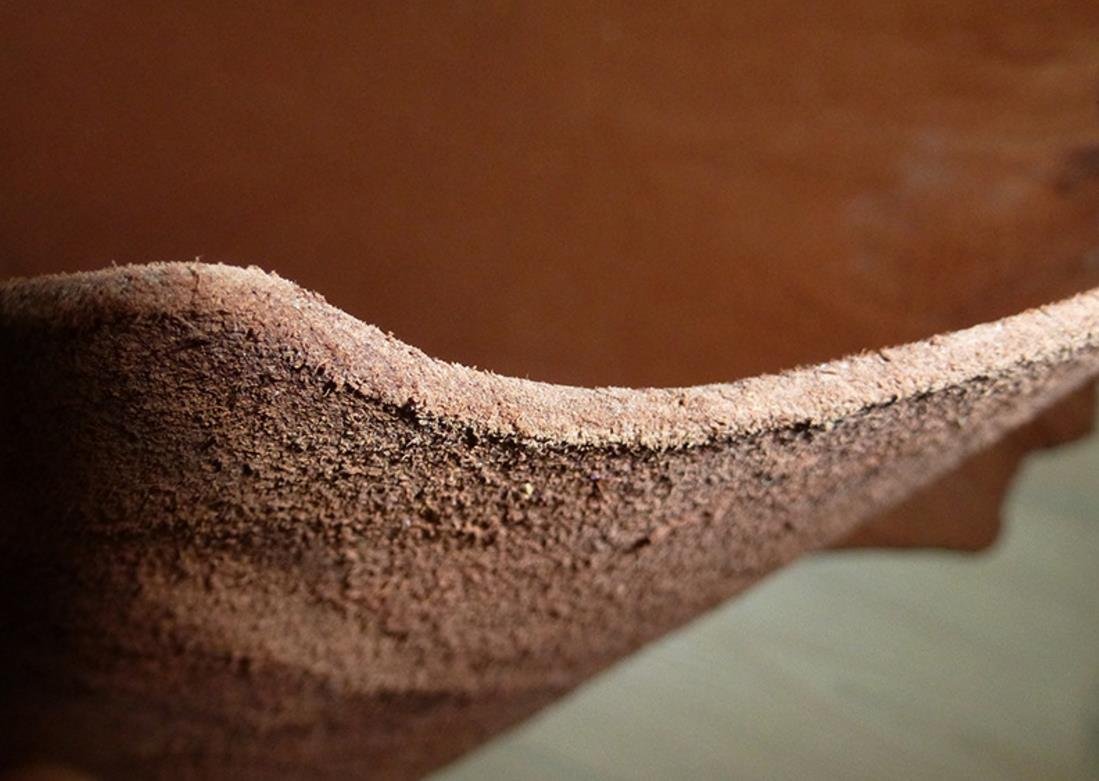
In bulk production, long-term performance and repeat consistency depend on leather thickness and temper, strip width consistency, weave density and tension control, edge finishing execution, and whether a backing or internal support layer is incorporated to stabilize the surface.
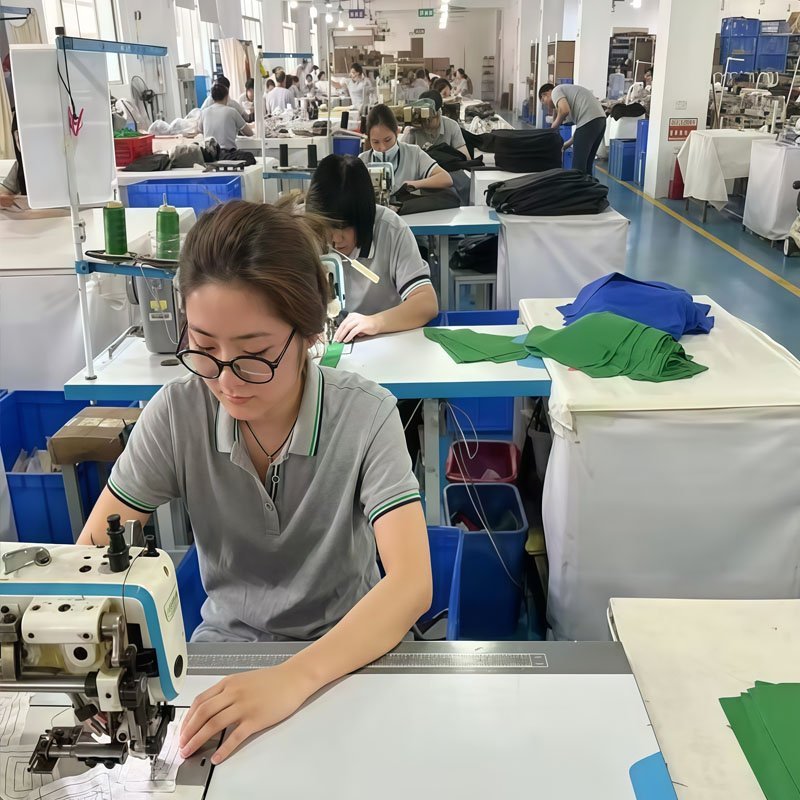
We are an OEM and ODM woven leather bag factory and manufacturer supporting wholesale and private label woven leather handbags programs. Our production system is built around controlled specifications, repeatable workmanship standards, and export-oriented quality control. We support both handwoven and machine-assisted woven constructions, and our sampling process is aligned with bulk feasibility rather than prototype-only execution. Each project is developed with repeat production control as a primary objective.
Commercial Production Signal
MOQ depends on the construction method and material positioning. Sampling lead time is typically 7–14 working days after specification confirmation. Bulk production generally requires 25–40 days after sample approval, depending on complexity and order volume.
Manufacturing Methods and Commercial Structure
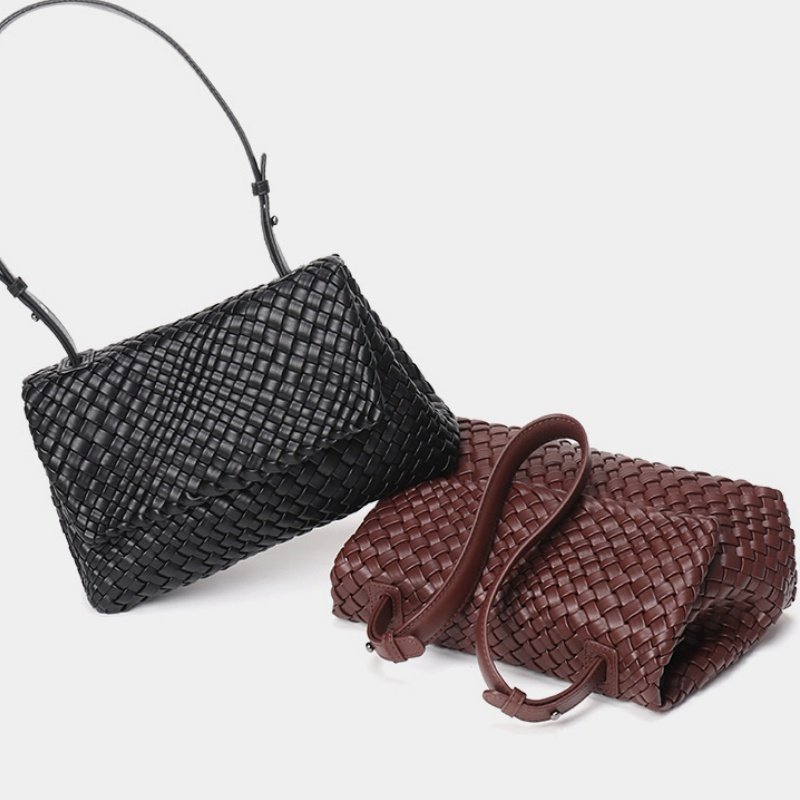
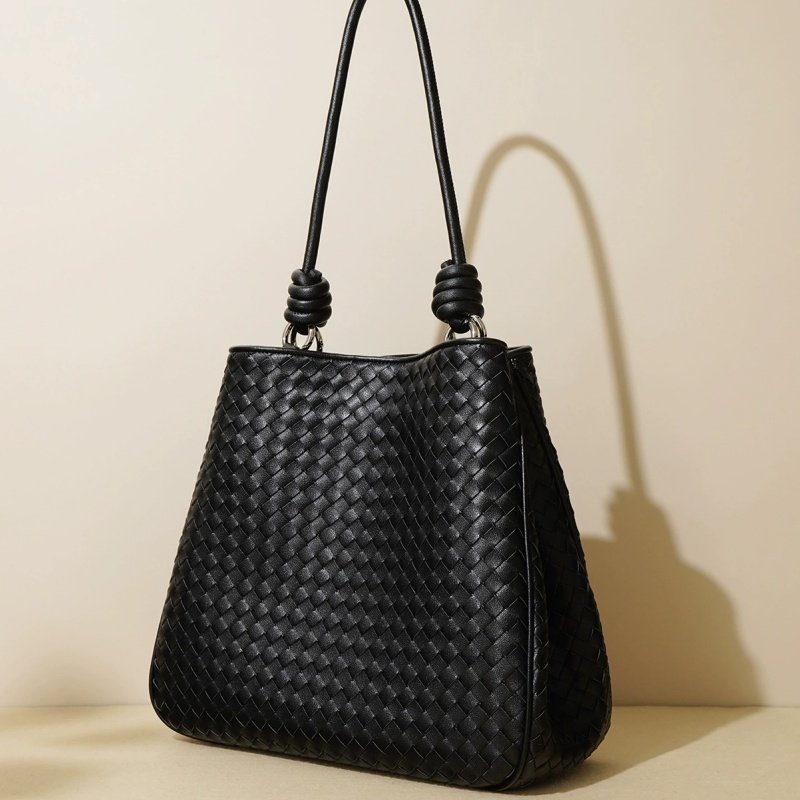
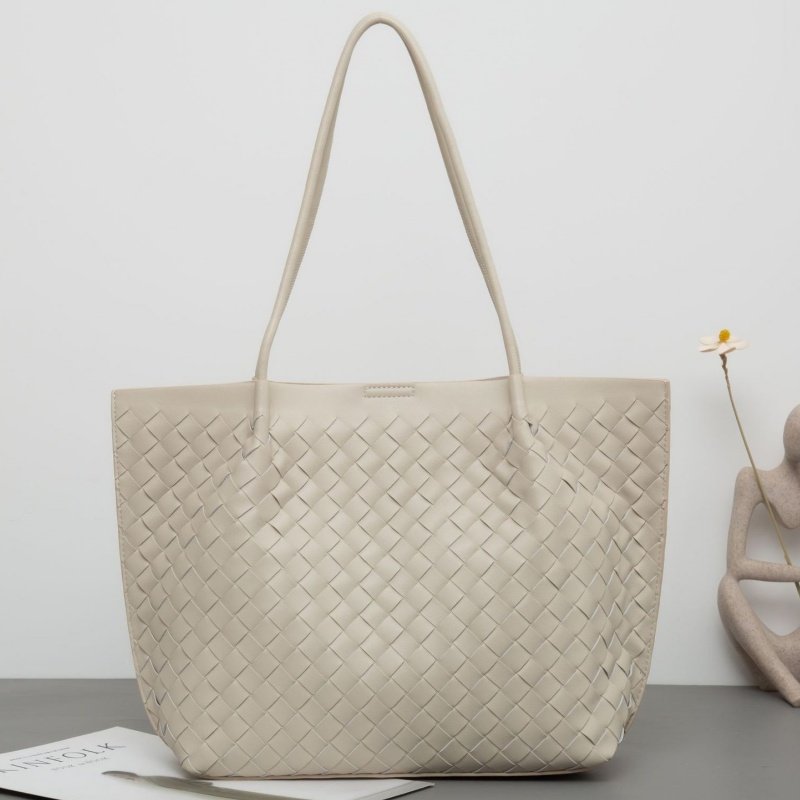
Woven leather bags are generally produced in two ways. The first uses woven panels attached to an underlayment or supporting base. This method improves stability and cost control, and it is suitable for structured silhouettes and larger wholesale woven leather bags programs. The second method builds the bag body entirely from interwoven leather strips. This creates deeper texture and stronger visual character but requires more labor input and tighter workmanship control.
From a commercial perspective, panel-based construction supports higher consistency and more predictable pricing, while fully interwoven construction enhances premium perception and craftsmanship value. The selection depends on your positioning, target volume, and repeat production plans for OEM woven leather bags.
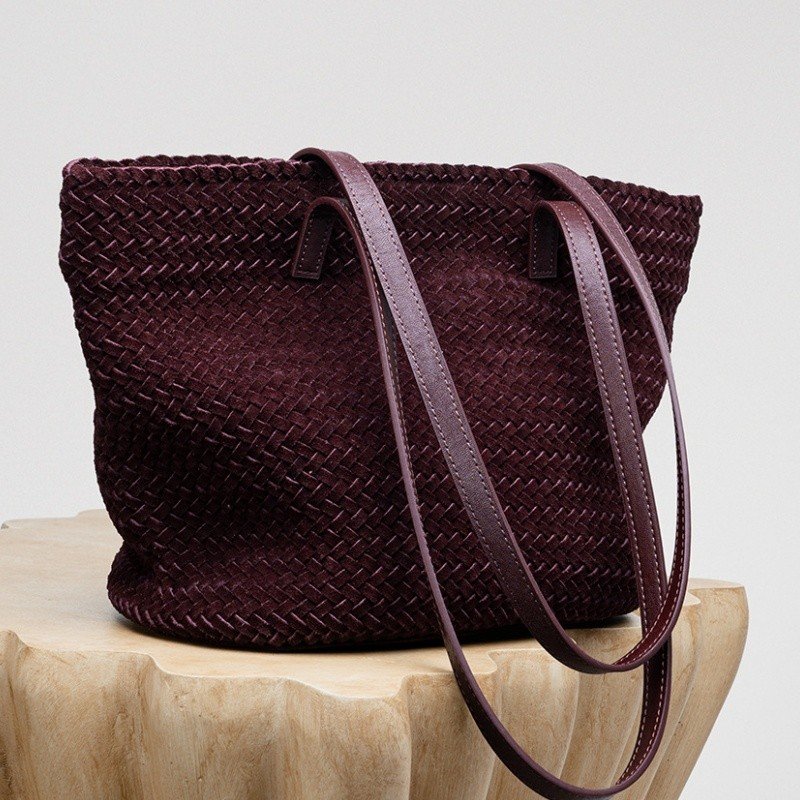
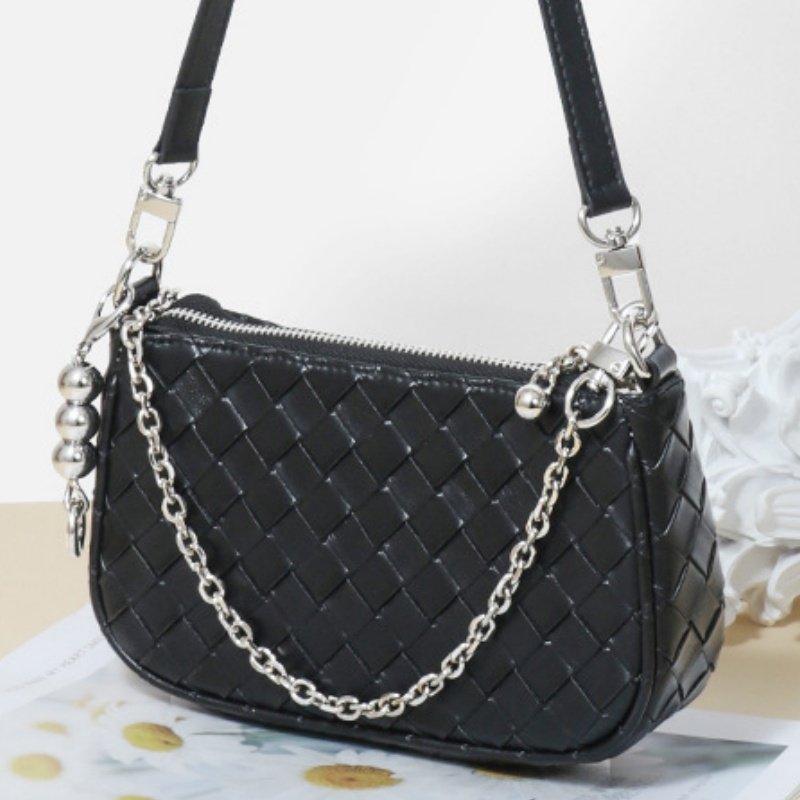
Types of Premium Woven Leather Bags We Produce
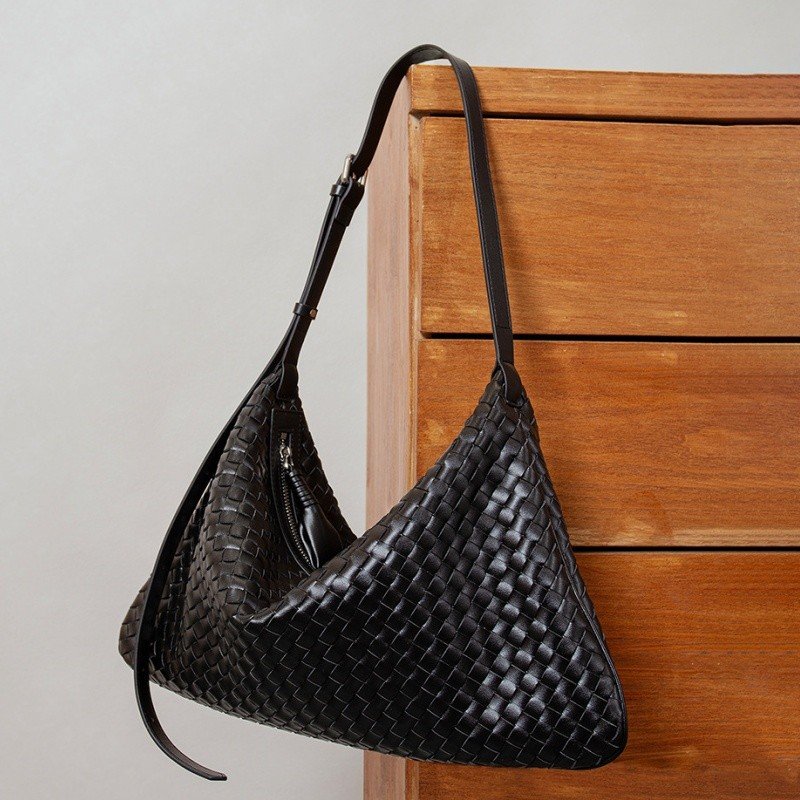
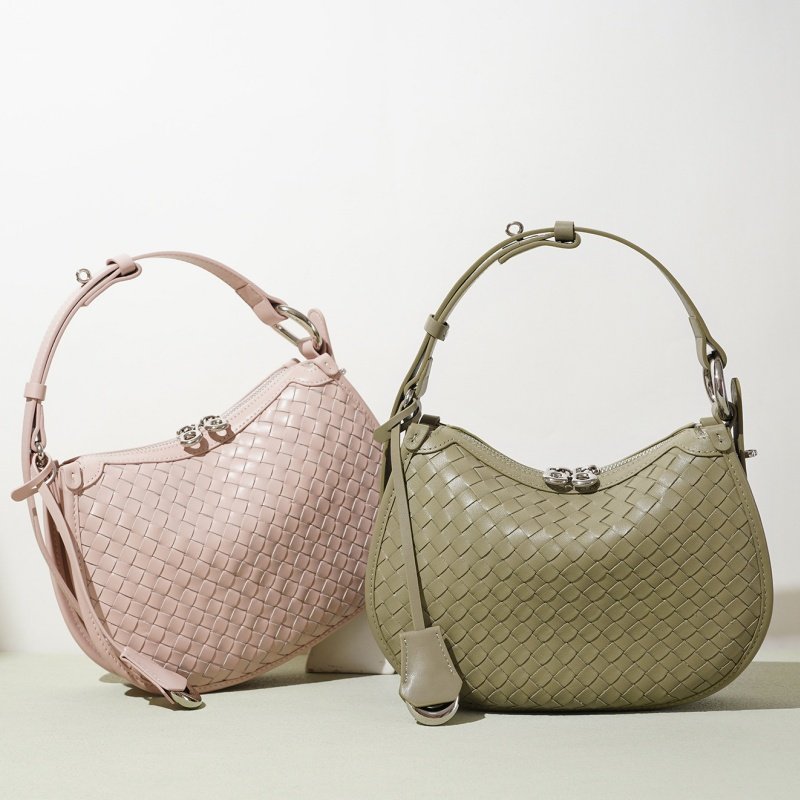
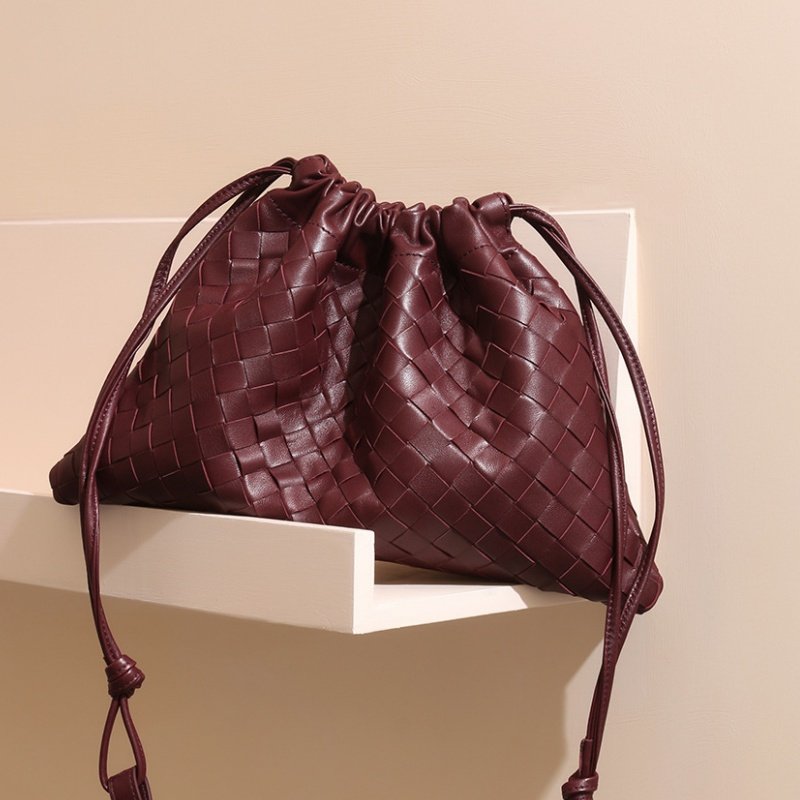
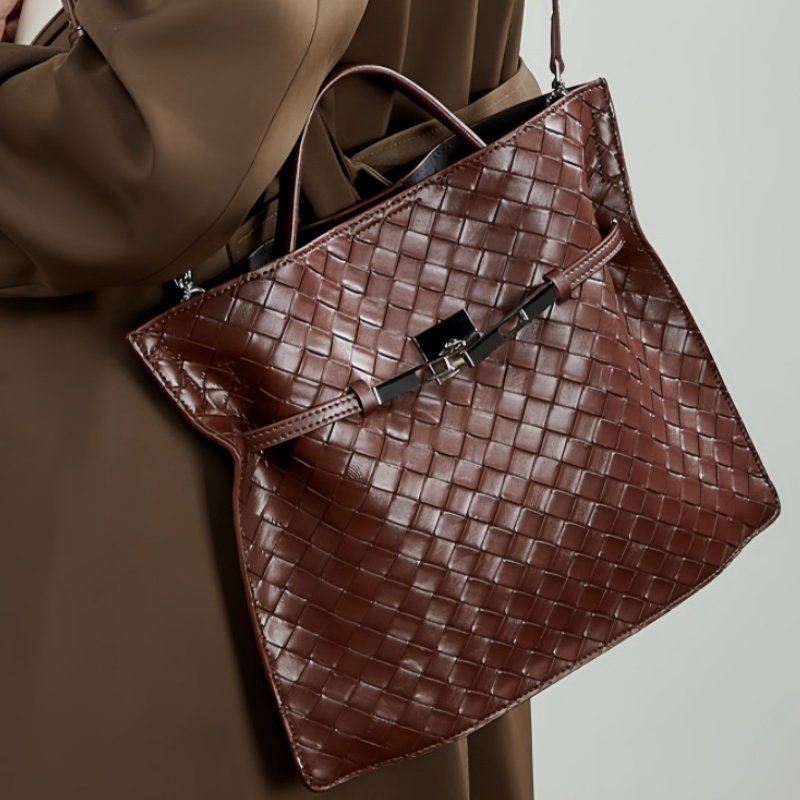
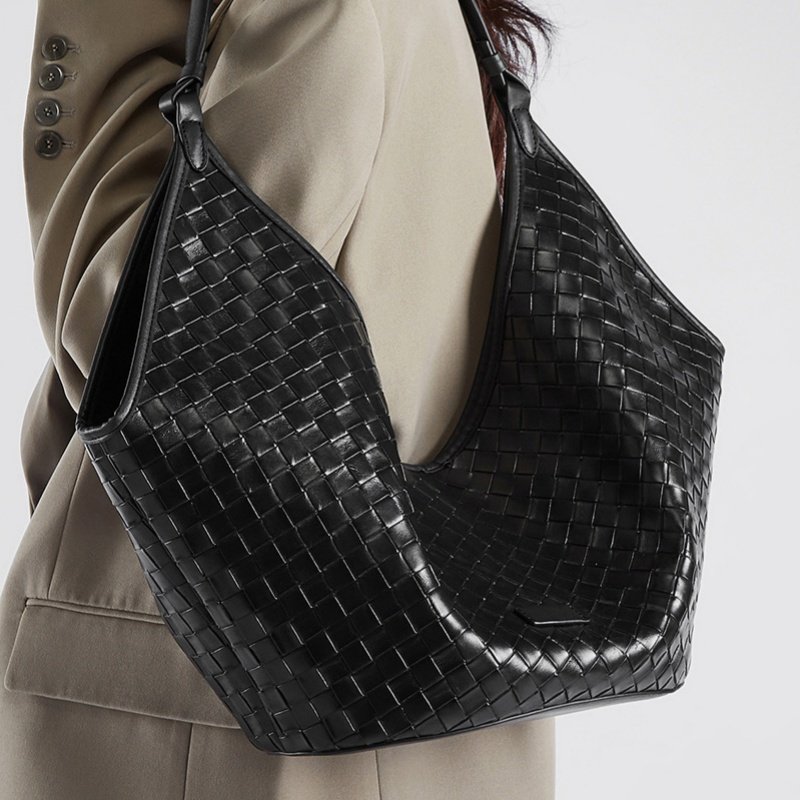
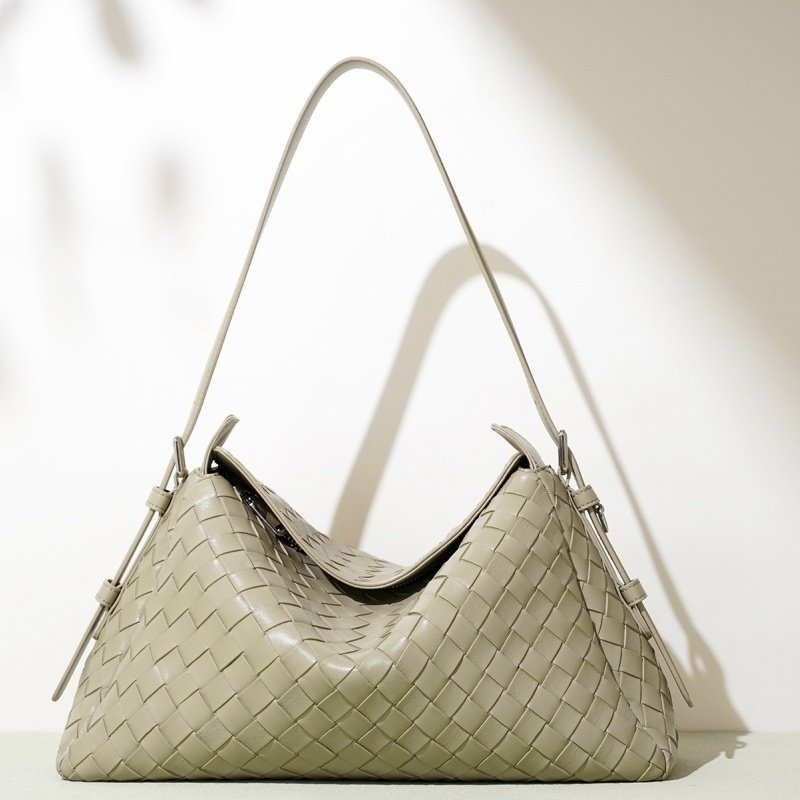
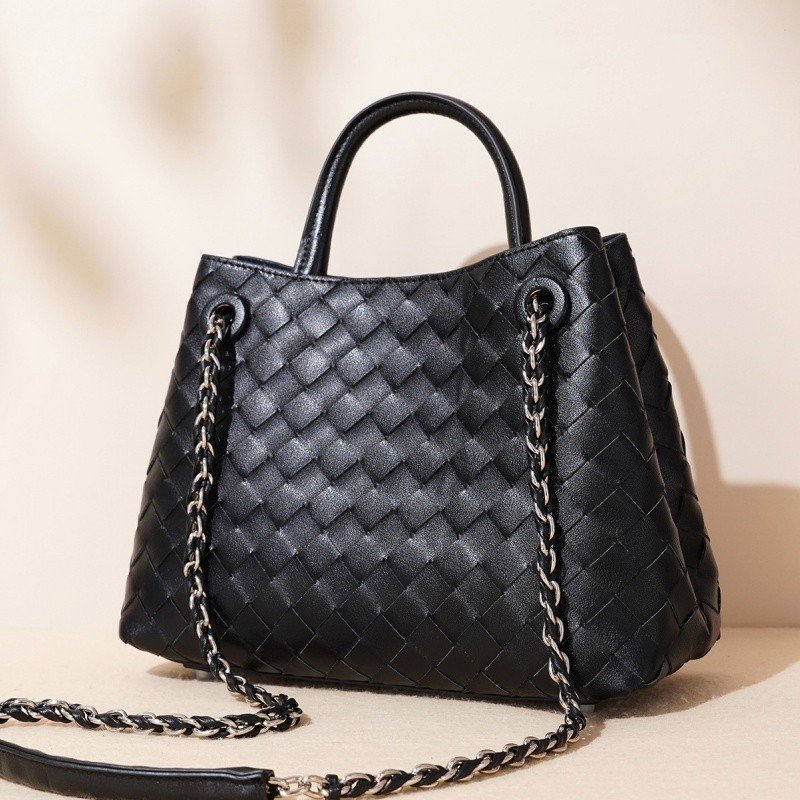
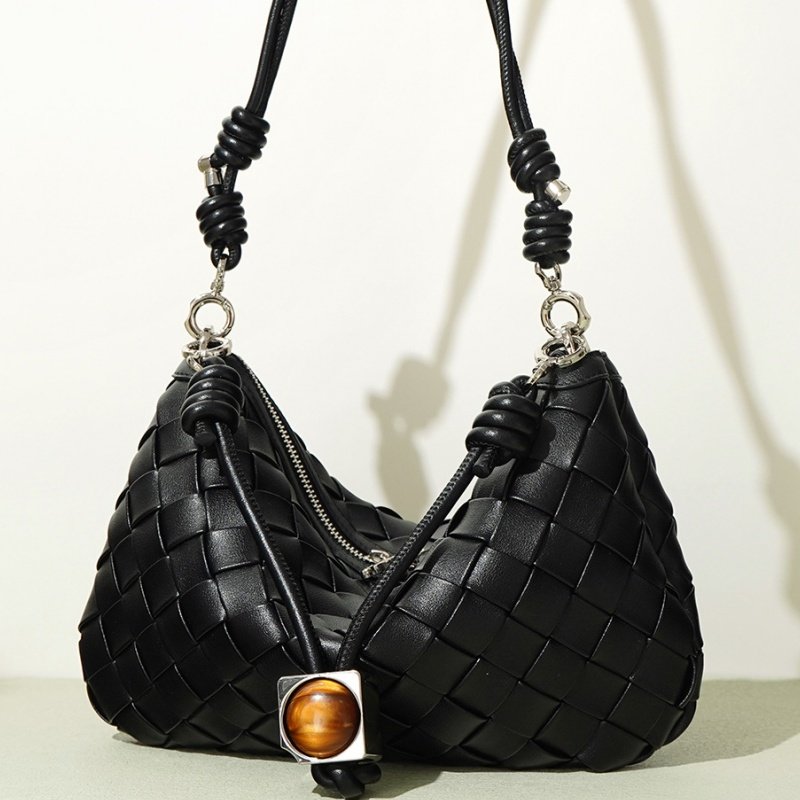
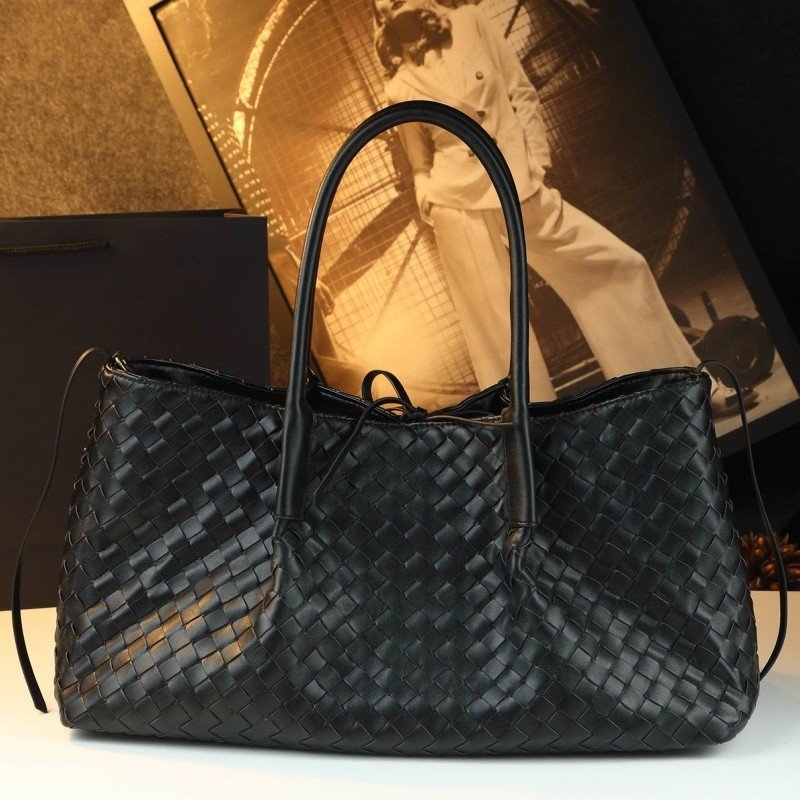
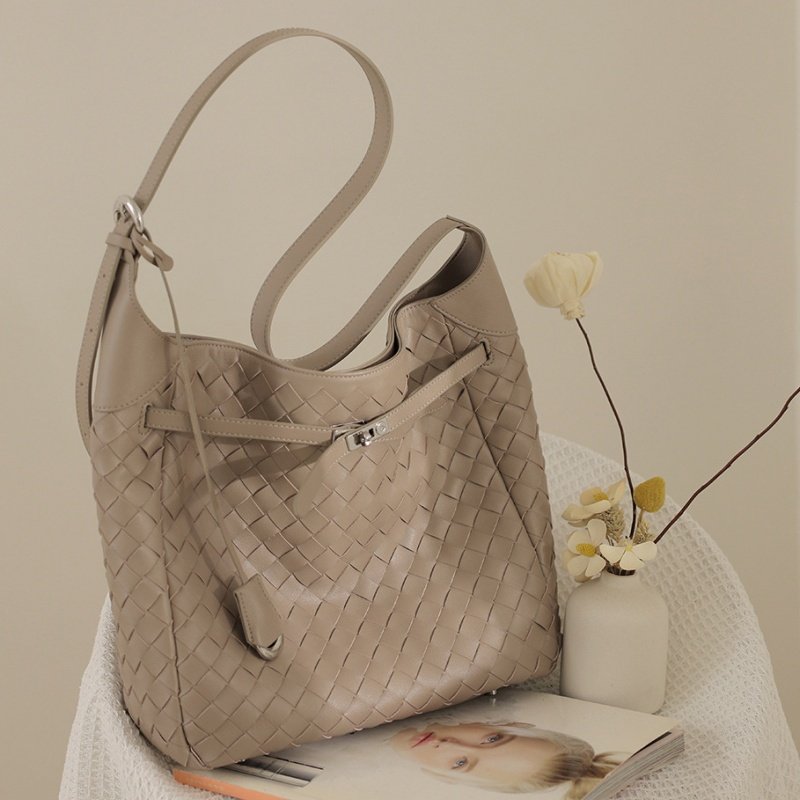
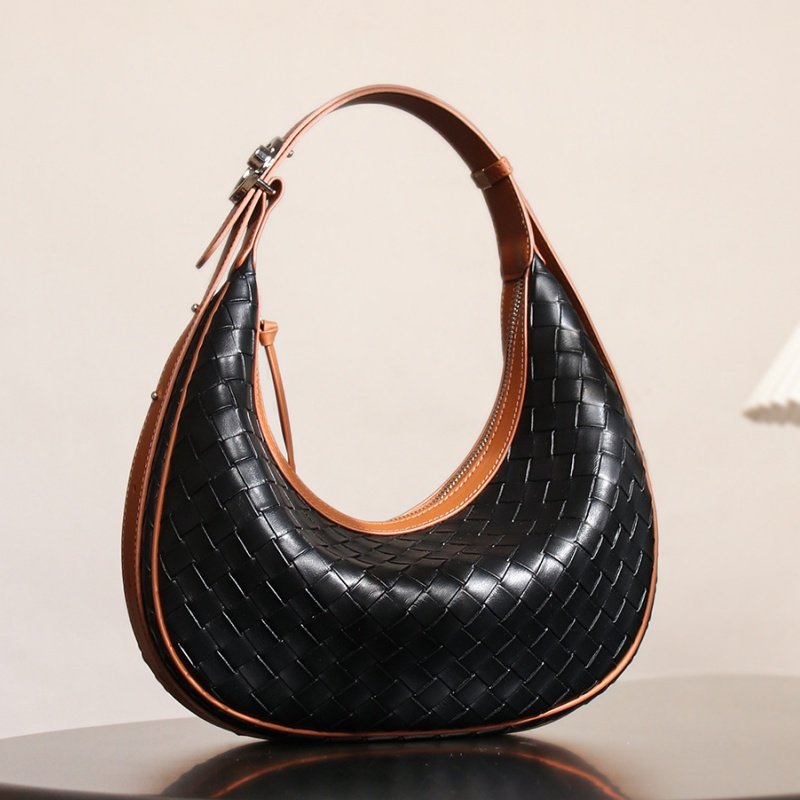
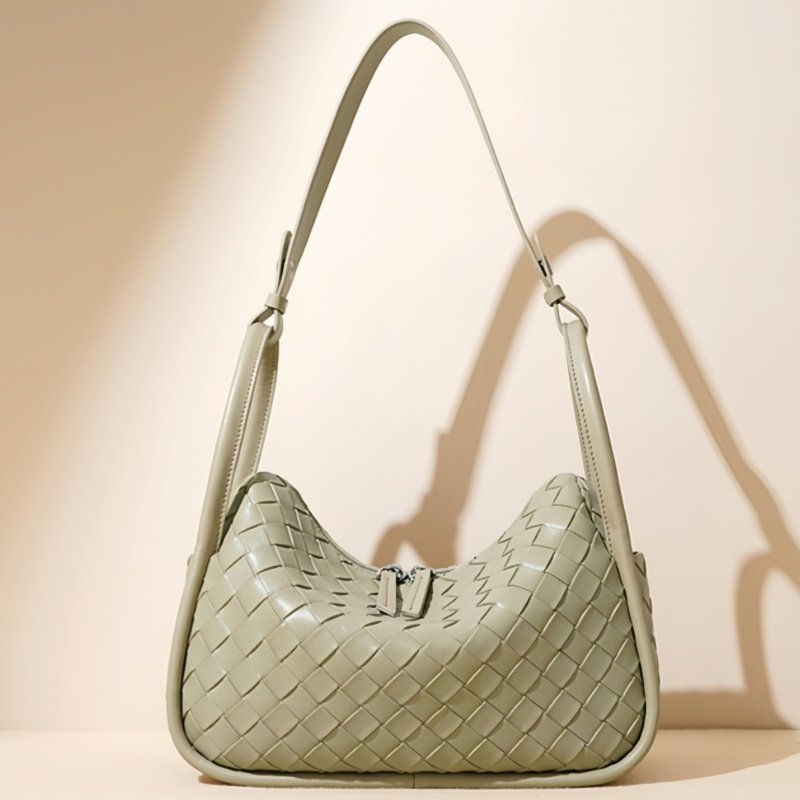
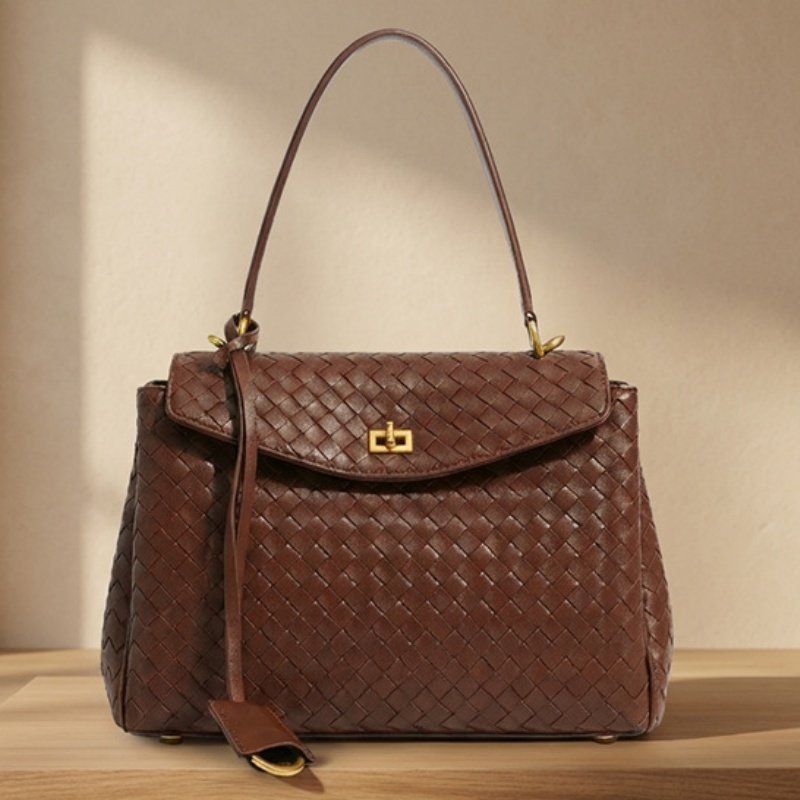
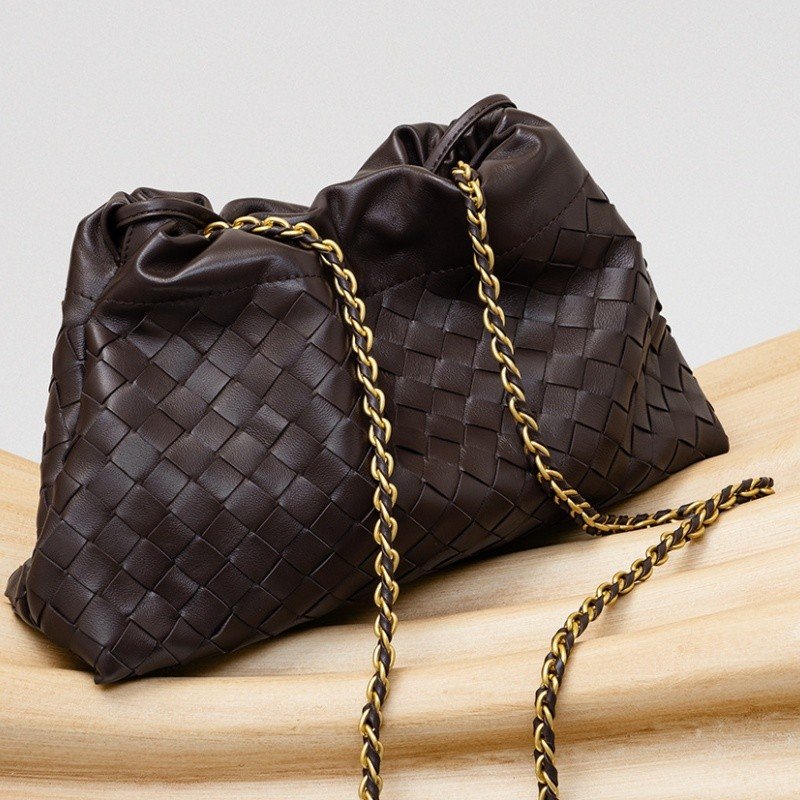
One-Stop OEM/ODM Solutions for Custom Leather Products
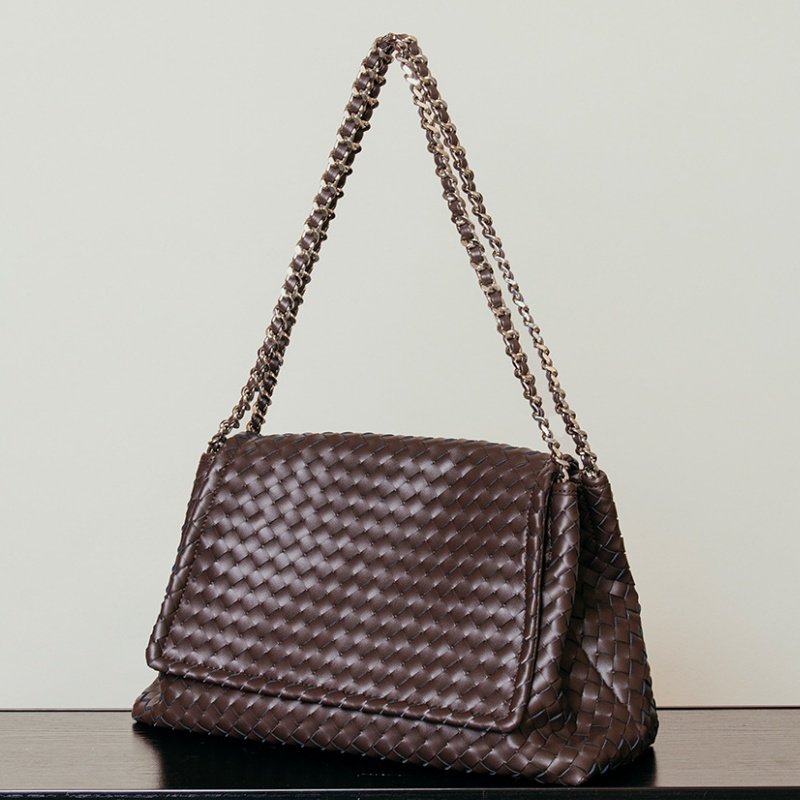
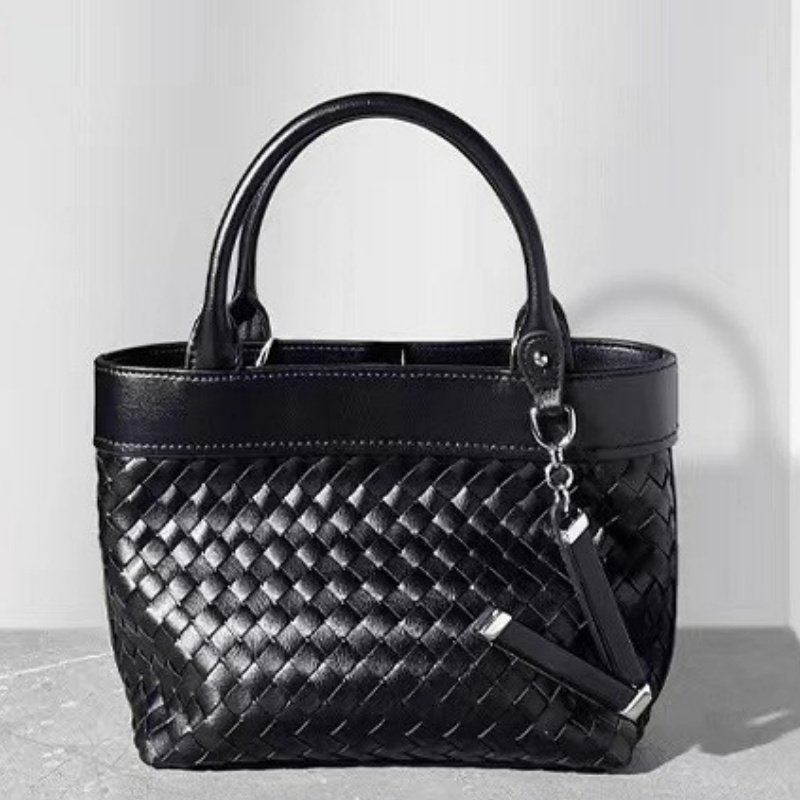
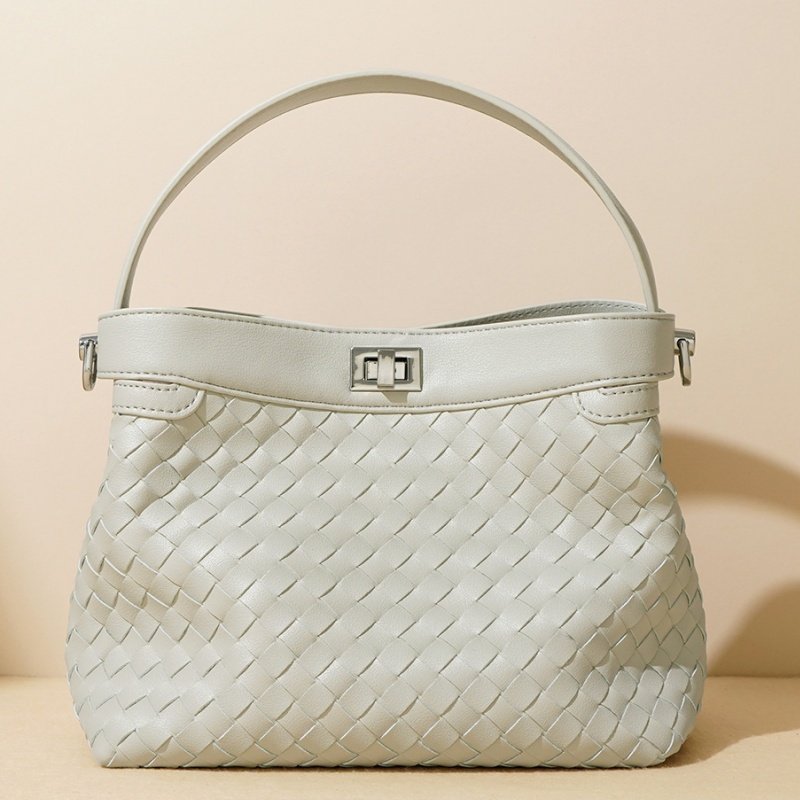
OEM and Customization Scope
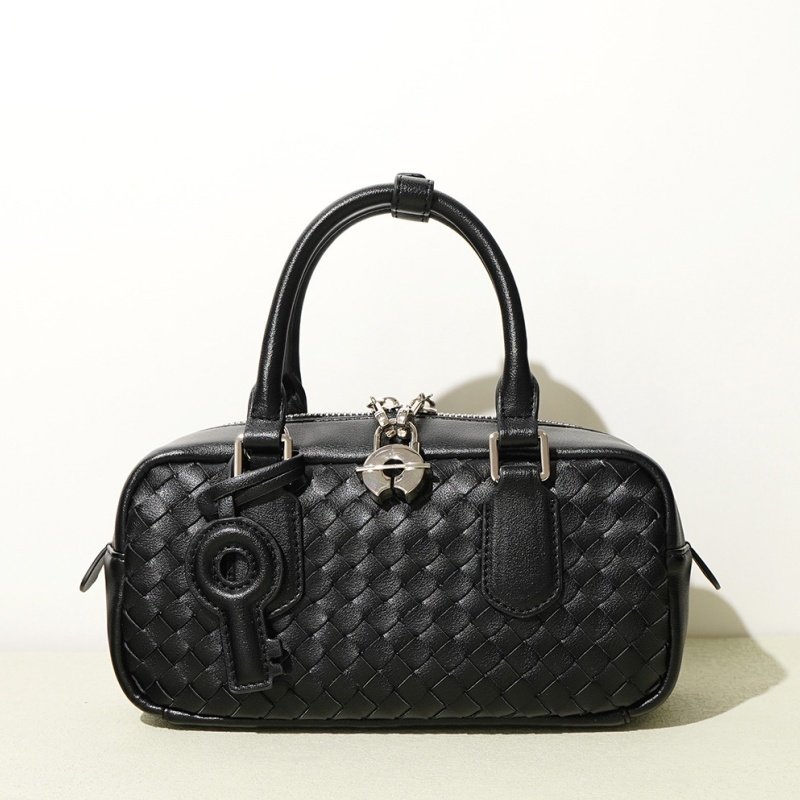
Woven leather bags can be customized effectively when the core construction method remains stable. Size adjustments within an approved pattern family, weave pattern variations, strip width selection, leather color and finish changes, and branding applications such as debossing or metal logos can all be implemented without disrupting production efficiency in private label woven leather handbags projects.
To protect lead time and bulk consistency, the weaving method, hardware specifications, reinforcement system, and lining structure should be locked after sample approval. Structural changes beyond these areas may affect labor input, cost, and production timeline.
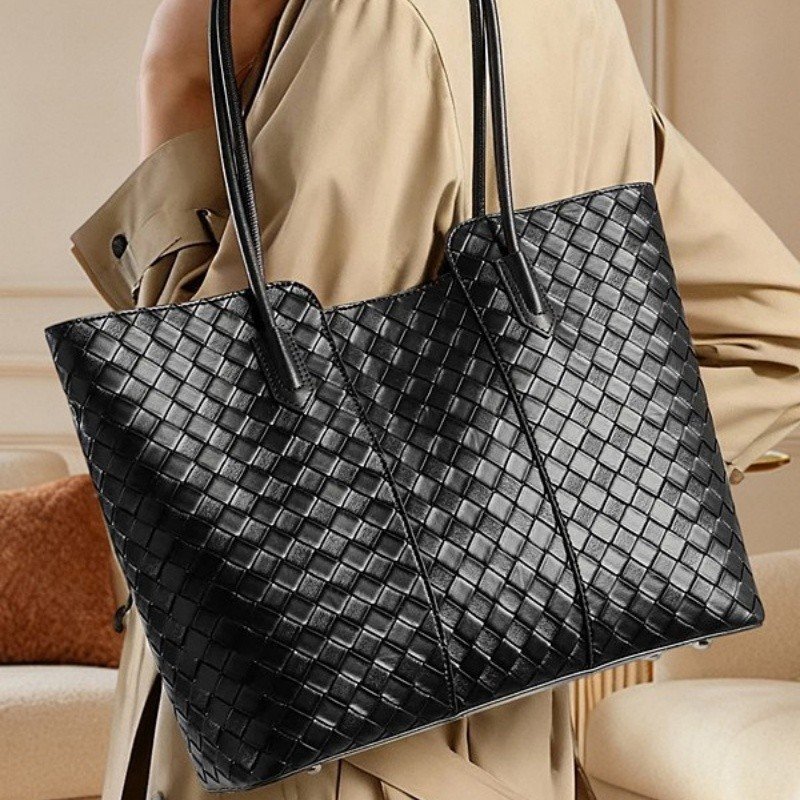
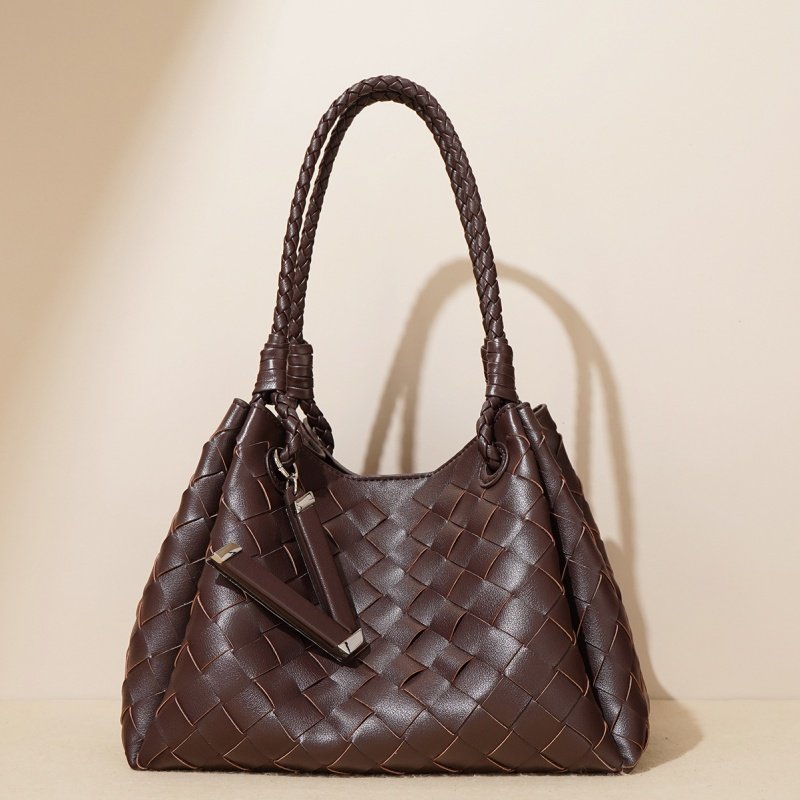
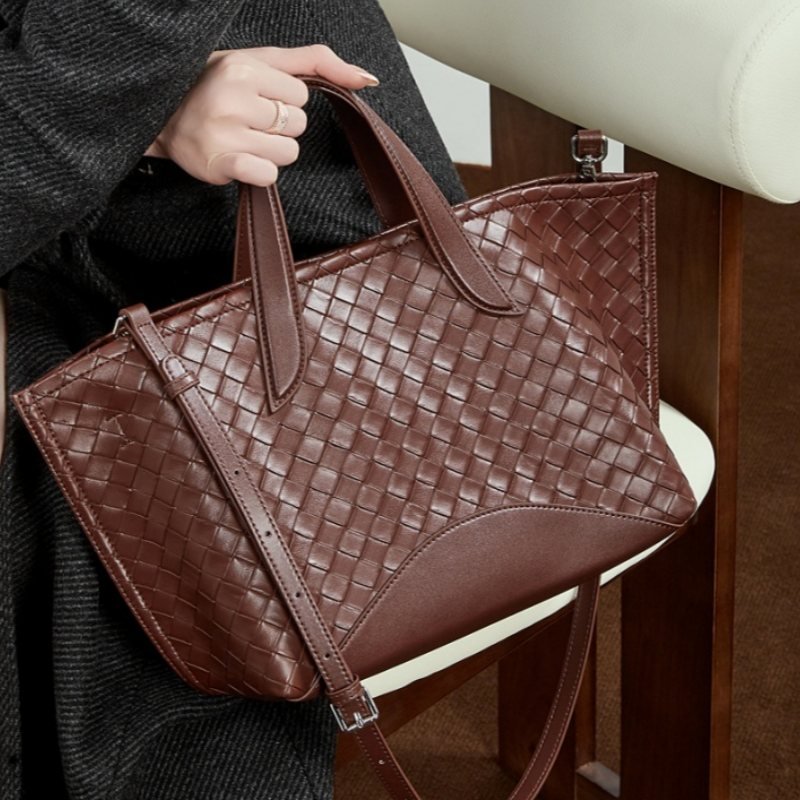
Application Programs in B2B
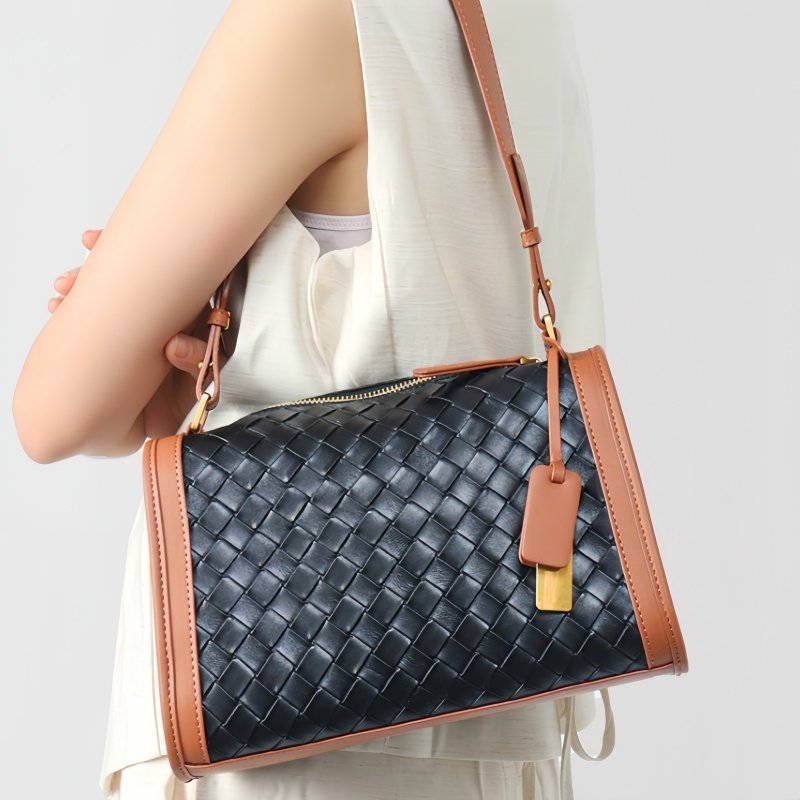
Woven leather bags are commonly used in curated retail assortments, private label collections, and seasonal capsule programs. The woven surface adds differentiation without requiring a full redesign of the underlying silhouette, making it commercially practical for mid-to-premium positioning.
For seasonal programs, brands typically vary the color or weave direction while maintaining the approved structure. For long-term programs, locking the construction method, reinforcement materials, and hardware specifications ensures consistent repeat production across multiple orders.


Premium Leather Materials You Can Choose for Your Leather Products
Woven-Specific Quality Control and Process Standards
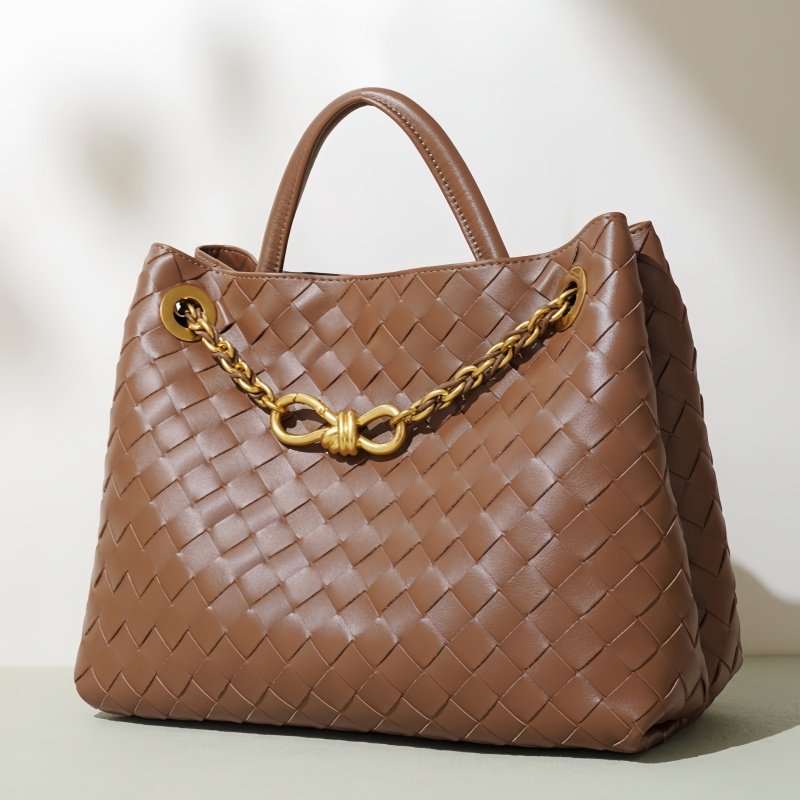
Woven leather requires additional production control compared to smooth-surface bags. Strip cutting must remain consistent in width and thickness. Weave density and surface symmetry must match the approved benchmark sample. Tension must be balanced to prevent loosening or distortion over time.
When backing or underlayment is used, bonding strength and panel attachment must be verified to maintain structural stability. Reinforcement components, such as base boards and handle anchor points, are checked to ensure load-bearing strength. Hardware plating consistency and assembly tightness are controlled to avoid finish variation and loosening in use.
Each woven project is referenced against an approved sample standard, and production specifications are recorded to support repeat orders with stable workmanship and appearance.
Wait! Don't Miss Out!
Still not finding what you’re looking for? Contact our consultants for more available products.
FAQ
We produce woven leather bags for OEM, ODM, wholesale, and private label clients based on approved specifications and repeat production standards.
Panel construction attaches woven leather to a backing layer for added stability and bulk efficiency. Fully interwoven construction builds the body entirely from strips and requires more labor and precision.
Leather used for weaving must have a balanced temper and thickness to maintain tension and prevent deformation. Final selection depends on the intended structure and positioning.
Weave direction, strip width, and pattern variation can be adjusted within approved construction methods to maintain production stability.
When the construction method and specifications are standardized, woven leather bags can be produced consistently in bulk.
Strip cutting tolerances are managed during production to ensure consistent width and alignment across panels.
Weave density is benchmarked against the approved sample and monitored during assembly to ensure surface consistency.
Not always. Structured styles often benefit from backing layers for stability, while some fully interwoven designs rely on tension and reinforcement alone.
Branding options include debossing, embossing, blind stamping, and metal logo components, depending on project requirements.
Reinforcement components and internal structural elements are selected according to the bag’s intended weight load and silhouette.
When core specifications are locked, seasonal color or weave variations can be introduced without affecting bulk consistency.
We require reference images or weave direction, target size, material preference, estimated quantity per color, branding method, and packaging requirements to provide an accurate quotation.
Customer Testimonials
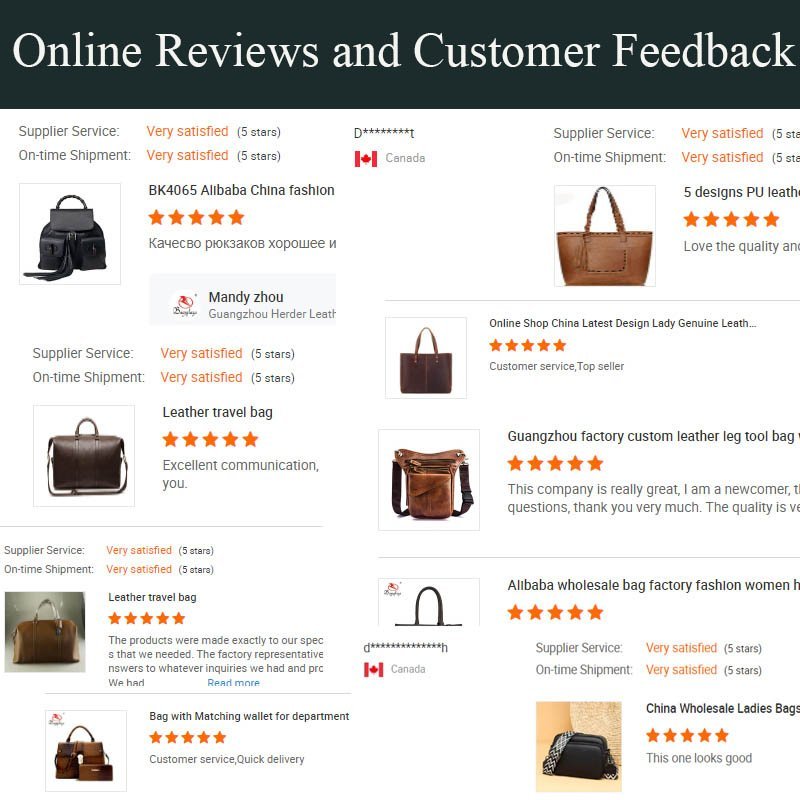
Our company collaborated with Mandy to customize a batch of leather tote bags, and we are thoroughly satisfied with the overall quality. The leather is soft yet durable, and the craftsmanship is impeccable, fully meeting our brand standards. The customization process was smooth, with clear communication and a professional, efficient team. Orders were delivered on time, making Herder company a reliable partner for long-term collaboration.
 Emily RobertsBrand Manager
As a retail business, we needed unique designs for our leather tote bags to enhance our brand image. Herder company offered a wide range of customization options, including colors, styles, and logo emboss, effectively meeting our requirements.
 Michael ThompsonCEO
Among numerous suppliers, we chose Herder for large-scale customization due to their reasonable pricing and consistent quality. The leather material is top-notch, and the attention to detail is precise with no defects. Throughout our partnership, Elva was responsive and handled orders efficiently, significantly improving our supply chain efficiency.
Olivia HarrisProduct Development Lead
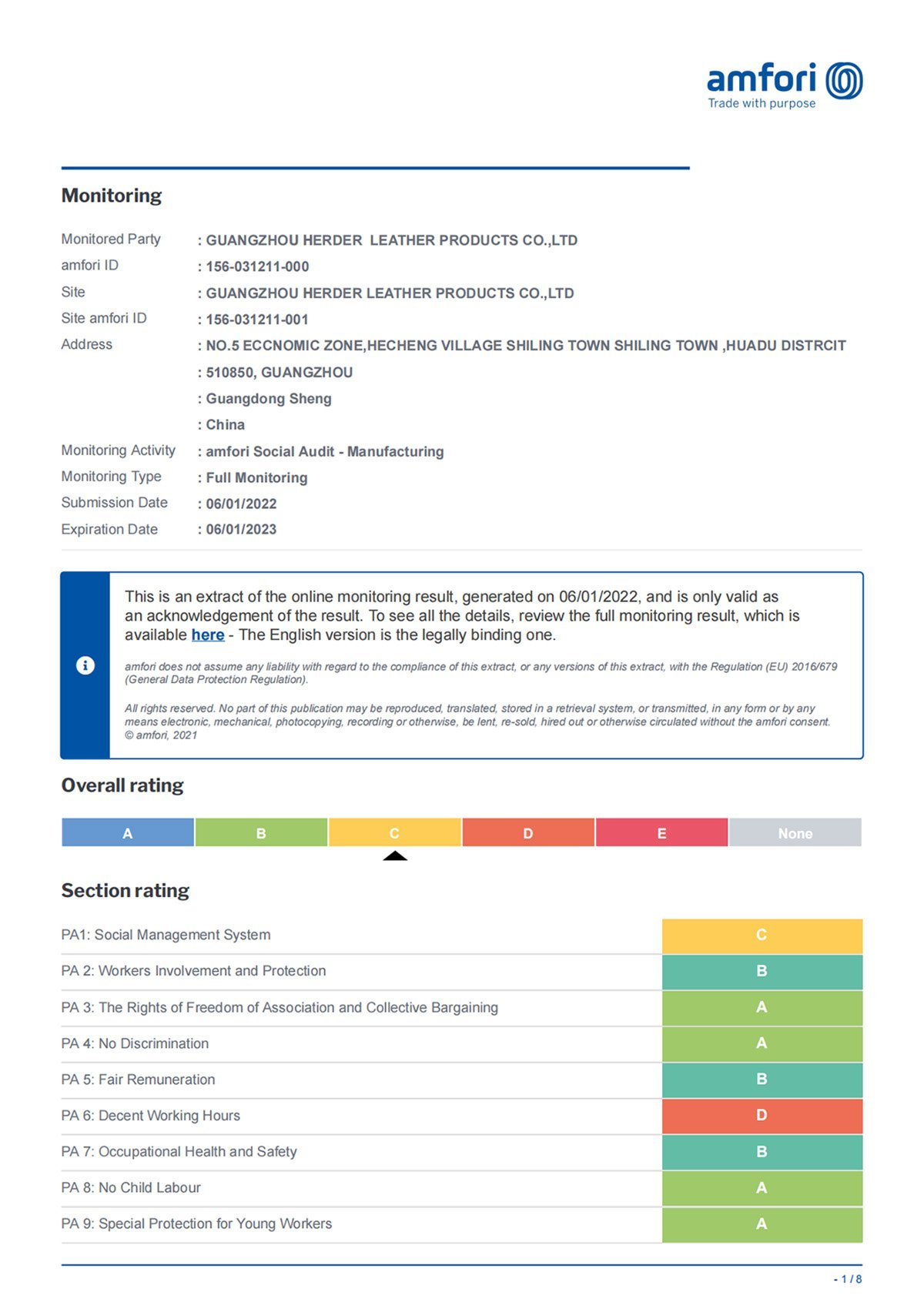
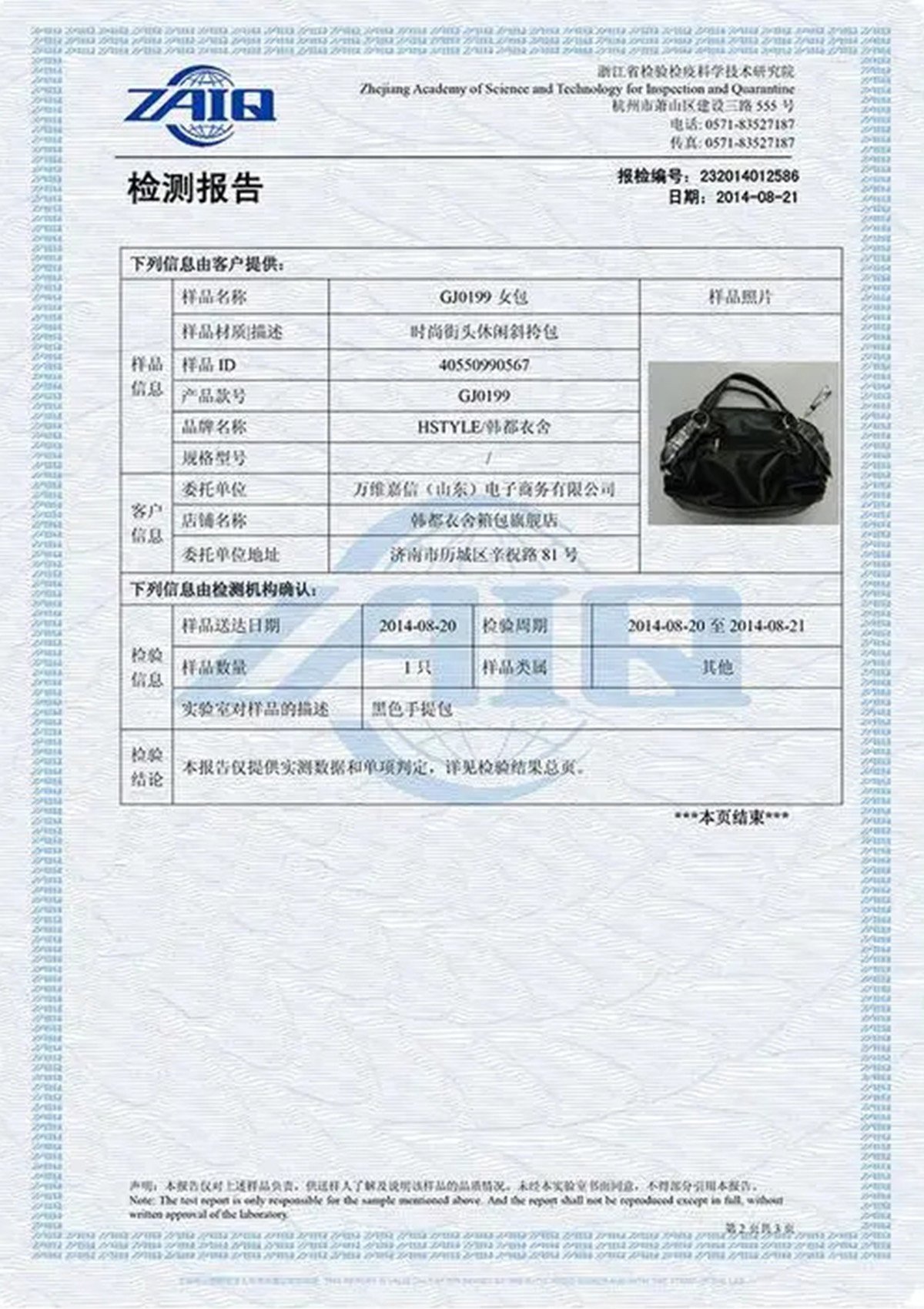
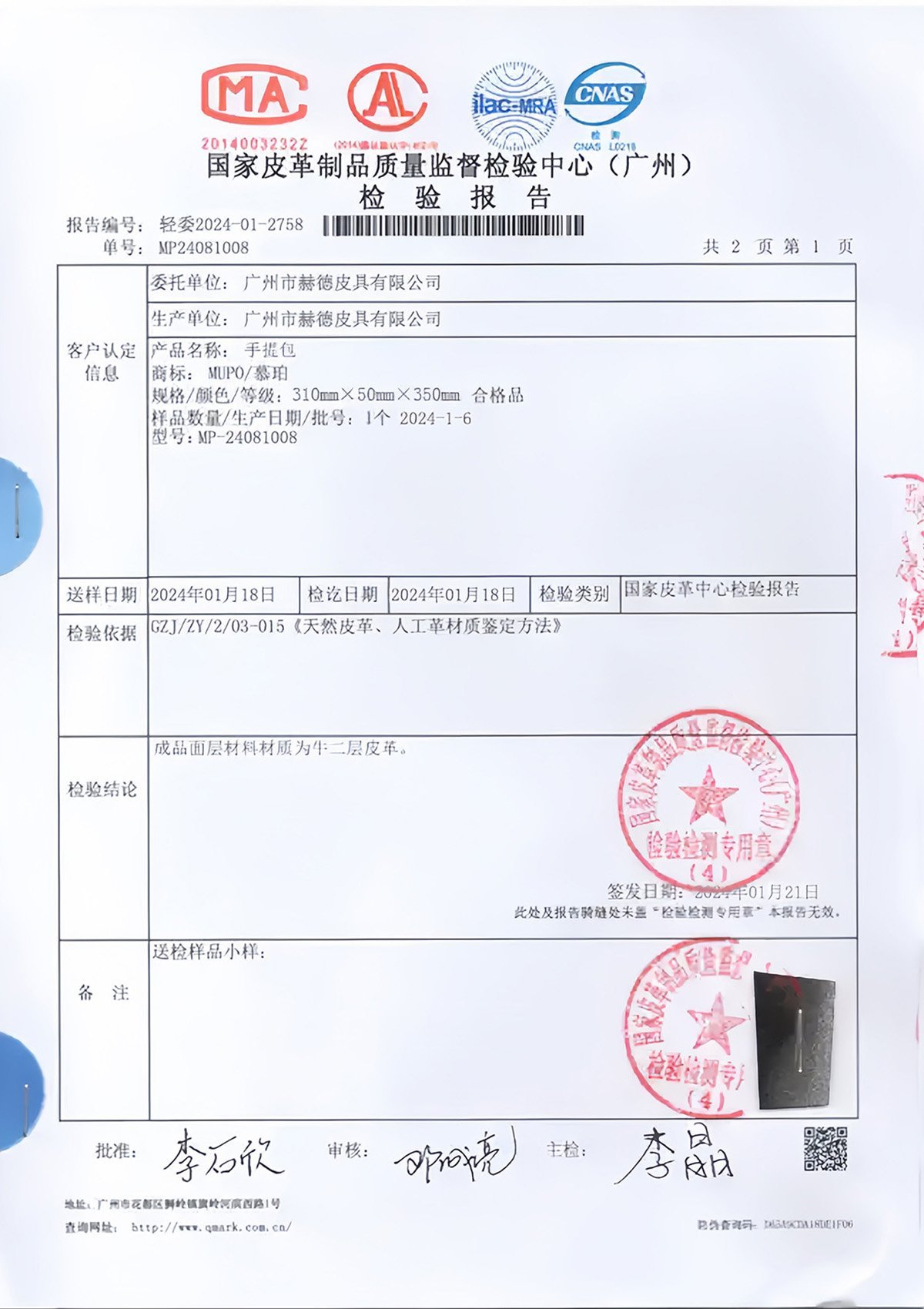
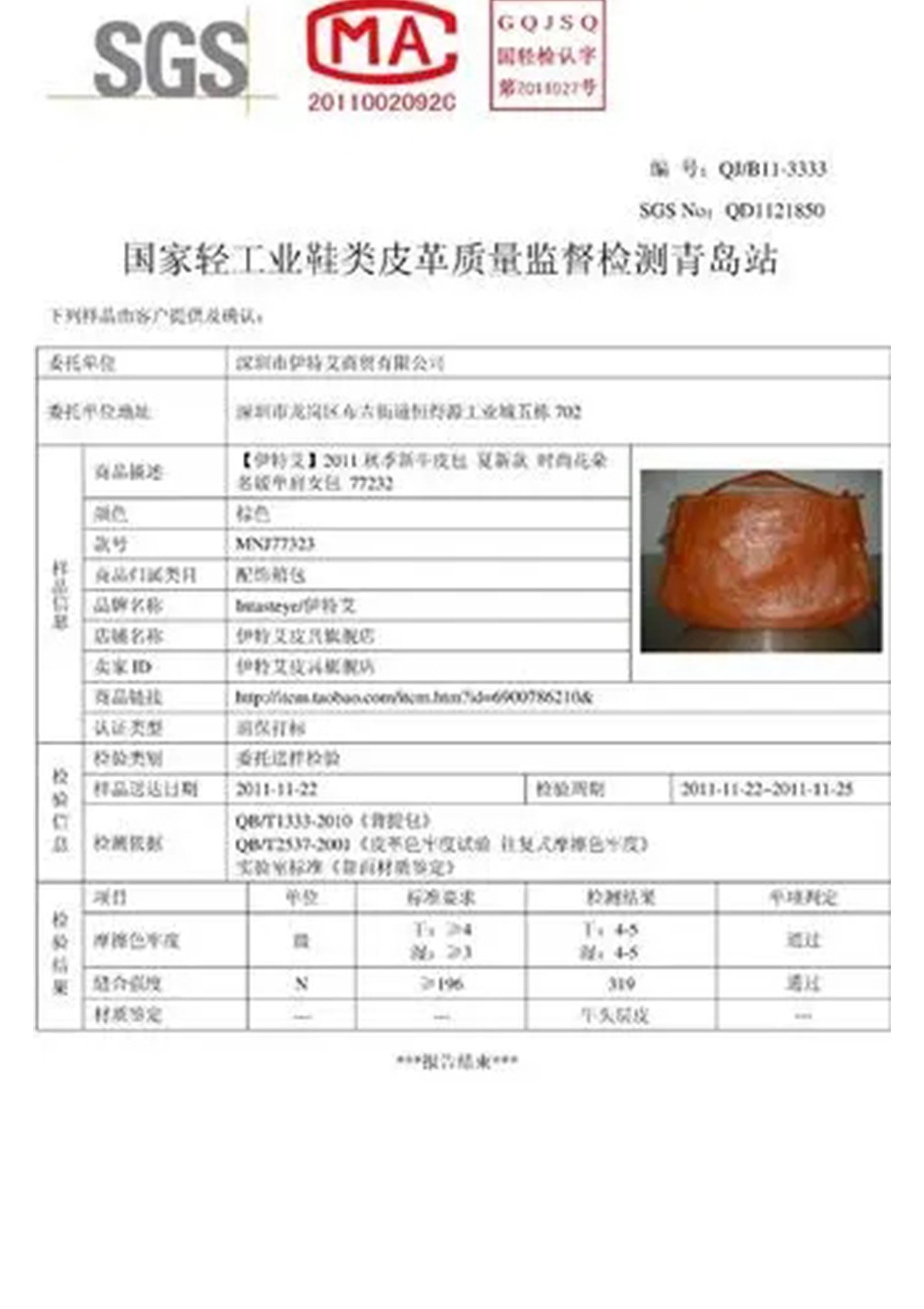
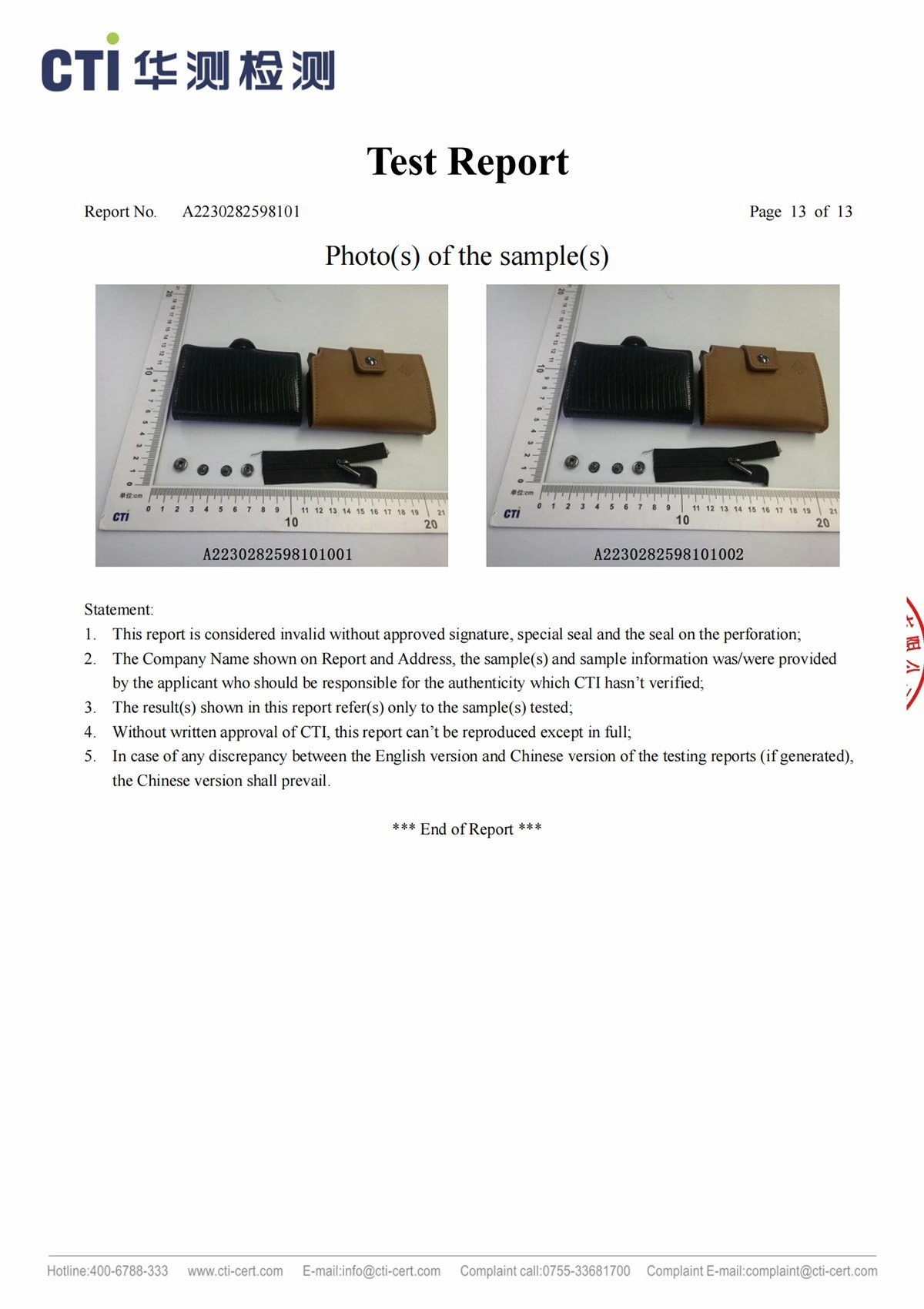
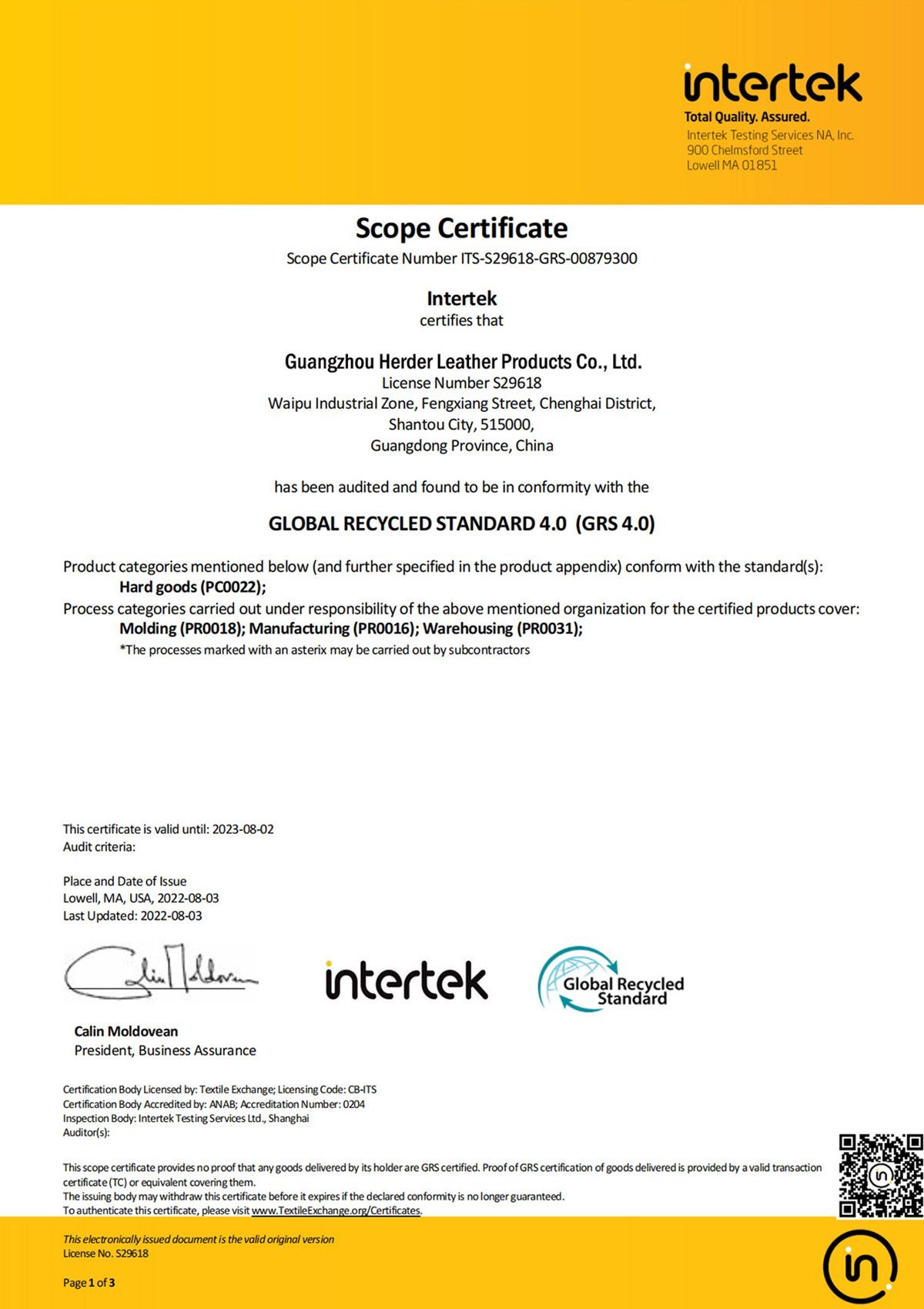
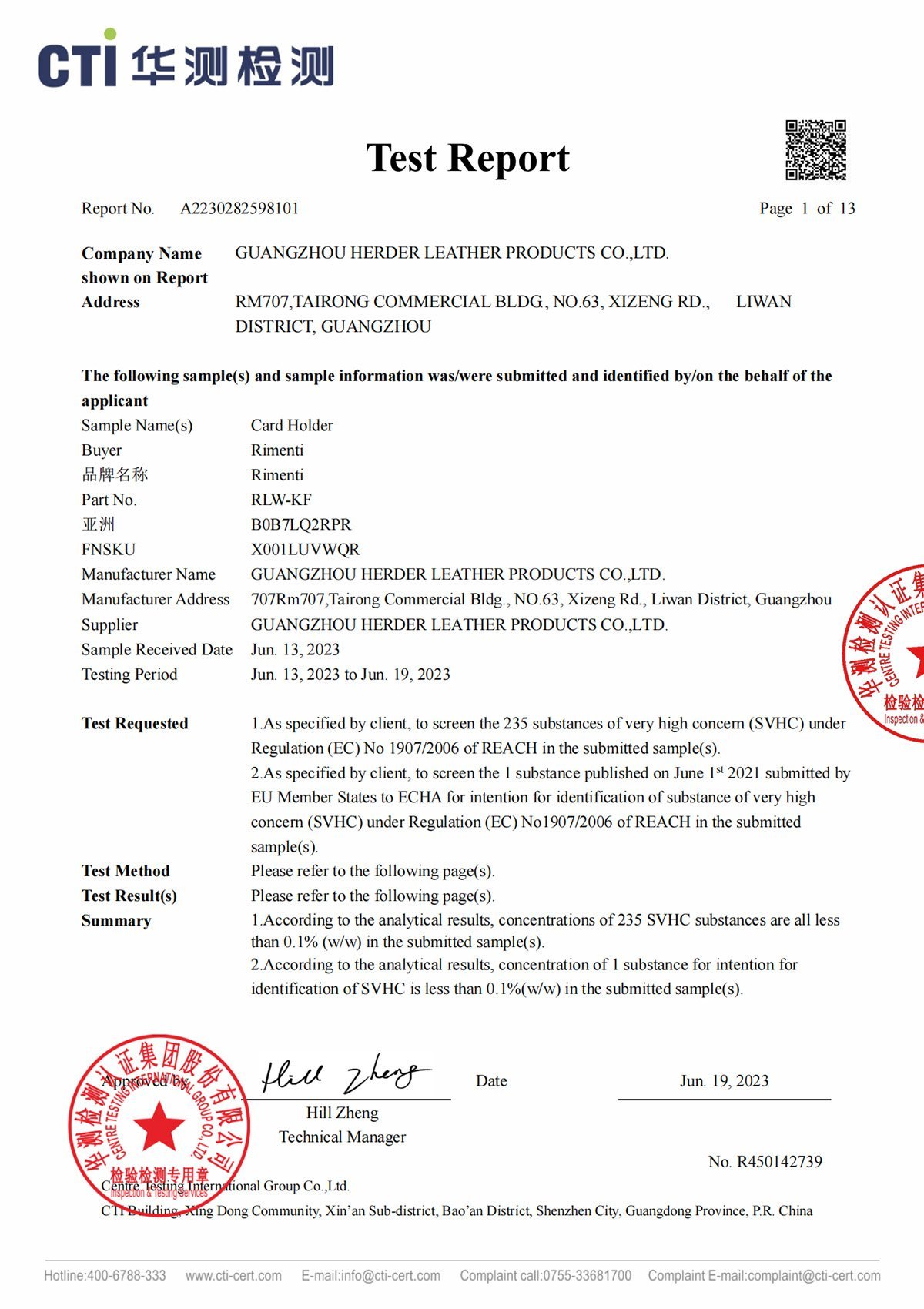
Our Certificate/Inspection Report
Recent Related Articles
Welcome to our premier leather goods manufacturing company based in Guangzhou. We take great pride in specializing in the production of top-quality leather goods, meticulously crafted with premium genuine leather materials. Over the past 18 years, we’ve honed our expertise in providing customized leather goods solutions, showcasing our dedication to fine craftsmanship and ensuring utmost customer satisfaction. How can we assist you today?