
Hardware Selection


Bag chains play a key role in both design and functionality
We support full customization of chain materials, finishes, colors, and proportions to ensure perfect alignment with your bag design. From classic metal chains to modern leather-combined styles, every detail can be developed for your brand positioning.

Logo customization is one of the most important elements of brand identity
We offer full customization of metal logo plates and branding hardware, including shape, finish, plating color, and dimensional structure. Each design is developed to align with your product positioning and brand aesthetics. MOQ applies to custom tooling.
Metal color finishing plays a key role in defining the luxury feel of a product

We provide multiple plating options such as gold, silver, gunmetal, rose gold, black, and antique tones, with stable color consistency for mass production. Custom plating development is available for brand-specific requirements.


We offer OEM mould opening services for custom metal hardware.
We support full development of metal hardware moulds based on your drawings or samples, including logo plates, buckles, and decorative parts. MOQ and tooling fees apply depending on design complexity.
The best hardware depends on your target market, budget, and brand positioning.
- Luxury Brands
Prefer solid brass, thicker plating, custom locks, and logo hardware to create a premium look and stronger brand identity. - Mid-Market Brands
Zinc alloy hardware with quality plating offers the best balance between appearance, durability, and cost. - Startup Brands
Using existing molds and standard finishes helps reduce development costs, lower MOQ requirements, and speed up product launches.
Need Help Choosing?
We can recommend the most suitable hardware based on your bag design, leather material, target retail price, and production quantity.


Typical Hardware Cost by Type
| Hardware Type | Cost Impact |
| D Ring | Low |
| Magnetic Snap | Low |
| Buckle | Medium |
| Chain | Medium |
| Turn Lock | High |
| Custom Logo Hardware | High |
| Sepcial Hardware Customization | Highest |
Popular Hardware Finishes
The right hardware finish can significantly influence the overall style and perceived value of a handbag. Below are the most popular finishes used by fashion brands worldwide.
- Light Gold: Elegant and modern. One of the most popular choices for luxury handbags and premium fashion brands.
- Gold: Rich and eye-catching. Commonly used for classic women’s handbags and statement designs.
- Silver: Clean and versatile. Suitable for minimalist, contemporary, and unisex collections.
- Gunmetal: Modern and sophisticated. Often used for men’s bags, business collections, and outdoor-inspired designs.
- Antique Brass: Warm and vintage. Perfect for heritage brands, retro collections, and handcrafted leather goods.
- Matte Black: Minimalist and premium. Popular for streetwear, tech-inspired products, and modern fashion brands.
Need help matching hardware with your leather and brand style? Our team can recommend the most suitable finish for your project.


Common Hardware Mistakes Brands Make
Choosing the right hardware is just as important as selecting the right leather. Avoiding these common mistakes can improve product durability, appearance, and long-term customer satisfaction.
Selecting Hardware Before Finalizing Leather Color: Hardware and leather should be chosen together. A finish that looks perfect on black leather may not work well with beige, brown, or pastel tones.
Prioritizing Appearance Over Function: Decorative hardware may look attractive, but it may not provide enough strength for handles, shoulder straps, or load-bearing areas.
Mixing Too Many Hardware Finishes: Combining gold, silver, and gunmetal finishes in one design can create an inconsistent look and weaken brand identity.
Ignoring Plating Quality: Low-quality plating may fade, scratch, or tarnish after long-term use. Hardware durability should always match the product’s target market and retail price.
Choosing Oversized Hardware: Large hardware can increase bag weight and affect overall comfort, especially for shoulder bags and daily-use products.
Over-Customizing Hardware Too Early: Many new brands invest in custom molds before validating market demand. Starting with existing hardware can reduce development costs and speed up product launches.
Why Custom Leather Goods with
Mherder China


One-Stop Solutions for Custom Leather Products
Professional Leather Goods Wholesaler in China
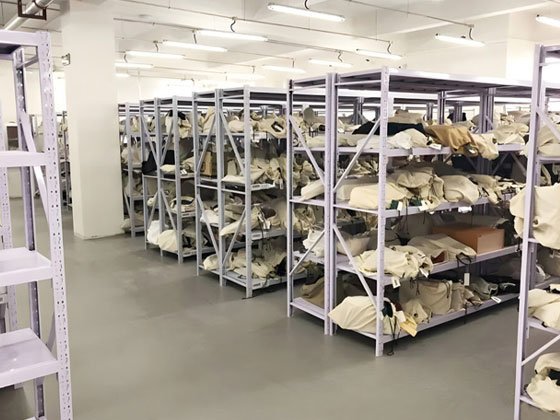

We have 5000+ Stock Inventory Designs available for your options. We offer lower MOQ, starting from 20 pieces per style for your market, which can greatly lower your inventory risk. In addition, our ready-to-ship leather bags can be delivered to you in 5-7 days after payment.
Wait! Don't Miss Out!


Still not finding what you’re looking for? Contact our consultants for more available products.
What Is Bag Hardware and Why Is It Important in Handbag Design?
Choosing the wrong hardware for your handbag line is an expensive mistake. It can cost you weeks of lead time, thousands in rework, and serious damage to your brand image.
Why Brands Choose Mherder for Hardware Development
- 19 Years Manufacturing Experience
- 100+ Production Machines
- Custom Mold Development
- European Standard Plating
- Bulk Production Consistency
- Hardware Color Matching System
Bag hardware refers to the metal or alloy components attached to a handbag—including clasps, D-rings, buckles, feet, swivel hooks, and zippers. These parts serve three jobs at once: holding the bag together under load, shaping its visual style, and signaling brand identity to the customer.

Most buyers I speak with think of hardware as decoration. They focus on finishing color and shape, then move on. That approach works fine until a shoulder bag’s D-ring deforms after two months of use, or a startup burns its first production budget on logo tooling for a product the market hasn’t validated yet. Hardware decisions have real consequences. Understanding what hardware actually does—and when to invest in customizing it—is one of the most useful things a brand founder or product manager can learn before placing a first order.
What Does Bag Hardware Actually Do?
Every piece of hardware on a bag is carrying at least one job. Most are carrying two or three at once. When buyers don’t recognize this, they make speculative decisions that create problems later.
Bag hardware serves three distinct functions: structural (keeping the bag intact under physical stress), aesthetic (shaping visual style and price-tier perception), and brand-signaling (communicating brand identity through logo or custom-designed pieces). Confusing these functions leads to under-speccing load-bearing parts and over-investing in logo pieces at the wrong stage.

Structural Function: Hardware That Has to Hold
The structural pieces are the ones that fail visibly and publicly. D-rings, swivel hooks, strap connectors, bag feet, frame clasps, and top handles all carry real physical load. A D-ring that bends under the weight of a laptop bag isn’t a cosmetic issue—it’s a product failure. A frame clasp that loosens after fifty open-close cycles creates a customer complaint that follows your brand online.
| Hardware Type | Structural Role | Failure Mode If Under-Specced |
|---|---|---|
| D-rings | Connects straps to the body | Deformation under load, strap detachment |
| Swivel hooks | Allows strap rotation at the attachment point | Locking failure, hook opening under stress |
| Bag feet | Protects base, distributes weight | Feet pulling through material, base damage |
| Frame clasps | Holds bag closed, supports bag shape | Loosening, misalignment, closure failure |
| Top handle rings | Transfers carry the load to handle | Ring bending, handle pull-through |
The weight rating and material grade of these pieces matter in a direct, functional way. We advise clients to think about structural hardware first—before finish, before logo, before any aesthetic decision. A bag that fails structurally destroys brand trust faster than any hardware that looks slightly off.
This doesn’t mean buyers need to become metallurgists. What it means practically is: tell your factory the intended use case and load expectation, and ask them to confirm the hardware spec is rated for it. That one step prevents most structural hardware mistakes.
Aesthetic Function: Hardware as a Visual Signal
After structure, hardware shapes how a bag looks and what price tier it reads as. Finish color—gold, silver, antique brass, gunmetal, brushed nickel—sets the tone immediately. Heavy hardware reads as luxury or workwear. Slim, minimal hardware reads as contemporary or casual[^1]. Oversized hardware on a small crossbody creates a visual imbalance. Understated hardware on a large structured tote can make the bag look unfinished.
| Finish | Visual Association | Common Bag Categories |
|---|---|---|
| Polished gold | Luxury, feminine, classic | Designer-inspired handbags, evening bags |
| Antique brass | Heritage, artisan, vintage | Leather totes, saddlebag styles |
| Gunmetal/matte black | Modern, utilitarian, edgy | Backpacks, crossbodies, streetwear-adjacent |
| Brushed silver/nickel | Minimalist, professional, clean | Briefcases, structured totes, and corporate gifting |
| Rose gold | Trend-forward, soft luxury | Fashion-forward crossbodies, gift products |
Aesthetic hardware decisions are where most buyers spend their attention, and this is mostly appropriate, as long as structural requirements are already confirmed. The mistake is spending time finishing the selection before locking down whether the hardware can do its structural job.
One thing I tell clients regularly: standard hardware libraries at established factories are far more capable than most buyers expect. We carry dozens of profiles across every major finish. For most startup SKUs, matching the right standard piece to the bag’s style tier creates a product that looks and performs well—without any tooling investment.
Brand-Signaling Function: When Logo Hardware Makes Sense
Logo hardware is the piece of metal that carries your brand’s name or mark—embossed on a clasp plate, cast into a buckle, stamped onto a snap. For the right brand at the right stage, logo hardware is one of the most efficient investments available. It increases perceived value, supports higher retail pricing, and creates instant shelf differentiation.
For the wrong brand at the wrong stage, it is a premature bet that costs money and time before the market has told you anything.
Custom logo hardware tooling—casting dies, or stamping dies—carries real upfront costs and lead times of two to six weeks[^2]. This is infrastructure-level investment. It only makes sense after a brand has confirmed product-market fit, not before.
| Brand Stage | Hardware Recommendation | Reason |
|---|---|---|
| Pre-launch / first production run | Standard hardware | Market validation hasn’t happened yet; tooling risk is unrecoverable |
| Early traction / 2nd–3rd run | Evaluate tooling investment | Sales data exists; brand direction is clearer |
| Scaling/established product | Custom logo hardware | Tooling cost amortizes across volume; brand equity ROI is real |
| Established brand with repeat SKUs | Custom logo hardware | Differentiation, pricing power, brand consistency |
I have worked with startup founders who spent their entire sampling budget on logo hardware tooling for a first run of 200 units. The tooling cost was fixed. The product never got a second run because the first run didn’t sell through. The logo hardware became a sunk cost with no return. That story is not unusual.
In our experience advising brands at the early stage, the right move is almost always: launch with well-matched standard hardware, generate sales, then bring logo hardware into the second or third production run when the investment has a validated product behind it.
Want to find the perfect fit? [Click here to request our Hardware Samples & Finish Chart].
Is Standard Hardware a Compromise?
This question comes up often, and the answer is no. Standard hardware is the strategically correct choice for most startups—not because custom hardware is out of reach, but because the investment isn’t justified until the product is validated.
Standard hardware from an experienced factory is not a lesser option. It covers a wide range of finishes, weights, profiles, and price tiers. For most startup SKUs, the right standard hardware—correctly matched to bag style and intended customer—delivers strong product quality without tooling cost or lead time risk.

Here is a clearer way to think about this. Custom logo hardware adds two things: brand identification on the hardware itself, and the perception of exclusivity it creates. Those two things have real value—but only when a customer already knows and trusts your brand, or when the retail environment gives logo hardware a chance to communicate. On a brand’s first product, before that recognition exists, logo hardware is effectively invisible to the customer. It costs real money and delivers little return.
Standard hardware, on the other hand, can be selected to match the bag’s material quality, its style positioning, and its retail price point precisely. A well-selected antique brass D-ring on a full-grain leather tote reads as premium. A slim gunmetal swivel hook on a nylon-and-leather crossbody reads as clean and modern. These are design choices, not compromises.
| Decision Factor | Standard Hardware | Custom Logo Hardware |
|---|---|---|
| Upfront tooling cost | None | Moderate to high |
| Lead time impact | None | 2–6 weeks additional |
| Right stage of use | Pre-launch, early runs | Scaling, established SKUs |
| Visual quality | High (with correct selection) | High |
| Brand recognition contribution | Low | High (when brand is known) |
| Risk level | Low | Higher at the early stage |
The brands that grow successfully into custom logo hardware do so because they built product credibility first. That credibility came from good material choices, correct structural specs, and hardware that matched the bag’s quality tier from day one—using standard pieces.
What Buyers Should Specify When Ordering Hardware
When sourcing bag hardware, buyers often focus only on appearance. However, in B2B production, clear technical specifications are essential to avoid defects, delays, and inconsistent quality.
To ensure accurate production and stable bulk quality, buyers should clearly define the following key requirements:
Load Requirement (kg)
Define how much weight the hardware must safely carry.
- Shoulder strap connectors (light/medium / heavy load)
- D-rings and swivel hooks (laptop bags require higher load capacity)
- Top handle reinforcement points
This helps prevent deformation, breakage, or strap failure in real use.
Finish Type (Plating Thickness)
Specify the surface finishing standard, not just color.
- Gold / Nickel / Gunmetal / Antique Brass
- Matte vs polished surface
- Plating thickness (important for durability & color retention)
Better plating = better scratch resistance and longer product life.
Salt Spray Test Requirement
Defines corrosion resistance level.
- Standard decorative grade
- Mid-level daily-use grade
- High-end export/luxury grade (24–72 hour test or higher)
Critical for export markets (EU / US humidity conditions).
MOQ for Custom Tooling
Clarify before developing logo hardware or special shapes.
- Initial mold cost + production MOQ
- Whether the tooling cost is refundable or amortized
- Expected lead time (typically 2–6 weeks)
Avoids wasted investment in early-stage brands.
Compatibility with Leather Thickness
Ensure hardware matches actual bag construction.
- Leather thickness (e.g., 1.2mm / 1.8mm / 2.0mm)
- Reinforcement layers (PU backing/lining support)
- Stitching stress points
Prevents tearing, misalignment, or weak structural connections.
Why This Matters
Defining these specifications clearly at the sourcing stage significantly improves:
- ✔ Production consistency
- ✔ Hardware durability
- ✔ Sample accuracy
- ✔ Bulk order quality stability
- ✔ Fewer redesigns and delays
In professional OEM production, hardware is not just a decorative component — it is a structural engineering decision.
Factory Capability in Hardware Production
In professional bag hardware manufacturing, factory capability is a key factor that directly determines product quality, development speed, and consistency in bulk production.
A strong hardware supplier is not only producing parts, but also engineering reliable, scalable, and brand-ready hardware systems for handbags.
Core Factory Capabilities
- In-house mold development
Faster tooling response and better control over custom hardware precision - 3D prototyping before tooling
Reduces design errors and ensures structural accuracy before mass production - Multiple plating lines (gold, nickel, gunmetal, etc.)
Ensures stable color options and consistent finishing quality across batches - QC pull test & salt spray test
Guarantees durability, strength, and corrosion resistance for export markets - OEM & private label hardware support
Full customization support for brand-specific hardware development
Why This Matters for B2B Buyers
A factory with strong hardware capability ensures:
- ✔ More accurate sampling results
- ✔ Lower risk of production defects
- ✔ Better consistency in bulk orders
- ✔ Faster development cycles
- ✔ Higher brand-level finishing quality
In handbag hardware sourcing, factory capability is often more important than design itself — because it defines whether your product can scale reliably.
Hardware Color Consistency Case
A US handbag brand required the same light gold finish across multiple repeat orders. By using approved color samples and controlled plating specifications, the hardware appearance remained consistent throughout production, helping maintain brand consistency across all collections.
Conclusion
Hardware is structure, style, and brand identity combined. Match it to your bag’s function first, its visual tier second, and invest in logo hardware only when the market has given you a reason to. If you are developing a handbag line, we can help you match the right hardware system based on structure, style, and production budget.
Frequently Asked Questions
Bag hardware refers to metal or alloy components used in handbags, such as clasps, D-rings, buckles, zippers, and logo plates. These parts provide structural support, functionality, and brand identity.
The most common types include D-rings, swivel hooks, bag clasps, magnetic snaps, bag feet, buckles, and metal logo plates.
Zinc alloy is the most widely used due to its balance of cost and strength. For premium handbags, brass or stainless steel is preferred for higher durability and corrosion resistance.
Hardware selection should be based on bag structure, load requirements, and leather thickness.
- Light bags → standard D-rings and lightweight hooks
- Heavy bags → reinforced connectors and high-load hardware
- Thick leather → larger inner diameter hardware to prevent stress damage
👉 Proper matching ensures durability, stability, and long-term performance.
Common reasons include low-grade alloy, insufficient load capacity, poor plating thickness, and a mismatch between hardware size and bag weight.
Yes. Logo hardware can be customized through mold tooling, including embossing, engraving, or casting. MOQ and tooling costs are required for production.
MOQ for custom hardware usually starts from 300–1000 pieces per style, depending on design complexity and tooling requirements.
Standard hardware is ready-made with no tooling cost, while custom hardware requires mold development for branding and differentiation.
Factories use pull tests, load tests, and salt spray tests to ensure strength, durability, and corrosion resistance for export markets.
Brands should invest in custom hardware after market validation, typically from the second or third production run, when sales data is stable.
Yes.
- Standard hardware samples: available immediately
- Custom hardware samples: 7–15 days, depending on complexity
👉 Samples help confirm finish, strength, and structure before mass production.
Yes, mixed finishes are possible, such as:
●Gold + gunmetal
●Antique brass + matte black
●Nickel + polished gold
👉 Final feasibility depends on MOQ and production setup.
Plating variation is usually caused by:
●Inconsistent plating thickness
●Different production batches
●Surface polishing differences
●Temperature and timing variations
👉 We control this through standardized plating lines and strict QC inspection.
Yes. We match hardware styles to brand positioning:
●Luxury brands → polished gold / brass
●Minimalist brands → matte nickel / gunmetal
●Streetwear brands → bold black / oversized hardware
👉 This ensures hardware aligns with retail price positioning.
If hardware fails pull test, load test, or salt spray test, we will:
●Re-evaluate structure
●Adjust material or thickness
●Reproduce samples for approval
👉 No bulk production proceeds without passing QC standards.

Elevate Your Brand with Mherder
Take your brand to the next level with Mherder, Guangzhou’s trusted leader in premium leather bag manufacturing. Perfect for importers, brand owners, Amazon sellers, retailers, and wholesalers, we provide free designs and customization services to bring your vision to life. With a catalog of over 5000 styles, we offer everything from leather bags to accessories, all crafted with exceptional quality.
Download your free market report and competitive analysis now to gain insights and stay ahead in the industry!
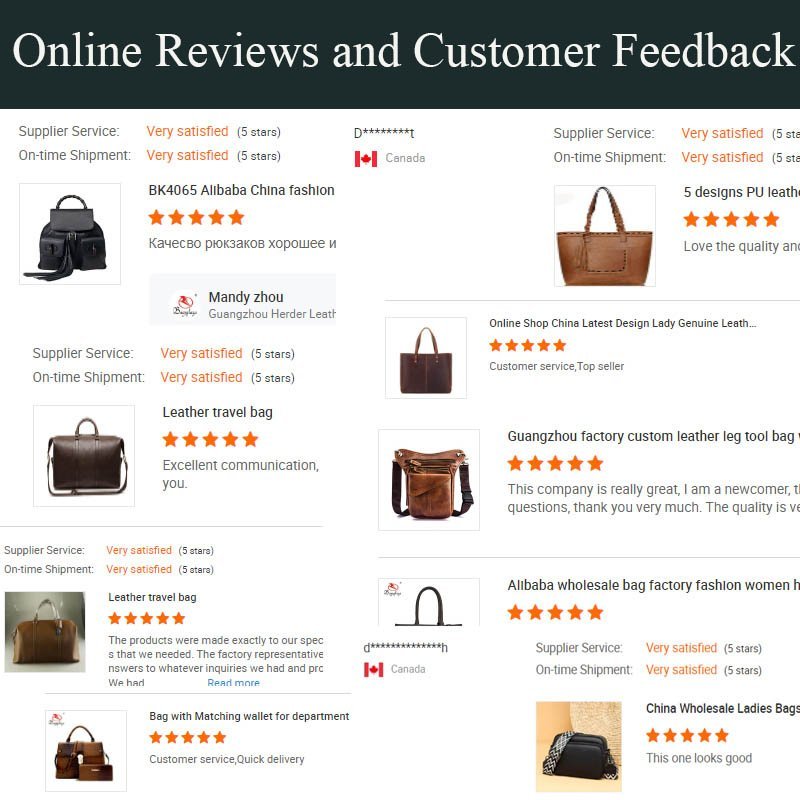
Customer Testimonials
Our company collaborated with Mandy to customize a batch of leather tote bags, and we are thoroughly satisfied with the overall quality. The leather is soft yet durable, and the craftsmanship is impeccable, fully meeting our brand standards. The customization process was smooth, with clear communication and a professional, efficient team. Orders were delivered on time, making Herder company a reliable partner for long-term collaboration.
 Emily RobertsBrand Manager
As a retail business, we needed unique designs for our leather tote bags to enhance our brand image. Herder company offered a wide range of customization options, including colors, styles, and logo emboss, effectively meeting our requirements.
 Michael ThompsonCEO
Among numerous suppliers, we chose Herder for large-scale customization due to their reasonable pricing and consistent quality. The leather material is top-notch, and the attention to detail is precise with no defects. Throughout our partnership, Elva was responsive and handled orders efficiently, significantly improving our supply chain efficiency.
 Olivia HarrisProduct Development Lead
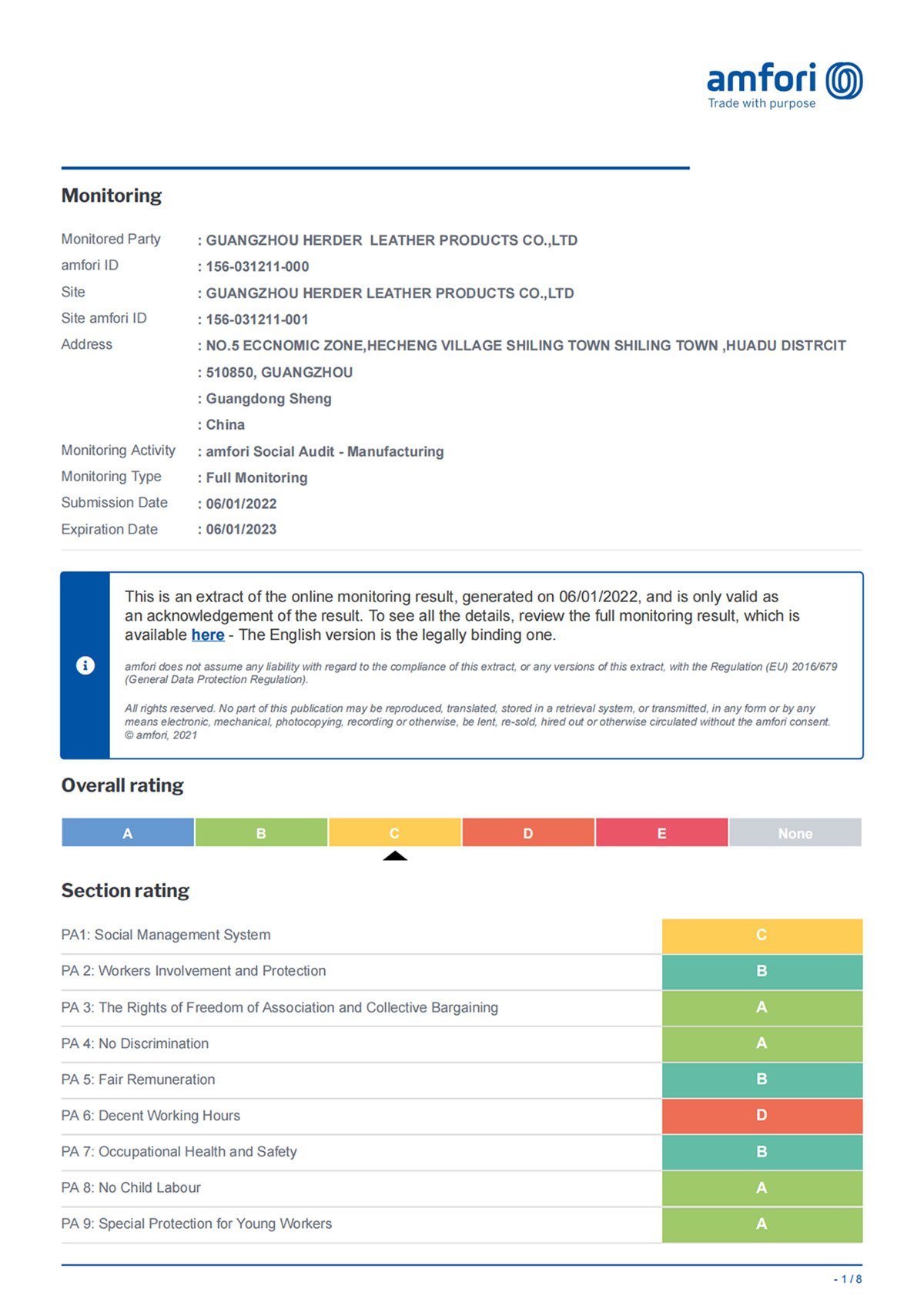
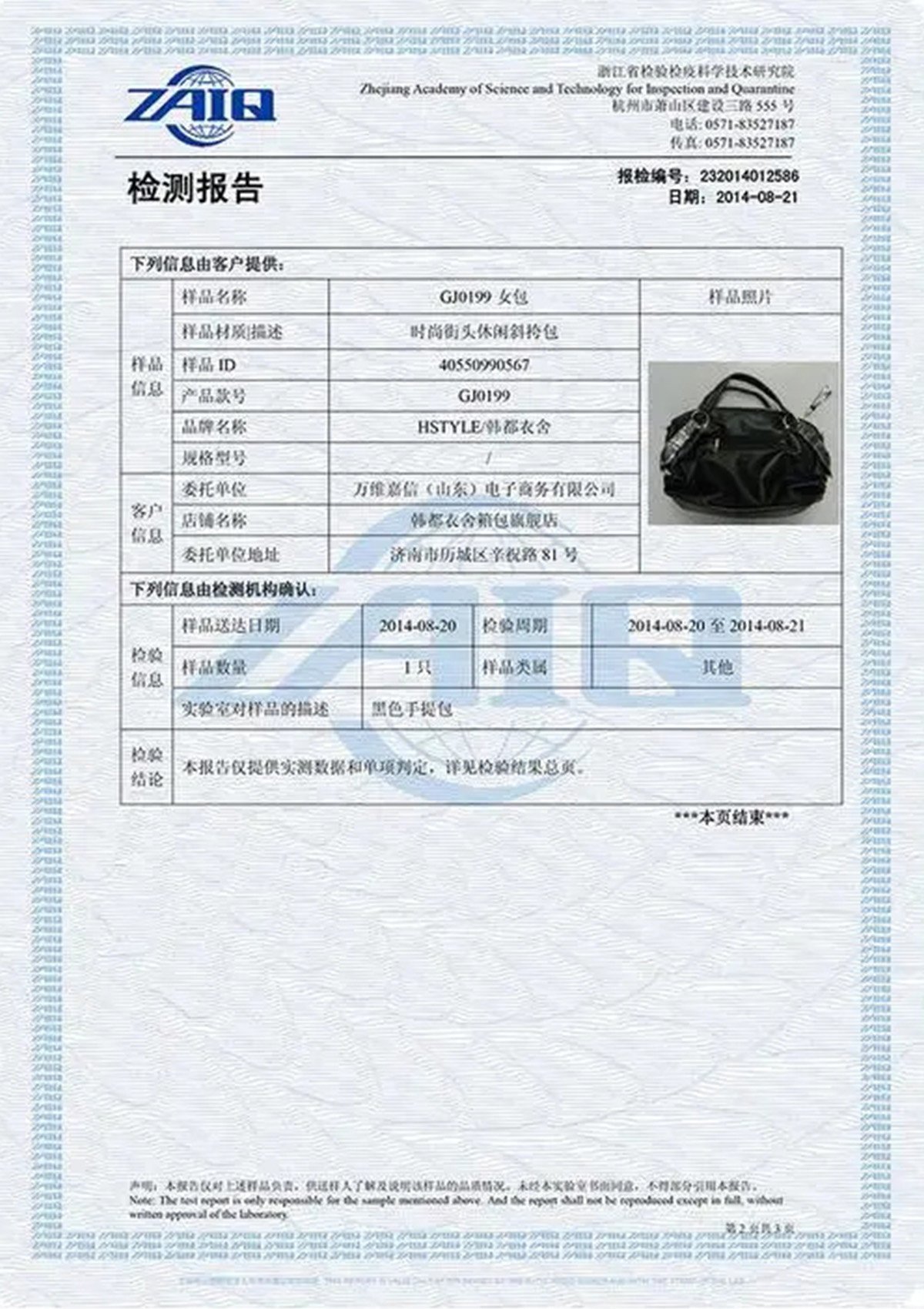
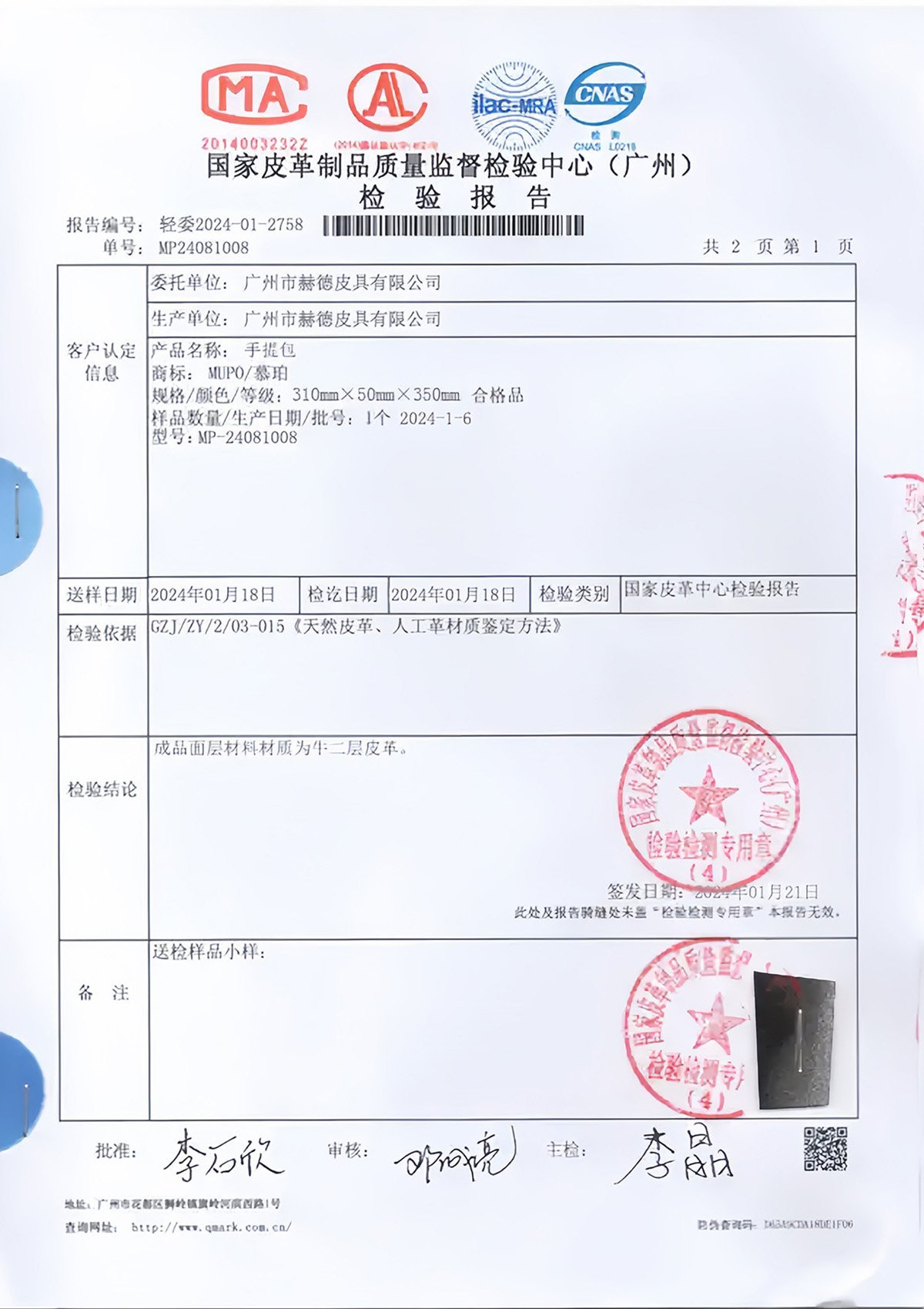
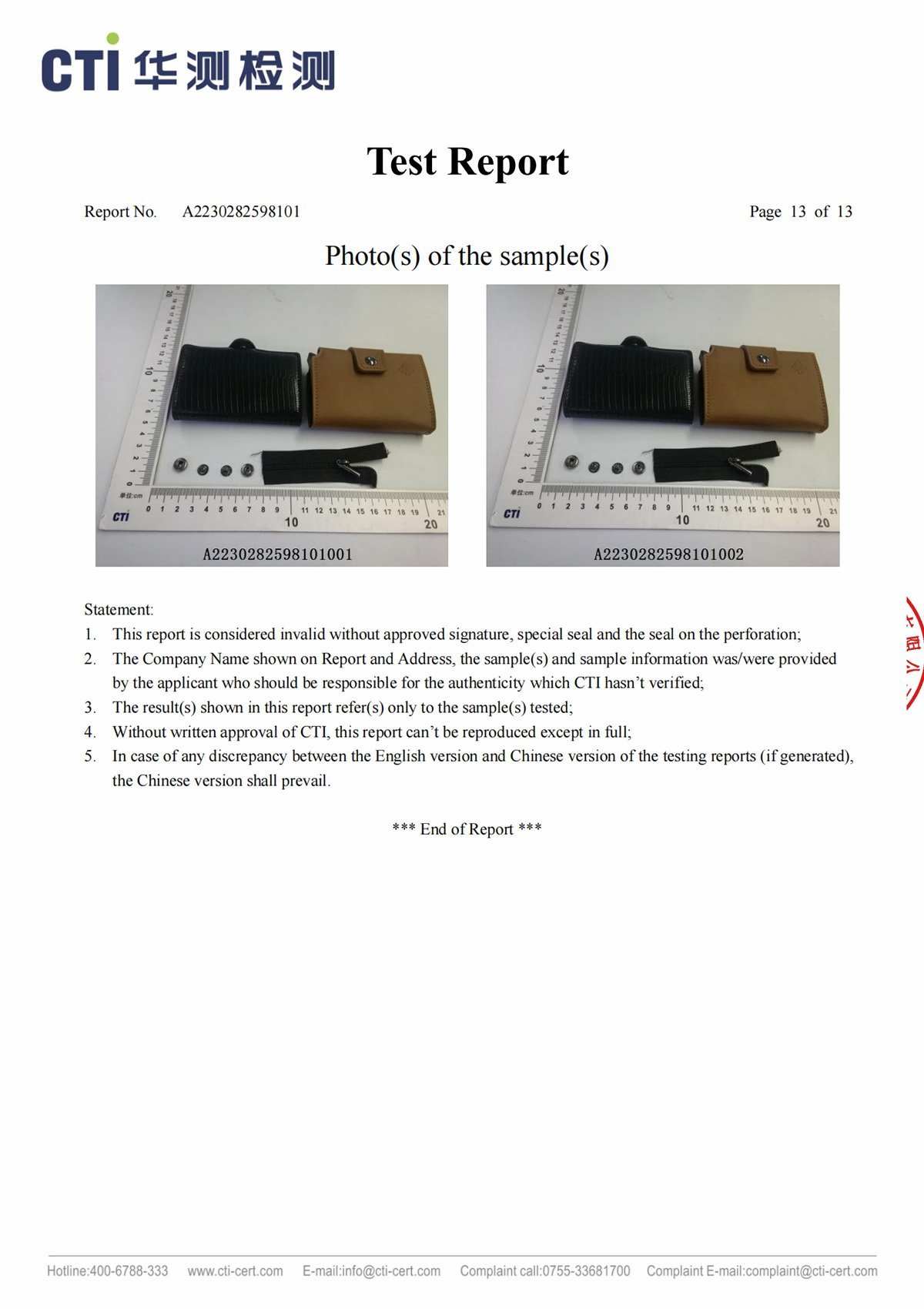
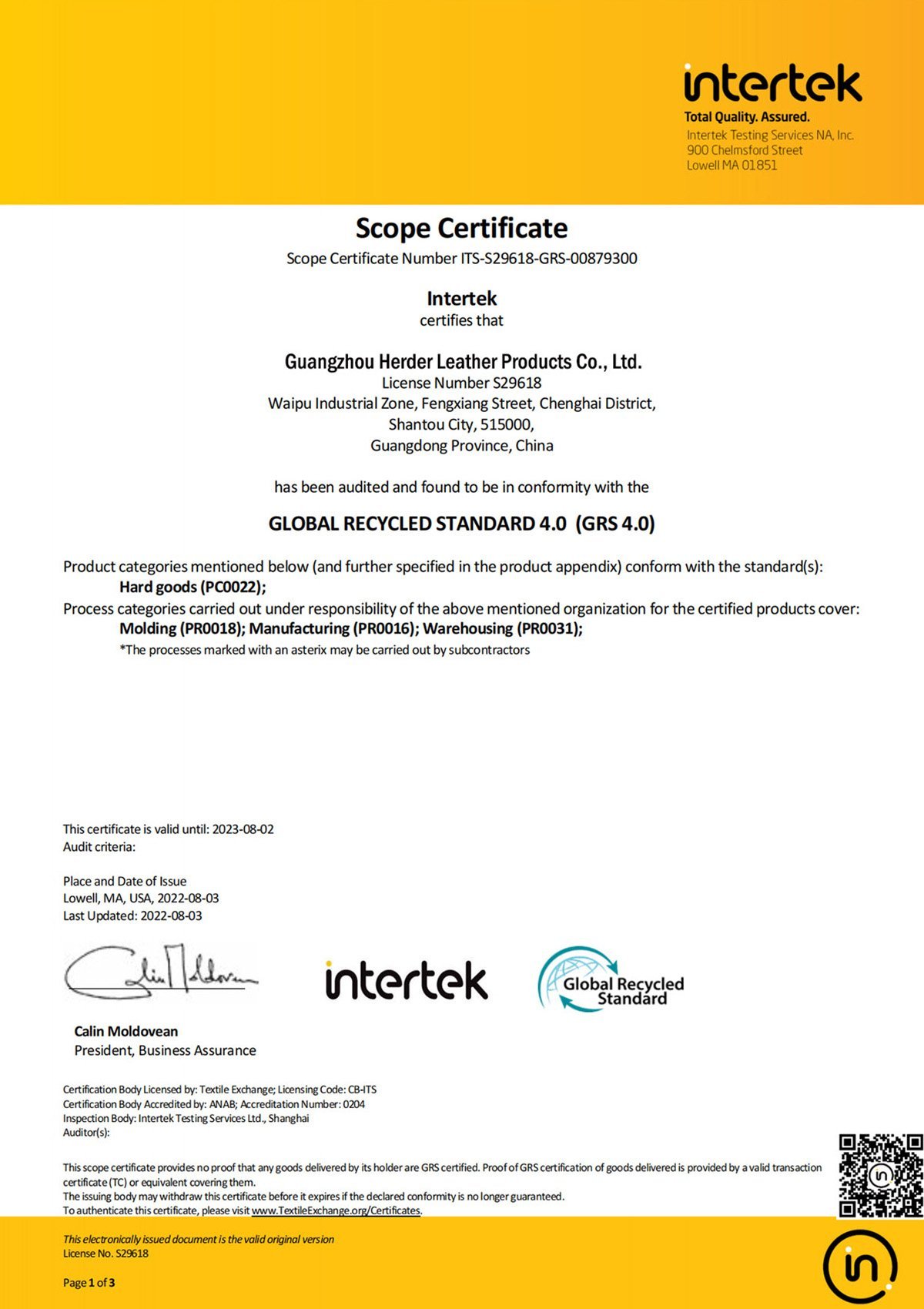
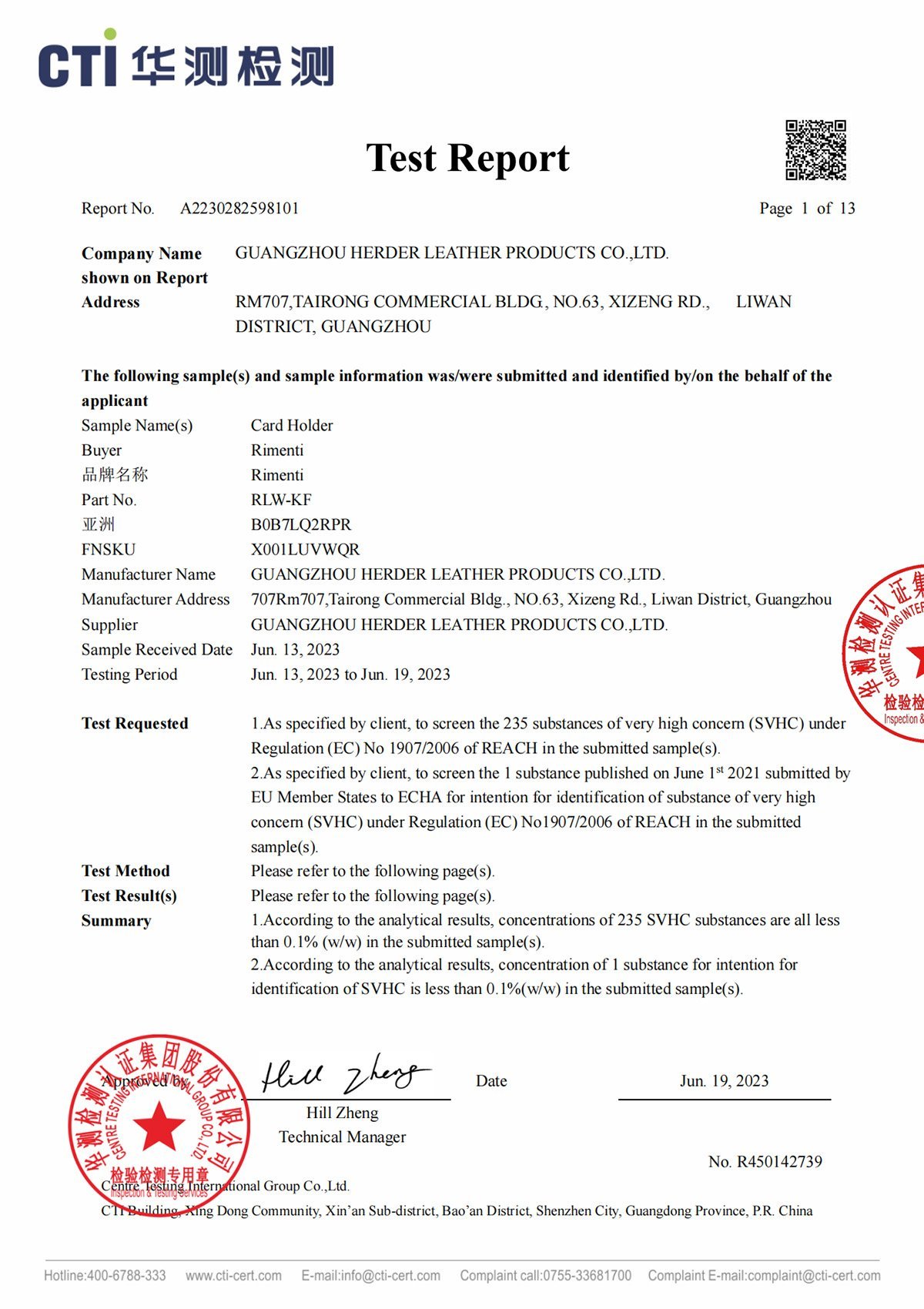
Our Certificate/Inspection Report
Recent Related Articles
How to Start Your Project