
Zippers Selection


YKK Zippers For Leather Goods
YKK zippers are widely recognized as the global benchmark for high-performance fastening systems in the leather goods and fashion industry. Known for their precision engineering, smooth operation, and exceptional durability, YKK zippers are designed to perform consistently under frequent use and varying environmental conditions. Each zipper is manufactured with strict quality control standards, ensuring stable alignment, strong resistance to wear, and long-term reliability.
For premium bags, wallets, and travel accessories, YKK zippers enhance both functionality and perceived product value. Whether used in concealed closures, metal teeth designs, or nylon coil structures, they deliver a refined balance of strength and aesthetics—making them the preferred choice for brands that prioritize quality, consistency, and long-term customer satisfaction.

Resin Zippers for Leather Goods
Resin zippers are a type of molded plastic zipper designed for lightweight performance, flexibility, and strong resistance to corrosion and wear. Unlike metal zippers, resin zippers use individually molded plastic teeth that interlock smoothly, making them ideal for bags that require both durability and a softer, more colorful aesthetic. They are commonly used in fashion handbags, backpacks, and casual travel accessories, where design versatility and cost efficiency are important.
With excellent color-matching capabilities and smooth sliding performance, resin zippers can be customized to align with brand identity while maintaining reliable functionality. They also perform well in humid or outdoor environments, making them a practical choice for modern leather goods and lifestyle products that balance style, durability, and everyday usability.
Metal Zippers For Leather Goods
Metal zippers are a premium fastening solution widely used in high-end leather goods, offering exceptional strength, structure, and a refined industrial aesthetic. Made from durable metals such as brass, aluminum, or nickel alloys, they are designed to withstand heavy use while maintaining smooth and stable operation over time. Their solid tooth structure provides superior grip and alignment, making them ideal for bags that require both durability and a more luxurious visual presence.
In premium handbags, wallets, and travel accessories, metal zippers not only enhance functionality but also elevate the overall design language. The weight, shine, and texture of metal hardware contribute to a more substantial and high-value feel, making them a preferred choice for brands positioning in the mid-to-high-end market where durability and craftsmanship are equally important.


Three key factors: brand positioning, material, and function.
- Match the zipper type with your brand level: nylon zippers are ideal for entry-level products due to cost efficiency and durability; resin zippers work well for mid-range bags; metal zippers are best for premium and luxury bags because they offer a stronger visual identity.
- Consider usage scenarios: backpacks and travel bags usually require smooth nylon or resin zippers for flexibility, while high-end handbags often use metal zippers for a more refined look.
- Focus on details like zipper size (#3–#10), slider smoothness, durability testing, and whether the puller can be customized with your logo.
For consistent quality and lower defect risk, many brands choose suppliers like YKK.
Typical Zippers Cost by Type
| Zipper Type | Cost Impact |
| Nylon Coil Zipper | Low |
| Resin (Plastic Molded) Zipper | Low–Medium |
| Standard Metal Zipper | Medium |
| Heavy-Duty Metal Zipper (Brass/Alloy) | High |
| Premium Brand Zipper (YKK-grade) | High |
| Custom Logo Zipper Puller | High |
| Special Custom Zipper System | Highest |


Why Zipper Color Matters in Bag Design
- Zipper color should always be carefully matched with the overall bag design to maintain visual harmony and brand consistency.
- A well-matched zipper can seamlessly blend into the material tone, creating a clean and premium look, while a contrast zipper can be used intentionally to highlight design details or add a modern accent.
- For luxury and minimalist collections, tone-on-tone matching is often preferred to enhance elegance and reduce visual noise.
- In contrast, fashion-forward or sport-inspired designs may use bold color contrast to strengthen identity. Ultimately, zipper color is not just a functional choice—it is part of the product’s design language.
Common Zipper Selection Mistakes Brands Make
Avoid these common errors when choosing zippers for your bags:
- Wrong Type for Product Positioning: Using the wrong zipper type (nylon, resin, metal) can make the bag feel mismatched with its market level.
Choosing Based Only on Cost: Cheap zippers often reduce quality, smoothness, and long-term durability. - Ignoring Size Compatibility: Incorrect zipper size can affect both function and appearance.
- Overlooking Slider Quality: Poor sliders can cause jamming and weaken the user experience.
- Inconsistent Zipper Styles: Mixing different finishes or types across a collection weakens brand identity.
- Poor Color Matching: Unmatched zipper colors can reduce the overall premium feel.
- Over-Customizing Too Early: Custom molds increase cost and risk before market validation.

Why Custom Leather Goods with
Mherder China


One-Stop Solutions for Custom Leather Products
Professional Leather Goods Wholesaler in China
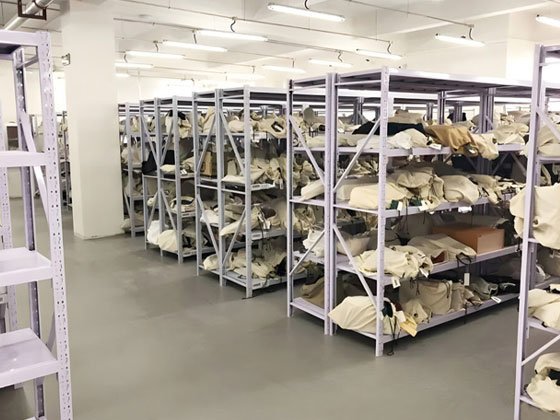
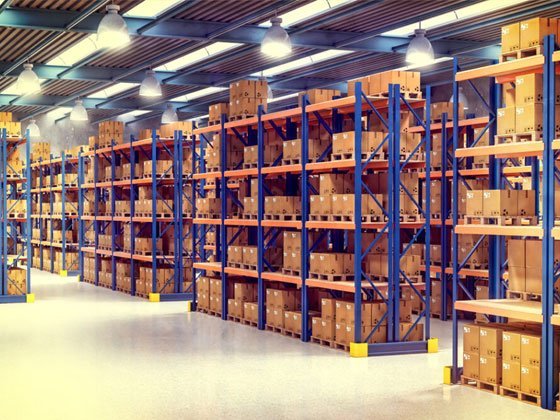
We have 5000+ Stock Inventory Designs available for your options. We offer lower MOQ, starting from 20 pieces per style for your market, which can greatly lower your inventory risk. In addition, our ready-to-ship leather bags can be delivered to you in 5-7 days after payment.
Still not know how to choose the right bag zippers? Contact our consultants for more information now.
Bag Zippers Explained: Materials, Types, and Why They Matter in Bag Design and Manufacturing

You’ve finalized the bag design, approved the leather samples, and locked in the hardware finish. Then you open the first production sample and something feels off. The zipper pulls stiffly, or it looks too chunky, or it just doesn’t match the premium feel you expected. Now you’re facing a choice: approve it anyway and risk customer returns, or order rework and push your timeline back three weeks.
Quick Sourcing Dashboard for Private Labels
- MOQ for Custom OEM/ODM Production: From 100 pcs per style/color for leather bags. From 300pcs per style for PU bags.
- MOQ for Ready-Stock Styles + Logo: From 10 pcs with rapid custom brand stamping (laser engrave logo)
- Sample Lead Time: 10 – 15 working days
- Bulk Production Time: 25 – 40 days after pre-production sample approval
- Material Compliance: Full-Grain, Top-Grain, Split Leather, and Premium Eco-Conscious REACH/RoHS Compliant PU/Microfiber
- Logistics & Delivery: Complete DDP (Delivered Duty Paid) Direct to US/EU Warehouses (All Tariffs & Customs Pre-Paid)
Zipper selection is not just a hardware spec — it’s a design decision that directly affects how your customer judges your bag quality the first time they touch it. Most sample rejections I see in our factory trace back to a zipper mismatch: the wrong material type for the bag style, the wrong gauge for the compartment size, or the wrong supplier tier for the brand positioning. Getting it right from the start avoids costly rework and protects your brand perception at retail.

I work directly with brand founders and product managers who are spec’ing their first private label bags. Based in the heart of Guangzhou’s Baiyun District, surrounded by the world’s most advanced luxury leatherware supply chain ecosystem, I handle these material alignments daily. After 19 years in leather goods manufacturing, I’ve learned that zipper decisions separate brands that feel premium from brands that feel mass-produced, even when the leather and stitching quality are identical.
What Are the Different Zipper Materials and When Should You Use Each One?
You need to match zipper material to bag type and customer expectations. Nylon works for casual and lightweight applications. Resin fits fashion-forward and everyday bags. Metal signals premium quality on structured designs. Choosing the wrong material doesn’t just affect appearance — it changes how your bag performs and how customers perceive your brand.
Nylon zippers are lightweight and flexible, making them ideal for interior pockets, casual totes, and soft bags where weight matters. Resin (plastic) zippers resist corrosion and come in unlimited color options, perfect for fashion bags and outdoor use. Metal zippers add weight and premium tactile feedback, best suited for briefcases, structured handbags, and brand-forward designs where hardware finish is part of the visual identity.

Why Nylon Zippers Work for Lightweight and Casual Bags
Nylon zippers use coil construction. The teeth are formed from a continuous spiral of nylon filament. This makes them lighter than other types and more flexible around curves. They bend easily, so they work well on rounded bag corners and interior pockets that need to follow the bag’s shape.
I use nylon zippers on tote bag linings, zippered pockets inside backpacks, and casual crossbody bags where the customer expects soft drape. The coil construction also runs quietly — there’s no metal-on-metal sound when you open and close it. That matters for customers who carry their bags in quiet environments like offices or libraries.
Nylon zippers cost less than metal zippers, but that’s not why you should choose them. You choose them because they match the bag’s function. A nylon zipper on a canvas tote feels appropriate. A metal zipper on the same tote would feel unnecessarily heavy and visually distracting.
| Application | Why Nylon Works | Common Gauge |
|---|---|---|
| Interior pockets | Lightweight, follows curves | #3 |
| Casual totes | Flexible, quiet operation | #5 |
| Soft crossbody bags | Low profile, color-matched to fabric | #5 |
When Resin Zippers Are the Right Choice for Fashion and Outdoor Bags
Resin zippers use injection-molded plastic teeth. Each tooth is a separate unit, and they interlock more rigidly than nylon coils.[^1] Resin doesn’t corrode, so it works for bags that get exposed to moisture — beach totes, gym bags, and outdoor daypacks.
The main advantage of resin is color flexibility. You can match the zipper color exactly to your bag material or create deliberate contrast for a design accent. Fashion brands use this when they want the zipper to stand out as part of the visual identity.
Resin zippers also resist salt and sweat better than metal zippers. I recommend them for any bag that will be used near water or in humid climates. The teeth won’t rust or discolor, and the slider mechanism stays smooth even after repeated exposure to moisture.
Resin zippers sit in the middle price tier. They cost more than nylon but less than metal. They also feel more substantial than nylon without the weight penalty of metal. For mid-range fashion bags — the $80 to $200 retail price range — resin is usually the right balance of performance and brand perception.
| Bag Type | Why Resin Works | Design Benefit |
|---|---|---|
| Fashion handbags | Unlimited color matching | Supports bold color blocking |
| Beach totes | Corrosion resistant | Handles salt and sand exposure |
| Gym bags | Moisture resistant | Withstands sweat and humidity |
Where Metal Zippers Belong in Premium and Structured Bag Design
Metal zippers use brass, nickel, or aluminum teeth.[^2] They’re heavier than nylon or resin, and they make a distinct sound when you open and close them. That sound and weight are part of the premium signal. Customers expect to feel that tactile feedback on a $300 leather briefcase.
Metal zippers work best on structured bags — designs that hold their shape when empty. The zipper adds to the bag’s overall weight, so the bag structure needs to support that. A metal zipper on a soft, unlined tote would make the bag sag and feel bottom-heavy.
I see metal zippers specified most often on briefcases, leather backpacks, structured handbags, and travel bags. The hardware finish — polished brass, antique brass, gunmetal, or matte black — becomes part of the overall design language. Brands that position themselves as heritage or craftsmanship-focused almost always use metal zippers because the hardware reinforces that brand story.
Metal zippers also perform well under repeated heavy use. The teeth are more durable than plastic, and the slider mechanism typically lasts longer. If your bag will carry heavy loads daily — a laptop briefcase or a professional work tote — metal is the more reliable long-term choice.
| Bag Category | Why Metal Works | Brand Signal |
|---|---|---|
| Leather briefcases | Durable under heavy daily use | Conveys professional quality |
| Structured handbags | Adds weight that balances design | Supports premium positioning |
| Heritage-style backpacks | Hardware finish as design element | Reinforces craftsmanship narrative |
What Do Zipper Gauge Numbers Mean and How Do You Choose the Right One?
Zipper gauge refers to the width of the teeth, measured in millimeters. Smaller numbers mean narrower teeth. The gauge you choose affects how the zipper looks, how much load it can handle, and whether it feels proportional to the bag compartment. Most buyers pick gauge based on what looks standard, but the decision should follow the bag’s structural design and expected use.
Gauge #3 is for interior pockets and small compartments where you want a low-profile zipper that doesn’t dominate the design. Gauge #5 is the most common main compartment zipper for handbags, totes, and backpacks — it balances strength and visual weight. Gauge #8 and above are for heavy-duty applications or decorative oversized hardware on structured bags.

Why #3 Gauge Works for Interior Pockets and Lightweight Applications
A #3 zipper has teeth about 3mm wide. It’s the thinnest gauge we use in bag production. You use it on internal zippered pockets — phone pockets, small organizer compartments, or hidden security pockets inside backpacks.
The narrow teeth keep the zipper from creating bulk. When you close a zippered interior pocket, you don’t want it to add thickness that makes the bag’s exterior bulge. A #3 zipper stays flat against the lining and disappears visually.
I also use #3 zippers on small leather accessories like wallets, coin purses, and card holders. The zipper needs to curve tightly around small corners, and a #3 gauge is flexible enough to follow that curve without puckering the material.
3 zippers are not strong enough for main compartments or heavy loads. The teeth are too small to handle the stress of repeated opening and closing under tension. If you try to use a #3 zipper on a main bag compartment, the slider will eventually skip teeth or separate under load.
| Application | Why #3 Works | Typical Use |
|---|---|---|
| Interior pockets | Low profile, minimal bulk | Phone pocket, key pocket |
| Small accessories | Curves tightly around edges | Wallet, coin pouch |
| Hidden compartments | Stays flat against lining | Security pocket inside bag |
When to Specify #5 Gauge for Main Compartments
A #5 zipper has teeth about 5mm wide. This is the default gauge for most handbags, totes, crossbody bags, and backpacks. It’s strong enough to handle daily opening and closing, and it looks proportional on a main compartment opening.
When I work with new brands, most samples use #5 zippers unless there’s a specific reason to go larger or smaller. It’s the safe middle choice — not too delicate, not too chunky.
5 zippers work for bags that carry typical loads — books, laptops, gym clothes, everyday personal items. The teeth can handle the tension of a full bag being zipped shut without the slider jamming or skipping. The visual weight also matches what customers expect when they see a mid-sized bag.
You can use #5 in metal, resin, or nylon. The gauge number stays the same regardless of material. The difference is how the zipper feels and looks, not how strong it is structurally.
| Bag Type | Why #5 Works | Load Capacity |
|---|---|---|
| Handbags | Balanced visual weight | Everyday carry items |
| Tote bags | Main compartment standard | Books, laptop, personal items |
| Backpacks | Reliable daily performance | School or work gear |
Where #8 and Larger Gauges Fit in Heavy-Duty and Designer Applications
A #8 zipper has teeth about 8mm wide. This is a chunky zipper — it’s visually dominant and adds significant weight. You use it on bags that need to carry heavy loads or where the oversized hardware is part of the design statement.
I see #8 zippers most often on travel bags, duffel bags, and large backpacks designed for outdoor or adventure use. The wider teeth handle repeated heavy loads better than smaller gauges. The slider mechanism is also larger and more robust, so it’s less likely to jam when the bag is overstuffed.
Fashion brands sometimes use #8 or larger zippers as a design accent. Oversized metal zippers on a structured leather handbag can make the hardware the focal point of the design. This works when the brand positioning is bold and statement-driven, not minimalist or classic.
Larger gauges cost more and add weight. You don’t use them unless the bag design specifically calls for that visual impact or structural performance. A #8 zipper on a lightweight crossbody bag would look disproportionate and make the bag feel unbalanced.
| Application | Why #8+ Works | Design Context |
|---|---|---|
| Travel bags | Handles heavy repeated use | Large compartment openings |
| Duffel bags | Supports overstuffed loads | Durable outdoor performance |
| Statement handbags | Oversized hardware as design feature | Bold, fashion-forward positioning |
Why Does the Zipper Pull Matter More Than Most Buyers Realize?
The zipper pull is the part your customer touches every time they open your bag. Pull weight, slider travel smoothness, and hardware finish are the tactile signals that shape their perception of overall bag quality. I see more sample rejections caused by zipper pull feel than by zipper teeth type. Buyers who spec only the zipper teeth and ignore the pull consistently get samples that feel off-brand.
The zipper pull is where brand perception is won or lost at retail. A smooth, weighted pull signals premium quality. A stiff, lightweight pull makes the entire bag feel cheap, even if the leather and stitching are perfect. Spec’ing the pull with the same care you give to hardware finish and stitching details protects your brand positioning at the moment your customer first interacts with your product.

How Pull Weight Affects Customer Perception
Pull weight refers to how much physical resistance the slider has when you move it along the teeth. A smooth pull with slight resistance feels controlled and premium. A pull that slides too easily feels flimsy. A pull that requires too much force feels cheap or misaligned.
In our factory, when we produce samples for premium brands, we test the pull weight before shipping. The slider should move smoothly without catching, but it should have enough resistance that it doesn’t slide open on its own when the bag is carried. This is especially important for bags that get tossed in car trunks or overhead bins.
Lightweight plastic sliders on budget zippers tend to feel too easy. The customer zips the bag and it doesn’t feel like anything happened. Metal sliders on YKK or SBS zippers[^3] have controlled resistance — you feel the slider engaging with the teeth, and it stops firmly when you reach the end.
This is one area where supplier quality matters. A low-tier domestic zipper might use the same gauge and material as a YKK zipper, but the pull weight feels different because the slider mechanism is less precisely machined. That difference shows up immediately when the customer handles the bag.
| Pull Weight | Customer Perception | Typical Supplier Tier |
|---|---|---|
| Too light | Feels flimsy or uncontrolled | Budget domestic suppliers |
| Balanced resistance | Feels premium and intentional | YKK, SBS, quality domestic |
| Too heavy | Feels misaligned or cheap | Defective batch or wrong gauge |
Why Slider Travel Smoothness Is a Quality Signal
Slider travel smoothness refers to whether the zipper opens and closes in one continuous motion or whether it catches, skips, or requires multiple attempts. Smooth travel is the baseline quality expectation for any bag above $50 retail. If the zipper catches during sample review, your customer will assume it will catch even more after a few weeks of use.
Smooth travel depends on three factors: teeth alignment, slider fit, and tape tension. When teeth are misaligned — either during manufacturing or during bag construction — the slider has to force its way over the misalignment. This creates a catch point that the customer feels as resistance.
Slider fit refers to how tightly the slider mechanism grips the teeth. Too tight and the slider drags. Too loose and the slider skips or separates under tension. YKK and SBS control this tightly through precision tooling. Lower-tier suppliers have more variation between batches.
Tape tension refers to how much the fabric tape supporting the zipper teeth can stretch or shift during use. If the tape stretches unevenly, the teeth alignment changes and the slider starts catching. This is why we test zippers under load during production — we zip the bag fully stuffed to see if the tape distorts.
When Custom Zipper Pulls Add Brand Value vs. Unnecessary Cost
Custom zipper pulls — branded pulls with your logo or a unique shape — add visual brand identity. They work when the bag positioning depends on recognizable design details. They don’t work when the customer cares more about function than branding.
I recommend custom pulls for premium bags — $200+ retail — where the customer expects branded hardware details. Fashion brands use custom pulls as a subtle signature element. Heritage brands use custom pulls to reinforce their craftsmanship story.
Custom pulls add cost. You’re paying for tooling, minimum order quantities, and longer lead times. For a startup launching its first 500 units, that cost often doesn’t make sense. You can achieve similar brand recognition with a custom hang tag or interior label, and save the custom pull investment for later production runs when order volumes justify the tooling cost.
Standard pulls from YKK or SBS come in multiple finishes — polished brass, antique brass, gunmetal, matte black. These standard finishes cover most brand aesthetics without custom tooling. The decision should follow brand maturity and order volume, not default assumptions about what premium means.
| Custom Pull | When It Adds Value | When It’s Unnecessary Cost |
|---|---|---|
| Logo-engraved pull | Premium bags with strong brand recognition | Startup’s first production run |
| Unique pull shape | Fashion-forward design statement | Functional outdoor bag |
| Leather pull tab | Heritage or craftsmanship positioning | Budget-tier mass production |
How Do You Choose the Right Zipper Supplier for Your Private Label Line?
When it comes to global luxury standards, two names dominate the landscape: YKK and SBS[cite: 4]. However, selecting the supplier requires balancing your target retail price with your operational scale.
For brands positioning themselves in the premium contemporary space ($150+ retail), utilizing genuine YKK hardware provides an instant, recognizable quality signal to retail buyers[cite: 4]. For mass-market and high-volume trend capsule programs, precision-engineered SBS or top-tier local suppliers offer a highly competitive cost structure without sacrificing slider travel smoothness[cite: 4]. At our factory, we maintain direct sourcing relationships with these certified suppliers to guarantee batch-to-batch consistency.
Strategic Call to Action
Stop Letting a Mismatched Zipper Ruin Your Luxury Leather Perception. Start Engineering Your Hardware Touchpoints.
Unsure whether your upcoming structured backpack or minimalist tote program requires a heavy-duty #8 polished brass metal zipper or a flexible #5 resin coil? Don’t leave your zipper pull weight, slider fluidity, and retail return rates to guesswork. Contact Mherder today to submit your tech packs or design sketches for a comprehensive Zipper Engineering & Hardware Feasibility Audit and an All-Inclusive Landed DDP Pricing Simulation.
Frequently Asked Questions
Metal zippers are generally preferred for structured leather bags because they provide better durability and a premium tactile feel. Nylon and resin are used for lighter or more flexible designs.
It depends on your bag positioning. Nylon is for lightweight and soft bags, resin is for fashion and outdoor use, and metal is for premium structured designs.
#5 zipper is the industry standard for handbags, tote bags, and crossbody bags because it balances strength and visual proportion.
Yes, many brands use different zipper types within one collection based on function, such as nylon for inner pockets and metal for main compartments.
Zipper gauge refers to the width of the teeth. Smaller gauges like #3 are used for interiors, while #5 and #8 are used for main compartments and heavy-duty bags.
YKK is known for premium global consistency and durability, while SBS offers cost-efficient alternatives suitable for mid-market production.
Yes. Poor zipper alignment, weak sliders, or low-quality tape can cause skipping, breaking, or early wear, even if the leather quality is high.
Metal zippers with #8 or larger gauge are recommended for travel and heavy-load bags because they offer higher structural strength.
Resin zippers are usually used for fashion or mid-range bags. They can work for luxury positioning only when color design and branding require it.
Yes, zipper pulls can be customized with logos, shapes, or leather tabs. They are usually recommended for premium and established brands due to higher tooling cost.
Most issues come from mismatched gauge, poor slider quality, or incorrect material selection for the intended bag structure.
Very important. Smooth zipper travel is one of the first tactile signals customers use to judge whether a bag feels premium or low quality.
#3 nylon zippers are commonly used for wallets, card holders, and interior compartments due to their flexibility and low profile.
Yes. Hardware choices like zipper material, gauge, and pull design directly influence how customers perceive brand value and pricing level.
Yes. During OEM development, zipper selection is reviewed based on material, structure, usage scenario, and target retail positioning to avoid production issues.

Elevate Your Brand with Mherder
Take your brand to the next level with Mherder, Guangzhou’s trusted leader in premium leather bag manufacturing. Perfect for importers, brand owners, Amazon sellers, retailers, and wholesalers, we provide free designs and customization services to bring your vision to life. With a catalog of over 5000 styles, we offer everything from leather bags to accessories, all crafted with exceptional quality.
Download your free market report and competitive analysis now to gain insights and stay ahead in the industry!
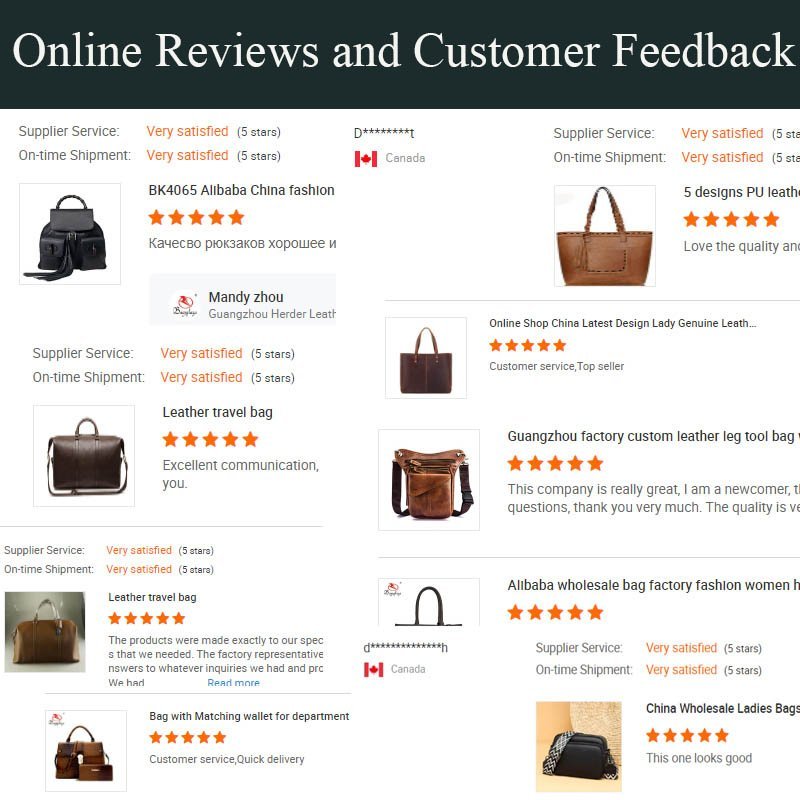
Customer Testimonials
Our company collaborated with Mandy to customize a batch of leather tote bags, and we are thoroughly satisfied with the overall quality. The leather is soft yet durable, and the craftsmanship is impeccable, fully meeting our brand standards. The customization process was smooth, with clear communication and a professional, efficient team. Orders were delivered on time, making Herder company a reliable partner for long-term collaboration.
 Emily RobertsBrand Manager
As a retail business, we needed unique designs for our leather tote bags to enhance our brand image. Herder company offered a wide range of customization options, including colors, styles, and logo emboss, effectively meeting our requirements.
 Michael ThompsonCEO
Among numerous suppliers, we chose Herder for large-scale customization due to their reasonable pricing and consistent quality. The leather material is top-notch, and the attention to detail is precise with no defects. Throughout our partnership, Elva was responsive and handled orders efficiently, significantly improving our supply chain efficiency.
 Olivia HarrisProduct Development Lead
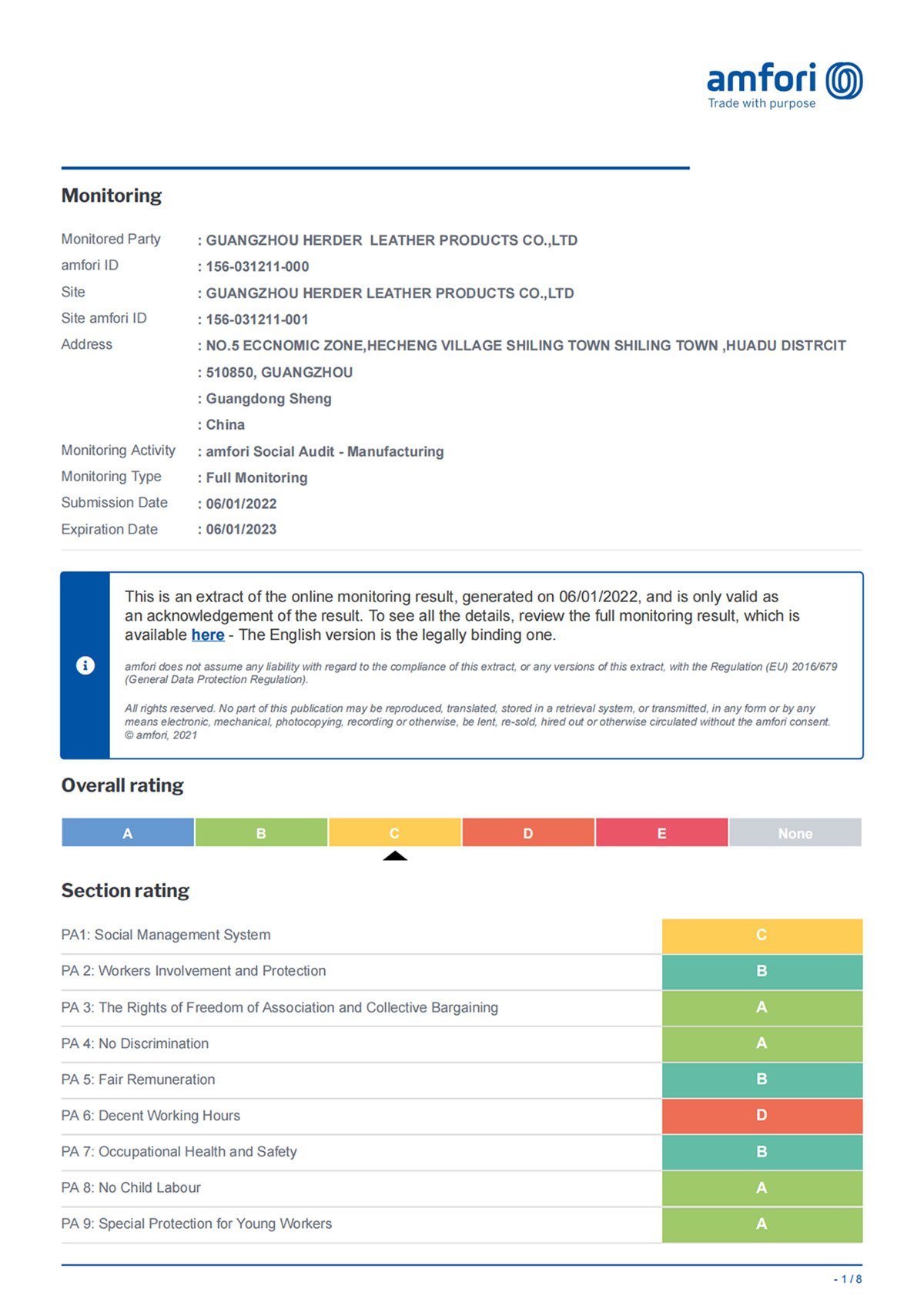
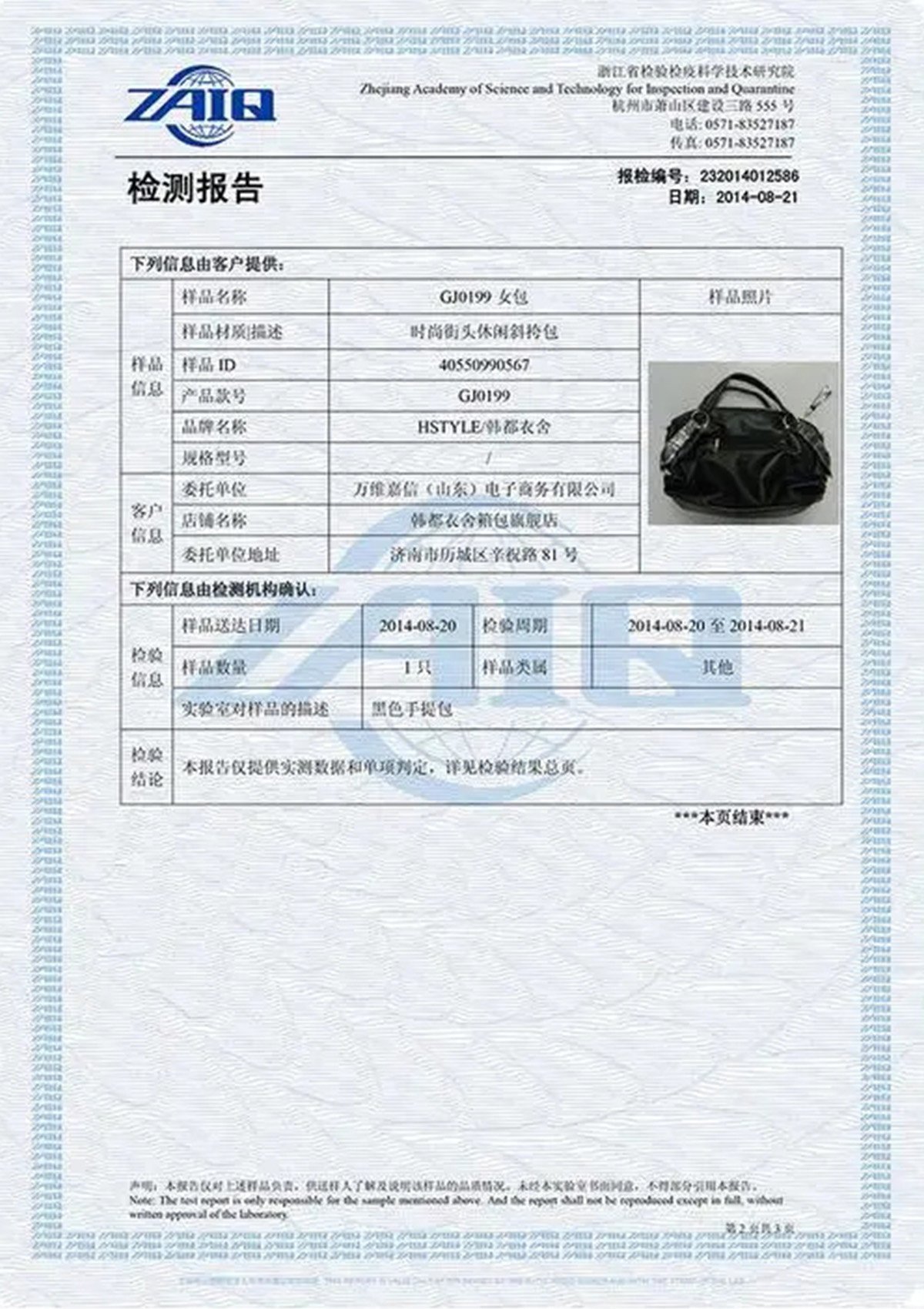
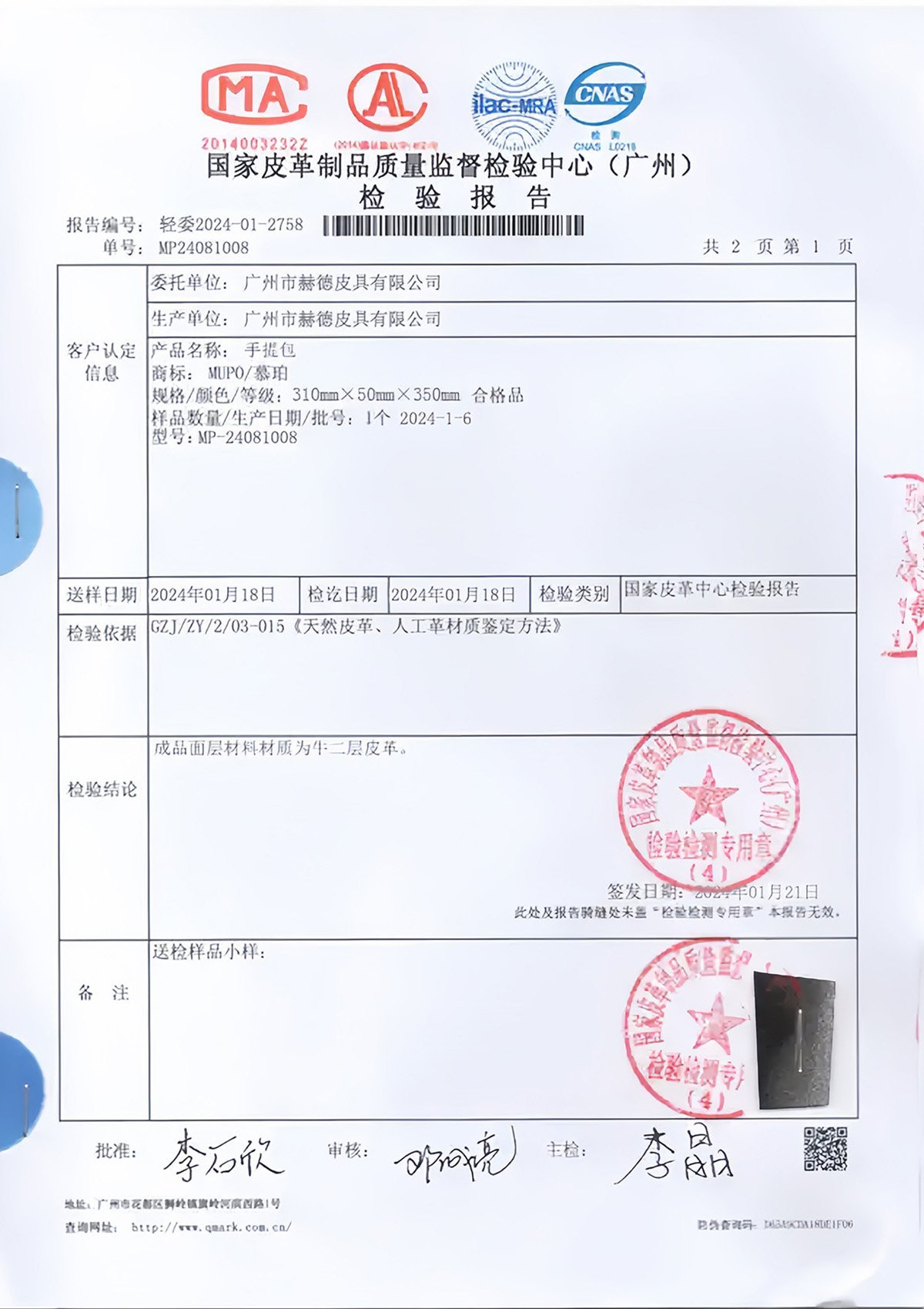
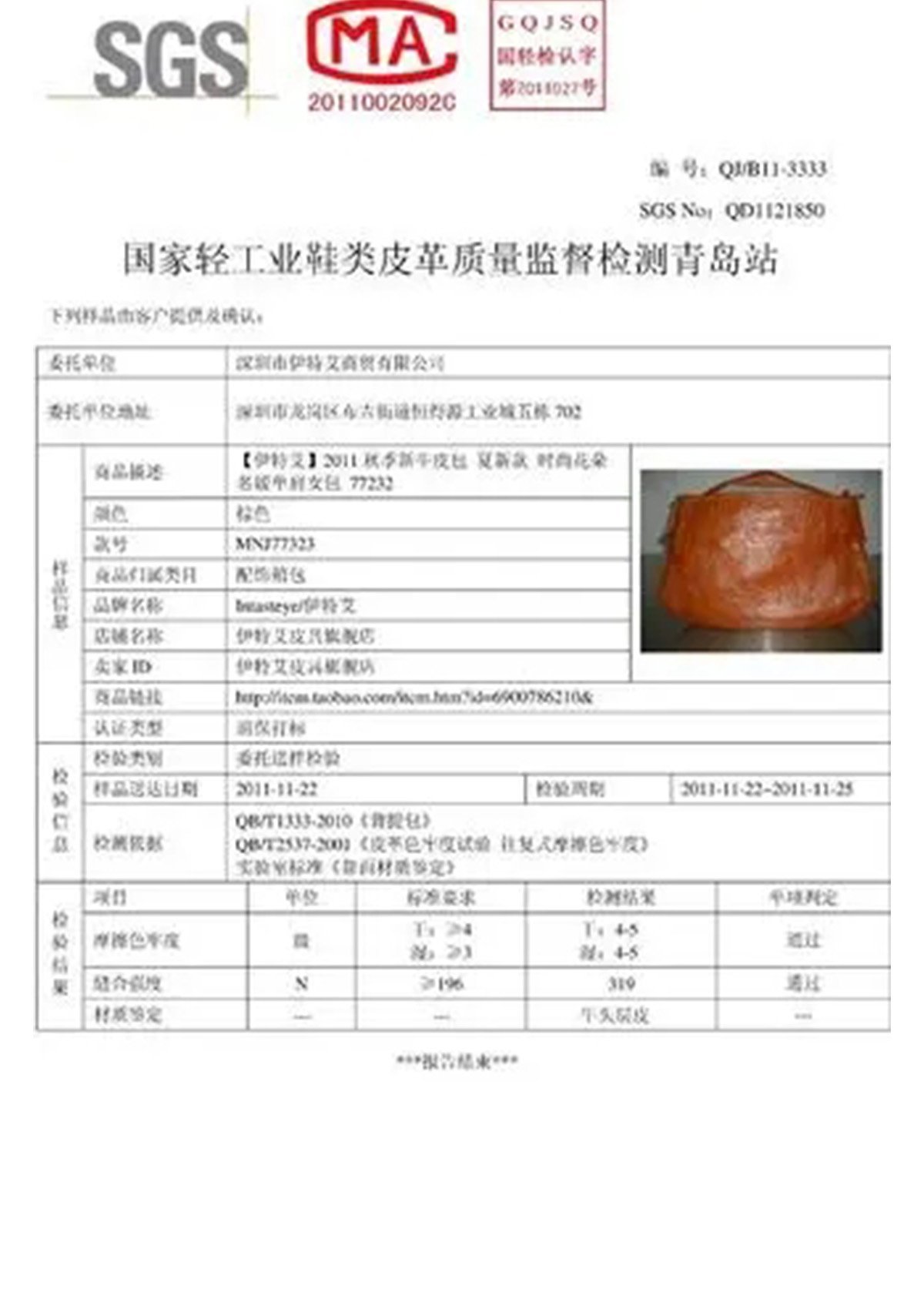
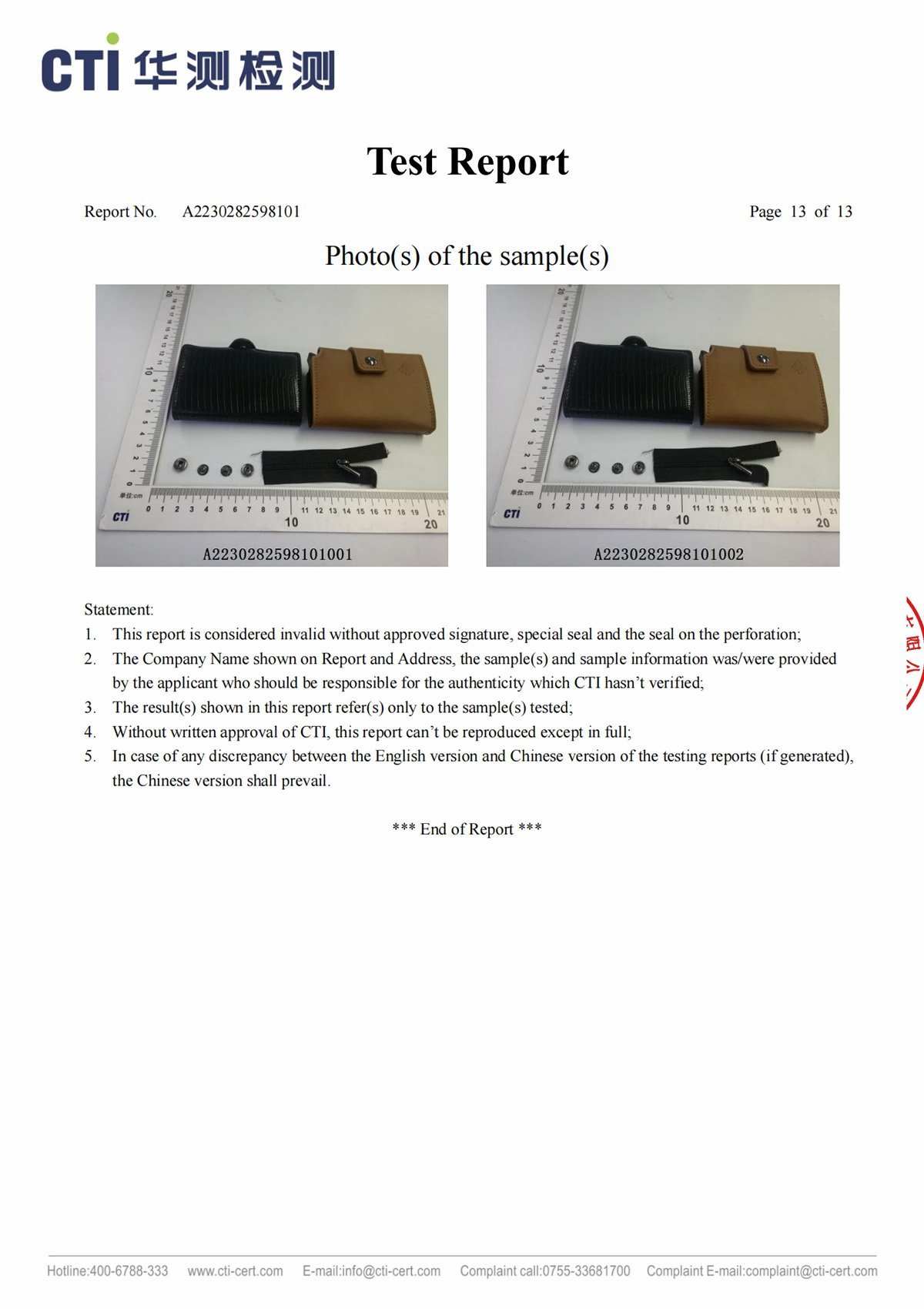
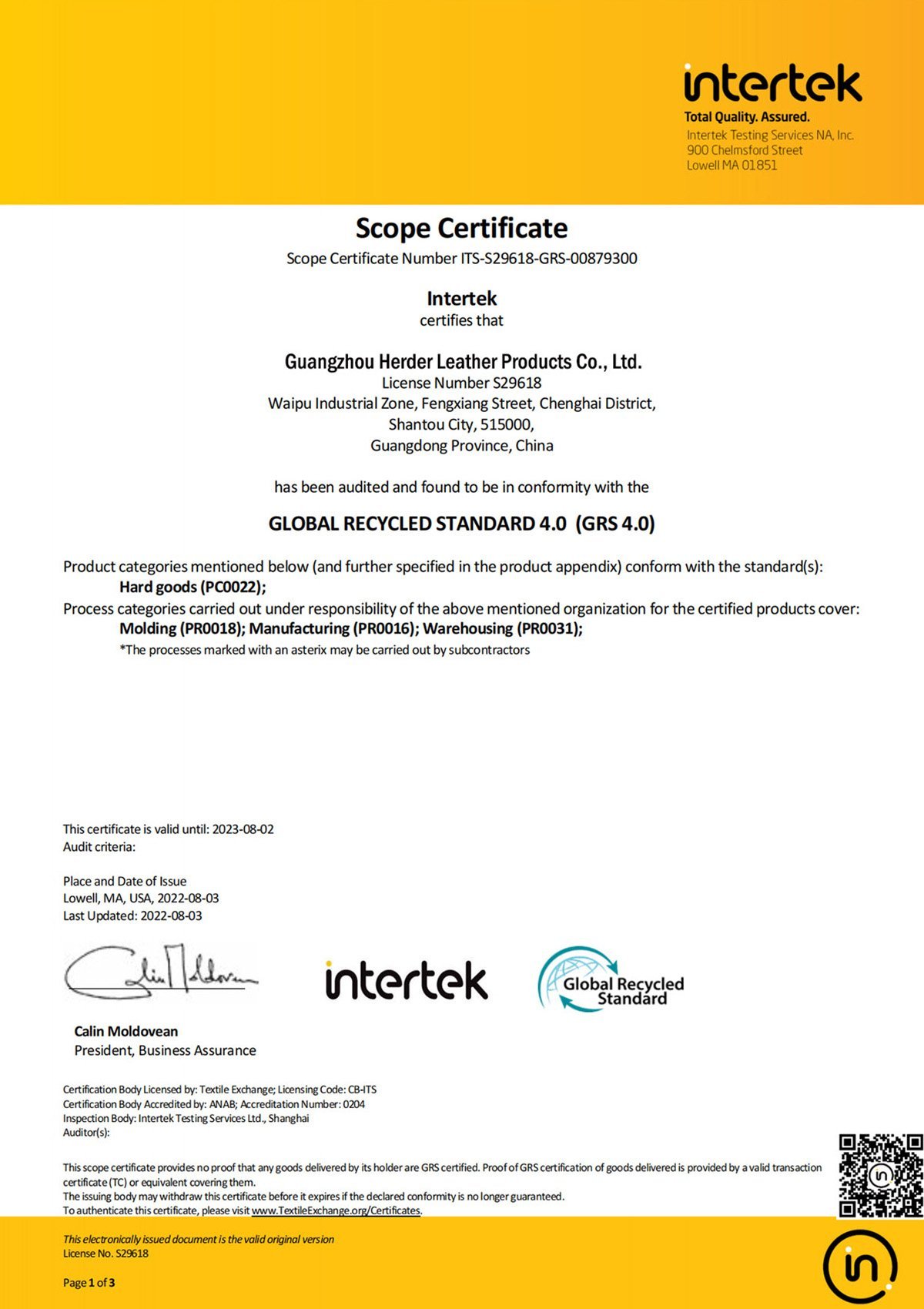
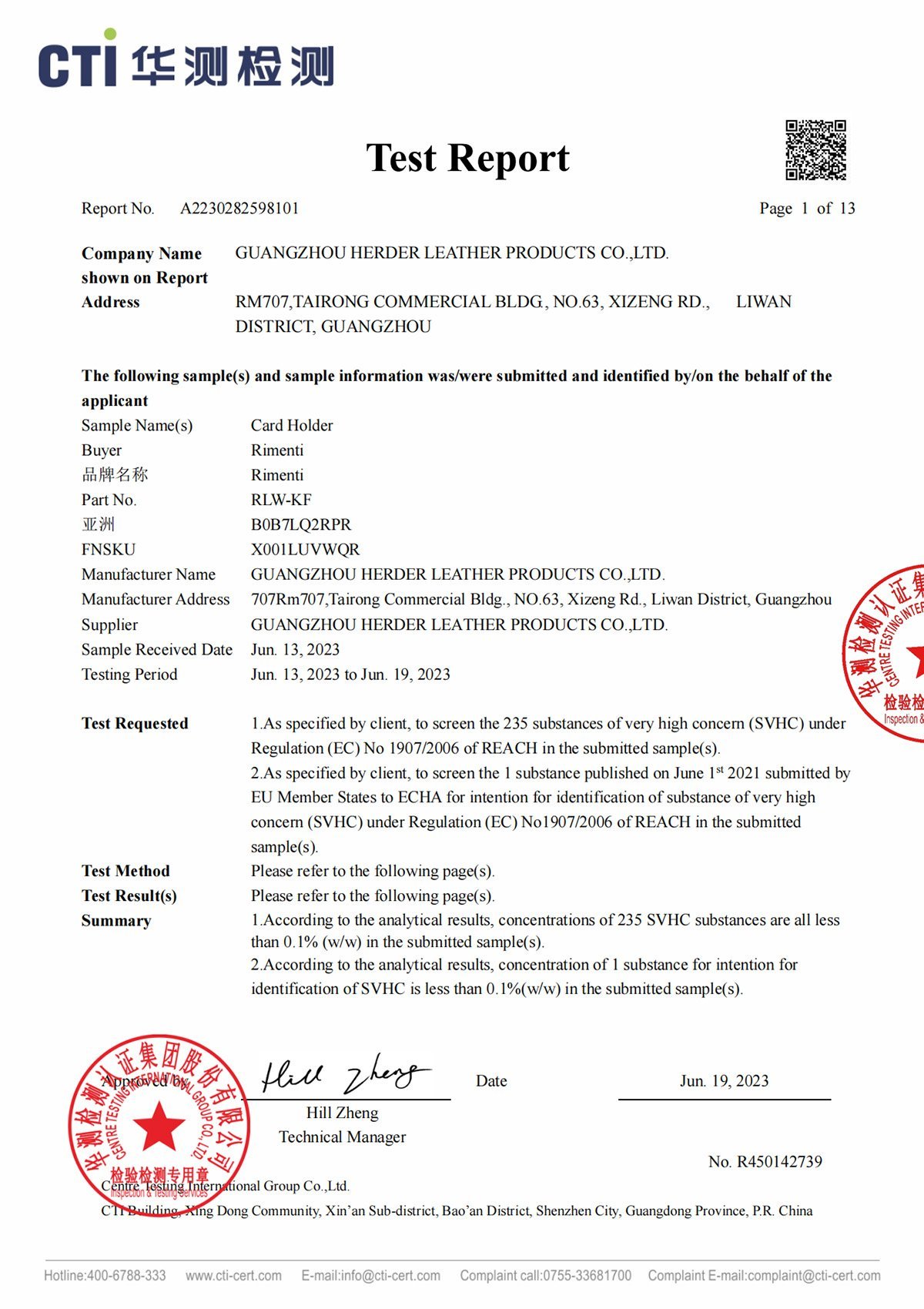
Our Certificate/Inspection Report
Recent Related Articles
How to Start Your Project