
Color Selection


Color Trends for Years Of 2026 and 2027
The color trends for 2026–2027 are defined by a dual focus on emotional expression and a return to nature. Key directions include soft pastels (such as lilac, misty blue, and mint green), nature-inspired tones (such as olive green, sand, and caramel brown), and rich deep shades (such as magenta, burgundy, and dark chocolate). These colors reflect not only evolving aesthetics, but also a stronger consumer demand for comfort, calmness, and long-term visual stability.
From a production and ordering perspective, color trends directly influence a brand’s sourcing strategy and inventory planning. Trend-driven colors are usually applied to small-batch trial orders, seasonal collections, or marketing-focused products, while core colors such as black, brown, and beige remain the foundation of mass production and stable sales.
In general, core colors typically account for 60–70% of total order volume, ensuring consistent sales performance, while trend colors help brands enhance visual identity and market differentiation, though they carry higher inventory risk.
Therefore, a balanced color strategy combines stable revenue from core colors with growth opportunities from trend colors, achieving both commercial security and brand freshness.

Customized Your Order With Pantone Color
We support custom fabric color development based on Pantone color codes, allowing brands to achieve precise and consistent color matching across production.
The MOQ varies depending on the selected material and specification, as different fabrics require different dyeing processes and production requirements.


Color Production Constraints (Engineering Control)
Color customization in leather goods is a controlled manufacturing process affected by material behavior and dye absorption. We apply strict engineering standards to ensure consistency across production.
Color deviation is controlled within ΔE 1.0–2.0, with inspection under D65 standard light. Natural leather may still vary due to raw hide origin, tanning process, and oil or wax absorption, so bulk leather swatch approval is required before production.
Each color requires 1 lab dip sample plus 1–2 rounds of correction, with an average development cycle of 7–12 days. No bulk production starts without final approval.
If deviation occurs after approval, re-dyeing may increase cost by 8–15%, and some materials cannot be corrected. Internal data shows ~85% first-pass approval rate, 10–15% rework rate, and <5% full re-dye cases.
This system ensures stable, scalable, and predictable color output in mass production.
Case Study: Seasonal Color Strategy for a U.S. Leather Brand
A U.S. leather goods brand specializing in tote, crossbody, and travel bags worked with us to optimize its color purchasing strategy. Each production cycle (3,000–5,000 pcs) was split into 70–80% core colors (black, brown, taupe) and 20–30% seasonal Pantone-based trend colors.
Before optimization, the brand faced lower sell-through (~65%) and higher seasonal overstock. After applying structured color planning, inventory turnover increased to 88%, seasonal color sales improved by 30%+, and reorder frequency increased from twice to three times per year.
The improvement was driven by Pantone color standardization, controlled dyeing batches, and aligning color selection with real sales data instead of design preference. This case shows that color strategy directly impacts inventory efficiency, cash flow, and overall product performance in leather goods manufacturing.

Why Custom Leather Goods with
Mherder China


One-Stop Solutions for Custom Leather Products
Professional Leather Goods Wholesaler in China
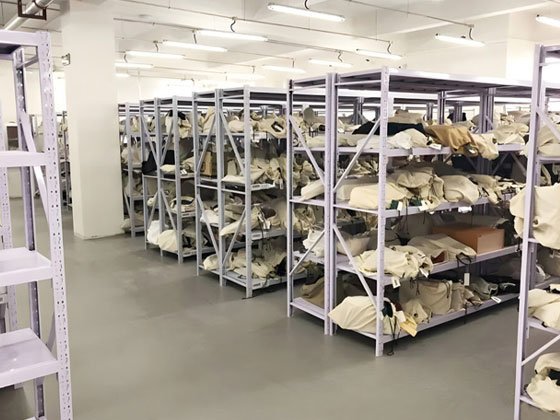
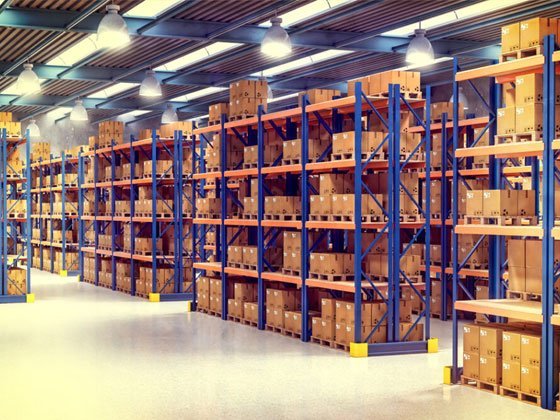
We have 5000+ Stock Inventory Designs available for your options. We offer lower MOQ, starting from 20 pieces per style for your market, which can greatly lower your inventory risk. In addition, our ready-to-ship leather bags can be delivered to you in 5-7 days after payment.
Still not know how to choose the right bag zippers? Contact our consultants for more information now.
What Are the Top 5 Best-Selling Colors for the US Leather Goods Market?
If you are planning your first leather goods order, you might be asking which colors will sell. I manage client orders at Guangzhou Herder Leather Products Co., Ltd., and I see this question every week. Most buyers want a safe answer, but the truth is more complex than a simple list.
The five most-ordered colors in our factory are black, dark brown, natural brown, cream, and olive green. However, they are not just aesthetics—they are strategic tools. While black and brown minimize financial risk, cream captivates seasonal demand, and olive drives brand differentiation. To maximize your sell-through, you must structure your first order based on inventory capacity and launch timing, not just a generic list.
Most clients do not order all five colors in their first batch. They pick two to three colors based on what their customers expect, when they plan to launch, and how much inventory risk they can handle. Let me break down how each color works in real client orders.

Leather Goods Color Strategy for Wholesale Buyers
If you are working with a leather goods manufacturer or planning your first production with a leather bag OEM factory in China, color selection is not just design—it is a sales and inventory strategy. Most wholesale leather bags USA buyers structure their orders based on risk control, seasonal demand, and brand positioning. In this guide, we break down how to choose custom leather bag colors that actually perform in real markets, not just look good in design concepts.
Why Do Black and Dark Brown Dominate First Orders in Wholesale Leather Bags?

Black and dark brown are foundational colors that reduce inventory risk. They fit corporate buyers, fashion brands, and gift companies. Most clients include at least one of these in their first order because they know these colors will move, even if sales are slower than expected.
Black works across all seasons and customer segments. Corporate gift buyers order black because it looks professional. Fashion brands order black because it pairs with everything. Amazon sellers order black because it has the highest search volume. The problem is that black creates no brand differentiation. If you order only black, you compete on price, not design.
Dark brown performs similarly but with slightly more warmth. It appeals to buyers who want classic style without looking too corporate, performing exceptionally well in autumn and winter when customers want earth tones.
The mistake I see is ordering only black and brown, which often makes a collection look boring. My advice is to start with one foundational color and add one to two strategic colors based on your brand angle. Many clients split their first order by allocating sixty percent to black, twenty percent to brown, and twenty percent to a seasonal or niche color. This structure protects against slow sales while testing customer response to less common options.
| Color | Primary Use Case | Seasonal Performance | Brand Positioning |
| Black | Universal safe choice | Year-round | Corporate, classic, minimal |
| Dark Brown | Warm classic alternative | Stronger in AW | Heritage, lifestyle, traditional |
Is Natural Brown a Year-Round Color in Custom Leather Bag Production?

Natural brown sits between dark brown and cream. It has more texture and variation than dark brown, which makes it popular with brands that emphasize craftsmanship. I see it in orders from clients who want to highlight leather quality without going too light.
Natural brown appeals to customers who appreciate visible leather grain and natural aging. It works year-round but performs best when your brand story emphasizes handcrafted details and material authenticity. Clients who target fashion-conscious buyers or leather enthusiasts choose this color to showcase product quality.
Because the leather grain is visible and develops a patina over time, the color is naturally less uniform. Some clients worry about shade variation between production batches, so I always recommend ordering samples first to confirm the tone matches your brand aesthetic.
| Factor | Choose Natural Brown If | Choose Dark Brown Instead If |
| Brand Story | Emphasizes craftsmanship | Focuses on functionality |
| Target Customer | Fashion-conscious, values patina | Prefers uniform appearance |
| Product Type | Small leather goods, bags | Briefcases, corporate gifts |
| Price Point | Mid-to-high range | Budget to mid-range |
Natural brown requires customer education. Your product descriptions should explain that color variation is a feature, not a defect. Clients who succeed with this color use lifestyle photography that shows the leather texture up close, positioning the product as an investment piece that improves with use.
Should You Include Cream in Wholesale Leather Bag Color Strategy?

Cream performs well in Spring/Summer collections for fashion-forward brands. It appeals to customers who prioritize style over practicality and understand that light-colored leather requires care. Most clients who order cream target women aged twenty-five to forty-five who buy seasonal accessories, not everyday work bags.
Cream orders spike between January and March when brands prepare for Spring/Summer launches. Clients choose it because it differentiates their collection from year-round black and brown dominance. However, cream generates more customer questions about care and maintenance. Brands need clear care instructions and realistic product photos that show the true color tone in natural light, rather than heavily edited studio lighting.
Small leather goods like wallets and cardholders sell well in cream because customers use them inside their bags, reducing visible wear. Tote bags and crossbody bags in cream appeal to fashion buyers but not daily commuters. I rarely see cream in briefcase or backpack orders because those products need to look professional after months of heavy use.
| Question | If Yes, Cream Works | If No, Choose Another Color |
| Is your launch timed for SS season? | Cream fits seasonal demand | Better for year-round colors |
| Does your brand target fashion buyers? | Cream supports brand positioning | Classic colors are safer |
| Can you handle higher return rates? | Cream requires customer education | Stick to low-maintenance colors |
| Do you have budget for lifestyle photography? | Cream needs strong visual storytelling | Simple product shots work with dark colors |
Some clients order cream as a limited edition or seasonal SKU, not a core color. This approach tests customer response without committing to year-round inventory. If the color sells well, they reorder it the following season. If it underperforms, they replace it with another seasonal option.
Real Order Case Study: Color Strategy Failure and Adjustment (US Market)
In 2025, we worked with a US Amazon leather goods seller, referred to as Client A, who initially focused heavily on aesthetic-driven color selection rather than sales data or production constraints. They placed a five hundred-piece first production order for a leather tote bag collection with a color split of forty percent cream, thirty percent black, twenty percent natural brown, and ten percent olive green.
At the product development stage, everything looked strong. The color palette matched their brand identity, and their product photos performed well in pre-launch ads. However, after launch, real sales behavior showed a very different pattern.
What Actually Happened in the Market
Within the first sixty days of sales, black sold steadily, natural brown performed moderately well, and olive green saw stable niche demand. However, cream showed the highest return rate. The issue was not a lack of demand, but a post-purchase dissatisfaction caused by an expectations mismatch.
We identified three core problems. The cream tone looked slightly warmer in real production than in studio photos, customers used the cream bags for daily commuting, which led to visible wear complaints, and returns increased due to color not as expected feedback. As a result, cream became the highest-return SKU in the entire collection despite being the most visually attractive product in marketing campaigns.
Factory-Level Adjustment We Made
After analyzing return data and customer feedback, we recommended a structural adjustment for the next production batch:
- Reduce Cream Allocation: Shifted from forty percent down to fifteen percent, repositioning cream as a seasonal or limited SKU only.
- Increase Core Colors: Black increased to forty-five percent and natural brown increased to thirty percent.
- Keep Olive as Testing SKU: Maintained at ten to fifteen percent for differentiation testing.
- Improve Color Accuracy Control: Adjusted dye batch standardization, added a pre-production color tolerance sample confirmation step, and implemented natural-light photography standards for product listings.
Result After Adjustment (Second Batch)
In the following reorder cycle three months later, the return rate dropped by approximately thirty-two percent. Overall customer satisfaction improved significantly, and inventory turnover became more stable. Cream shifted successfully from a core SKU to a seasonal marketing SKU. Most importantly, the client stopped treating color as purely a design decision and started treating it as a strategic inventory decision.
Beautiful colors do not always equal profitable colors. We always recommend using black or brown as financial stability colors, cream as a seasonal or campaign-driven color, and olive or niche tones only as controlled differentiation SKUs.
Does Olive Green Work in Wholesale Leather Bags USA Market?

Olive and forest green perform in Autumn/Winter collections as differentiation colors. They work for lifestyle brands, outdoor-inspired products, and customers who value understated style. Clients who succeed with olive use it to complement black or brown, not replace them.
Olive green fits a specific brand aesthetic, working well for heritage brands, minimalist designs, and products inspired by workwear or military style. It appeals to men aged thirty to fifty or women who prefer neutral tones over bright colors. It does not work well for corporate buyers or promotional product companies because it is too niche.
The key to olive is positioning it correctly. Clients who offer olive as an alternative to brown usually see better results, structuring their SKUs as core colors plus an olive option so customers can choose based on personal preference.
| Color | Customer Perception | Best Use Case | Seasonal Timing |
| Olive Green | Modern, understated | Lifestyle brands, casual bags | AW launch |
| Dark Brown | Classic, professional | All customer types | Year-round |
| Natural Brown | Crafted, authentic | Fashion-conscious buyers | Year-round |
Olive requires confident brand positioning and storytelling that connects the color to nature, durability, or timeless style. Avoid describing it as trendy because that suggests it will go out of style quickly. Because olive rarely outsells black or brown, I recommend limiting olive to ten to fifteen percent of your total order quantity to test the market without sitting on unsold inventory.
How to Structure Custom Leather Bag Colors for First Production Order
The most successful first orders combine two foundational colors with one to two season-specific or niche colors based on the target customer and brand story. This structure protects against slow sales while giving you enough variety to test customer preferences and build a recognizable brand aesthetic.
Start with your target customer. If you sell to corporate buyers or promotional companies, order only black and dark brown to minimize risk and focus on volume. If you sell to fashion buyers or online retail customers, add one seasonal or niche color to differentiate your brand.
Consider your launch timing. Spring/Summer launches benefit from cream or a light neutral, while Autumn/Winter launches pair better with olive or a warm earth tone. Seasonal colors perform better when they align with customer buying patterns.
Evaluate your MOQ constraints. If your factory requires five hundred units per color, you may need to limit your first order to two to three colors to meet minimum quantities. If you have flexibility with lower MOQs, you can test three to four colors in smaller batches.
| Brand Type | Core Colors | Seasonal/Niche Color | Order Split | Reasoning |
| Classic/Corporate | Black, Dark Brown | None | 50/50 | Minimize risk, focus on volume |
| Fashion/Lifestyle | Black, Natural Brown | Cream or Olive | 40/40/20 | Balance safety with differentiation |
| Trend-Forward | Black | Cream, Olive | 50/25/25 | Strong brand positioning, higher risk |
I also recommend planning your second order before placing your first. Decide early whether your next order will add seasonal colors, test a bold accent color, or expand into different product categories. This long-term thinking prevents reactive decisions based on short-term sales patterns. Use competitor research to identify market gaps rather than replication.
What Is the Right Color Strategy for Your Brand?
The five most-ordered colors are not a universal formula. They represent different strategic functions: risk reduction, seasonal alignment, and brand differentiation. Your job is to choose colors that match your brand positioning, target customer, and inventory capacity.
Most successful brands start with two to three colors and expand based on customer response. They treat their first order as a test, tracking which colors sell fastest, which generate the most repeat purchases, and which support their brand story. Then they adjust their color mix in future orders based on real sales data, not generic advice.
Focus on one foundational color and one strategic color for your first batch. This structure gives you enough variety to test the market without overcommitting to inventory that might not move. Use your subsequent orders to refine your color strategy based on what your customers actually buy.
Stop Guessing Colors. Start Designing for Sales.
Choosing leather colors directly impacts your sell-through rate, return rate, and inventory risk. Most first-time brands lose money because they over-order beautiful but risky colors, under-order safe core colors like black and brown, misjudge seasonal demand, or copy competitors instead of building a real color strategy.
At Mherder, we help global brands move from guess-based ordering to data-driven color planning.
What We Help You Do Before Production
We don’t just manufacture your bags—we help you structure your color strategy:
- Recommend best-selling colors based on your target market
- Define core versus seasonal versus differentiation colors
- Optimize color ratio for your first production order
- Reduce return risk caused by color mismatch
- Align color selection with your brand positioning and price range
Real Support We Provide
When you work with us, you can request:
- Physical leather color swatches for pre-production confirmation
- Color mix suggestions based on US and EU market behavior
- Sample testing before bulk production
- MOQ planning per color to reduce inventory risk
- Guidance on how to present colors for e-commerce platforms like Amazon and Shopify
Recommended for:
- First-time leather goods brands
- Amazon and Shopify sellers
- Fashion startups building private label collections
- Wholesale buyers planning seasonal collections
- Brands struggling with inventory or return issues
Get Your Custom Color Recommendation
If you are planning your next leather goods collection, we can help you design a profitable color mix before you place production. Send us your product type, target market, and brand positioning. We will suggest a recommended color strategy and MOQ structure for your first order.
Contact the Mherder Factory Team to start with a smarter color strategy, not just a sample.
Conclusion
The top five colors serve different purposes—black and brown minimize risk, cream targets seasonal demand, and olive differentiates your brand. Choose based on your positioning and customer data, rather than relying on a generic list.
Frequently Asked Questions
Black is consistently the leading color on Amazon because it carries the highest search volume, lowest investment risk, and universal customer acceptance. It provides the financial stability a new storefront needs while testing other options.
Yes. Lighter colors like cream generally see a thirty-two percent higher return rate due to post-purchase wear and tone mismatches between studio lighting and real-world conditions. Darker tones like black and dark brown maintain the lowest return rates.
Olive green functions as a controlled differentiation color rather than a volume driver. It performs best in autumn and winter collections for lifestyle or heritage brands, and should be limited to ten to fifteen percent of your total order to test market response safely.
Spreading your budget across too many colors inflates minimum order quantity pressure, fragments your capital, and creates slow-moving inventory. It also reduces factory production efficiency, which drives up your manufacturing cost per unit.
Cream leather is a seasonal, fashion-forward choice rather than an everyday utility option. It requires clear consumer education regarding maintenance because light-colored premium leather naturally shows dirt, dye transfer from denim, and surface scratches more easily.
In most cases, Pantone color customization itself does not require an extra fee. It is part of the standard OEM production process.
However, the final cost may vary depending on production conditions such as material type, dyeing method, and order quantity.
For example:
- Standard leather and PU materials: color matching is included in production cost
- Special finishes (e.g., vintage effects, multi-layer dyeing, or washed textures): may affect material processing cost
- Small trial orders may have higher unit cost due to setup efficiency, not color itself
In summary, color customization is not a separate charge, but production complexity and scale can influence overall pricing.
MOQ varies based on material and production process:
Genuine leather bags: 100-200 pcs per color/style
PU / vegan leather: 300-1000 pcs per color/style
Special dyed or custom-treated leather: may require higher MOQ due to dye batch setup
Pantone color matching is available for all orders, but production efficiency improves significantly at standard MOQ levels.
Color mismatch risk exists because leather is a natural material with batch variation in texture, oil content, and absorption rate.
To minimize risk, we apply:
Lab dip approval before bulk production
ΔE color deviation control standards
Same-dye-lot production batching
Pre-production leather swatch confirmation
With proper approval workflow, bulk production color consistency can be controlled within industry tolerance standards (ΔE 1.0–2.0).

Elevate Your Brand with Mherder
Take your brand to the next level with Mherder, Guangzhou’s trusted leader in premium leather bag manufacturing. Perfect for importers, brand owners, Amazon sellers, retailers, and wholesalers, we provide free designs and customization services to bring your vision to life. With a catalog of over 5000 styles, we offer everything from leather bags to accessories, all crafted with exceptional quality.
Download your free market report and competitive analysis now to gain insights and stay ahead in the industry!
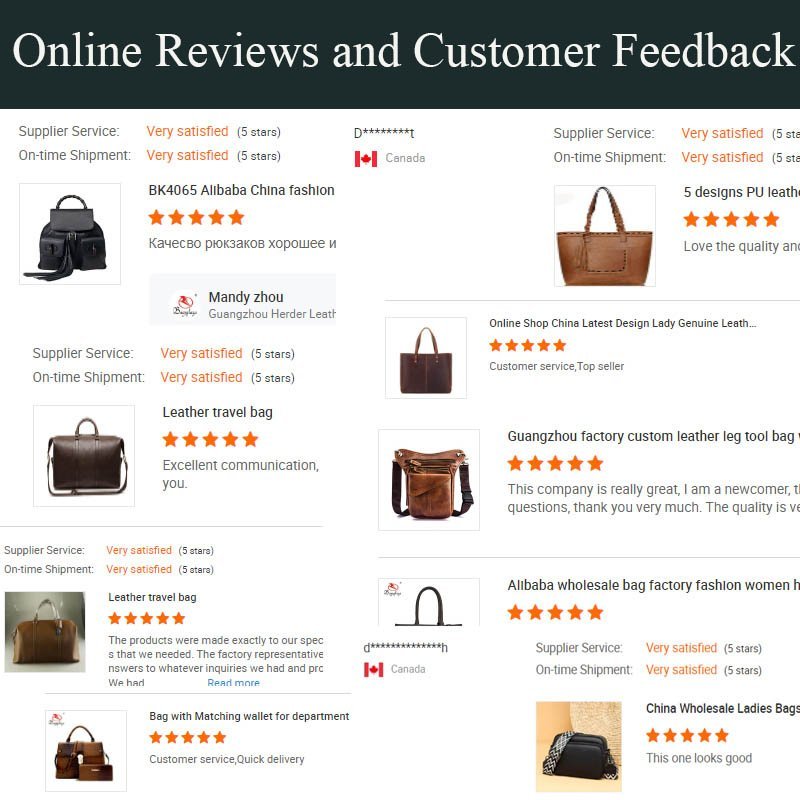
Customer Testimonials
Our company collaborated with Mandy to customize a batch of leather tote bags, and we are thoroughly satisfied with the overall quality. The leather is soft yet durable, and the craftsmanship is impeccable, fully meeting our brand standards. The customization process was smooth, with clear communication and a professional, efficient team. Orders were delivered on time, making Herder company a reliable partner for long-term collaboration.
 Emily RobertsBrand Manager
As a retail business, we needed unique designs for our leather tote bags to enhance our brand image. Herder company offered a wide range of customization options, including colors, styles, and logo emboss, effectively meeting our requirements.
 Michael ThompsonCEO
Among numerous suppliers, we chose Herder for large-scale customization due to their reasonable pricing and consistent quality. The leather material is top-notch, and the attention to detail is precise with no defects. Throughout our partnership, Elva was responsive and handled orders efficiently, significantly improving our supply chain efficiency.
 Olivia HarrisProduct Development Lead
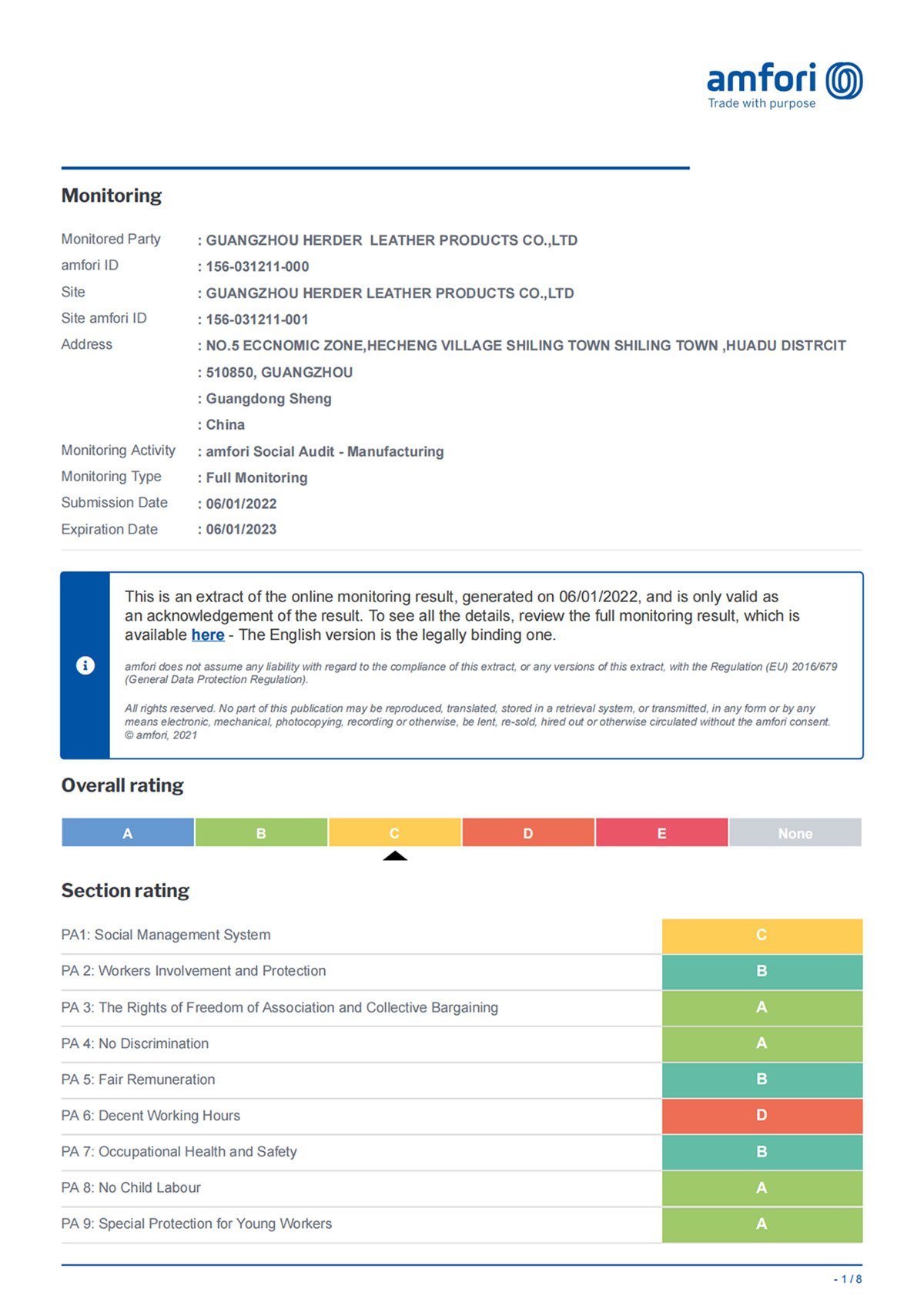
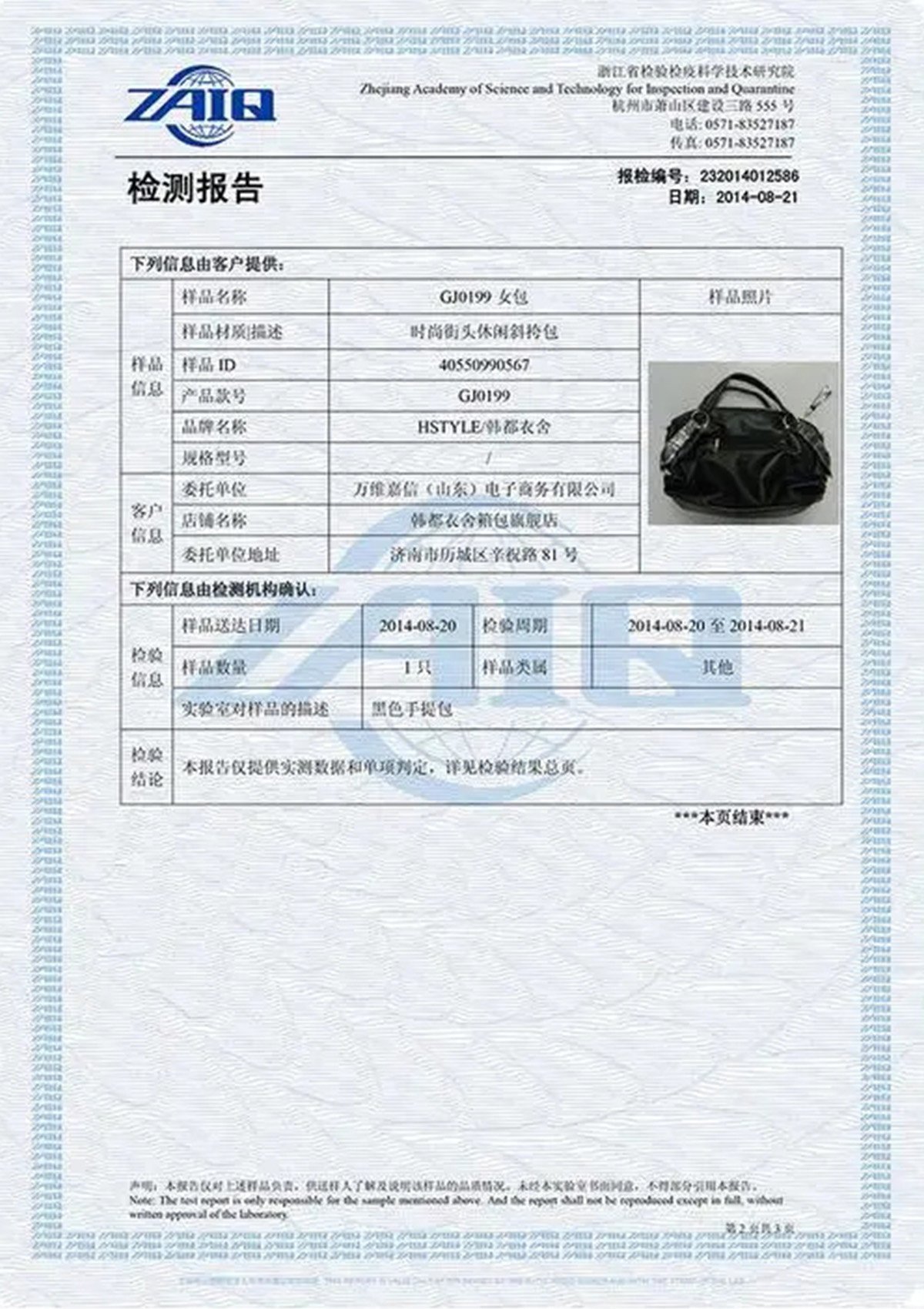
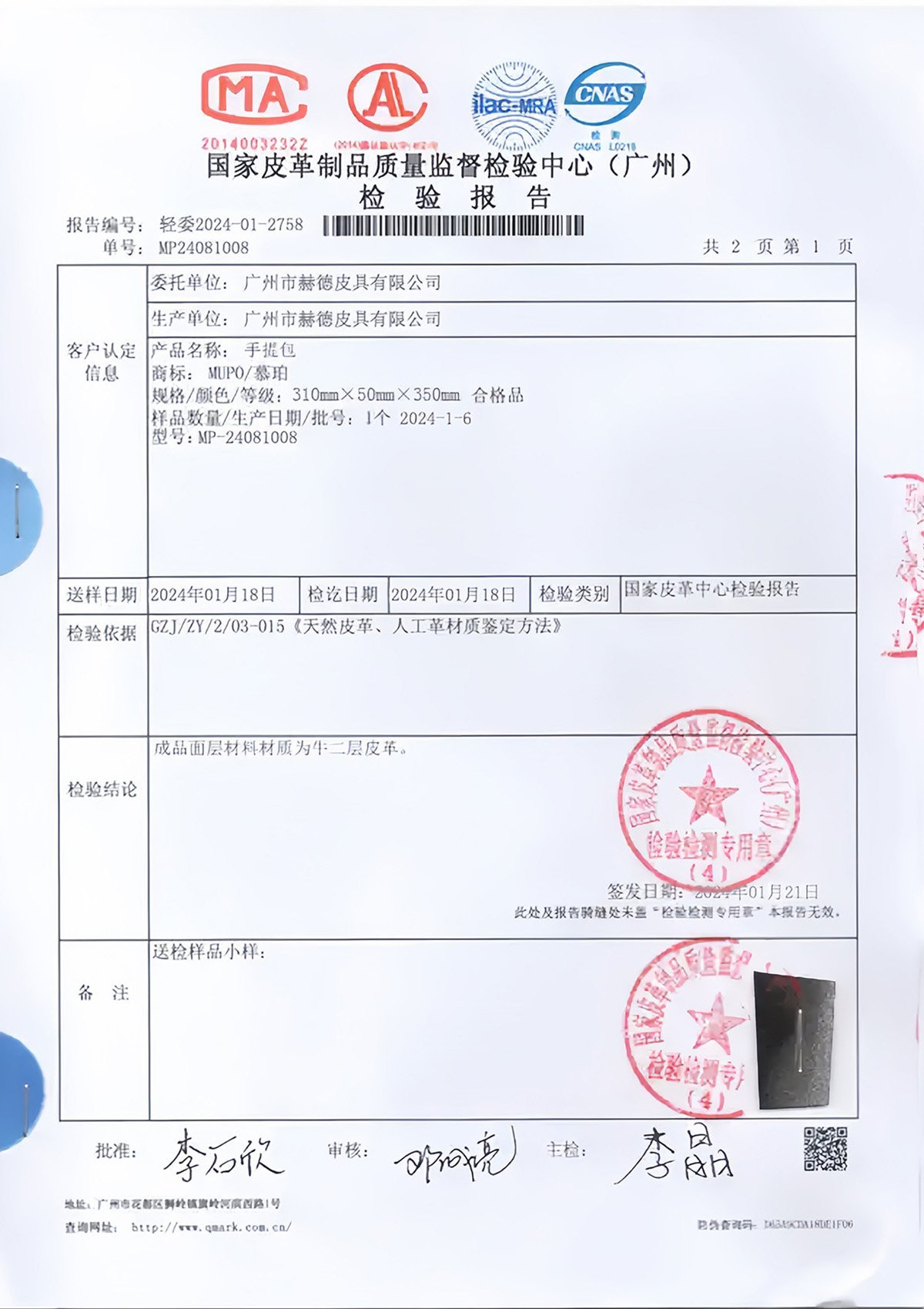
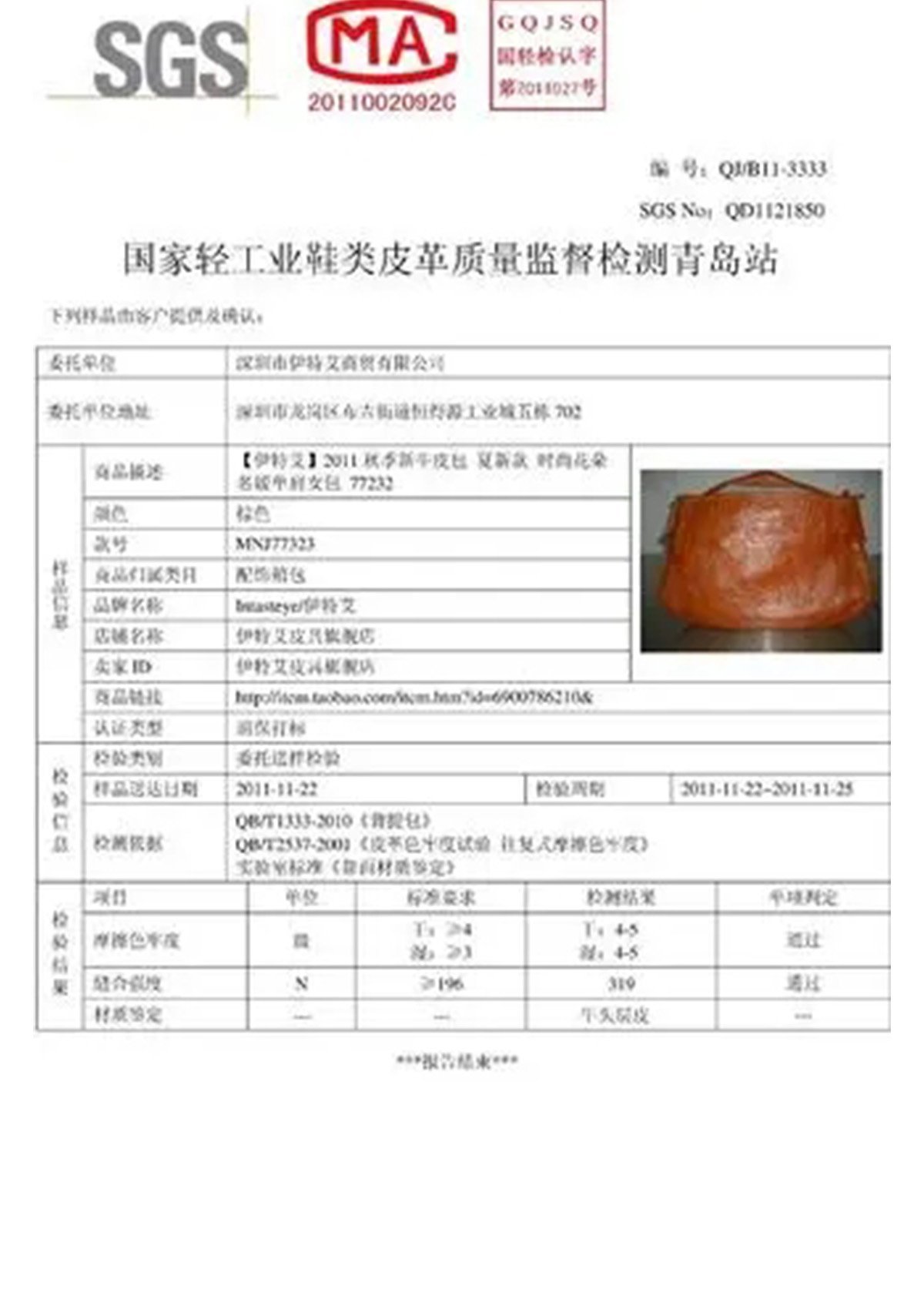
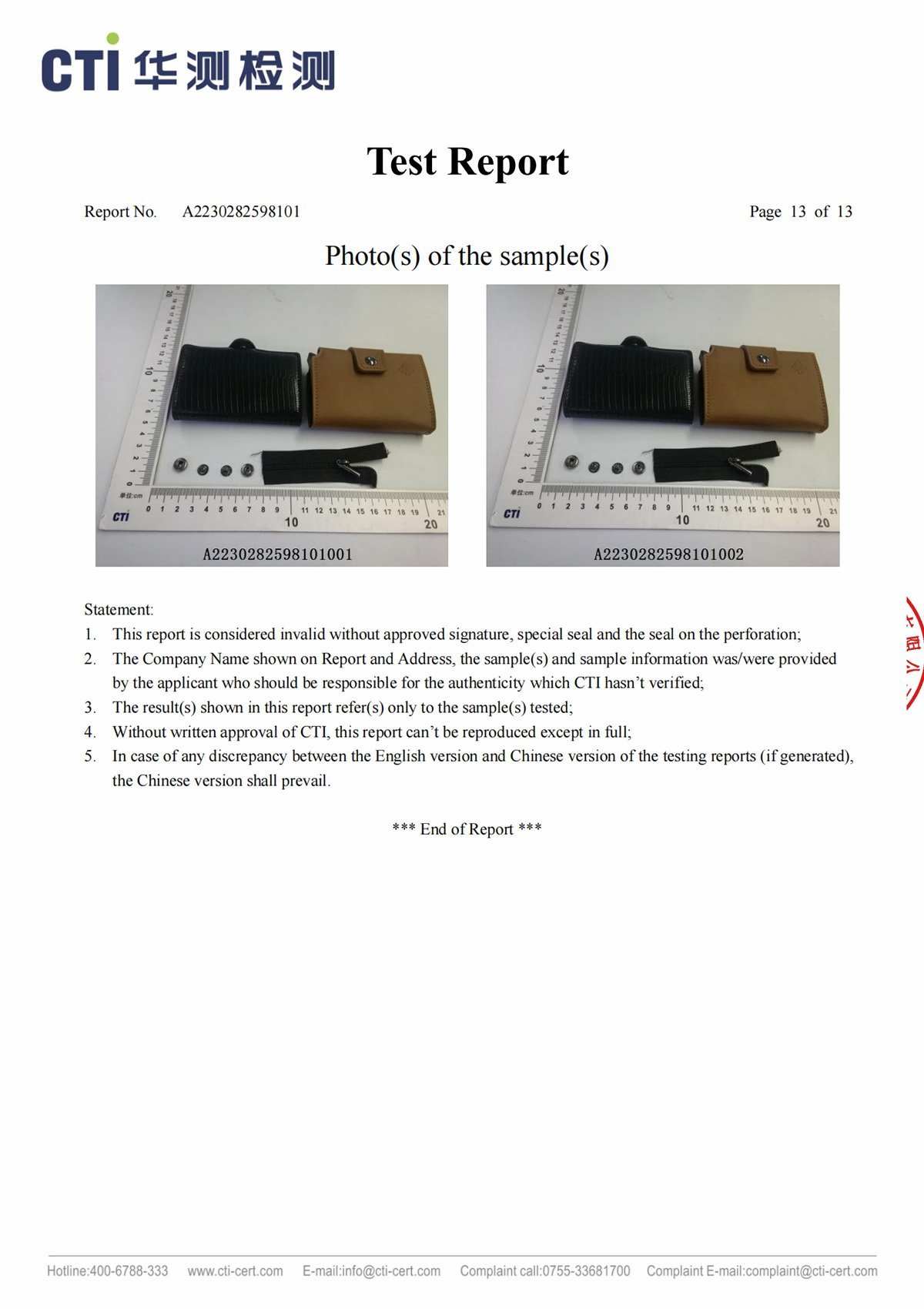
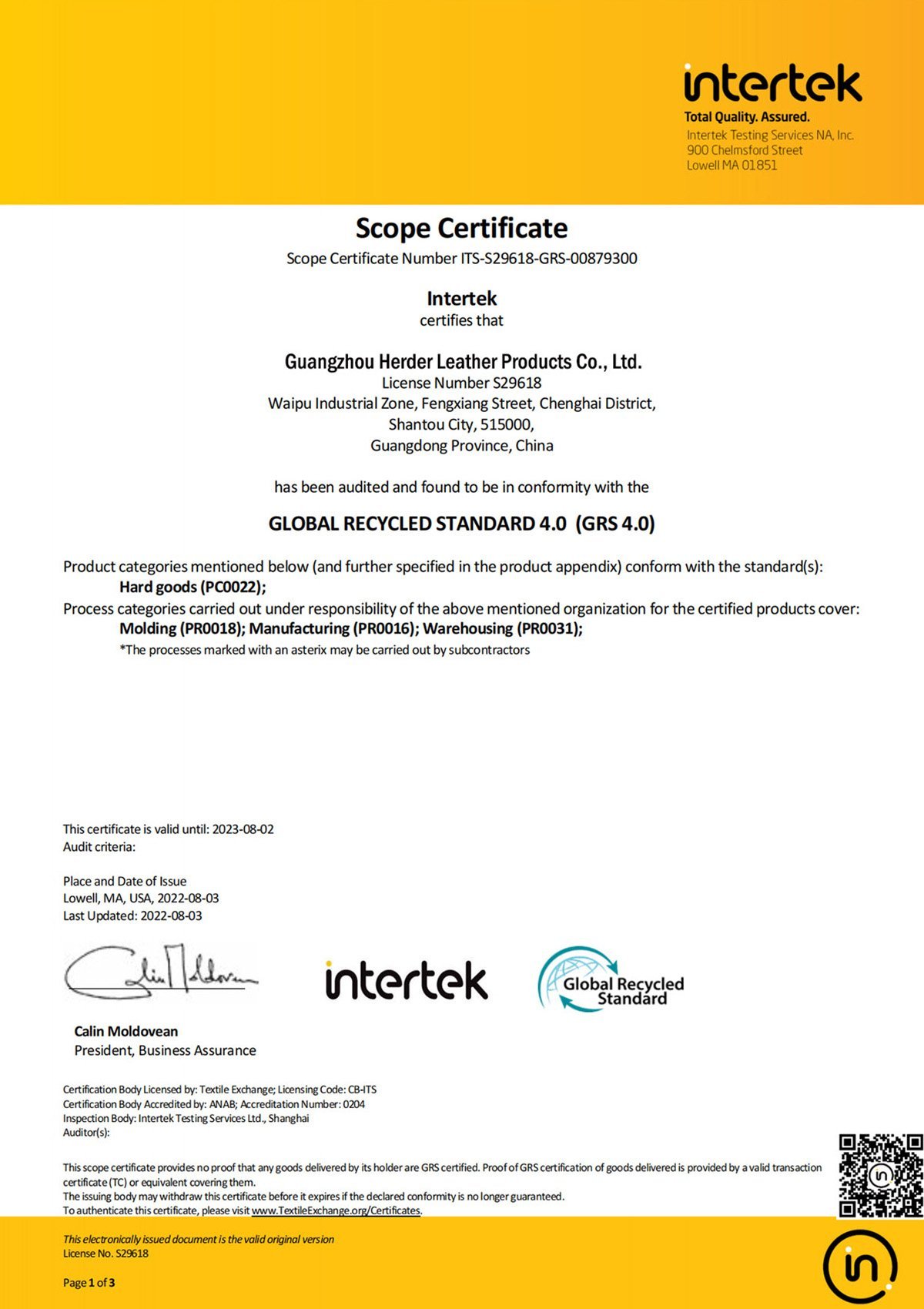
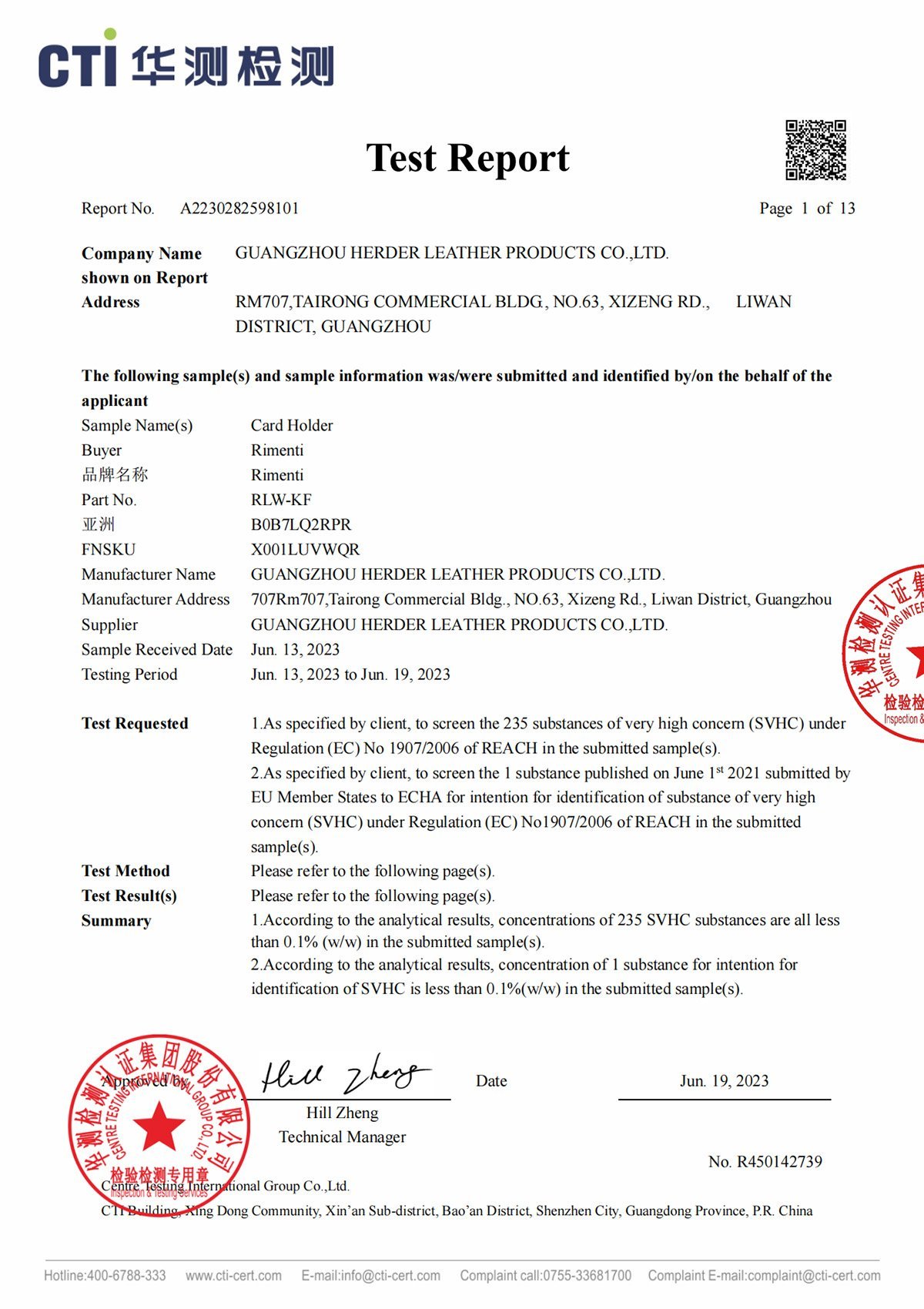
Our Certificate/Inspection Report
Recent Related Articles
How to Start Your Project