Wallet Design & OEM Development Solutions
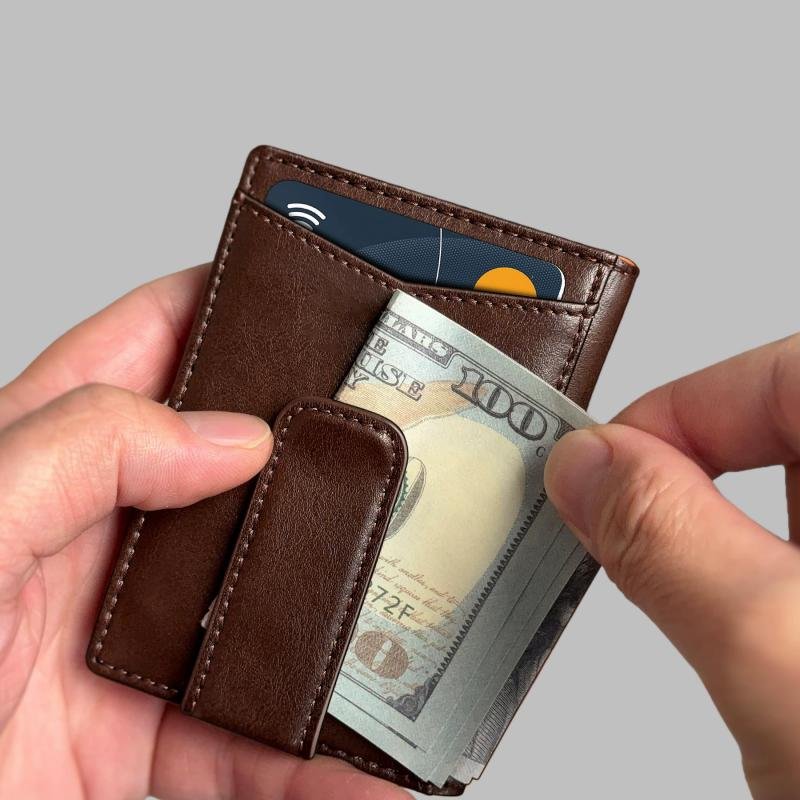
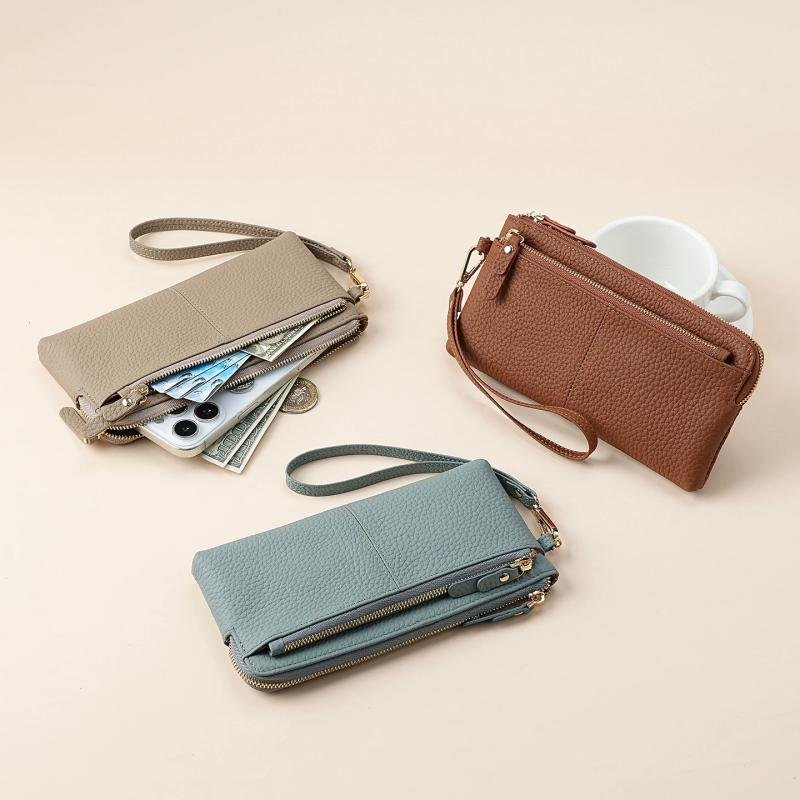
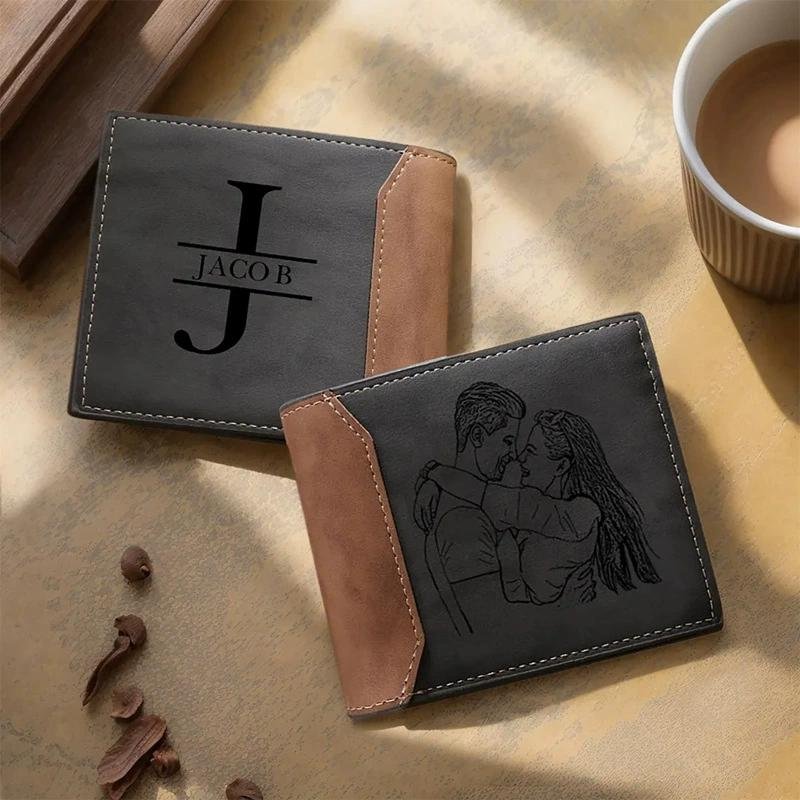
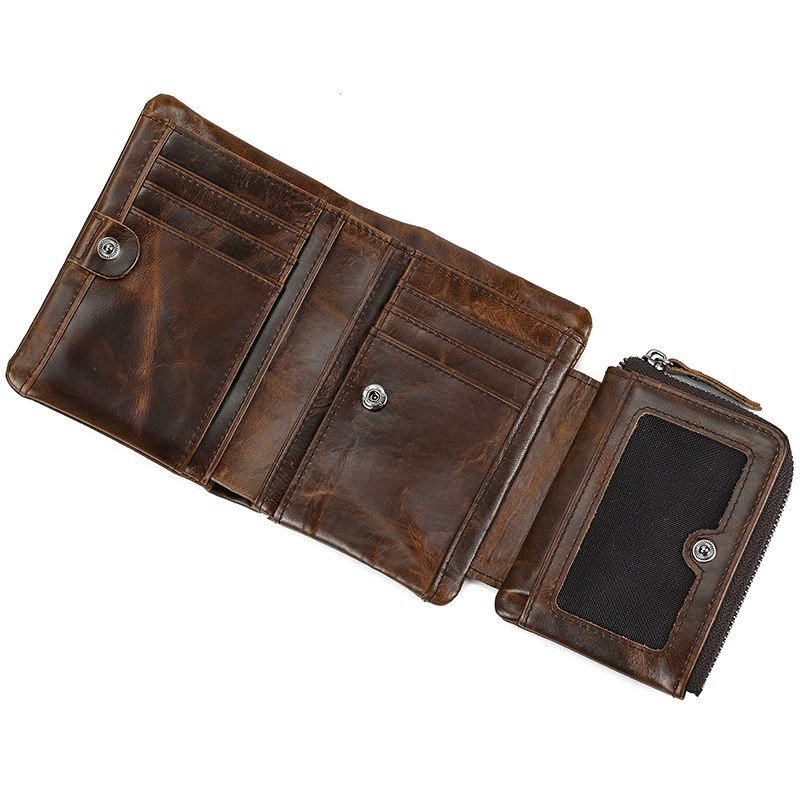
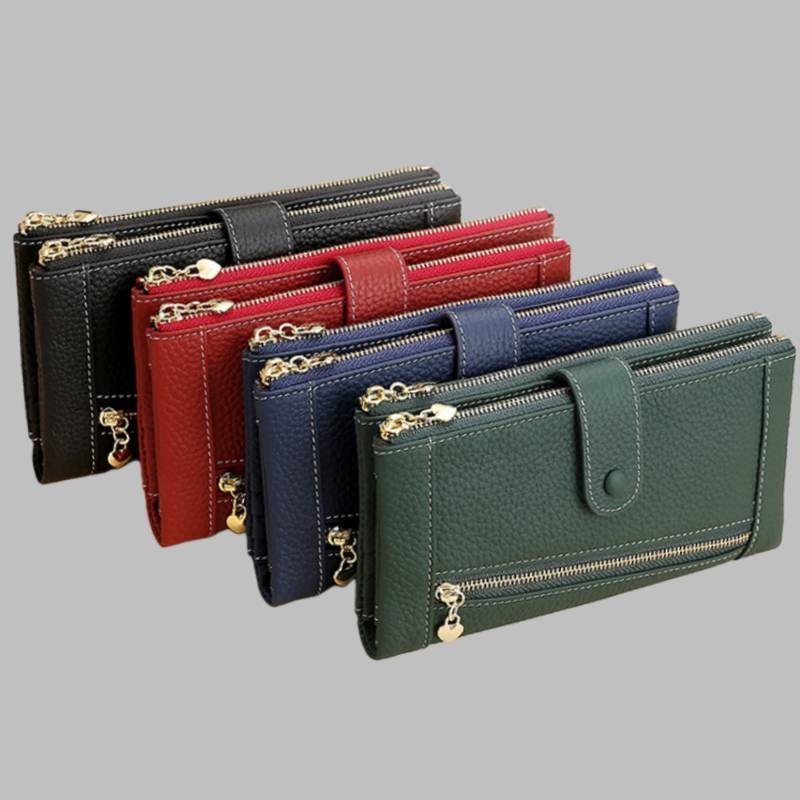
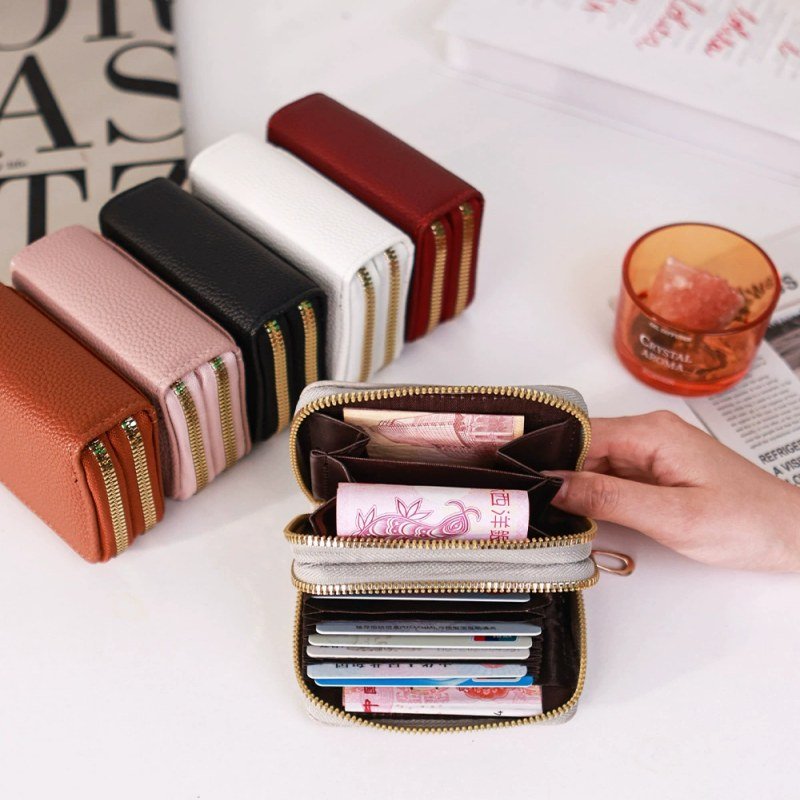
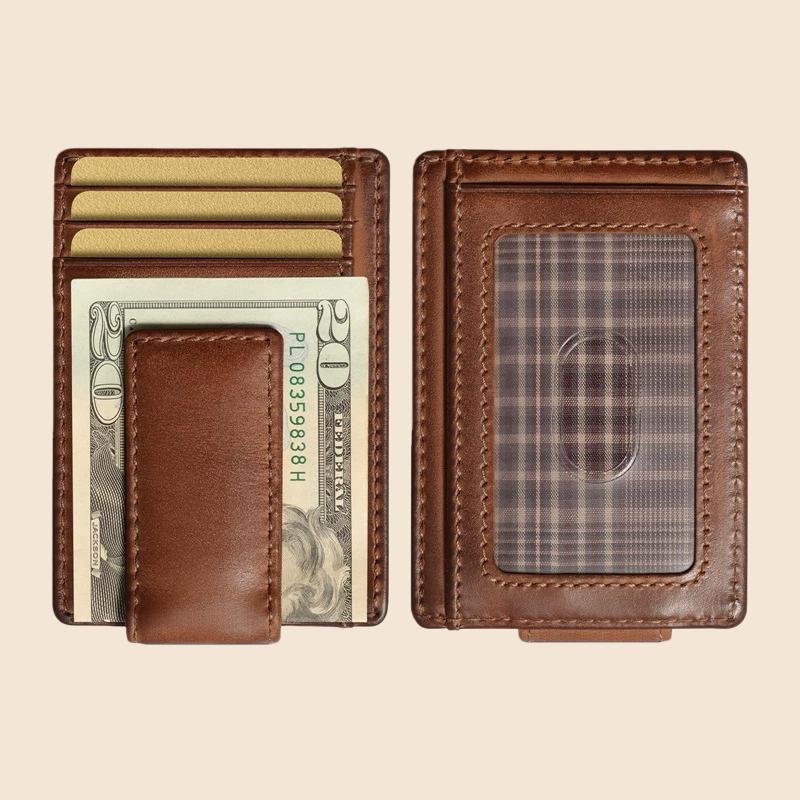
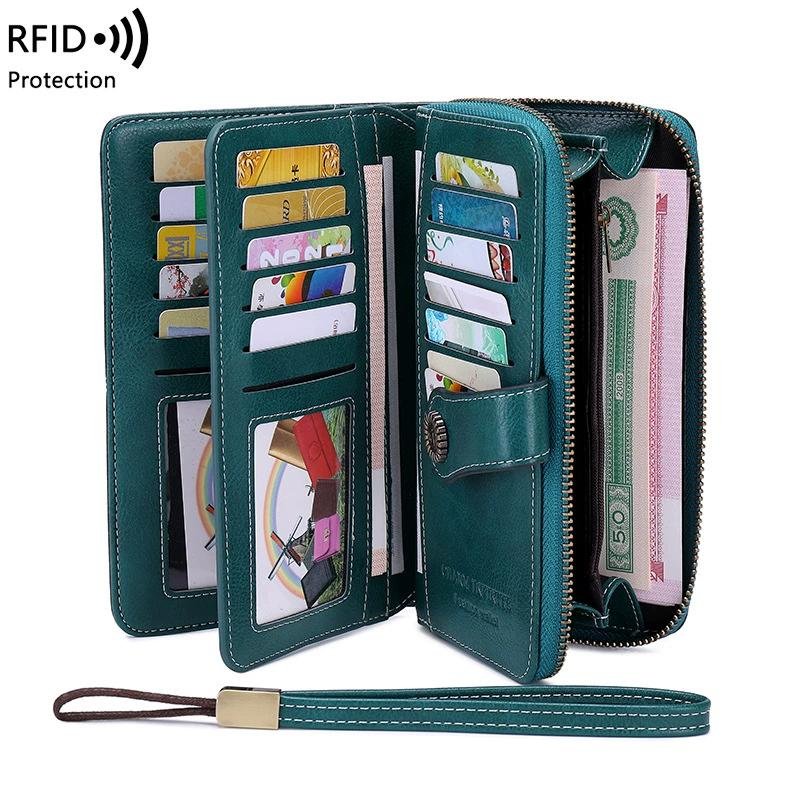
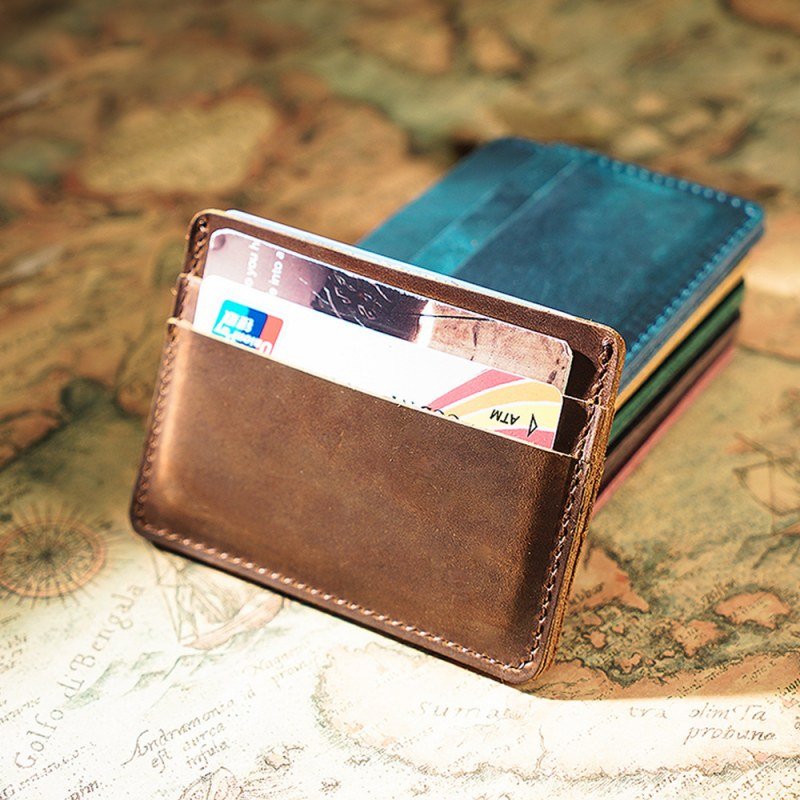
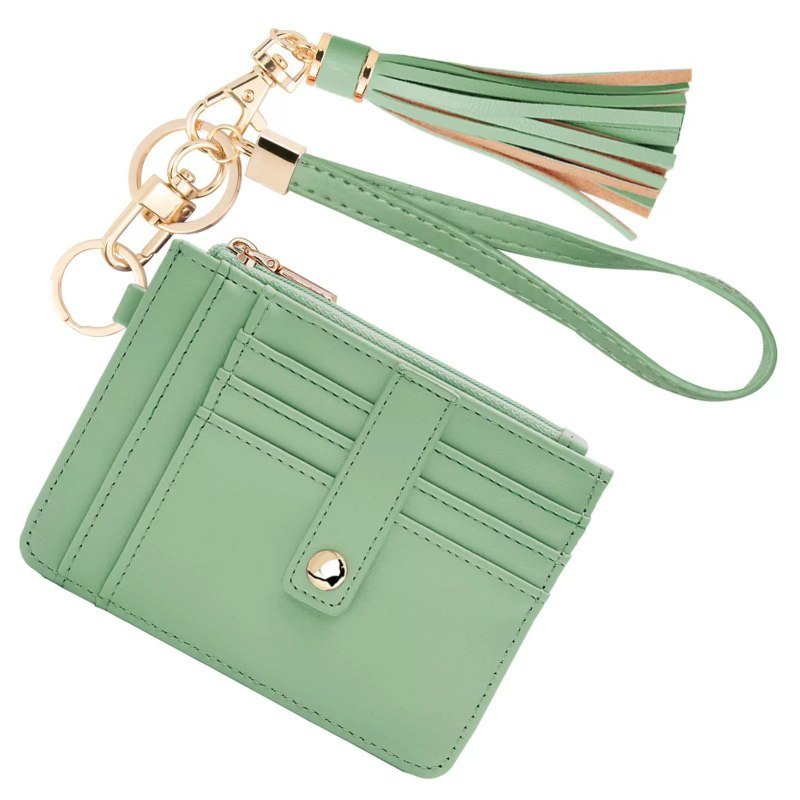
Key Features and Advantages
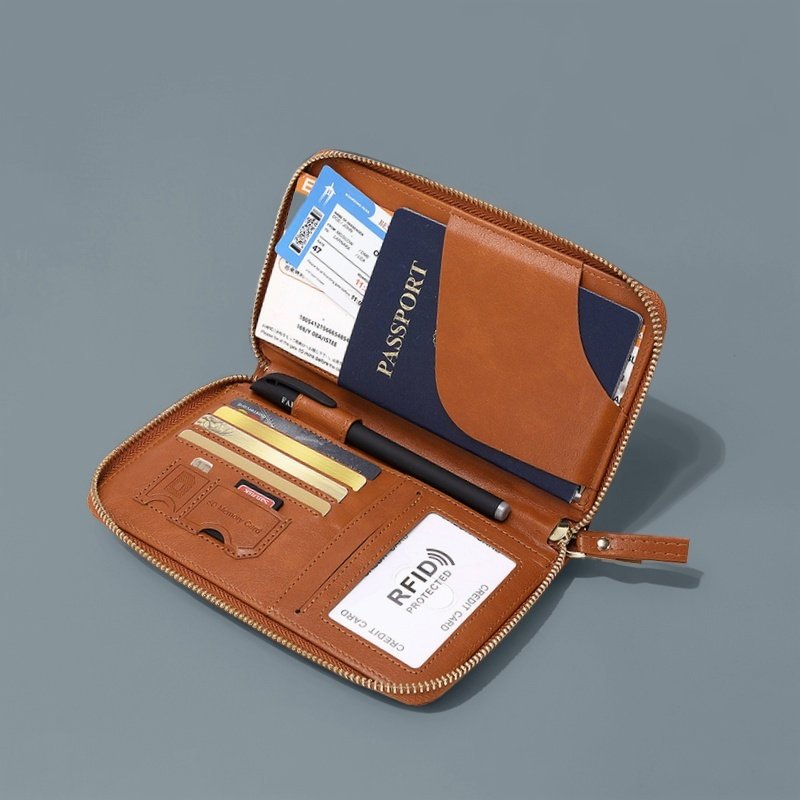
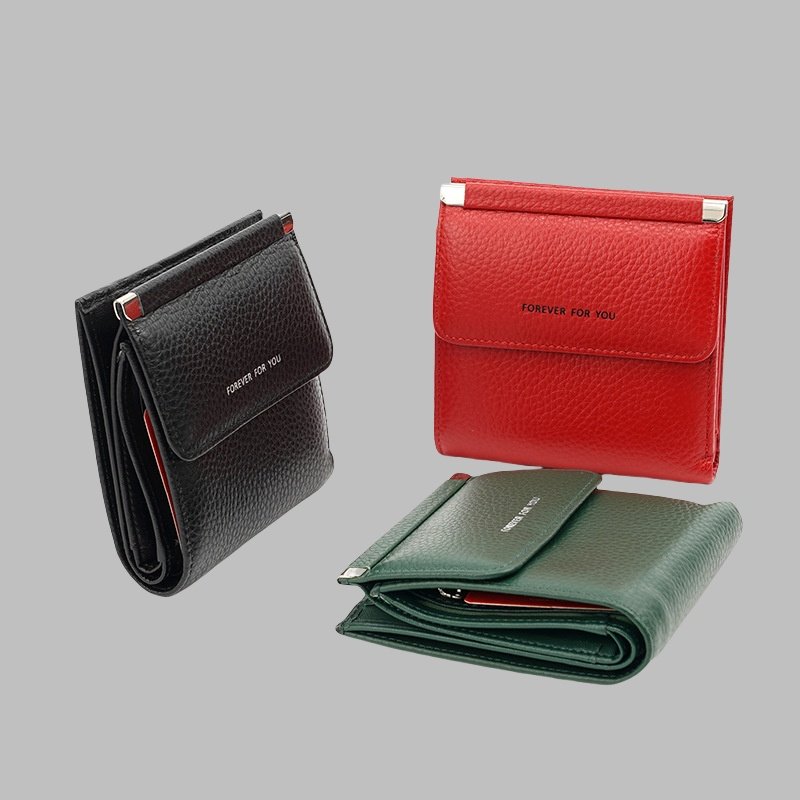
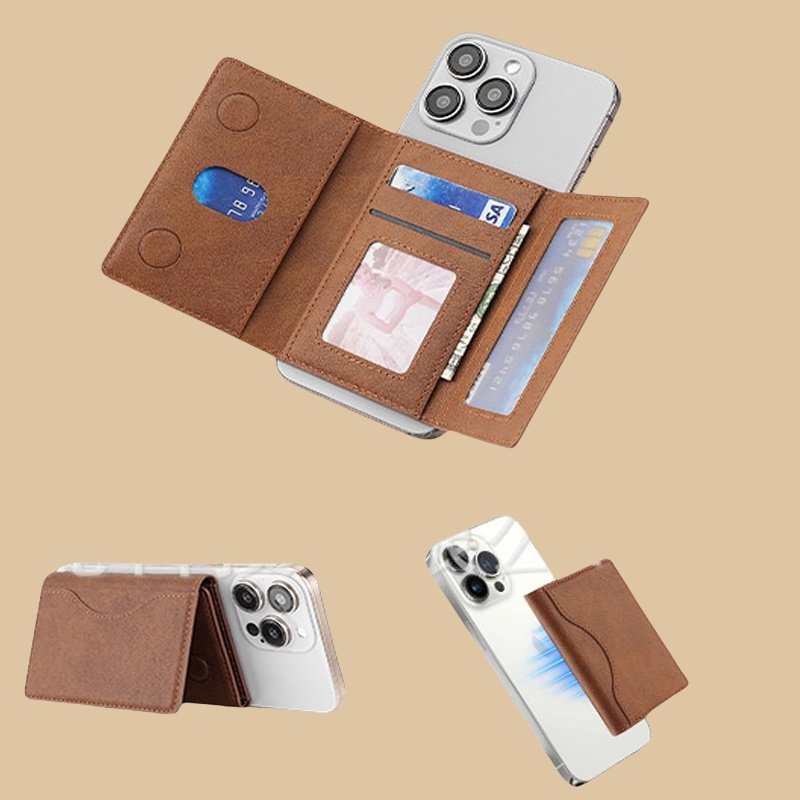
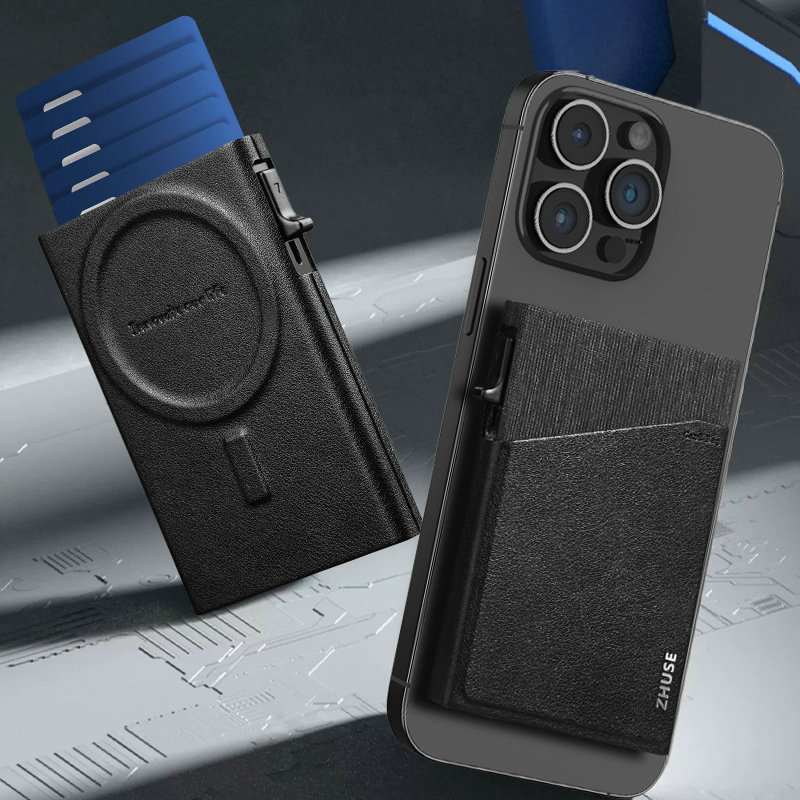
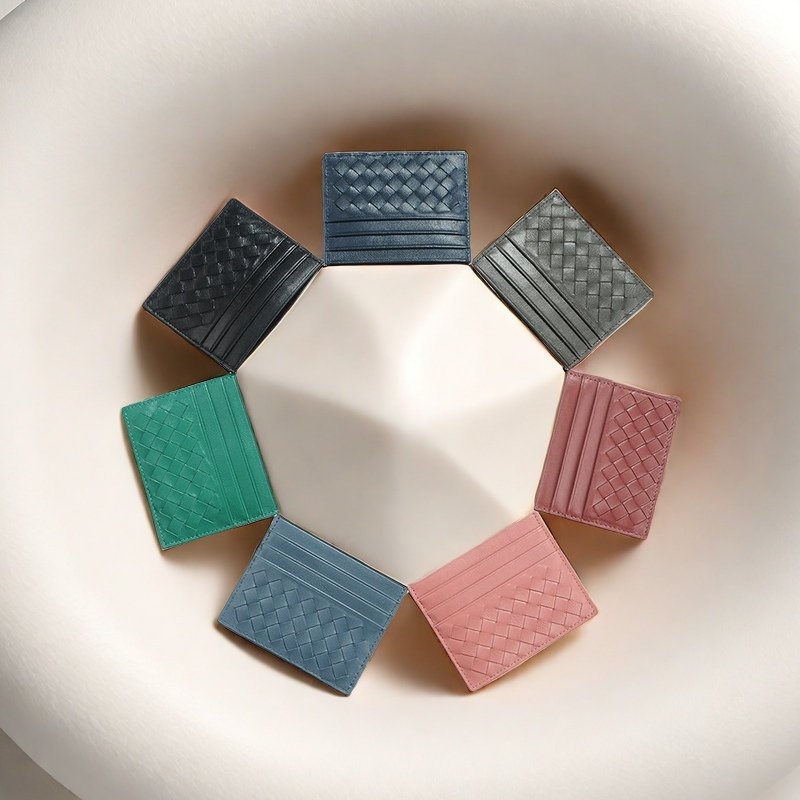
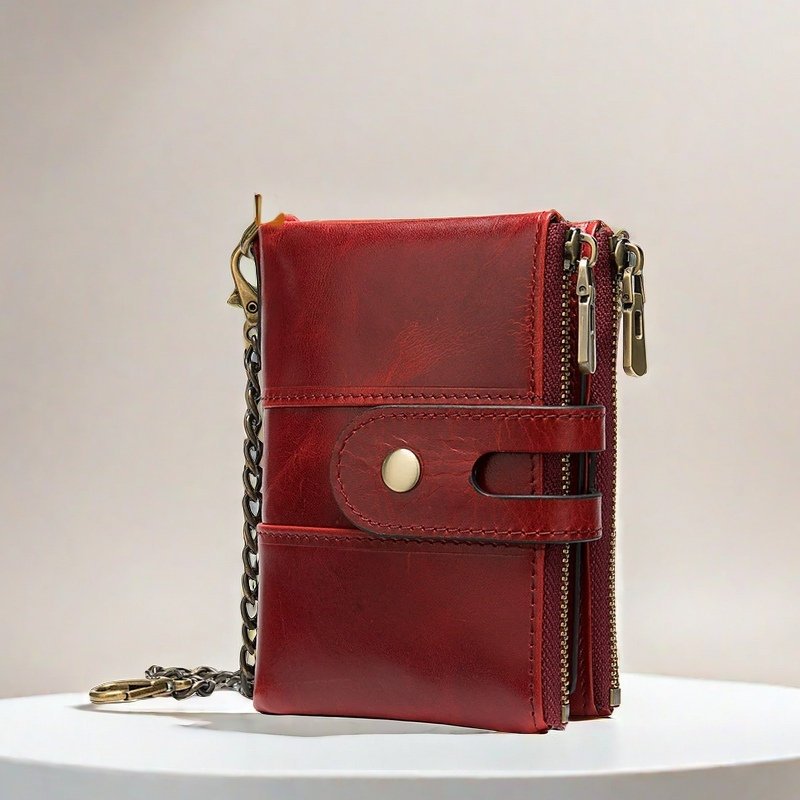
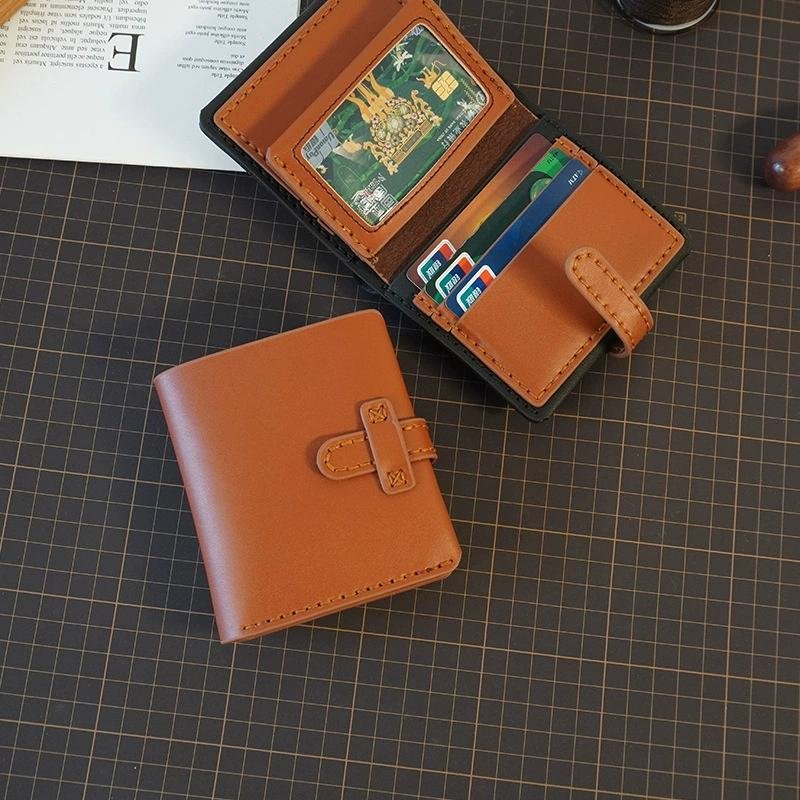
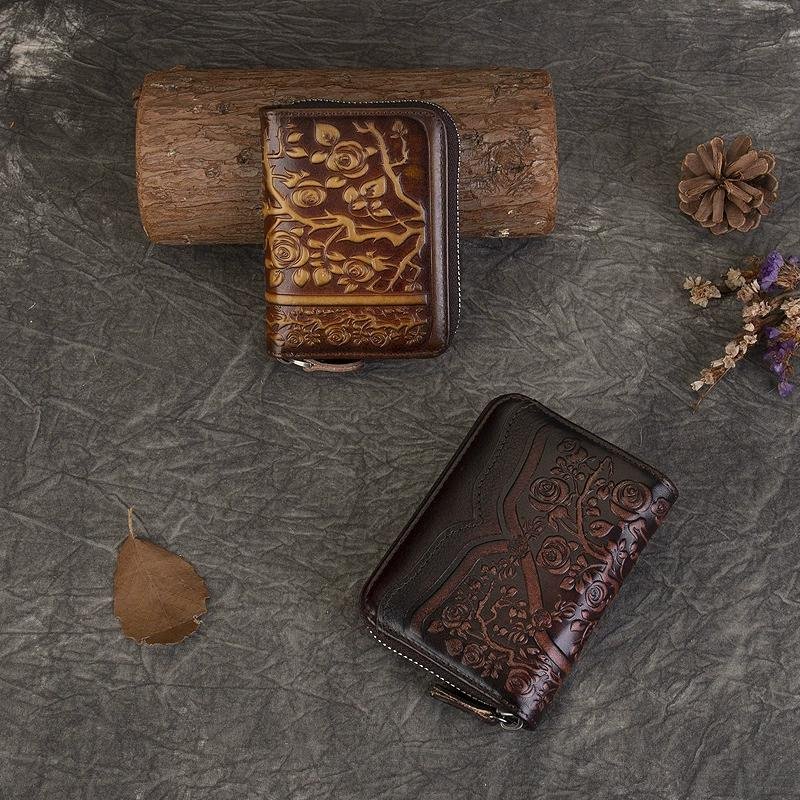
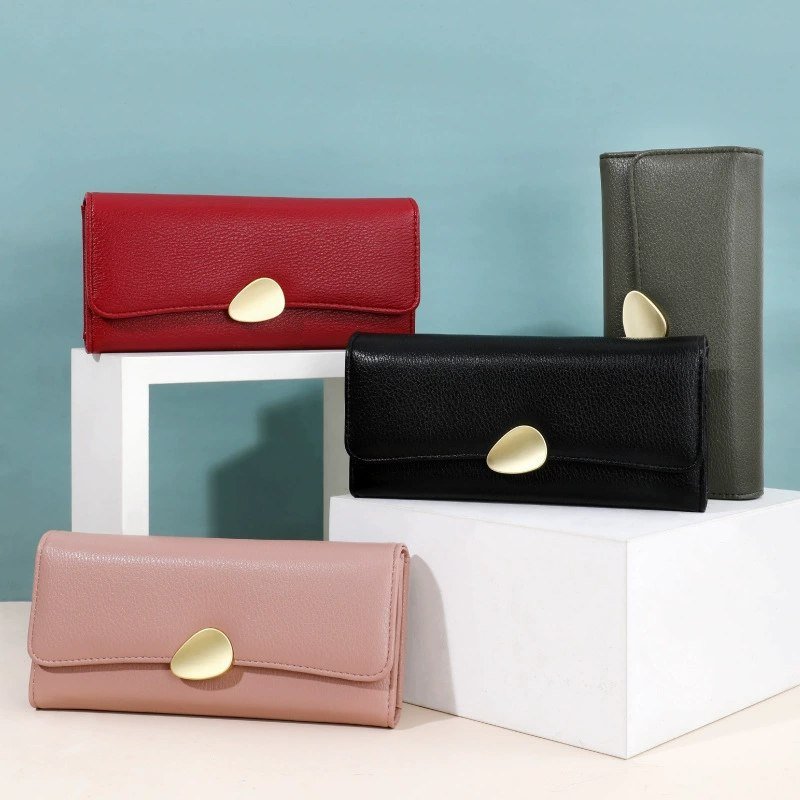
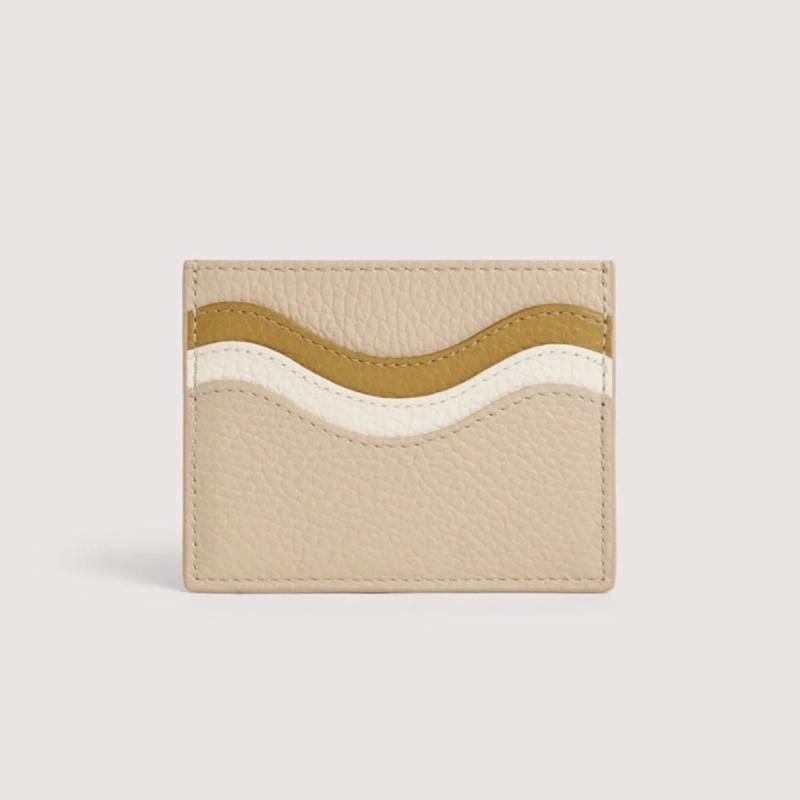
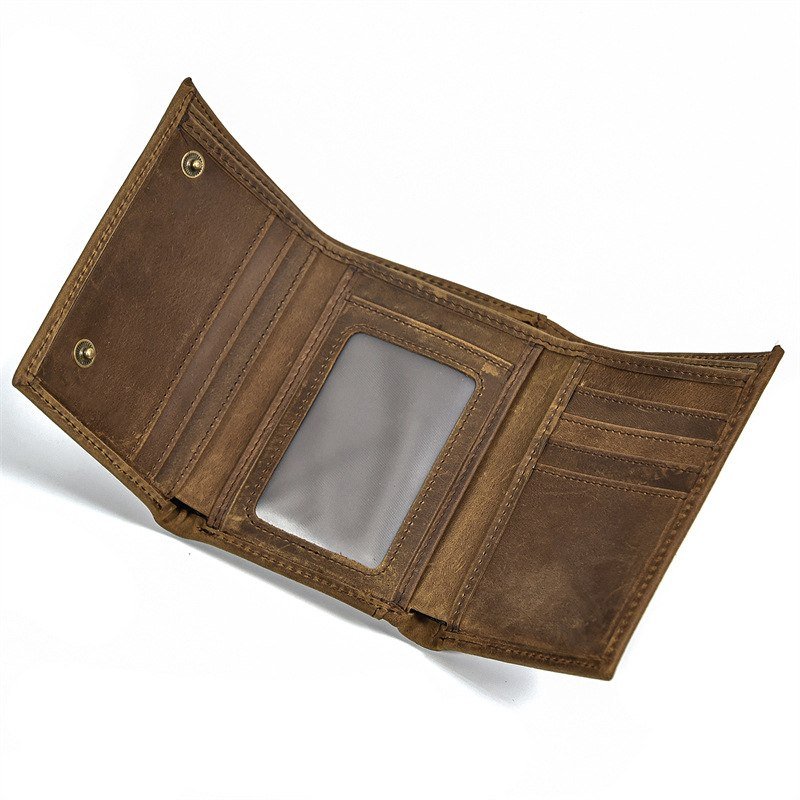
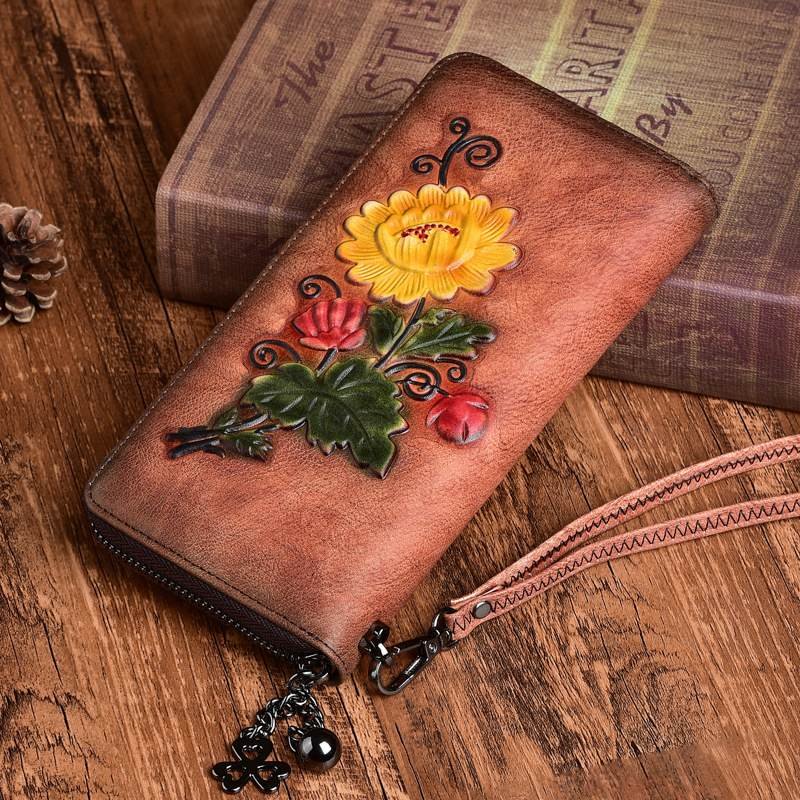
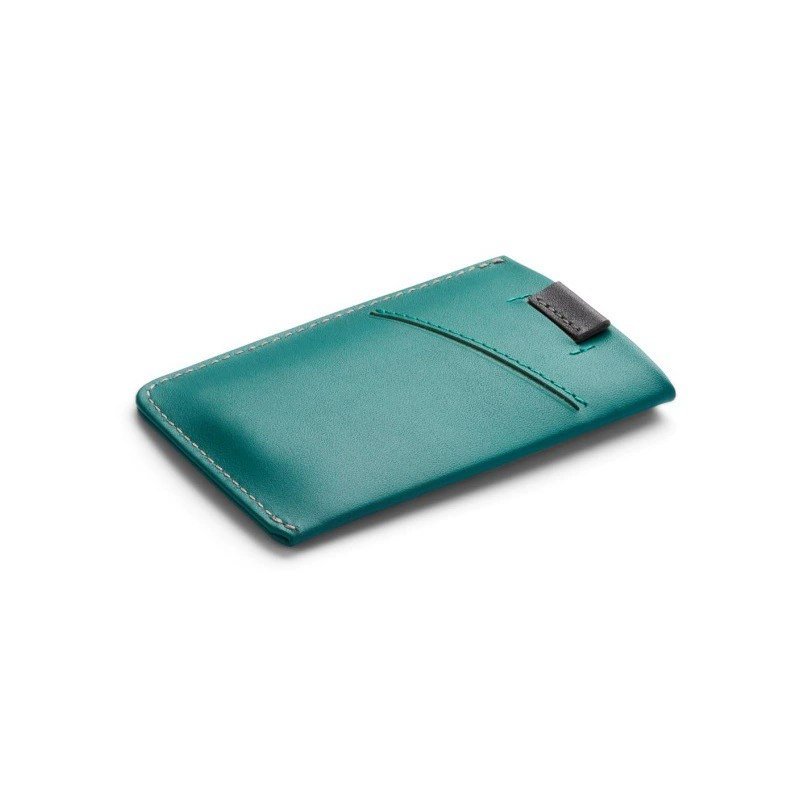
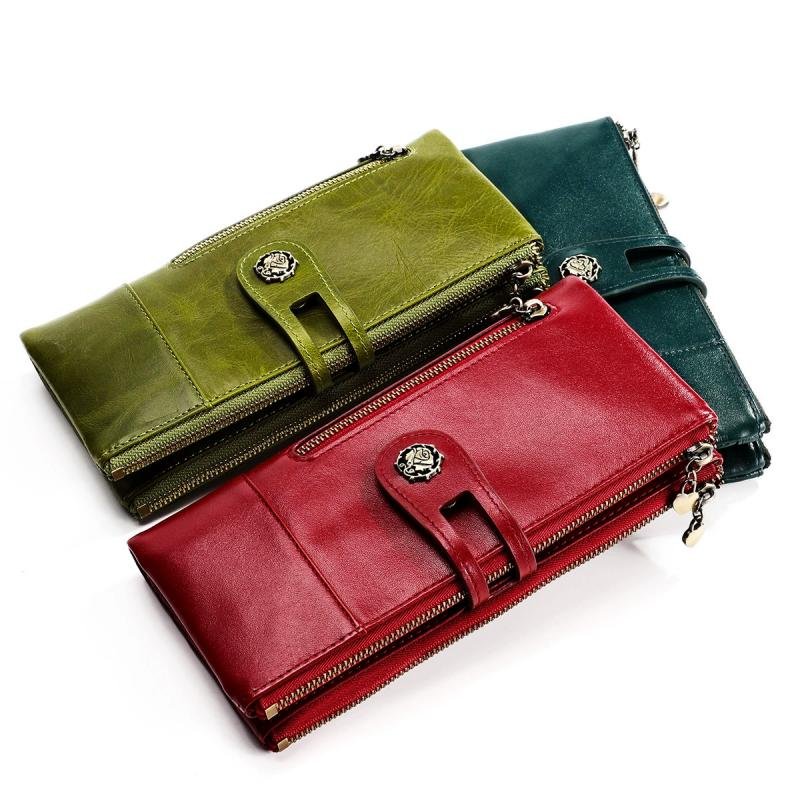
Wallet Design That Solves Real B2B Product Problems
Wallet design is not just about style images. For bulk buyers, the real value is building a structure that sells well, stays consistent across production runs, and matches your target price positioning.
At Bagsplaza, we turn design ideas into spec-controlled wallet structures with material guidance, functional layout planning, and production-ready execution for private label programs.
• Market-fit structures: layouts designed for your target customers and sales channels
• Cost-positioned design: align leather, lining, hardware, and construction to your target price tier
• Repeatable production: spec-locked stitching, edge finishing, and pocket alignment for stable bulk quality
• Brand-ready customization: logo, packaging, and finishing options planned from the start
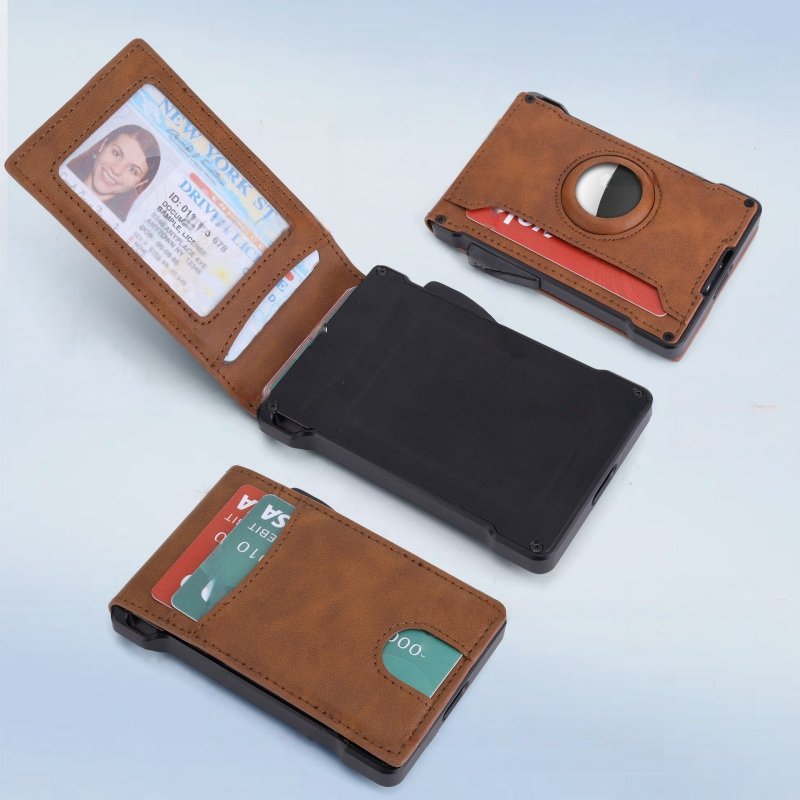
Choose Wallet Styles Based on Your Target Customers
Different customer groups buy wallets for different reasons. Use the guide below to select the right structures before sampling.
• Business & Professional Buyers
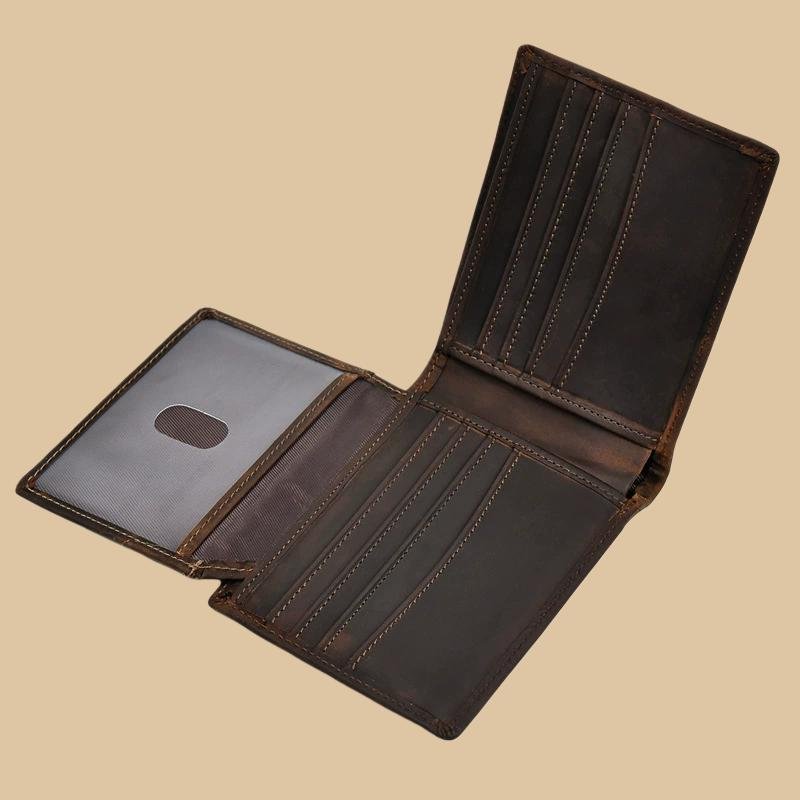
Prefer slim profiles, clean lines, RFID options, and durable edge finishing for long-term use.
• Trend & Lifestyle Consumers
Respond to modern colors, compact formats, lightweight builds, and personalization-ready surfaces.
• Gift & Corporate Programs
Need logo-friendly panels, consistent color lots, gift packaging options, and stable delivery schedules.
• Wholesale & Private Label Brands
Prioritize proven structures, controlled specifications, scalable production capacity, and repeat order consistency.
Why Our Wallet Design Support Goes Beyond Product Images
Product photos show appearance. Our design service focuses on what matters for bulk programs: structure, specifications, durability points, and production control.
You get a wallet design that can be sampled accurately and reproduced consistently at scale.
• Structure Development
We optimize pocket counts, cash sections, fold zones, and closure systems for usability and durability.
• Material & Component Matching
We recommend leather types, lining, reinforcement, and zipper/hardware options based on your target market and cost tier.
• Production-Ready Specs
We align patterns, stitching standards, edge finishing, and QC checkpoints to support repeatable bulk manufacturing.

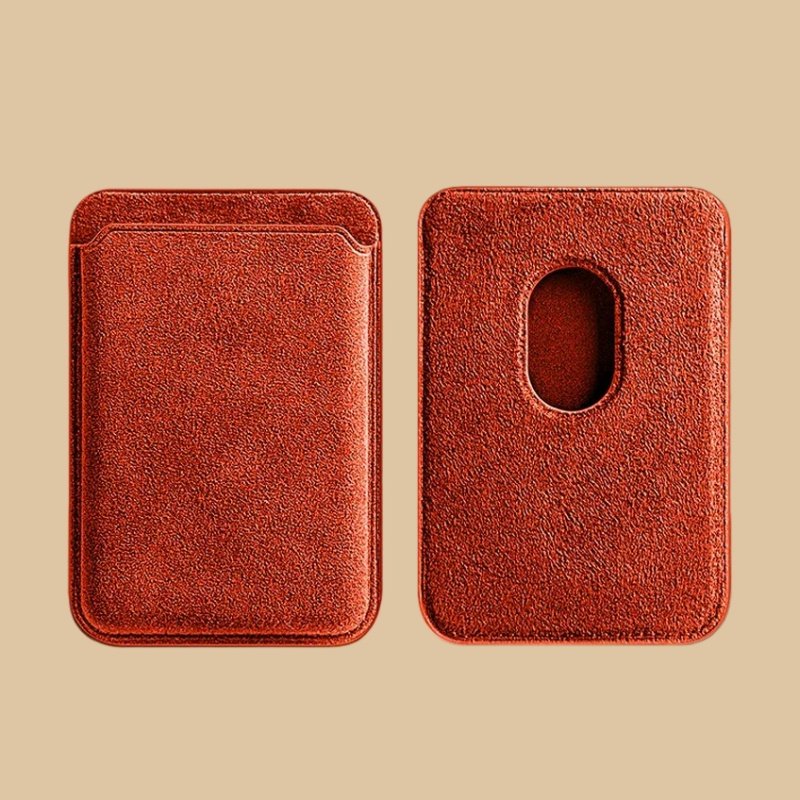
Custom Wallet Development Process
1 Design Brief
Share your target market, style references, size, functions, and branding requirements.
2 Design Confirmation
We confirm the structure, materials, compartments, logo method, and packaging direction.
3 Sampling
Prototype sample for size/structure approval, then final material sample for bulk confirmation.
4 Bulk Production
Spec-locked production with QC control and consistent batch standards.
5 Shipping & Support
We support labeling, packaging, and export shipping options for US and EU buyers.
Professional OEM & ODM Leather Wallet Manufacturer in China
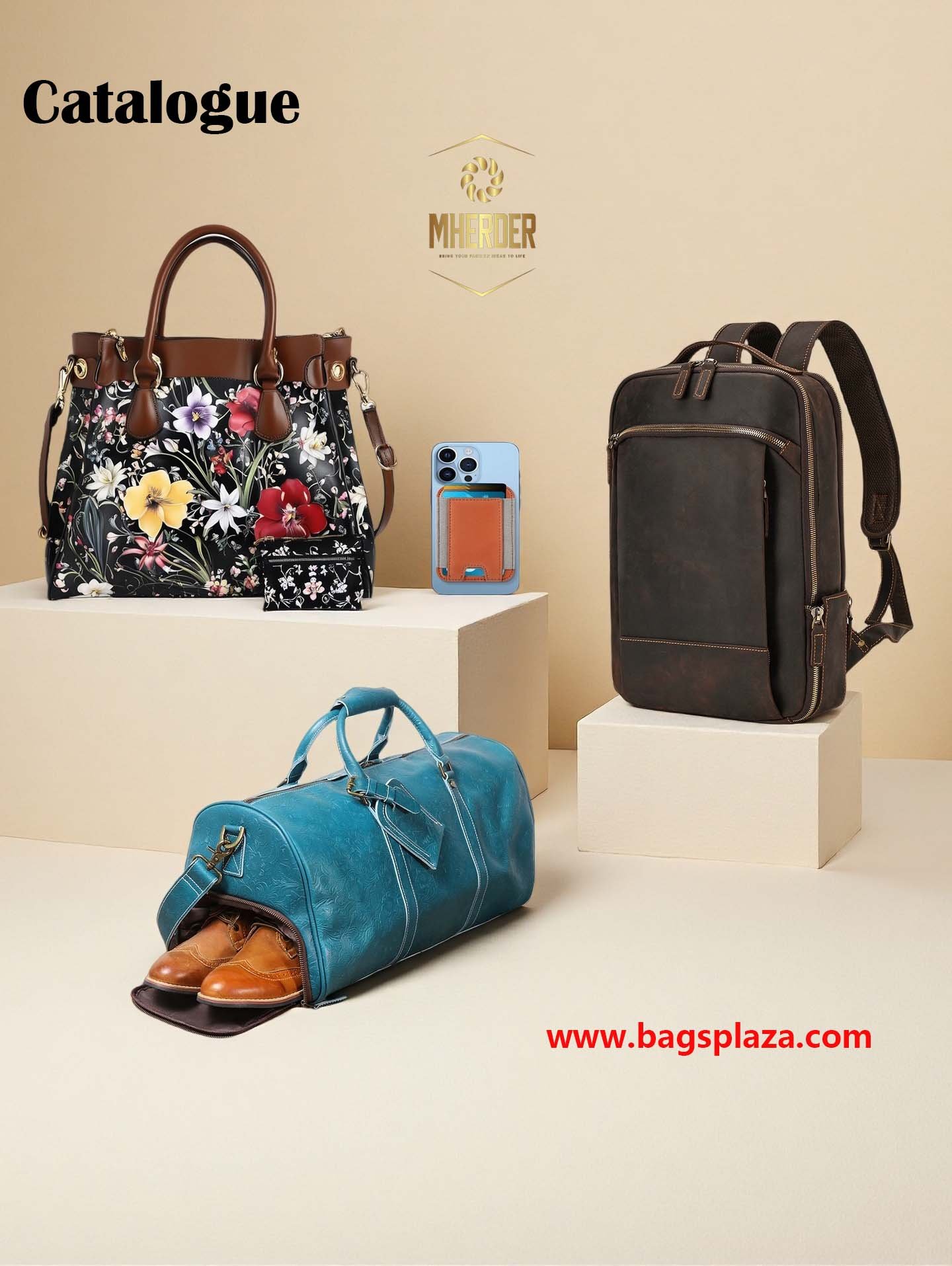
Mherder is a professional leather wallet OEM factory specializing in private label and bulk production programs for global brands, wholesalers, and retail distributors.
We support both ready-made and fully customized wallet development.
Choose from 3,000+ proven wallet structures, or develop new designs based on your 2D/3D drawings, reference samples, or target market positioning.
Our design team assists with structure planning, leather selection, layout optimization, cost alignment, and branding integration—ensuring every wallet is production-ready and aligned with your price tier.
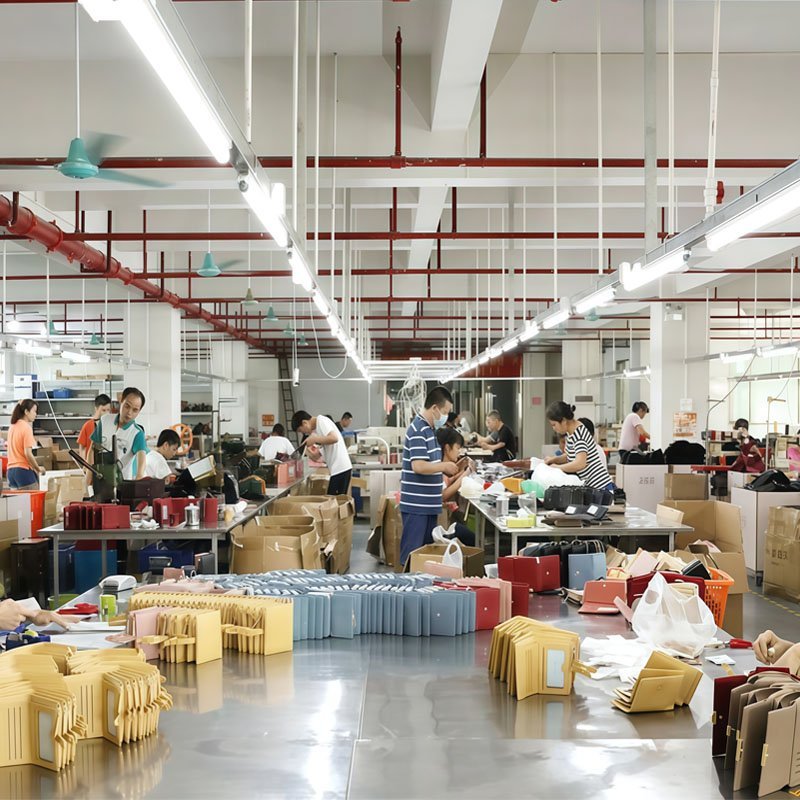
With 200+ skilled craftsmen, advanced machinery, and strict QC control standards, we maintain consistent stitching quality, stable batch production, and reliable lead times for repeat orders.
Whether you are launching a new private label collection or scaling wholesale distribution, we provide structured wallet manufacturing support from sampling to bulk delivery.

Materials You Can Choose for Your Leather Wallets
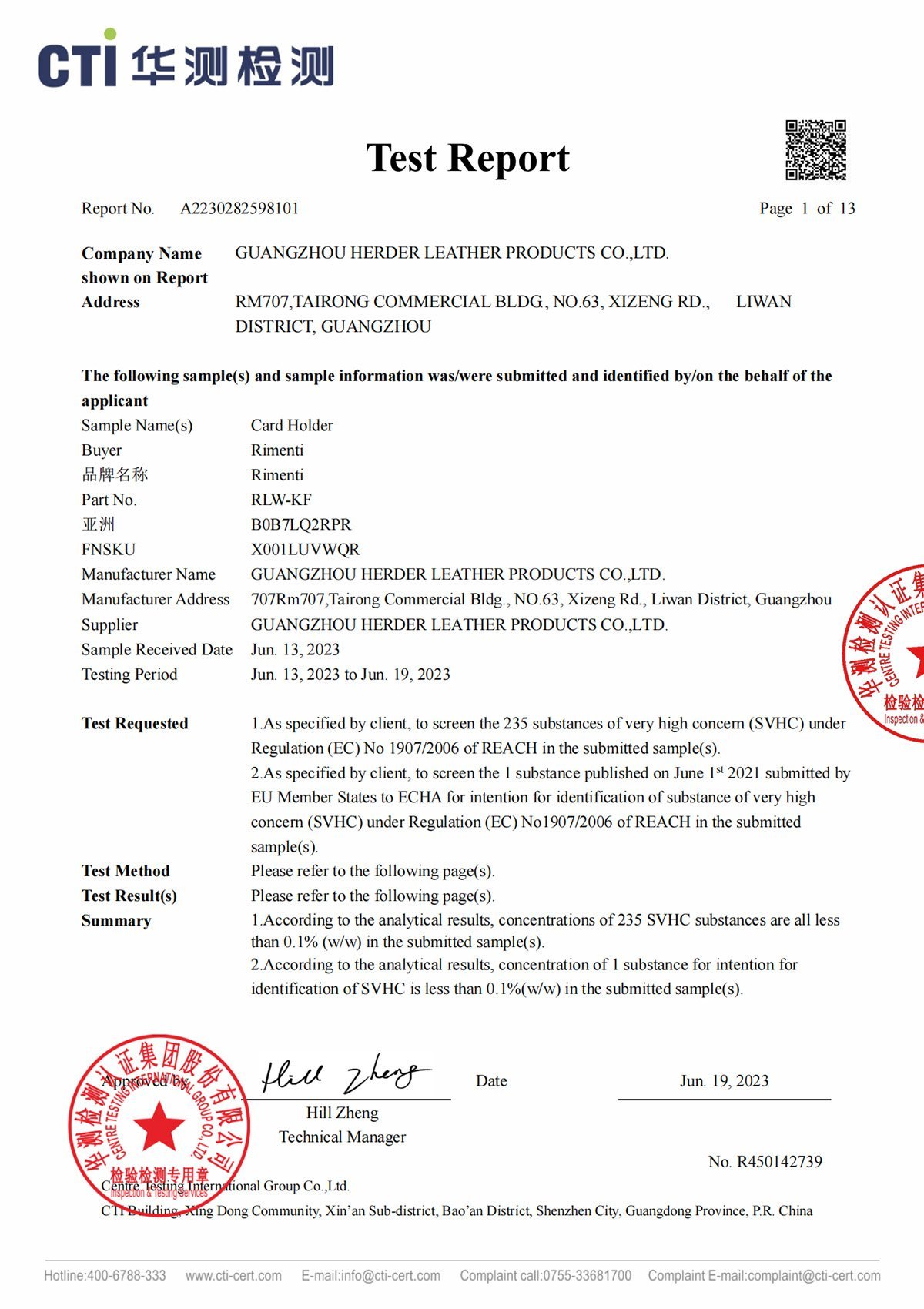
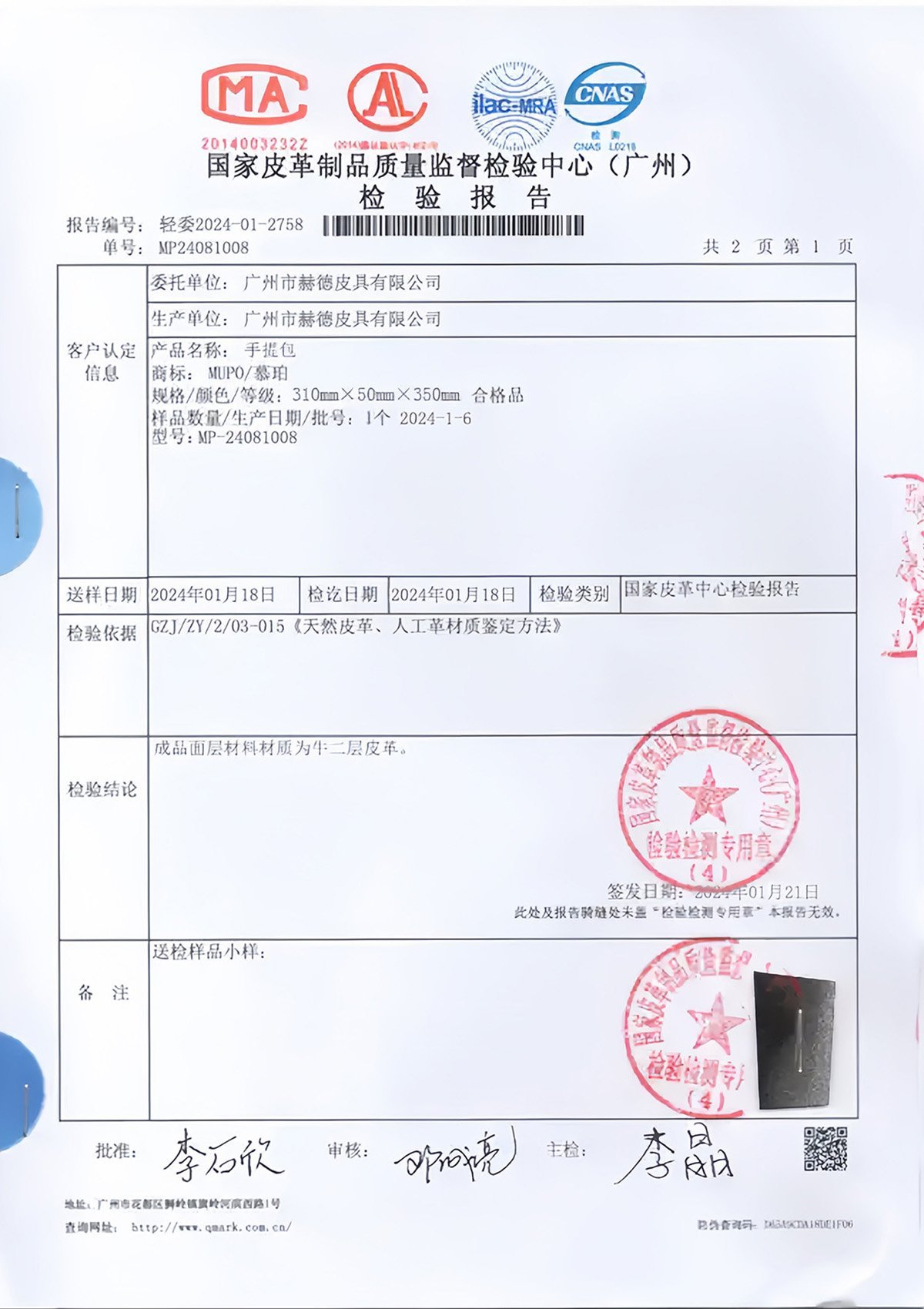
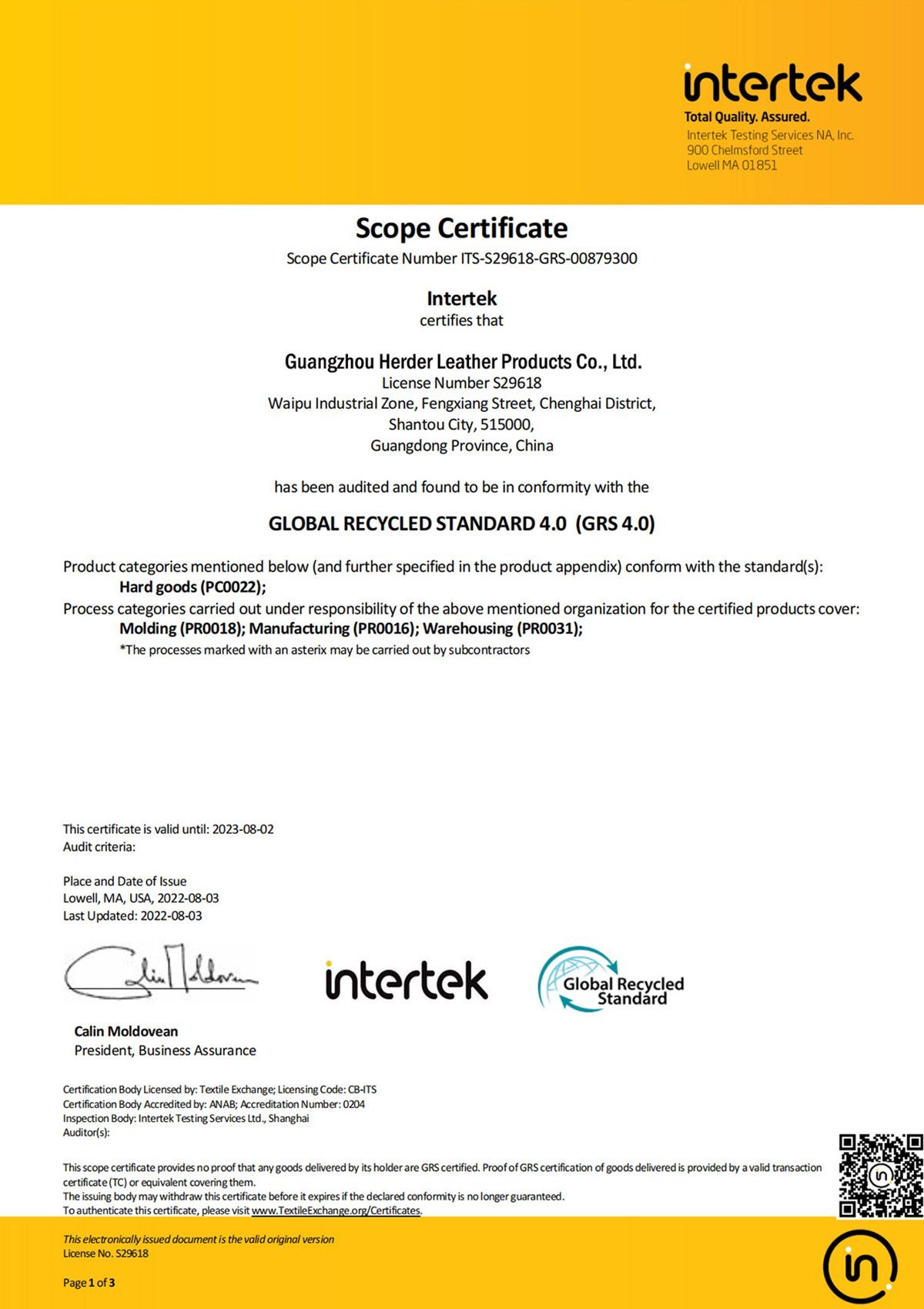
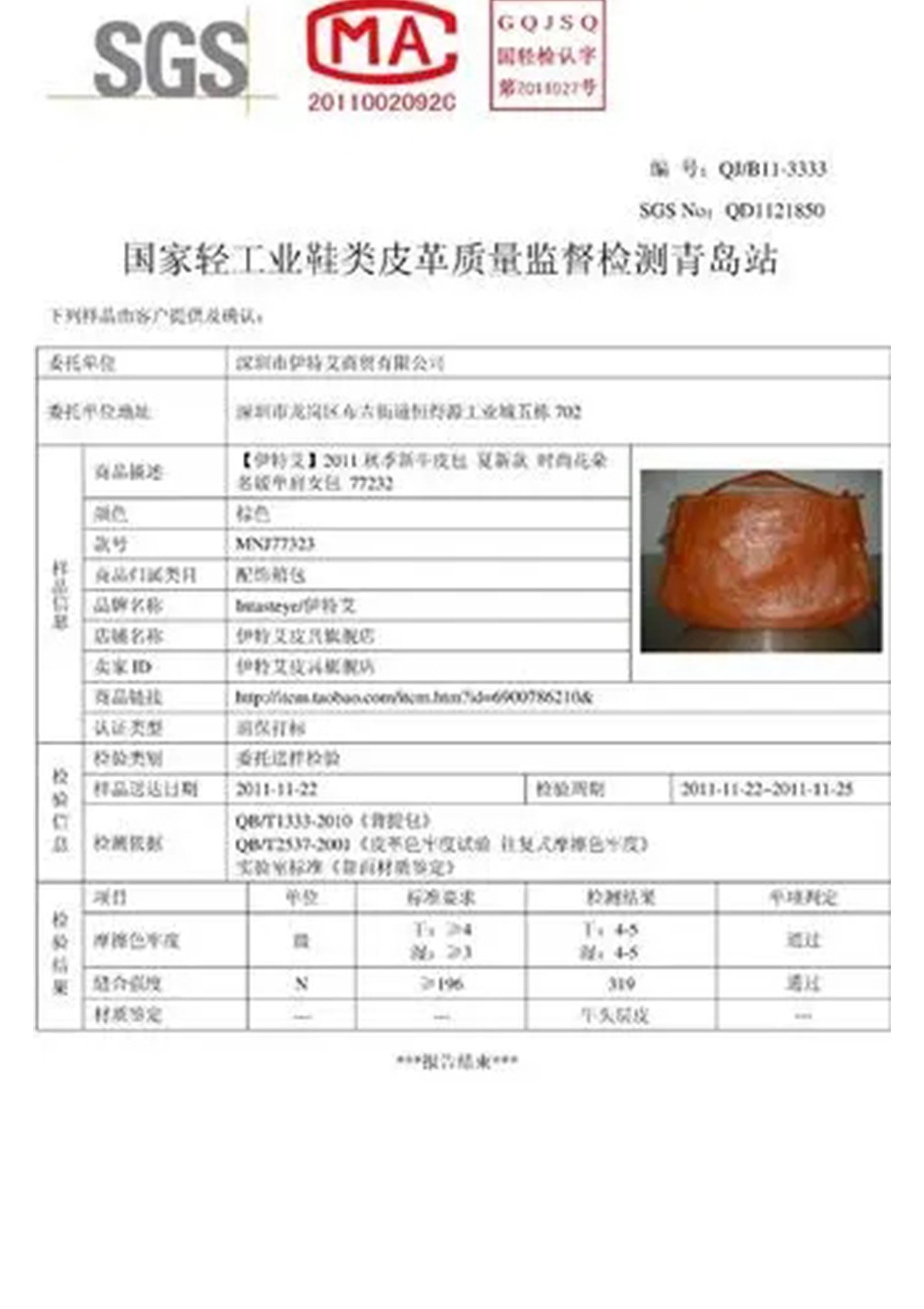
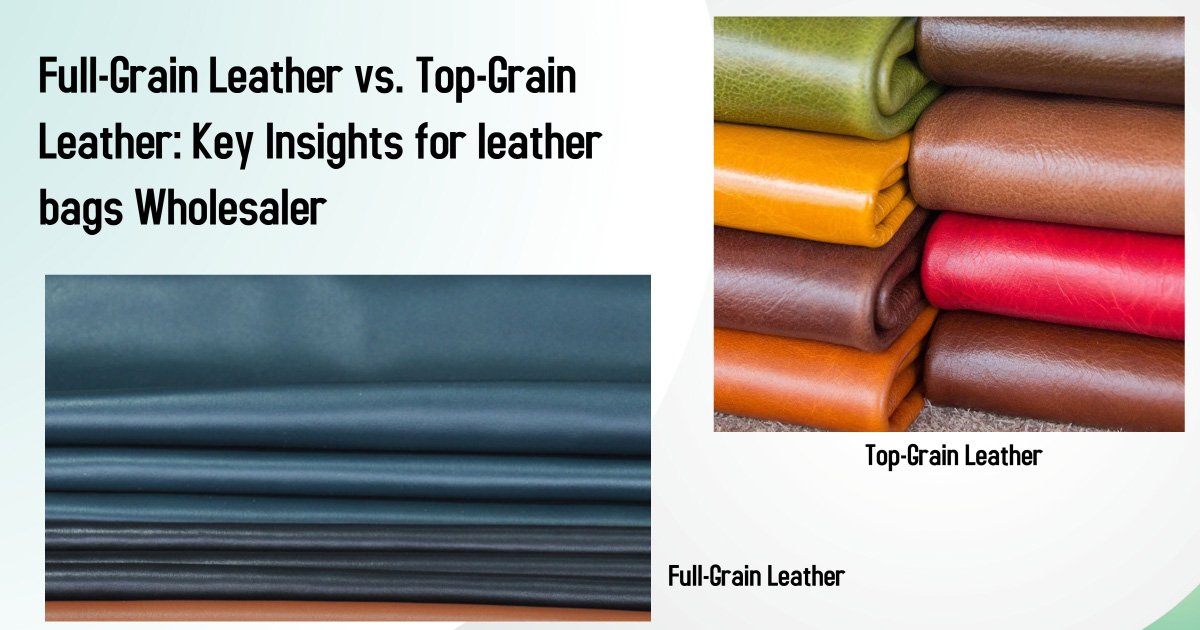
Mherder always chooses premium quality materials that meet standards like CE, CA65, GRS, ITS, SGS, etc. We specialize in luxury and the finest genuine leather, such as Full Grain Leather, Top Grain Leather, Corrected Grain Leather, Split Leather, Nubuck Leather, Distressed Leather, etc.
Confidentiality & IP Protection
We are ready to sign your NDA or provide our standard agreement before reviewing any files. All drawings, measurements, and brand assets are handled securely and treated with strict confidentiality throughout development and production.

Why Choose Mherder China for
Custom Leather Wallets


One-Stop OEM/ODM Solutions for Custom Leather Wallets
Professional Leather Wallets Manufacturer in China
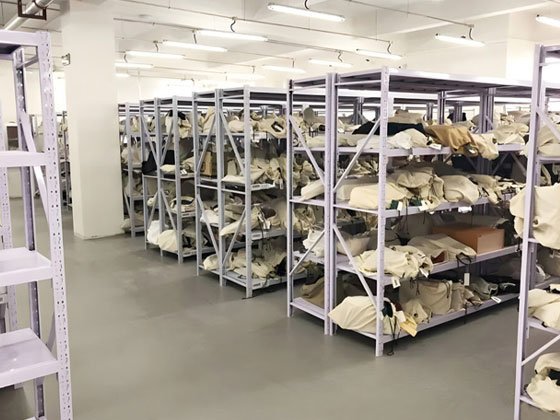
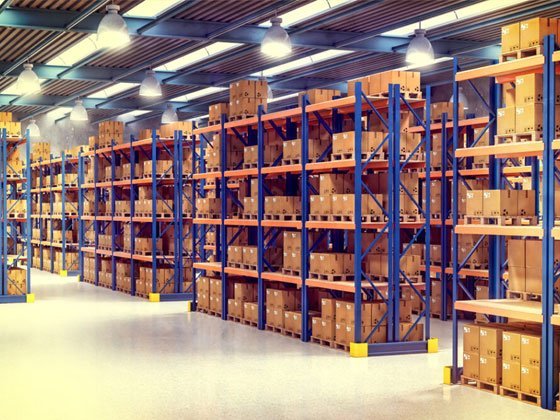
We offer 3,000+ in-stock bag designs for fast wholesale programs.
MOQ starts from 50 pcs per style (in-stock styles; mixed styles/colors available), helping you reduce inventory risk.
Ready-to-ship orders can be dispatched in 5–7 days after payment (subject to stock and destination).
Wait! Don't Miss Out!
Still not finding what you’re looking for? Contact our consultants for more available products.
Wallet Design Trends: What’s Popular in Modern Wallets Today

The global wallet market has changed more in the past few years than in the decade before. While digital payments, contactless cards, and mobile wallets continue to expand, physical wallets remain an essential everyday item. Cards, identification, and cash are still carried—but expectations around wallet design have fundamentally shifted.
Today’s buyers no longer accept bulky or outdated wallets. Demand is driven by slim profiles, smart-device compatibility, functional efficiency, and refined craftsmanship that aligns with modern lifestyles. For brands, wholesalers, and importers, these shifts go beyond aesthetics. Wallet design trends now directly impact sell-through performance, SKU structure, MOQ planning, pricing strategy, and margin control.
This guide outlines the most important modern wallet design trends shaping the market today and explains how each trend influences sourcing decisions, product planning, and wholesale strategy.
Trend 1: Slim and Minimalist Wallet Designs
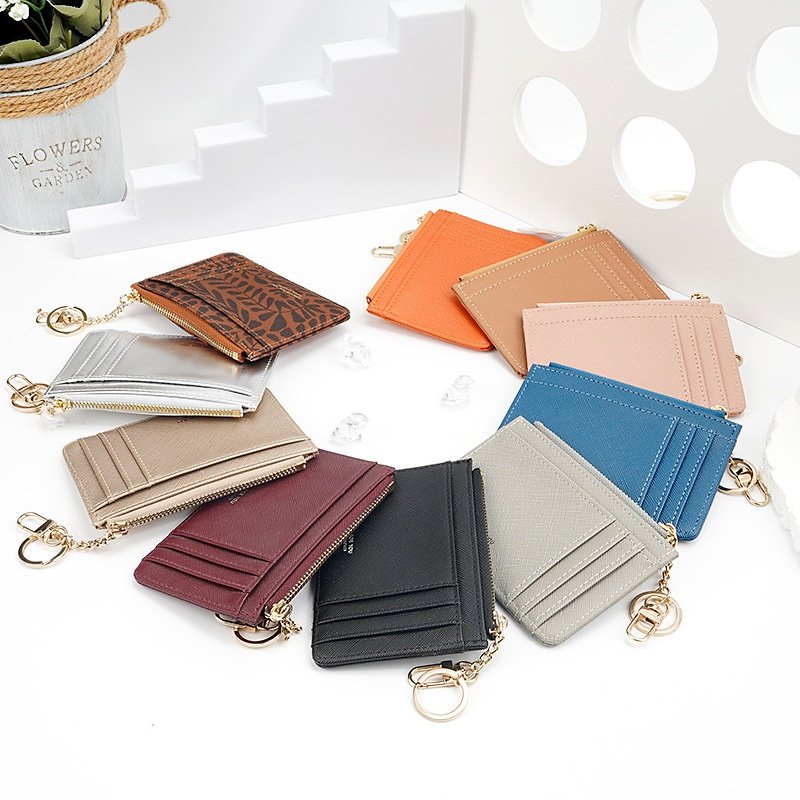
Slim wallets are now less related to a fashion statement. Daily usage is the driving force for slim wallets now. Customers are demanding slim wallets that fit comfortably in a front pocket, are easy to insert into a smaller bag, and are lightweight.
The important change is that minimalism does not have to involve sacrifice. The minimal wallets of a different era were not successful at either containing much or lasting. Modern minimal wallets reduce unnecessary space not eliminated before.
Best performers are always those who occupy definite lines:
- Four to eight card slots.
- One quick-access external pocket
- Easy pull tabs or thumb cutouts for ease of use
In sourcing, the benefits of slim designs are very useful. It reduces material content, sometimes by as much as 20-30%, making it much easier to assemble. The lower the layers, the less that can go wrong.
What this means to you as a B2B Buyer:
- Reducing unit costs without sacrificing the perceived value
- Shorter production cycles
- fewer market-specific size variations
- A wider appeal for all ages and geographies
The main risk lies in durability. Weak elastic, thin stitching, or poorly finished edges quickly lead to complaints and returns. Buyers will pay more for slim wallets that last, but they will abandon brands that feel disposable.
Trend 2: RFID Protection as a Baseline Feature

As trust in the “Nice to have” has become “expected” for RFID blocking. Consumers no longer look at it from a positional luxury point of view. They know that it should be there.
As far as wholesale distributors and manufacturers go, there is only one implication here: the sale of RFID-unprotected wallets is harder to market now, at even lower prices. Numerous consumers weed them out before they reach the cashier.
From a manufacturing perspective, RFID is easy to implement. It is implemented by adding the shielding layer in the lamination process and placing the shielding material in the area between the lining and the outer material. There is no effect on the production process of the design since the shielding material doesn’t change the way things look.
The cost effects are relatively small, while the perceived benefits are still large.
Best use cases:
- Intermediate wholesale schemes
- Credit card premium wallet collections
- Private-label products positioned above entry-level pricing
You can no longer charge a premium just for having RFID. But excluding it puts your product at a disadvantage. The best strategy is to bundle either tracking compatibility or materials/design with RFID.
Trend 3: Smart Tracking Compatibility

The smart tracking system has brought changes to buyer demands. The wallets that are meant to be used with tracking cards or with a tracking system are now classified into a distinct market.
Customers are not necessarily in the market for technology in their wallets. However, what consumers like is compatibility. In this way, it is easy to manufacture, but it also gives a customer a sense of comfort.
From a B2B perspective, this is significant because it relates to pricing power. A wallet that can hold the tracking card should retail at a significantly higher price than one that does not.
What this trend offers you:
- A clear reason to move into higher retail brackets
- Strong perceived value without complex compliance requirements
- Minimal changes to tooling or materials
The first consideration is accuracy. Tracker slots must be accurately proportioned. Even minute variations in size can easily result in a slack fit or returned merchandise. Such a high degree of quality control is necessary, but there is a payoff because there is more money to be made with relatively little extra risk.
Trend 4: Tech-Compatible Wallet Trends
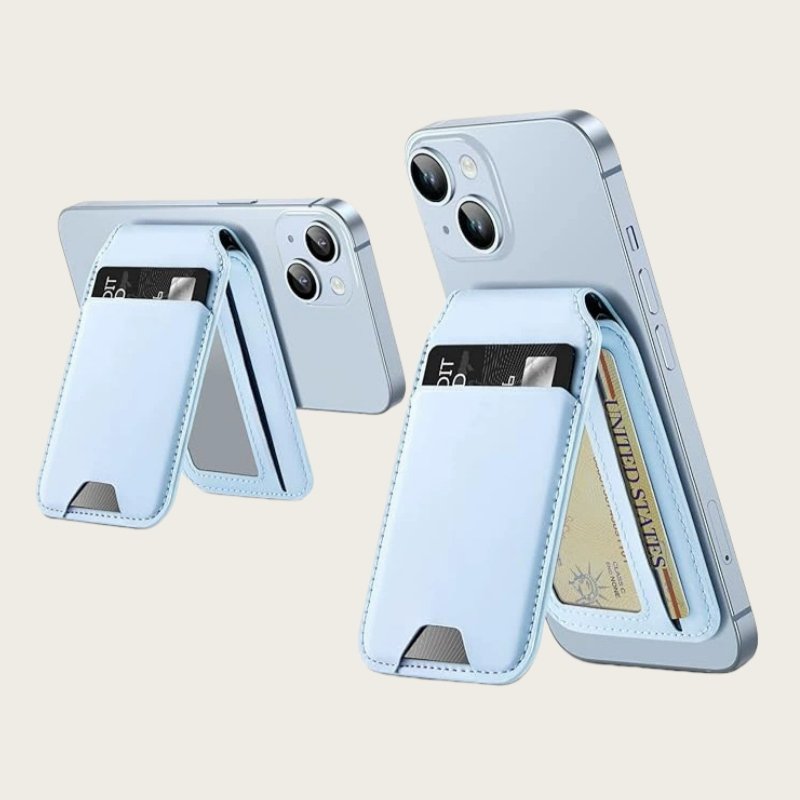
The wallet is no longer a simple accessory. There is interaction with phones, stands, grips, and tech habits. This is where tech-compatible wallet design becomes relevant.
MagSafe-compliant wallets, modular attachments, and integrated designs in the phone are emerging, especially in phone-centric markets. Such products cater to the needs of consumers who prefer to carry fewer items in their pockets and use more utility-oriented devices.
From a brand perspective, compatibility with tech is helpful to promote a premium brand. It gives you something to promote. “Compatible with your phone” is more understandable and compelling than general statements of quality.
For wholesalers and importers, tech-compatible wallets:
- The brand shall command higher retail prices
- Appeal to retailers focused on fashion accessories
- Create clearer differentiation in crowded listings
The trade-off is tighter quality requirements: Alignment and magnet placement must be done precisely. When correctly done, it pays for the added attention to detail with premium pricing.
Trend 5: Modular and Multi-Function Wallet Trends Structures
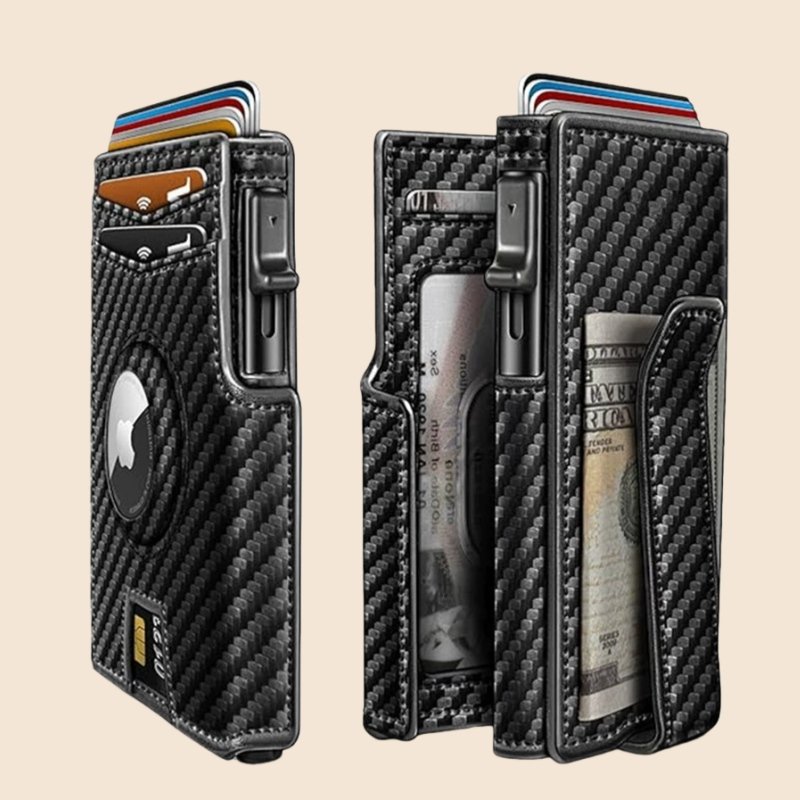
Designers create modular wallets for the reason that they reduce risk while increasing flexibility. Detachable layers, optional stands, and grip components allow one product to serve multiple use cases.
The appeal for B2B buyers is functional: with modular, you can create numerous SKUs with shared components. That reduces tooling investment and simplifies inventory planning.
Why this matters:
- Fewer molds required
- Easier line extensions
- Faster testing of new ideas
- Lower development risk
Modular wallets work well, too, for private-label programs because you can start with a base design and expand gradually based upon demand, rather than committing to multiple full product launches at once.
Trend 6: Color and Finish as a Differentiation Tool

Color is one of the safest ways to refresh a wallet line. Changes in structure are expensive and risky. Color and finish changes are not.
While neutral colors still hold the majority of volume, earth tone, matte finish, and subtle texture demands continue to rise. These options pop online without alienating more conservative buyers.
From a business perspective:
- Color differentiation enhances listing results
- Seasonal changes can be done without redesigning the page.
- Limited runs reduce overstock risk
Even slight changes to the finish can make a difference. A matte finish is better at hiding wear than a glossy finish. A textured finish is more upscale and takes good photos.
Color variation helps the wholesalers in providing options without putting too much at stake.
Trend 7: Premium Craftsmanship for Brand-Led Lines
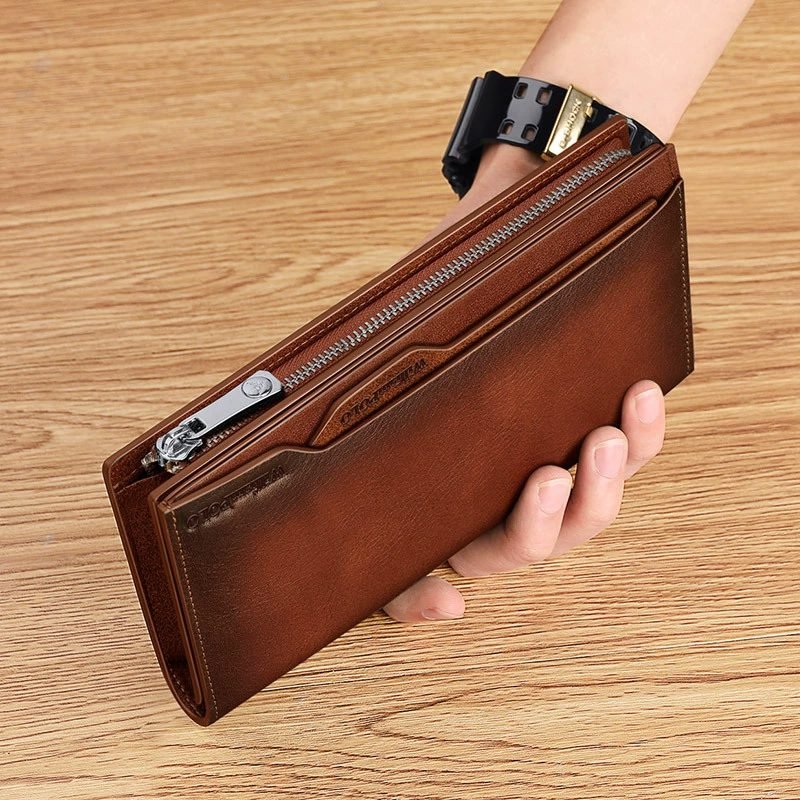
Despite all the other innovations that have been introduced, there is no question that craftsmanship is still an essential element. The stitch, the edges, consistency, all of these continue to represent the essence of luxury.
This trend matters most for:
- Leather wallets
- Brand-led collections
- Private-label programs
Clean stitching, sharp edges, and solid construction appear in detailed product images. These features contribute to building trust before one has a chance to handle the merchandise.”
In pricing considerations, this differential actually makes a big difference. A nominal hike in manufacturing price often still justifies a substantially higher retail price and a lower return rate.
For brands that want to break out of the pricing of commodities, craftsmanship has to become mandatory. It becomes the story of the brand.
Conclusion: Applying Wallet Design Trends to B2B Strategy
The modern wallet market is increasingly divided into two segments: high-volume basics competing on price, and design-led wallets competing on value.
The strongest B2B wallet portfolios today combine:
- Slim, efficient construction
- RFID protection as standard
- One clear premium differentiator, such as tracking compatibility, tech integration, or refined finishes
Understanding these wallet design trends allows brands and wholesalers to plan inventory more confidently, negotiate MOQs more effectively, and protect margins in a competitive environment.
Manufacturers that focus on scalable designs, balanced construction, and feature-ready layouts are best positioned to support these market shifts without increasing sourcing risk—enabling both volume growth and premium positioning across global markets.
B2B Wallet FAQ: Sourcing, Design & Manufacturing
1. What wallet designs sell best in today’s wholesale market?
Slim and minimalist wallets consistently perform best across global markets. Designs with efficient card layouts, quick-access pockets, and reduced bulk align with modern carry habits and deliver higher sell-through rates for wholesalers and brands.
2. Is RFID protection still a premium feature for wallets?
No. RFID protection is now considered a baseline feature in most mid- to upper-tier wallet collections. While it no longer justifies premium pricing on its own, excluding RFID can negatively impact conversion and listing performance.
3. Does adding RFID protection significantly increase production cost?
RFID shielding adds only a small incremental cost. It is integrated during lamination between the lining and outer material and does not require changes to tooling or wallet structure.
4. Are tracking-compatible wallets worth developing for private-label programs?
Yes. Wallets designed to accommodate tracking cards support higher retail pricing with minimal design changes. They offer strong perceived value without introducing complex certification or electronic compliance requirements.
5. What are the most common quality issues with slim wallets?
The main risks include weak stitching, thin edge finishing, and poor elastic or card retention. Slim wallets require precise construction to ensure durability despite reduced material layers.
6. How does wallet design affect MOQ requirements?
MOQ is influenced by structure complexity, material selection, and customization level. Slim or modular designs often allow more flexible MOQs due to simplified construction and shared components.
7. Are modular wallet designs suitable for wholesale buyers?
Yes. Modular wallets reduce sourcing risk by allowing multiple SKUs to share a base structure. This simplifies inventory planning, lowers tooling investment, and enables gradual line expansion.
8. Do color and finish changes require new molds or tooling?
In most cases, no. Color and finish updates typically do not require new tooling, making them a low-risk way to refresh wallet collections or introduce seasonal variations.
9. Which wallet colors perform best in B2B sales?
Neutral tones such as black, brown, and navy remain core volume drivers. However, matte finishes and subtle earth tones are increasingly popular for differentiation without alienating conservative buyers.
10. How important is craftsmanship in wallet sourcing decisions?
Craftsmanship is critical, especially for leather wallets. Stitching accuracy, edge finishing, and structural consistency directly affect perceived quality, return rates, and long-term brand positioning.
11. Can better craftsmanship justify higher wholesale and retail pricing?
Yes. Even a modest increase in manufacturing cost for improved craftsmanship often enables a significantly higher retail price and reduces returns, improving overall margin performance.
12. Are tech-compatible wallets more difficult to manufacture?
They require tighter quality control but not necessarily complex production. Precision in magnet placement, alignment, and sizing is essential to ensure functionality and avoid returns.
13. How do wallet trends impact inventory planning for wholesalers?
Trends such as slim construction, modular design, and color variation reduce SKU risk by enabling shared components, faster testing, and more flexible inventory allocation.
14. What should brands prioritize when launching a new wallet line?
Brands should focus on:
- Slim, efficient construction
- RFID as standard
- One clear premium differentiator (tracking compatibility, tech integration, or refined finish)
This balance supports both sell-through and margin protection.
15. What makes a manufacturer suitable for modern wallet production?
Manufacturers experienced with scalable designs, balanced construction, and feature-ready layouts—such as Mherder—are better positioned to support modern wallet trends without increasing sourcing risk.
Frequently Asked Questions
Wallet design refers to creating the original structure and style of a wallet—from layout, dimensions, and functionality to the overall look.
Wallet customization means modifying an existing wallet design by adjusting materials, colors, logo, size, or packaging to fit a brand’s needs
You turn a wallet idea into a finished leather product by following these steps:
- Concept & Sketch – Define the wallet style, functions, and rough layout.
- Material Selection – Choose leather type, lining, hardware, and color.
- Technical Design – Create measurements, structure, and stitching details.
- Prototype Sample – Produce a sample to test fit, feel, and durability.
- Refinement & Approval – Adjust details, then approve the final version.
- Mass Production – Start bulk production with quality control and packaging.
Yes. A professional factory can optimize your wallet design for mass production by improving structure, material usage, stitching methods, and cost efficiency—while ensuring durability, consistency, and scalable manufacturing quality.
Common materials used in custom wallet design include full-grain or top-grain leather, PU or vegan leather, nylon linings, metal hardware, magnets, and RFID-blocking layers—selected based on durability, feel, cost, and brand positioning.
Leather type directly affects a wallet’s look, feel, and lifespan. Full-grain leather offers the best durability and ages well, top-grain balances strength and smoothness, while split or PU leather is lighter and more cost-effective but less long-lasting.
A slim wallet can comfortably hold 4–6 card slots without becoming bulky. Using thin leather, tight stitching, and efficient layering helps maximize capacity while maintaining a sleek profile.
The most durable wallet structures for daily use include bifold designs with reinforced folds, stitched card slots, and edge-painted or folded edges, as they provide strong stress resistance, long-term shape retention, and everyday reliability.
RFID wallets work by using a shielding layer (such as metal foil or RFID-blocking fabric) to block radio signals and prevent unauthorized scanning of cards.
They are designed by placing this protective layer between the leather and lining, ensuring security without adding bulk or affecting daily use.
A MagSafe wallet is designed with built-in magnets to attach securely to compatible smartphones, focusing on a slim, minimal card-carry design.
A traditional wallet is made for pocket or bag use, offering more storage capacity without magnetic components.
Common branding options for wallet design include embossing or debossing logos on leather, foil stamping (gold/silver), and custom metal logo plates. These methods allow brands to balance visibility, luxury appeal, and durability based on positioning.
Factories protect original wallet designs by signing NDAs, using secure file handling, limiting internal access to design files, and never sharing or reusing client designs for other projects.
To start a custom wallet design project, you typically need design sketches or reference photos, basic dimensions, material preferences, logo files (AI/PDF), and target quantity. A factory can help refine the details if some files are not ready.
The cost of a custom wallet design is affected by leather type, wallet structure, number of card slots, branding method, hardware or RFID features, order quantity, and sample development requirements.

Elevate Your Brand with Mherder
Take your brand to the next level with Mherder, Guangzhou’s trusted leader in premium leather bag manufacturing. Perfect for importers, brand owners, Amazon sellers, retailers, and wholesalers, we provide free designs and customization services to bring your vision to life. With a catalog of over 5000 styles, we offer everything from leather bags to accessories, all crafted with exceptional quality.
Download your free market report and competitive analysis now to gain insights and stay ahead in the industry!
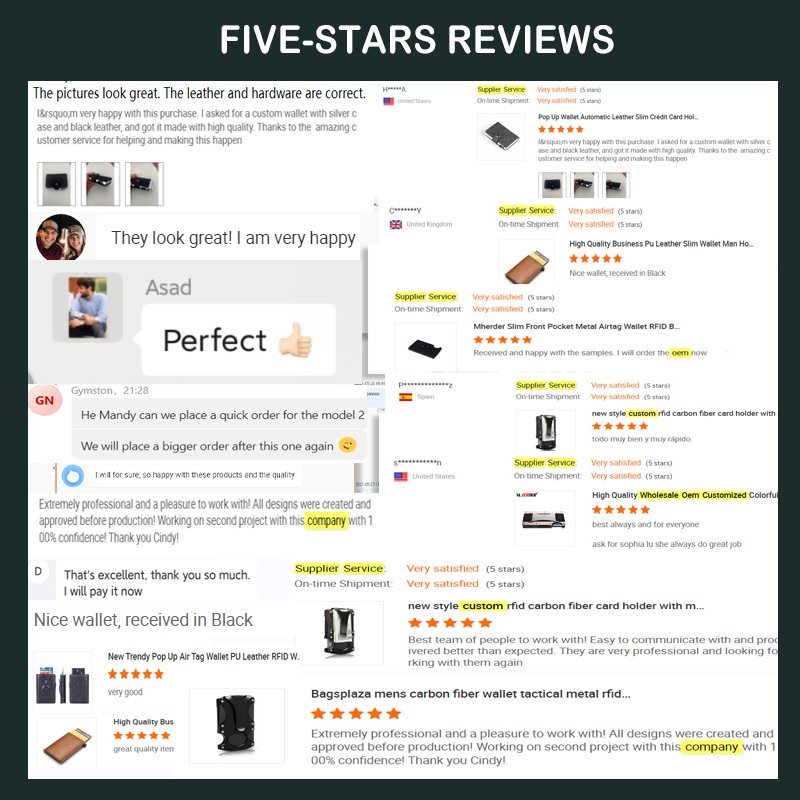
Customer Testimonials
Our company collaborated with Mandy to customize a batch of leather tote bags, and we are thoroughly satisfied with the overall quality. The leather is soft yet durable, and the craftsmanship is impeccable, fully meeting our brand standards. The customization process was smooth, with clear communication and a professional, efficient team. Orders were delivered on time, making Herder company a reliable partner for long-term collaboration.
 Emily RobertsBrand Manager
As a retail business, we needed unique designs for our leather tote bags to enhance our brand image. Herder company offered a wide range of customization options, including colors, styles, and logo emboss, effectively meeting our requirements.
 Michael ThompsonCEO
Among numerous suppliers, we chose Herder for large-scale customization due to their reasonable pricing and consistent quality. The leather material is top-notch, and the attention to detail is precise with no defects. Throughout our partnership, Elva was responsive and handled orders efficiently, significantly improving our supply chain efficiency.
 Olivia HarrisProduct Development Lead
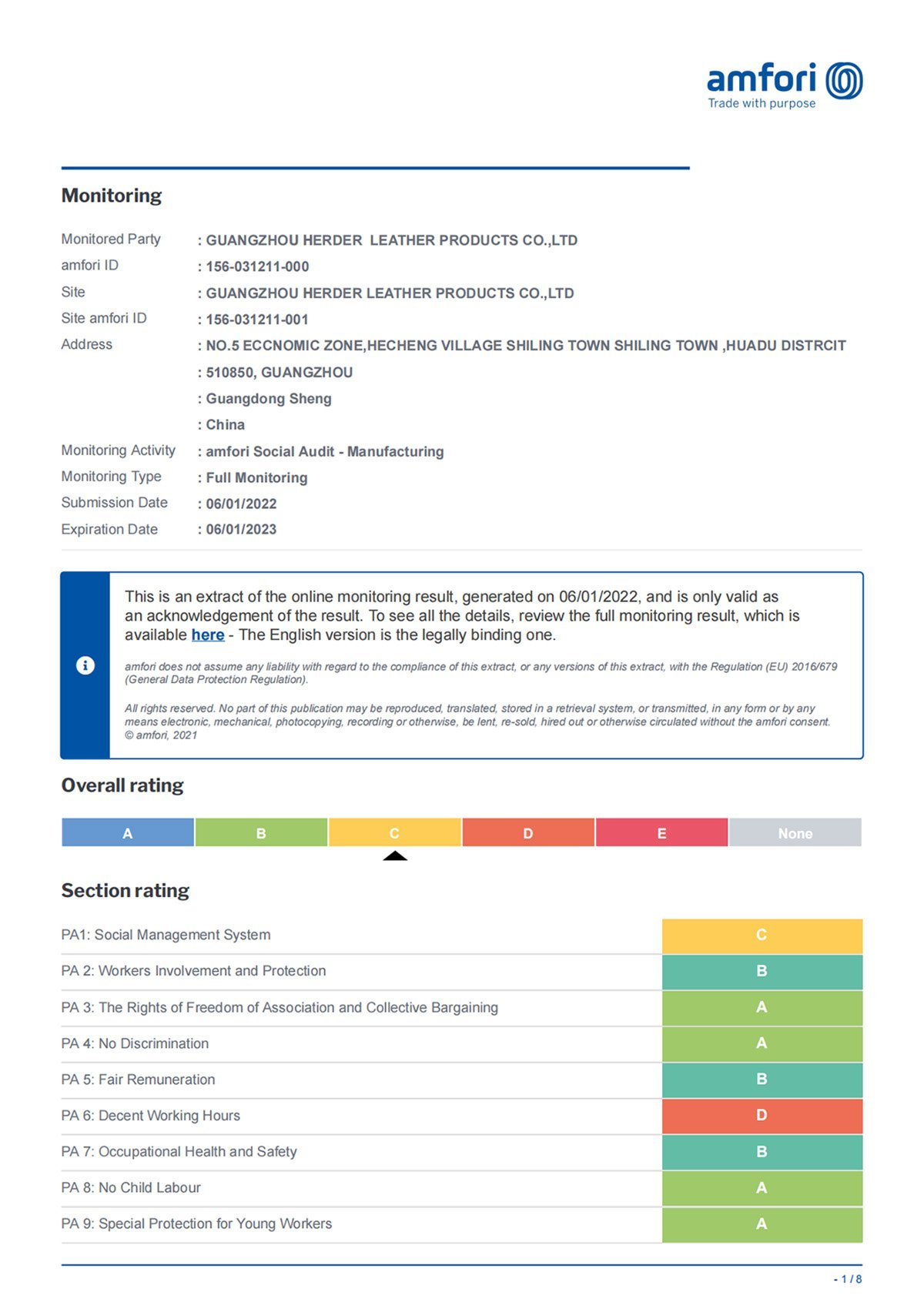
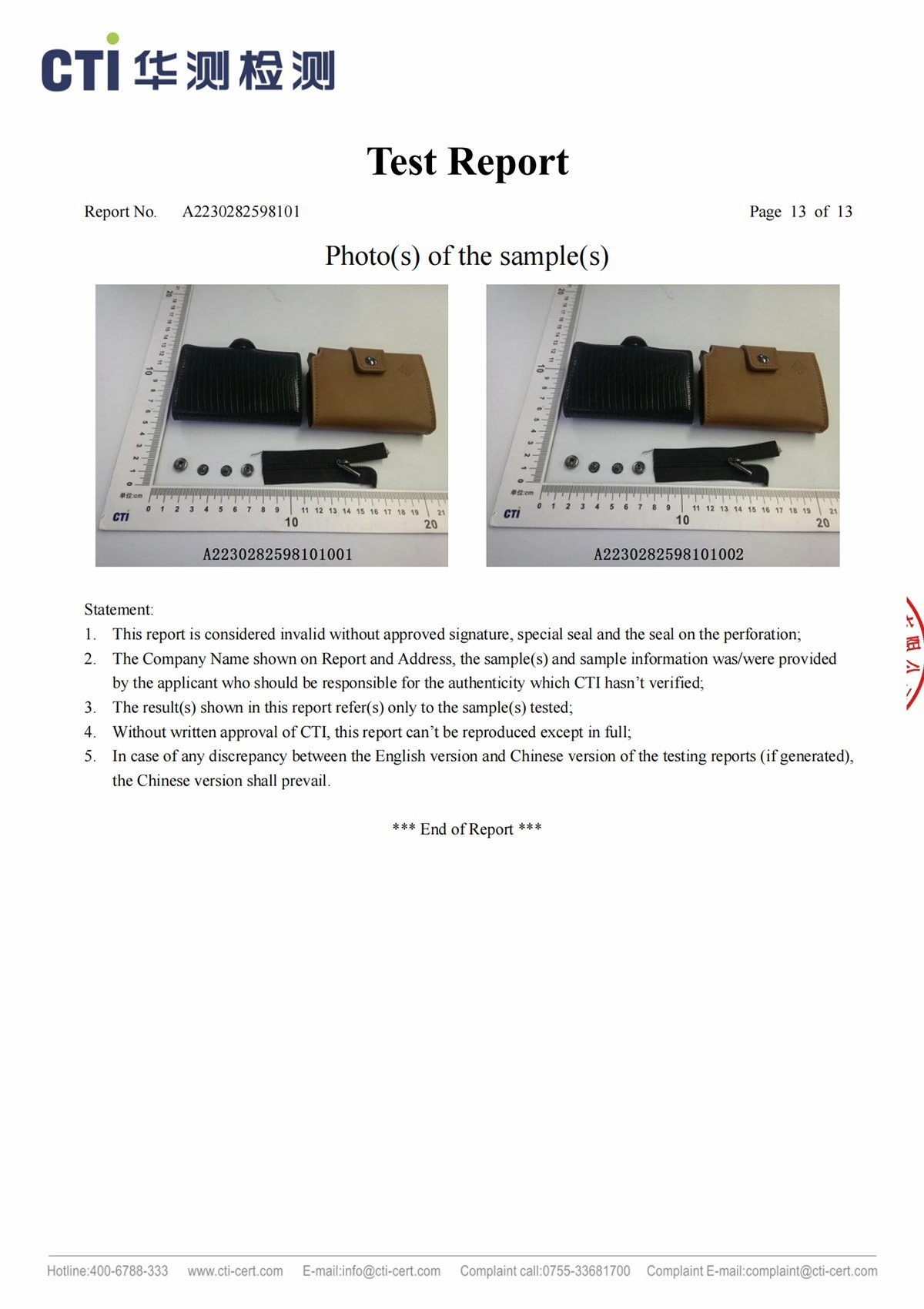
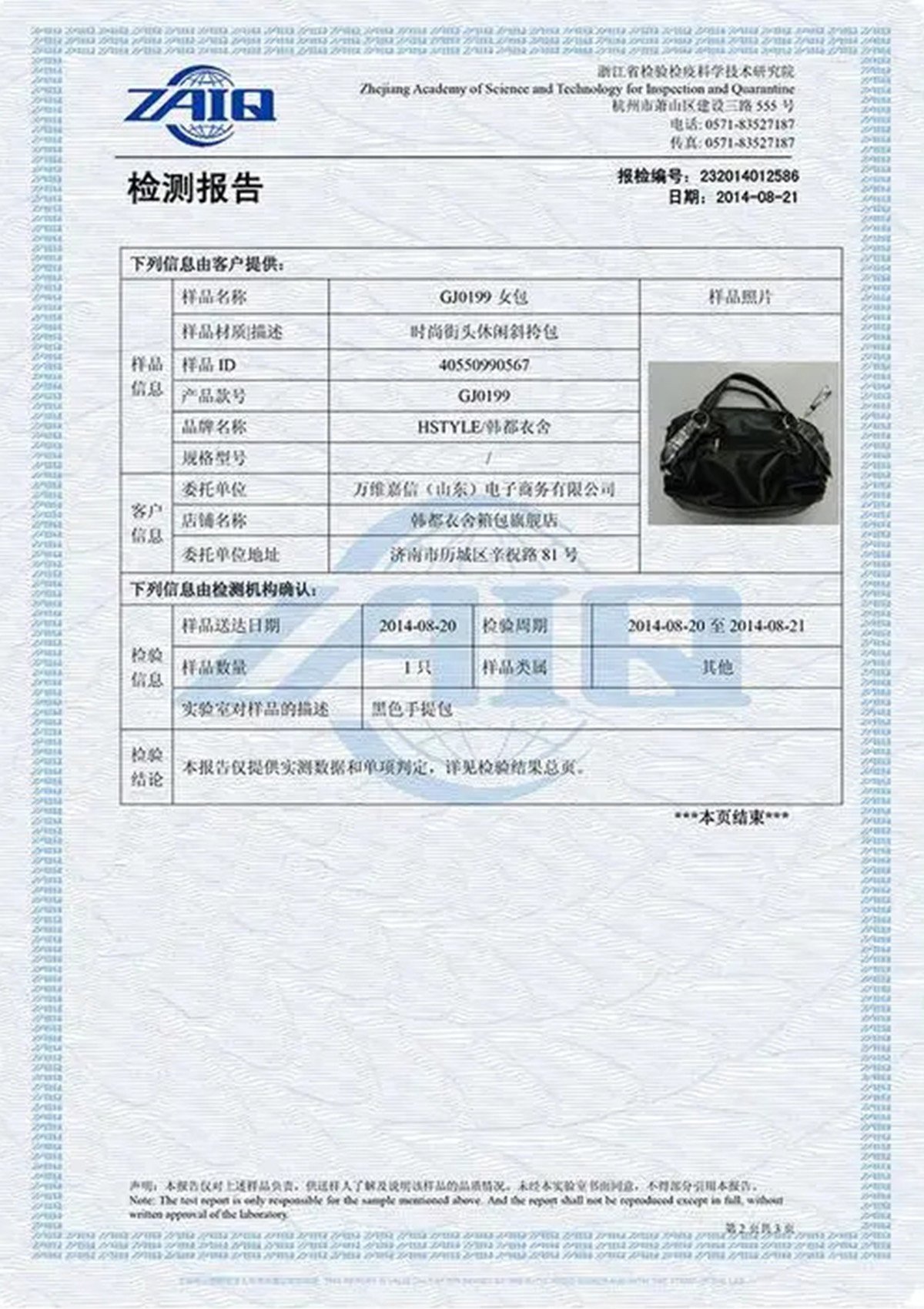
Our Certificate/Inspection Report
Recent Related Articles
How to Start Your Project
Welcome to our premier leather goods manufacturing company based in Guangzhou. We take great pride in specializing in the production of top-quality leather goods, meticulously crafted with premium genuine leather materials. Over the past 18 years, we’ve honed our expertise in providing customized leather goods solutions, showcasing our dedication to fine craftsmanship and ensuring utmost customer satisfaction. How can we assist you today?