Top 10 Handbag Manufacturers in China (OEM/ODM Supplier Guide for B2B Buyers)
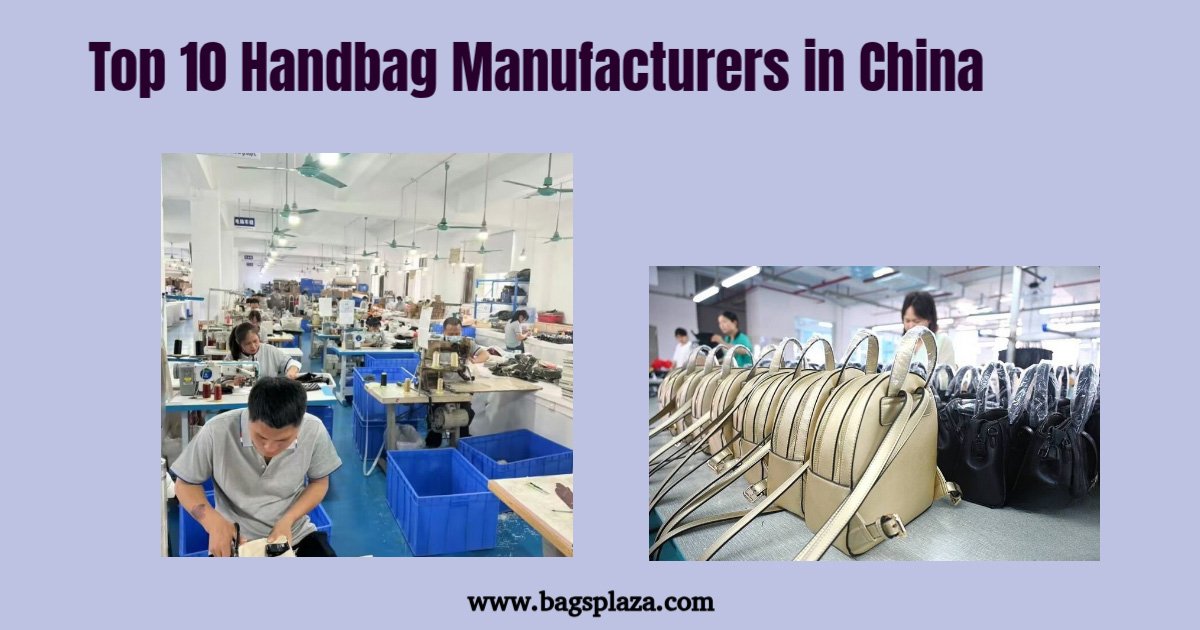
China is widely regarded as one of the world’s biggest handbag manufacturing hubs. For international brands, the appeal is simple: dense industrial clusters, mature supply chains, and the ability to move from sampling to bulk production efficiently. In major manufacturing regions, you can often source leather, hardware, zippers, packaging, and printing within the same ecosystem, which shortens development cycles and helps brands control cost and lead time.
But here’s the reality for B2B buyers: the challenge is not “finding a supplier.” The challenge is choosing a manufacturer that can reliably deliver approved samples, keep workmanship consistent in bulk, communicate clearly, and support compliance requirements when needed.
This guide is designed to make that process easier. You’ll get a curated list of 10 well-known OEM/ODM manufacturers and groups, plus a buyer-style verification checklist and selection framework you can actually use.
Kuidas me need tootjad valisime
This is not a “perfect ranking,” and it’s not built on random Alibaba browsing. The goal is to shortlist manufacturers that match what professional buyers care about in real sourcing situations.
We evaluated manufacturers using the following criteria:
- OEM/ODM experience with brand orders (not only trading or one-off production)
- Export readiness for US/EU and global shipments, including documentation support
- Sampling and development ability, including pattern work and prototype iterations
- Materials range (leather, PU/synthetics, textiles, and mixed-material construction)
- Quality management mindset and willingness to align with an agreed inspection standard
- Communication quality: structured quotations, realistic lead times, and clear inclusions/exclusions
Research inputs may include official websites, public customer feedback when available, trade show presence, and third-party information. Manufacturing capability can vary by facility and production line, so every supplier must still be validated with approved samples. For larger orders, third-party audits are strongly recommended.
What Defines a Top Handbag Manufacturer in China
A polished website doesn’t equal a reliable factory. The best manufacturers tend to share a few traits that show up consistently during sampling and bulk production.
Global Buyer Readiness
Strong manufacturers understand international buyer workflows: complete quotations, clear lead times, and organized communication. They also handle export paperwork and can follow buyer packaging specs without turning the process into a guessing game.
Real OEM / ODM Capability
For handbag programs, OEM/ODM ability means more than “we can customize.” It means the factory can interpret a tech pack, build patterns, propose construction improvements, and guide you through a stable approval process from prototype to production.
Customization Depth That Actually Matters
The manufacturers worth working with usually have depth in materials and trims: leather grades, PU and textile options, hardware sourcing, plating choices, and branding methods like emboss/deboss, metal logos, woven labels, and custom packaging.
Flexibility Without Losing the Ability to Scale
Growing brands need manageable first orders. Strong factories can support testing while still having the systems to scale if the style sells.
Quality and Compliance Support
The best partners don’t just “promise compliance.” They can support third-party testing, provide material declarations, and align on standards like nickel-release requirements, azo-free dye expectations, and market-specific rules when applicable. The keyword here is evidence: current test reports and audit readiness matter more than claims.
Buyer Verification Checklist (Use This Before You Commit)
Before you pay a deposit, run a quick reality check. This saves months of pain later.
Factory and Capability Verification
Ask for business registration details, factory address, workshop photos/videos, and a quick overview of their production lines. If they can’t show manufacturing proof, treat it as a risk signal.
Sampling and Development Proof
A good factory can explain their sampling process clearly: how many prototype rounds are typical, what the timeline looks like, and what information they need to quote accurately.
Quality System Proof
Request their QC checkpoints (incoming, in-line, final) and confirm whether they can align with an AQL-based inspection standard. You don’t need fancy words—you need a process that prevents repeat defects.
Compliance Evidence
If your market requires testing, ask for recent third-party reports with the lab name and date. If plating is sensitive, request the plating specification and nickel-release control approach.
IP Protection and Terms
Use an NDA. Confirm mold ownership terms. Make sure the factory understands boundaries on using your designs in portfolios or selling “similar styles.”
Top 10 Handbag Manufacturers in China
Below are 10 manufacturers and groups that are widely visible in OEM/ODM handbag production. The “best” choice depends on your positioning, materials, volumes, and development needs—so treat this as a shortlist, not a universal winner list.
1. Guangzhou Herder Leather Products Co., Ltd. (Guangzhou, Guangdong)
Veebisait: www.bagsplaza.com
Located in Guangzhou’s established leather manufacturing cluster, Guangzhou Herder focuses on structured OEM/ODM leather handbag programs for international brands. Rather than positioning itself as a trading platform with a broad catalog, the company operates as a development-driven manufacturing partner, supporting brands from prototype engineering through organized bulk execution.
For B2B buyers, the key differentiator is process discipline. Development is structured around confirmed specifications, material alignment, and pre-production approval before scaling. This reduces sampling ambiguity and improves bulk consistency — a common risk area in handbag manufacturing.
Core Capabilities
- OEM/ODM manufacturing for leather handbags and small leather goods
- Pattern development from tech packs and engineering optimization support
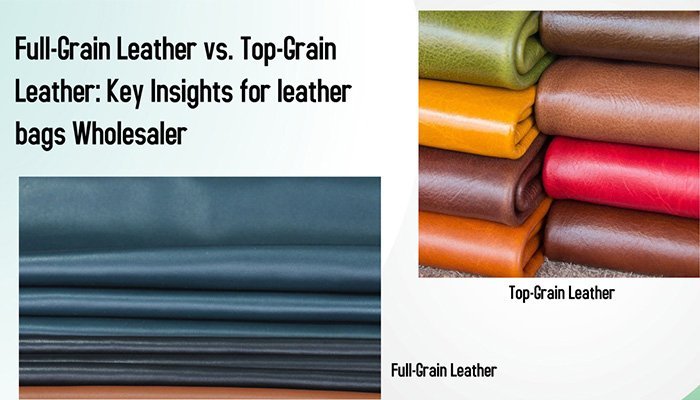
- Leather sourcing across full-grain, top-grain, and mixed-material constructions
- Hardware and branding customization (embossing, metal logos, packaging coordination)
- Structured sampling workflow with specification locking before production
Quality & Risk-Control Approach
International handbag programs often fail not because of design, but because of uncontrolled variation between sample and bulk. A structured approval process — including material confirmation, hardware specification alignment, and inspection standard agreement — helps mitigate this risk.
For regulated markets, compliance support is handled through third-party testing based on product category and target region. Buyers are advised to confirm requirements early and align on documentation before bulk production begins.
Typical Fit
- Leather-focused brands in the startup or growth stage
- Structured handbag programs requiring consistent construction retention
- Buyers who value engineering input during development rather than pure price competition
- Brands planning long-term SKU repetition and scale-up
Why this positioning matters:
When leather quality, shape retention, and hardware durability are central to your brand identity, development structure becomes more important than catalog size.
2. Sitoy Group (Guangdong)
Veebisait: www.sitoy.com
Sitoy is one of the best-known large bag manufacturing groups in China, often associated with premium segment capability and scaled production systems. For many buyers, the main advantage is operational maturity: process control, supply chain coordination, and the ability to run larger programs.
Capabilities
- Large-scale handbag and accessory production systems
- Strong internal development and production management
- Multi-category capability (handbags, small leather goods, travel accessories)
Parim
Established premium brands that already have clear specifications and need stable execution at scale.
3. TSD Group (Dongguan)
Veebisait: www.tsdbrand.com
TSD is positioned around fashion and lifestyle bags with scalable production. If your business depends on trend responsiveness—seasonal collections, color changes, or frequent style updates—this type of manufacturer can be a practical fit.
Capabilities
- Multi-material production (leather, PU, textile, mixed)
- Trend-driven development for fashion/lifestyle categories
- Mid to high-volume production capacity
Parim
Fashion and lifestyle brands that need reliable scaling and quicker market responsiveness.
4. Luen Thai Holdings (China Operations)
Website: www2.luenthai.com
Luen Thai is known as a global manufacturing group with operations across multiple countries, including China. For buyers with more formal compliance needs, large programs, or complex supply chain requirements, a large group structure can provide stronger systems and audit alignment.
Capabilities
- Multi-material manufacturing with enterprise-level systems
- Strong compliance mindset and audit alignment (verify per program)
- Large workforce capacity for complex, multi-style programs
Parim
Enterprise programs require scale, structured compliance readiness, and process maturity.
5. Sangwoo (China Operations)
Veebisait: www.sangwoo.com
Sangwoo is often associated with fast-moving fashion production where speed matters. If you are building a brand with frequent drops and seasonal changes, sampling speed and flexible development cycles can be a major advantage.
Capabilities
- Fast sampling and seasonal development support (project-dependent)
- Small to mid-volume flexibility
- Multi-material production
Parim
Fast fashion and lifestyle brands where speed-to-market is a top priority.
6. Kai Yu Bags (Guangzhou)
Veebisait: https://www.kyautobag.com/
Kai Yu Bags has visibility in PU and synthetic bag manufacturing. If your brand is not leather-centered and your main goal is cost control with acceptable durability, a PU-focused manufacturer can be the most efficient route.
Capabilities
- Strong in PU leather and synthetic materials
- Competitive pricing for mid-range fashion positioning
- Customization support for style variations
Parim
Brands focusing on PU/synthetics and needing competitive pricing with stable execution.
7. SL Bag Manufacturer (Shenzhen/Guangzhou)
Website: slbag.net
SL Bag Manufacturer is known for a broad style range and reference library approach. For buyers, this can be useful when you want to move fast: start from proven base styles, then customize materials, trims, and branding rather than engineering everything from zero.
Capabilities
- OEM/ODM services with a wide style range
- Mixed-material production
- Faster development via reference-based starting points
Parim
Brands wanting quicker turnaround using existing style references and controlled customization.
8. Benshine Bag Factory (Zhejiang)
Veebisait: https://benshine-bags.com/
Benshine is a custom OEM bag manufacturer with export experience and the ability to support multi-model orders. Zhejiang’s manufacturing ecosystem and shipping connectivity can also be helpful for logistics-heavy programs.
Capabilities
- Custom OEM handbag manufacturing
- Support for multiple styles within one program
- Export logistics familiarity
Parim
Brands developing multiple handbag designs and needing stable export execution.
9. JD Handbag Factory (Dongguan & Sichuan)
Veebisait: www.jdhandbagfactory.com
JD Handbag Factory positions itself with development support and customization capability. For buyers who need help turning concepts into manufacturable products, development capacity and communication discipline matter just as much as price.
Capabilities
- Development and design support (verify scope per project)
- Multi-material customization options
- US/EU compliance alignment approach (verify with current reports)
Parim
Brands that need development support, plus a more compliance-aware production approach.
10. Yiwu Yisen Bags (Zhejiang)
Veebisait: https://www.yisenbag.com/
Yiwu is famous for its massive sourcing ecosystem. Manufacturers in this region can often deliver strong cost competitiveness and quick access to trims and materials. The trade-off is that buyers must validate consistency standards carefully if positioning is premium.
Capabilities
- Cost-effective manufacturing and sourcing flexibility
- Strong access to a wide supplier network
- Flexible order structures (project-dependent)
Parim
Brands prioritizing cost and sourcing speed, especially for budget and mid-tier positioning.
Comparison of Manufacturing Capabilities (Buyer-Friendly Summary)
The table below summarizes typical positioning and strengths. It is designed to help buyers quickly identify alignment with their brand stage, material strategy, and compliance needs. Always confirm exact capabilities during sampling.
| Tootja | Materials Focus | Development Support | Typical Order Fit | Compliance Support Approach | Parima jaoks |
| Guangzhou Herder | Leather / Mixed | Strong OEM/ODM engineering | Startup → Growth | Third-party testing upon request | Leather-focused brand programs |
| Sitoy Group | Leather / PU | Full R&D systems | Mid → Large | Audit-ready systems (verify per program) | Premium brands needing scale |
| TSD Group | Mixed Materials | Mid to Strong | Mid → High volume | Project-based testing (verify) | Trend-driven fashion brands |
| Luen Thai | Mixed / Vertical integration | Enterprise-level | Large programs | Strong compliance systems | Enterprise and global brands |
| Sangwoo | Mixed | Flexible development | Small → Mid | Project-based testing (verify) | Fast fashion & seasonal drops |
| Kai Yu Bags | PU / Synthetic | Mid | Small → Mid | Project-based (verify) | Cost-controlled fashion brands |
| SL Bag Manufacturer | Mixed | Reference-based ODM + OEM | Mid | Project-based (verify) | Brands needing quick style adaptation |
| Benshine | Mixed | Hea | Mid-volume | Project-based (verify) | Multi-style export programs |
| JD käekottide tehas | Leather / Textile | Development-oriented | Mid | Testing & certification alignment (verify) | Custom design + compliance markets |
| Yiwu Yisen Bags | Mixed / Cost-driven | Paindlik | Small → Mid | Project-based (verify) | Budget-focused sourcing |
How to Choose the Right Manufacturer (Simple Framework)
Most factory selection mistakes happen because buyers choose based on price before defining the real constraints. Use these questions instead:
1) Do you have complete tech packs?
If you only have a concept, choose a factory with a strong pattern and engineering capability. If you have complete specs, you can work with a broader range of manufacturers.
2) Are you testing or scaling?
Testing requires MOQ flexibility and sampling speed. Scaling requires process control and consistent workmanship.
3) Is leather central to your brand?
If leather is your brand identity, prioritize leather specialization, consistent finishing, and craftsmanship controls. If leather is not essential, PU-focused factories may offer better efficiency.
4) What is your positioning?
Luxury and modern premium require different workmanship discipline than mass market or fast fashion. Match your positioning to the factory’s core strength.
Kokkuvõte
China has handbag manufacturers across every price tier and complexity level. The best supplier is not necessarily the biggest, the cheapest, or the most “professional-looking” online. It’s the one that matches your materials, positioning, development needs, and growth stage—and can prove that with samples and process evidence.
Use this shortlist as your starting point. Then validate with prototypes, documentation, and (for larger programs) a third-party audit. That’s how you reduce risk, protect your IP, and build consistent long-term production.
If you are developing a leather handbag program and need structured OEM/ODM support, prepare the following before requesting a quotation:
– Target price range
– Estimated quantity per style
– Tech pack or reference images
– Target market (US / EU / others)
– Required compliance standards
A structured RFQ will dramatically improve accuracy and sampling speed.
KKK
- What should be included in a handbag tech pack?
A complete tech pack should include:
– Detailed measurements and tolerances
– Construction drawings or reference photos
– Bill of Materials (leather type, lining code, hardware specs)
– Stitch density, edge finishing method, reinforcement details
– Logo size, placement, and branding method
– Packaging requirements
– QC standards and acceptable defect level
The clearer your tech pack, the fewer sampling rounds you’ll need.
- What are typical sampling and bulk lead times?
Sampling usually takes 2–4 weeks, depending on construction complexity and revision rounds.
Bulk production typically ranges from 6–12 weeks,s depending on quantity, season, leather sourcing time, and hardware customization.
Always confirm the timeline after final material approval, not before.
- What is the difference between OEM and ODM?
OEM: You provide the full design and specifications. The factory manufactures exactly according to your requirements.
ODM: The factory provides base designs. You customize materials, trims, logo, packaging, and selected construction elements.
OEM gives maximum control. ODM reduces development time.
- What are the common payment terms with Chinese factories?
Standard terms are a 30–50% deposit to start production and balance before shipment after inspection.
For long-term partners or large programs, terms may be negotiated.
Never skip inspection before final payment.
- What QC checkpoints should I require?
At minimum:
– Pre-production sample (PPS) approval
– In-line inspection during production
– Final inspection before shipment
Agree in writing on inspection standards (AQL level, defect definitions, tolerance limits).
- What is a realistic MOQ for OEM handbag production in China?
MOQ depends on the material and structure.
– Genuine leather: commonly 100–300 pcs per style
– PU/synthetic: commonly 300–500 pcs per style
– Custom hardware molds or plating may increase MOQ
Always confirm MOQ after final construction review.
- How do I control color consistency in leather production?
Request physical leather swatches before sampling.
Approve a signed master color reference sample. Pantone alone is not sufficient for leather.
For repeat orders, lock the tannery source and confirm allowable shade tolerance in writing. - How can I reduce sample-to-bulk variation?
Approve a final pre-production sample using actual bulk materials and hardware.
Lock critical specifications:
– Leather thickness and temper
– Lining material code
– Hardware plating grade
– Edge paint type
– Stitch density
Variation usually happens when specifications are not formally locked.
- Should I arrange a third-party inspection?
For first orders, large quantities, or new factories, yes.
An AQL-based final inspection reduces shipment risk.
For high-value programs, consider in-line inspection in addition to final inspection. - What compliance tests are commonly required for the US and EU markets?
Common tests may include:
– Nickel release (metal hardware)
– Azo dyes
– REACH SVHC screening (EU)
– CPSIA (US, especially children’s products)
– California Prop 65
Always confirm exact requirements based on product type and sales market.
- Who owns custom molds and logo hardware tooling?
Ownership must be defined in writing before production.
If you pay for molds, clarify:
– Is it exclusive to your brand?
– Can the factory reuse similar molds?
– What happens if cooperation ends?
Never assume ownership without documentation.
- How should packaging be specified for bulk shipment?
Define packaging clearly:
– Unit packing (dust bag, polybag, barcode, hangtag)
– Carton dimensions and max weight
– Drop-test requirements if applicable
– Palletization method
– Shipping marks and labeling
Packaging errors often cause damage, compliance issues, and customs delays.