Private Label Leather Bags: How to Start Your Brand (A Complete B2B Guide)
Summary
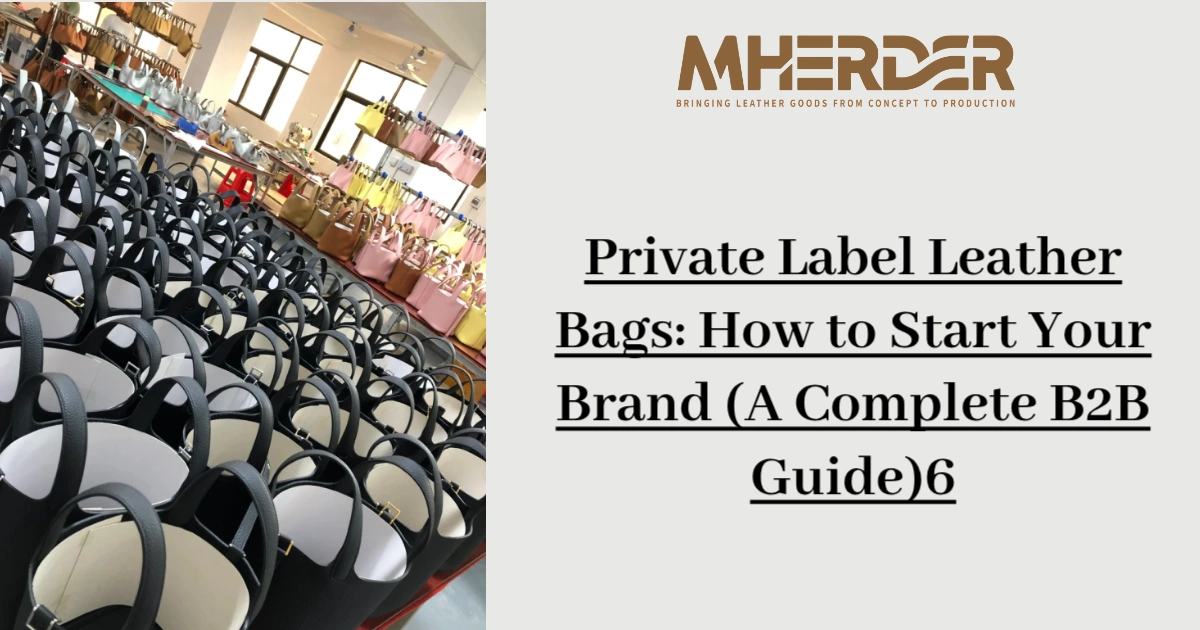
Starting a private label leather bag brand is an effective way for entrepreneurs to enter the luxury goods market with minimal costs and hassle. The process involves choosing existing designs from a leather bag manufacturer’s catalog and branding them with your own logo. There are three primary options: stock + logo, semi-custom, E full custom production. Each offers varying levels of flexibility and cost-effectiveness. Key considerations for success include understanding Quantità minima ordinabile (MOQ), production cost structures, E leather material procurement. This guide outlines a step-by-step approach to launching your brand—from defining your niche to mass production, branding, and market testing.
Introduction: The Reality of Leather Bag Sourcing
It looks easy to start a leather bag business: simply decide on a design, add a logo, and sell. However, the reality is that most new fashion brands struggle with the sourcing and manufacturing process. This is often because the leather goods production process is not well understood. Many buyers overlook critical business aspects like MOQ (Quantità minima ordinabile) e il fixed cost structure of a professional factory. This lack of knowledge leads to poor decisions regarding prezzi all'ingrosso and inventory management.
Private label manufacturing is the best entry strategy. It allows you to use proven, existing designs and brand them as your own, eliminating the need for expensive R&D and original pattern making.
Step-by-Step: How to Start Your Private Label Brand
Step 1: Define Your Product and Market
Start with clarity.
Decide:
- What kind of bag do you want to sell? (tote, crossbody, backpack)
- Who is your customer?
- What kind of price point are you looking to achieve?
This step will determine all other decisions. If you don’t make this step, you might end up with products that don’t fit your market.
Step 2: Choose Your Production Approach
Decide on the way you want to produce your bags.
- Stock and logo if speed and low risk are important to you
- Semi-custom if differentiation is important to you
- Full custom if you have experience and/or budget for it
For most beginners, stock or semi-custom is the most practical option.
Step 3: Sampling
Create a sample of the product before mass production.
This enables you to:
- Test the quality of the materials used.
- Test the stitching and overall design.
- Test the size of the product.
Do not skip this step.
Make the necessary changes as required before the final product is approved.
Step 4: Production
The final step is the actual production of the product.
At this stage:
- Ensure all the specifications are clear.
- Ensure the materials match the ones in the approved sample.
- Communicate with the supplier.
Ensure consistency.
Small mistakes at this stage can affect the entire batch of the product.
Step 5: Branding and Packaging
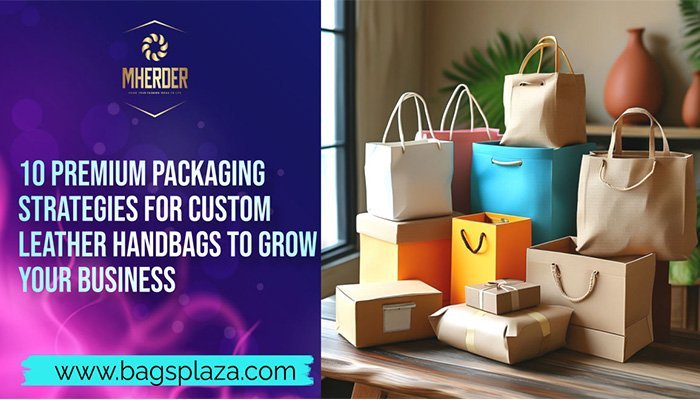
Your brand is more than just the logo on the bag.
It also includes:
- Labels and tags
- Packaging designs
- Presentation
These will have an impact on the perception of your product by customers.
Effective packaging can make customers feel that the product is more valuable without changing anything about the product.
Step 6: Launch Strategy
Start with a manageable quantity.
Avoid over-ordering in your first batch.
Test your product in the market:
- Test the product in the market.
- Sell your product via your website or social platforms.
- Gather feedback from customers.
Make improvements for the next order. This will help you avoid risks while improving your product for the next order.
Step 7: Marketing and Promotion
Once you have tested the market, focus on growing your brand visibility:
- Content Creation: Use high-quality imagery and storytelling to showcase your brand identity.
- Posizionamento: Clearly communicate your brand’s unique value to your target market.
- Platform Engagement: Utilize social media to build a community around your products.
- Coerenza: Ensure your marketing materials match the quality and style of your physical product and packaging.
What Private Label Actually Means for Your Brand
The concept of private label leather goods is based on using designs already available in a manufacturer’s catalog. It does not require developing a new product from scratch; instead, you select a silhouette and personalize it. Personalization options include:
- Logo Application: Embossed logo, engraving, or custom metal hardware.
- Branding Details: Custom inner woven labels and swing paper tags.
- Custom Packaging: Branded dust bags and shipping boxes.
From a production efficiency standpoint, private labeling is quick because there is no need to develop new paper patterns or expensive metal cutting dies.
Two Types of Private Label Options
- Stock + Logo: Choose from ready-to-ship designs and add an engraved logo. This is the fastest time-to-market
- Semi-Custom: Modify specific elements like leather type, colorway, or hardware finish. This offers better brand differentiation with a typical bulk production time of 1 month.
Real Cost Structure: Why MOQ and Pricing Work This Way
To understand private label correctly, one must first understand the underlying costs. There are fixed costs that must be paid for production, regardless of how simple the project is.
The Composition of Fixed Costs
These costs remain constant and do not change based on the number of items produced:
- Campionamento: The initial development and adjustments of the product.
- Cutting Dies: The specific molds required for cutting the leather shapes.
- Labor Wages: The base cost of the skilled workers required to operate the line.
- Factory Rent and Utilities: The overhead costs of maintaining the production facility and energy consumption.
- Machine Depreciation: The cost associated with the wear and tear of production machinery over time.
Material Procurement and Efficiency
Beyond fixed costs, raw materials like leather and hardware are typically procured in large quantities. Factories cannot source these materials in small amounts for individual orders without significantly increasing the cost.
Furthermore, production operates on an assembly line principle. Each worker is responsible for a specific task, and efficiency is gained only through high-volume repetition.
The Impact of Low Quantities
When the order quantity is low, the business faces several financial disadvantages:
- Fixed Cost Distribution: The total fixed costs (rent, dies, sampling, etc.) are distributed over fewer items, sharply increasing the cost per unit.
- Reduced Material Efficiency: Small batches often lead to more waste during the leather cutting process.
- Suboptimal Labor Efficiency: Workers cannot reach their maximum speed or “optimum efficiency” on short runs.
The Bottom Line
A common misconception among buyers is that fewer items will result in a lower cost. However, the reality is that fewer items mean a higher cost per item because the production never reaches optimum efficiency. Understanding this relationship is essential for accurately planning your brand’s budget.
Private Label vs Full Custom
The choice between private label and full custom depends on your position as a brand.
Private label provides you with:
- Lower upfront cost
- Lower MOQ
- Faster production timeline
- Simpler process
But you will lack differentiation. You will be using existing structures, and differentiation will come only through your brand.
Full customization provides you with:
- More control over your design
- More brand identity
- More differentiation for your products
Full customization is not easy or quick. You will need to provide your own images and design files. If a new metal logo is required, it will take 7-10 days to make a new mould. Sample creation typically takes 1-2 weeks. It’s best to confirm the samples before proceeding with mass production. Overall, the entire process will take around 2 months.
For new brands, private label is better. It gives you a way to test your market and your customers before you start to invest in custom development.
Production Risks and Common Issues
Sourcing is where many new brands encounter problems.
Common problems that can be encountered are:
- Differences in sample and bulk production
- Differences in texture or color of leather
- Differences in the quality of hardware
- Delays in sourcing
- Miscommunication regarding product information
You can reduce these risks with a few actions:
- Providing a reference sample or tech pack
- Confirming material information before production
- Asking for progress during production
- Inspecting the product before shipping
These steps help maintain quality and avoid costly mistakes.
MOQ and Budget Planning
MOQ will depend on the kind of production you choose.
For stock designs, the minimum order may range from 20 pieces. For semi-custom and custom orders, the minimum order may range from 100 pieces or higher.
Your cost will not only include the production cost.
You also need to consider:
- It will also include the cost of shipping, branding, packaging, and import duty, if applicable.
- Many new brands do not take these costs into account.
- The biggest risk is the risk of over-ordering, which may take too long to sell out.
Before placing an order, ask yourself:
Can I sell my first batch within a reasonable time frame?
If the answer is not clear, consider ordering in smaller quantities, even if the cost is higher for each item.
Common Mistakes to Avoid
New brands often make similar mistakes when starting.
- Beginning with full customization too early
- Not considering the MOQ in the price
- Selecting suppliers by price only
- Skipping the sampling phase
- Entering the market without a clear positioning strategy
All of these increase risks.
The better strategy is to begin simple, learn from your first order, and improve with each order.
How Pastore di Guangzhou Supports Private Label Brands
Guangzhou Herder is a company that works with new brands as well as growing brands.
They offer:
- Low MOQ options for stock designs
- Support from sampling to production
- They have experience working with new brands
They are flexible in their approach.
Order size as well as production method can be adjusted according to your needs.
Conclusione
The best way to start your own leather bag brand is by going into private label. This is because it is the easiest way to enter the leather bag industry without much cost or hassle. The only way you can succeed in your leather bag business is by understanding how it is made. MOQ, cost structure, and material sources all contribute to your success. If you go into leather bag manufacturing with this knowledge, you will avoid making mistakes as well as lay down a strong foundation for your brand.
If you are planning to go into leather bag manufacturing, you can share your product idea, price range, and order quantity expectations with them.
This will give you accurate information regarding MOQ, cost estimates, and production feasibility.
Domande frequenti
- What is a private label for leather bags?
Private label involves choosing existing leather bag designs and branding them with your own logo. This allows you to enter the market without creating a new design from scratch. - What are the different types of private label options?
There are three types: stock + logo (quick and easy), semi-custom (with some customization like color and leather changes), and full custom (creating a completely new design). - How long does the semi-custom process take?
Semi-custom orders typically take around 1 month to complete, as they involve changes to the product’s materials, color, or hardware. - What are the fixed costs involved in private label production?
Fixed costs include sampling, cutting dies, labor wages, factory rent, utilities, and machine depreciation, which remain constant regardless of the order size. - How does the minimum order quantity (MOQ) affect pricing?
Smaller order quantities increase the cost per item due to the higher distribution of fixed costs and reduced material efficiency. - What is the difference between private label and full custom?
Private label is more cost-effective and faster, but lacks differentiation. Full custom provides more control over design but comes with higher costs, larger MOQs, and longer development times. - How do I choose the right production approach for my leather bags?
For speed and low risk, stock + logo is the best. For more flexibility and differentiation, semi-custom works well, while full custom is ideal if you have the budget and design experience. - How important is the sampling process before mass production?
Sampling is crucial to test the product’s quality, materials, and design before moving to full production. It’s essential to confirm all details to ensure consistency. - What should I include in my branding and packaging?
Branding includes more than just the logo. It involves labels, tags, packaging design, and presentation, all of which influence customer perception of the product’s value. - What are the common mistakes to avoid when starting a private label leather bag brand?
Common mistakes include starting with full customization too early, not considering MOQ in pricing, choosing suppliers solely based on price, skipping the sampling phase, and lacking a clear market positioning strategy.