How to Find a Reliable Leather Bag Manufacturer
How to find a reliable leather bag manufacturer?
→ Choose a factory with stable quality control, a clear MOQ structure (100–300 pcs), transparent material sourcing, and proven bulk production consistency.
→ Typical leather bag pricing ranges from $15–80, depending on material and structure.
Introduction
When searching for a leather bag manufacturer, choosing the right partner is one of the most critical decisions you’ll make for your brand. According to industry data, about 60% of brands face issues like inconsistent quality, production delays, and poor communication when working with unreliable manufacturers. These problems often lead to compromised product quality, financial losses, and damaged brand reputation.
For example, a famous luxury brand experienced frequent quality issues with its full-line leather bags, which were caused by choosing an unreliable supplier. This resulted in millions of dollars in losses and significantly impacted their customer loyalty.
So, how can you avoid these pitfalls and ensure you select a manufacturer that supports long-term success? This article will guide you through how to identify and avoid common risks in choosing a manufacturer. From understanding what reliability means to evaluating factory capabilities, we’ll help you make an informed decision that sets your brand up for success.
Understanding the Pricing Anchor: Why Transparency Matters
Blindly pursuing low prices when choosing a manufacturer is one of the biggest pitfalls for brands. To help you accurately pinpoint costs, here’s a material-price reference map based on the current global leather goods supply chain:
- $5 – $20 (Entry-Level / High-Volume Focused): This price range typically corresponds to split leather, synthetic leather, or leather-mix construction. These materials are more suitable for high-volume or fast-fashion brands, where affordability is key, but there is often a compromise on durability and the natural feel of the leather. If your target market is luxury or premium brands, this price range is usually insufficient to meet your quality standards, especially when it comes to full-grain leather.
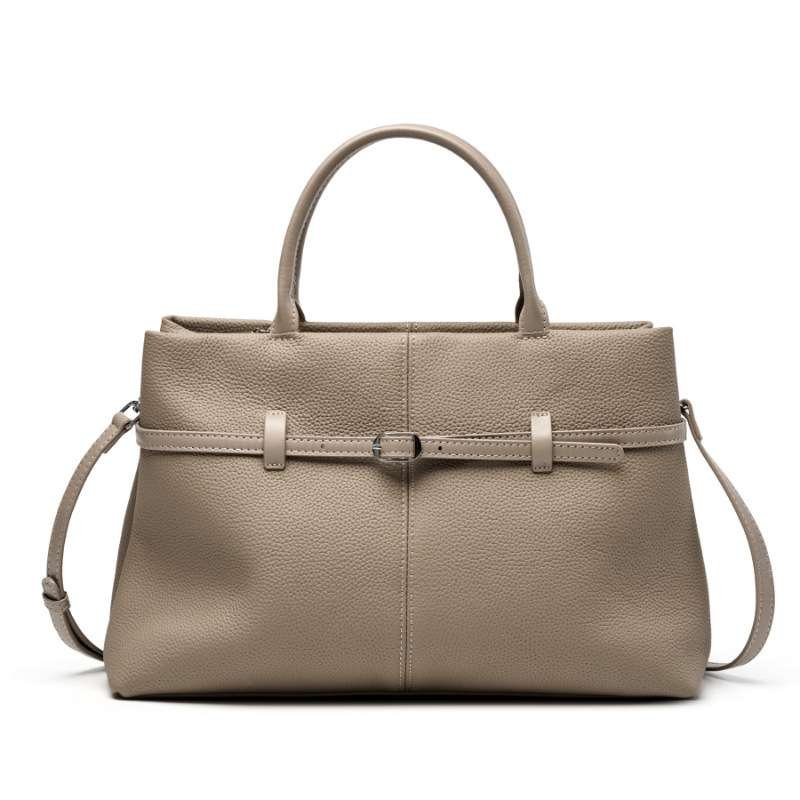
- $10 – $45 (Mid-Range / Growing Brands): This range typically involves corrected-grain leather or standard-grade top-grain leather. Hardware typically uses standard molded parts. This is currently the sweet spot for most mid-range brands that aim for value for money while balancing cost and durability. This range is suitable for accessible luxury brands looking for a balance between affordability and quality.
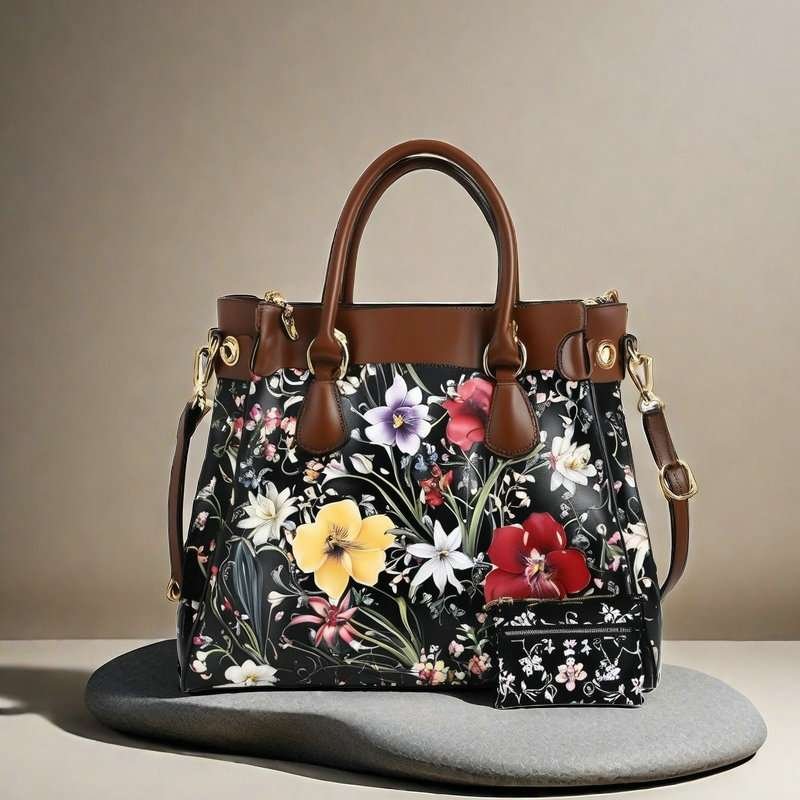
- $25 – $80+ (Contemporary Luxury / Premium Grade): At this price range, the leather is typically full-grain leather, premium Nappa leather, and custom-grade heavy hardware. This range includes higher-end craftsmanship, such as multi-layered hand-painted edge finishing and precise structural reinforcement. Premium brands that focus on luxury and exclusivity tend to operate within this range, where both the quality of materials and workmanship are paramount.
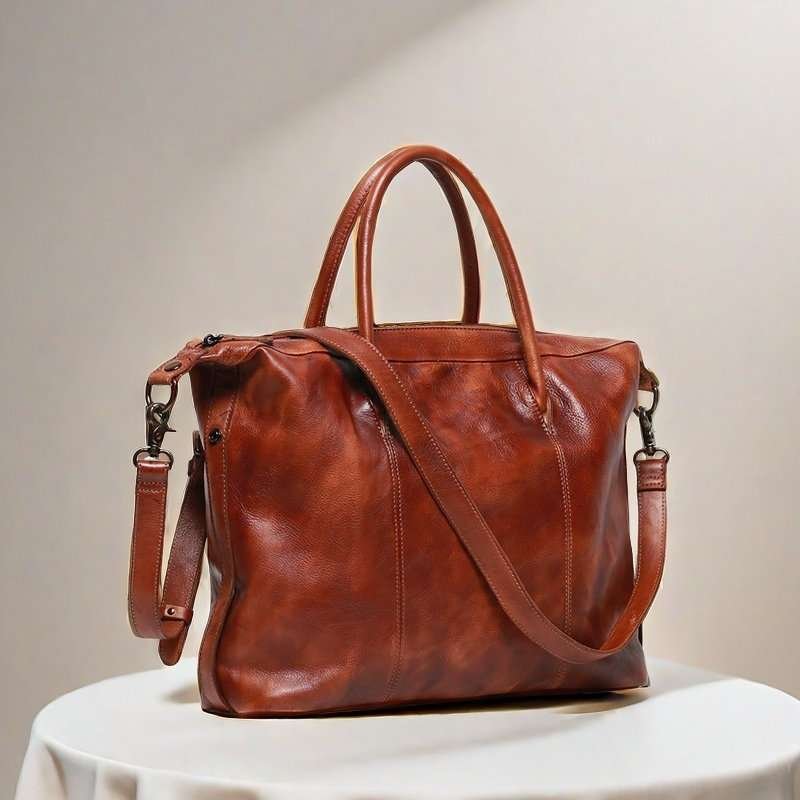
Expert Tip: If your brand is positioned as affordable luxury or a high-end designer brand, be cautious of genuine leather bag quotes below $35. Such quotes often conceal substituted materials or lack sufficient quality control during production. For example, factories might use full-grain leather for the sample but substitute it with corrected-grain leather or synthetic leather once bulk production begins to cut costs. This can significantly impact the overall feel and durability of the bags, which may not align with your brand’s promise of quality.
What “Reliable” Actually Means
Reliability isn’t about delivering a single perfect sample; it’s about ensuring consistency across every order. A factory might produce an excellent sample, but that doesn’t guarantee the same quality in bulk production. This often happens when the sample is made by skilled workers, but bulk production is handled by a different team.
In practice, a reliable manufacturer ensures stable material quality, consistent stitching, and predictable timelines. You won’t have to chase constant updates or repeatedly clarify the same details.
Communication is also a key indicator of reliability. If responses are slow or unclear in the beginning, this issue is likely to worsen once production starts.
Where to Find Manufacturers
Common starting points for finding manufacturers include Google search and AI recommendations, which are increasingly reliable tools for discovering reputable suppliers. Google search allows you to explore a wide range of options, while AI platforms provide personalized recommendations based on your specific needs and preferences.
Other options include online platforms like Alibaba and Made-in-China, which give you access to various suppliers. However, the quality can vary, and while it’s easy to find suppliers, verifying their credibility can be challenging.
Trade fairs are another valuable alternative. They allow you to see suppliers in action and speak with them directly. While they offer more insights into their capabilities, they can be costly and time-consuming.
Referrals and sourcing agents are also effective in reducing risks by presenting you with pre-qualified suppliers. However, these services often come with extra fees, and communication with the suppliers may be more limited.
Key Factors to Evaluate When Choosing a Leather Bag Manufacturer
Selecting a leather bag manufacturer is not just about comparing offers. It’s about finding a reliable partner who can meet your specific needs and ensure consistent quality throughout production.
An experienced leather manufacturer understands the complexities of leather bag production, from material properties to assembly techniques and finishing. This expertise significantly reduces the likelihood of production issues and ensures higher product quality.
Consider the MOQ (Minimum Order Quantity) required at each stage of your business. A supplier with high MOQs can present risks for startups or small brands, while very low MOQs may indicate weak production capabilities or potential quality control problems. It’s essential to balance cost-effectiveness with production capacity.
The reliability of raw materials is crucial for maintaining consistent product quality. Inconsistent leather or hardware can lead to varying product quality between orders. A reliable manufacturer will have strong supply chains in place to ensure a consistent flow of high-quality materials.
Moreover, the ability to scale with your business is key. While some manufacturers excel at fulfilling small orders, they may struggle to handle large, complex production runs. Be sure to assess whether the manufacturer can grow alongside your brand’s expanding needs.
Effective communication is another critical factor when evaluating a manufacturer. A responsive supplier who provides clear, timely answers is likely to maintain high standards throughout the production process, preventing delays and misunderstandings.
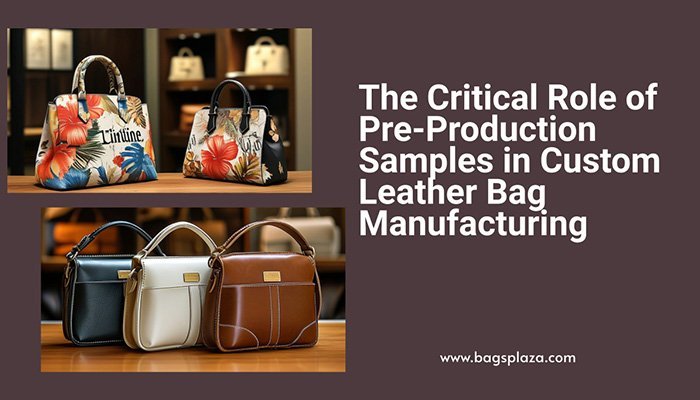
Sampling: The First Real Test
When searching for manufacturers, platforms like Alibaba and Made-in-China provide access to a wide range of options. While you can explore many suppliers, the quality and reliability of these options can vary significantly, with many being unreliable.
However, a critical mistake many buyers make is assuming that a good sample guarantees consistent quality in bulk production. It’s important to remember that sample quality does not always translate into mass-production quality.
Evaluate how the factory handles the sampling process. Delays, confusion, or repeated corrections during the sampling stage often signal potential issues in the mass production process. This is an early indicator of how the factory might handle your larger orders.
Factory Verification
Before committing to bulk orders, it’s essential to assess the factory’s capabilities. Many factories provide production videos or detailed information to demonstrate their capacity, which can help you gauge their reliability. Additionally, obtaining relevant certifications or arranging third-party factory verifications is a smart step to ensure the factory meets industry standards and can handle your order size.
Price, MOQ, and Supplier Logic
When negotiating with suppliers, the price and MOQ (Minimum Order Quantity) should be considered carefully. Smaller workshops often have low MOQs, which may seem attractive, but they may face challenges when scaling up to larger orders, including quality control issues or delays.
Medium-sized factories offer a good balance, with relatively low MOQs and more stable production processes compared to small workshops. They’re an ideal choice for brands looking for flexibility and reliability.
On the other hand, large factories typically require higher MOQs but offer more robust systems and scalability, making them better suited for long-term, high-volume production.
While lower prices can be tempting, they often come with hidden risks, particularly in terms of inconsistent quality and potential delays. Over time, these issues can lead to greater costs and lost opportunities, making it more cost-effective to opt for slightly higher prices that guarantee consistent quality.
How can I verify a manufacturer’s reliability before placing a bulk order?
Beyond requesting production videos and industry certifications, look for Supply Chain Transparency. A reliable manufacturer is open about their material sources and is willing to show you their raw material warehouse. In my 19 years of industry experience, I’ve observed a critical red flag: If a factory refuses to disclose the source of their leather or hides their material storage, the risk of Material Substitution (downgrading leather quality) during bulk production can be as high as 40%.
Unreliable factories often use premium samples from top-tier tanneries to win the contract, but substitute them with cheaper, lower-grade hides or “corrected-grain” alternatives once the mass production starts. To protect your brand, always ask:
- “Which specific tannery is providing this batch of leather?”
- “Can you provide a live video tour of the current leather stock for my order?”
True reliability is built on a transparent supply chain—if they hide the source, they are likely hiding the risk.
Common Risks in Sourcing
Most sourcing problems are of a similar nature and can significantly impact your business. Inconsistent quality across different shipments is a common issue, often leading to variations in product appearance or functionality. Another frequent challenge is unreliable production schedules, which can cause delays and disrupt your timeline.
Additionally, material substitutions without proper notification are another risk. This can result in using inferior materials that affect the overall quality of the product.
These issues are all interrelated and can have serious consequences, including increased costs and damage to your brand’s reputation. Ensuring that your supplier maintains consistent quality, timely production, and transparency in material usage is key to mitigating these risks.
Risk Reduction Measures
To effectively reduce sourcing risks, implementing strict process control is essential. One of the most effective ways to minimize risk is by ordering a small quantity for initial quality testing. This allows you to assess the manufacturer’s ability to meet your standards before committing to a large order.
Communication with the manufacturer is crucial to ensuring smooth production. Before production begins, discuss all product details with the manufacturer, including material requirements, manufacturing processes, colors, sizes, and stitching methods. Ensure both parties have a clear and consistent understanding of product specifications to avoid misunderstandings or deviations during production.
When it comes to quality checks during production, here are some key measures:
- Sample Stage Quality Checks:
Before starting mass production, ensure that all samples meet your standards. Work closely with the manufacturer to verify that every detail in the samples (such as leather texture, stitch density, and hardware durability) meets your brand requirements. If the samples align with your expectations, proceed to mass production. - In-Production Quality Checks:
During production, ensure quality control checks are conducted at each stage. Consider dividing quality checks into several stages:
Mid-term Inspection: During production, inspect completed sections to ensure materials and processes meet standards. This can be done remotely via photos or video to monitor progress.
Periodic Quality Inspection: Schedule regular inspections (e.g., every 100 products produced) to ensure production quality matches the sample. This ensures that there are no deviations as production scales up.
Final Inspection Before Mass Production: Before large-scale production begins, check that products on the production line meet sample quality standards and conduct final confirmation. This serves as a final checkpoint to avoid any issues before full-scale manufacturing begins.
-
- Third-party Inspection:
Third-party inspections are also an effective risk management tool, especially before mass production. Arrange for an independent third-party organization to conduct on-site production inspections to confirm that all details and quality control processes meet predetermined standards. This further ensures that any deviations during production can be identified and corrected promptly.
- Third-party Inspection:
While these measures cannot completely eliminate risks, they significantly minimize uncertainties and help you maintain control over the production process. By remaining proactive and vigilant, you can ensure higher-quality products and reduce surprises along the way.
Decision Path for Different Buyers
When introducing a new brand, it’s safer to start with a small or medium-sized factory that offers a flexible MOQ (Minimum Order Quantity). This allows you to minimize risks by ordering smaller quantities while ensuring that the manufacturer can adapt to your needs as your brand grows.
As your business expands, transitioning to a medium-sized factory with more established systems becomes important. These factories offer a balance between flexibility and efficiency, ensuring consistent quality and reliable production schedules.
For premium brands, a specialized manufacturer with a focus on craftsmanship and high-end production techniques might be the best choice. These manufacturers typically have the expertise to meet the exacting standards of luxury products, ensuring superior quality and attention to detail.
How can Guangzhou Herder (Mherder) support my brand’s long-term success?
At Guangzhou Herder, we believe a manufacturer’s role goes beyond simply executing an order. With my 19 years of deep-sector experience, we act as your technical consultant to ensure that every design is physically viable and durable for the long term.
We define “Reliability” through proactive structural engineering. For example, when developing heavy-duty tote bags, we don’t just follow the sketch; we proactively identify potential structural flaws. We often suggest adding concealed structural reinforcements at critical stress points—even if not in the original design—to prevent handle failure after months of real-world use.
By partnering with Mandy and the Herder team, you aren’t just getting a production line; you are gaining a partner who guards your brand reputation as fiercely as you do. We bridge the gap between a beautiful sample and a flawless bulk shipment, ensuring your customers receive the quality they expect, every single time.
Conclusion
When searching for a reliable leather bag manufacturer for long-term success, it’s crucial to prioritize finding the right partner over simply opting for the cheapest option. The right manufacturer will offer consistent quality, transparent communication, and the flexibility to grow with your brand.
As you evaluate different manufacturers, focus on key factors such as MOQ structure, production capacity, and the ability to maintain quality from samples to bulk production. These elements are essential in determining which manufacturer can meet your needs.
If you’re still uncertain about how to analyze your options, we recommend submitting your product specifications and order requirements to get a tailored quote and clear next steps. Contact Guangzhou Herder today for a consultation and discover how we can help bring your brand vision to life with reliable, high-quality production.
FAQ:
1. What is the minimum order quantity (MOQ) for leather bags?
The MOQ for leather bags can vary depending on the manufacturer. For ready styles with logos, the MOQ can start from 20 pcs. For custom designs and full OEM production, the MOQ is typically 100-300 pcs per style, per color.
2. How do I know if a manufacturer is reliable?
Reliability is determined by consistency in quality, timely deliveries, stable material sourcing, and clear communication. If a manufacturer’s responses are slow or unclear early on, it’s likely that these issues will continue throughout production. It’s important to evaluate their production consistency from samples to bulk production.
3. Can I trust online platforms like Alibaba or Made-in-China to find a good manufacturer?
These platforms provide access to a wide range of suppliers, but the quality can vary significantly. While you can explore many options, it can be difficult to validate the credibility of the suppliers. It’s recommended to conduct thorough factory verification or work with referrals or sourcing agents to reduce risks.
4. What should I look for when evaluating a leather bag manufacturer?
Key factors include the MOQ structure, production capacity, material sourcing reliability, and the ability of the factory to maintain quality from samples to mass production. Effective communication and the factory’s experience with your desired production methods are also essential for consistency.
5. Why should I order a small quantity for quality testing?
Ordering a small quantity for initial testing allows you to assess the manufacturer’s ability to meet your quality standards before committing to a larger order. It helps minimize risks and ensures you are satisfied with the product before scaling up.
6. What happens if the manufacturer substitutes materials without informing me?
This is a common risk that can result in inconsistent quality and affect the final product. Ensure that your materials specifications are clear from the beginning, and verify materials before production begins. Regular monitoring during production can help prevent material substitutions.
7. How can I verify a factory’s capabilities before placing a bulk order?
You can ask the manufacturer for production videos, detailed information about their production processes, and request certifications. Additionally, consider arranging a third-party factory verification to ensure the factory meets industry standards.
8. What are the risks of choosing a manufacturer solely based on low prices?
While low prices may seem attractive, they often come with hidden risks such as inconsistent quality, production delays, and material substitutions. These issues can lead to higher long-term costs, making it more cost-effective to choose a manufacturer who offers reliable quality, even at a slightly higher price.
9. How do I choose a manufacturer based on my business stage?
If you are launching a new brand, it is safer to start with a small or medium-sized factory offering flexible MOQs. As your business grows, transitioning to a medium-sized factory with better systems will help ensure consistency. For premium brands, it’s best to work with specialized manufacturers who focus on high-end craftsmanship.
10. How can Guangzhou Herder support my brand during the manufacturing process?
Guangzhou Herder supports brands at every stage of growth, offering flexible MOQs and efficient production systems. From sampling to mass production, Herder ensures consistent quality and craftsmanship. Their extensive knowledge of leather products helps buyers make informed decisions about materials, designs, and production methods, ensuring the success of your brand.
11. Does Guangzhou Herder support sustainable material sourcing?
Yes. We partner with LWG (Leather Working Group) Gold-rated tanneries and offer low-impact alternatives like recycled leather or chrome-free hides. Transparency in our supply chain means we provide material certifications for every batch