
Lining Selection


Faux Suede Lining
Faux suede lining provides a soft, smooth, and premium-touch interior that enhances the overall quality perception of the bag. Its refined velvety texture creates a comfortable feel while protecting daily essentials, making it a popular choice for handbags, wallets, and travel accessories.
At the same time, it delivers excellent cost efficiency, offering a luxury-like appearance without significantly increasing production costs. With a wide range of rich and consistent color options, it allows brands to easily match different collections and create more distinctive, market-ready designs.

Customize Your Leather Goods With Cotton Lining Now
Cotton lining is a natural, breathable, and comfortable interior material widely used in leather goods. It provides a soft handfeel and good moisture absorption, helping keep the bag interior fresh and suitable for daily use. Its natural texture also gives a more classic and authentic look to the product.
At the same time, cotton lining is durable and cost-effective, making it a reliable choice for both premium and everyday bag collections. It works well for brands that value sustainability, comfort, and a more natural material positioning.
Printed Cotton Lining for Your project
Printed cotton lining combines the natural comfort of cotton with rich decorative patterns, adding a unique visual identity to the interior of leather goods. It offers a soft, breathable, and skin-friendly texture while enhancing the overall design aesthetic inside the bag.
With a wide variety of print designs and color options, it allows brands to create more distinctive and customized collections. At the same time, it maintains durability and practicality, making it a cost-effective choice for fashion-forward handbags, wallets, and travel accessories.


Satin Printed Lining
Satin printed lining features a smooth, glossy surface combined with vibrant printed patterns, creating a more refined and visually luxurious interior for leather goods. The silky texture delivers a soft touch and elegant appearance, enhancing the overall perceived value of the bag.
It is lightweight, comfortable, and suitable for fashion-focused designs, making it a popular choice for handbags, clutches, and premium accessory collections. With rich print possibilities and strong visual impact, it allows brands to create distinctive, high-end looking interiors while maintaining practical durability and production efficiency.
Why Custom Leather Goods with
Mherder China


One-Stop Solutions for Custom Leather Products
Professional Leather Goods Wholesaler in China
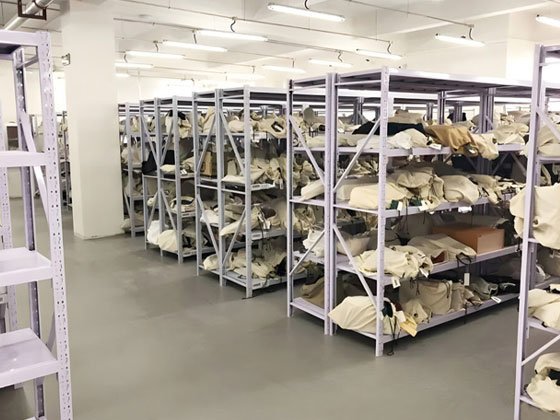
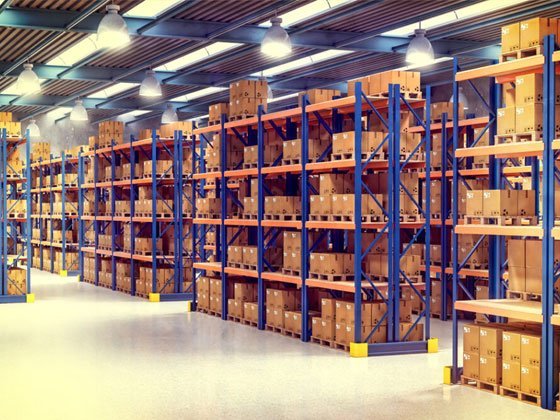
We have 5000+ Stock Inventory Designs available for your options. We offer lower MOQ, starting from 20 pieces per style for your market, which can greatly lower your inventory risk. In addition, our ready-to-ship leather bags can be delivered to you in 5-7 days after payment.
Wait! Don't Miss Out!


Still not finding what you’re looking for? Contact our consultants for more available products.
What Is the Best Lining for Bags? Complete Guide to Suede, Polyester, Cotton, Nylon & Microfiber
You open a sample bag from your manufacturer and immediately notice something wrong. The outer leather looks beautiful, but the lining feels cheap. Your retail buyers will spot this mismatch in seconds, and your brand positioning collapses before the first sale.
The best bag lining matches your outer material grade and target price bracket—suede or microfiber for genuine leather products, polyester or nylon for synthetic materials. No single lining works for all bags. Mismatched lining degrades perceived value or destroys profit margins, regardless of outer material quality.

Quick Sourcing Dashboard for Private Labels
- MOQ for Custom OEM/ODM Production: From 100 pcs per style/color for leather bags. From 300pcs per style for PU bags.
- MOQ for Ready-Stock Styles + Logo: From 20 pcs with rapid custom brand stamping
- Sample Lead Time:7 – 10 working days
- Bulk Production Time:25 – 35 days after pre-production sample approval
- Material Compliance: Full REACH & RoHS Certified Eco-Conscious Cottons, High-Density Polyesters, and Premium Microfiber Suedes
- Logistics & Delivery: Complete DDP (Delivered Duty Paid) Direct to US/EU Warehouses (All Tariffs, Customs, & Local Taxes Pre-Paid)
I am a pre-sales consultant at our leather goods factory in Guangzhou. Every week, I handle client discussions about lining selection during product development. The most common mistake I see is treating lining as a minor detail. Clients focus on outer leather quality and design, then pick the cheapest lining to save costs. This decision costs them far more than they save—in retailer rejections, customer complaints, and damaged brand reputation.
Why Does Lining Material Matter for Product Positioning?
Your lining choice signals product tier to everyone who handles your bag. Retailers open samples to check construction quality. Customers unzip pockets to examine interior finishing. Both groups make instant quality judgments based on lining material and hand feel.
Lining material must align with the outer material grade to maintain perceived product value. Premium outer materials require premium linings—luxury leather bags need suede, microfiber, or quality cotton to match customer expectations. Budget materials require budget linings—PU bags should use polyester or nylon to control costs without disappointing customers at that price point.
I recently worked with a startup brand developing a full-grain leather tote bag collection. The outer leather costs $5.00 per square foot. They selected nylon lining to save $0.60 per bag in production costs. The samples looked beautiful in photos, but when their retail buyer opened the bag at a trade show meeting, she immediately rejected the line. She said the cheap lining made the entire product feel mass-market, not premium. The client came back and switched to cotton lining. Their unit cost increased by $1.30, but they secured retailer placement and maintained the premium positioning that justified their retail price.
This pattern repeats constantly. Clients try to save small amounts on lining and lose large amounts in market positioning. The reverse also happens—brands use premium linings in synthetic bags, adding costs without a market value return. A client once insisted on microfiber lining for a PU crossbody bag collection. The microfiber added $3.20 per unit to production cost. Their target retail price was $45, leaving almost no margin after distribution costs. They had to raise the retail price to $59, which killed their competitiveness against similar PU bags selling for $35-50. Customers shopping in that price range expect PU materials throughout—the microfiber lining provided no perceived value advantage.
The core principle is simple: the lining tier must match the outer material tier and target price bracket simultaneously. Break this rule and you either damage brand perception or destroy unit economics.
If you only read one section, read this table first — it determines 80% of your product positioning success.
| Lining Material | Best Positioning | Suitable Bag Type | Retail Price Range | Cost Impact | Key Advantages | Main Limitations |
| Suede | Luxury / High-end | Full-grain leather bags, premium briefcases | $150+ | +$1.5–$4/unit | Premium feel, consistent luxury positioning | High cost, requires maintenance |
| Microfiber | Premium Mid-High | Leather totes, backpacks, business bags | $100–200 | +$2–$4/unit | Soft touch, durable, easy care | Not suitable for low-price PU bags |
| Cotton | Mid-tier Natural | Genuine leather handbags, small leather goods | $70–130 | +$0.5–$1.3/unit | Natural material story, breathable | Less durable, stains easier |
| Polyester | Budget / Cost control | PU bags, fashion bags | <$80 | Low-cost baseline | Cheap, durable, easy care | Low perceived luxury |
| Nylon | Functional / Lightweight | Backpacks, travel bags, gym bags | <$80 | Similar to polyester | Lightweight, strong durability | Less premium hand-feel |
Should You Use Suede Lining for Premium Leather Bags?
Suede lining works for luxury leather products targeting high retail prices. I see it specified for full-grain leather bags, top-grain leather briefcases, and high-end clutches where customers expect premium materials throughout.
Suede lining pairs with top-grain or full-grain leather for luxury positioning, providing soft hand-feel and natural material consistency. It costs $1.5-2 more per bag than polyester alternatives and requires customer education about maintenance—spot cleaning only, no machine washing. Use suede when your retail price exceeds $150, and your brand story emphasizes natural materials and premium construction.
When Suede Lining Makes Sense
Suede lining makes sense when three conditions align:
- Your outer material is genuine leather—full-grain, top-grain, or nubuck
- Your target retail price exceeds $150 per unit
- Your customer base values natural materials and accepts maintenance requirements
At our factory, clients typically specify suede lining for leather briefcases retailing above $200, luxury handbags targeting $300+ price points, and premium small leather goods like wallets and cardholders, where customers directly touch the lining.
The cost impact is significant. Standard suede lining adds approximately $2-3 per bag compared to polyester alternatives for medium-sized products. For smaller items like wallets, the increase is $0.30-0.80 per unit. For larger bags like travel duffels, suede lining can add $2-4 to production cost.
One European client produces full-grain leather weekender bags retailing at $420. They use suede lining throughout the interior. The suede adds $4.00 per unit to manufacturing cost, but their customers expect premium materials inside and outside at that price point. The suede lining reinforces the luxury positioning and justifies the retail price.

Common Suede Lining Mistakes
The most common mistake is using suede lining to “upgrade” mid-priced leather products. A client once specified suede lining for a bonded leather handbag collection targeting $65 retail. The suede added $2.50 per bag to production cost, destroying their margin structure. Worse, customers at the $65 price point do not expect suede lining—they expect standard polyester or cotton. The upgrade provided no market value.
Another issue is underestimating maintenance requirements. Suede requires spot cleaning only. Customers cannot throw suede-lined bags in washing machines. I always advise clients to include care instruction cards explaining suede maintenance. Without proper customer education, buyers may damage suede linings and blame product quality.
Factory standard practice shows suede works best for luxury leather products, where customers understand and accept maintenance needs. For mid-tier products or brands targeting convenience-focused customers, cotton or microfiber linings provide better tier matching without care complications.
Get a lining recommendation for your product line.
Is Microfiber Lining Worth the Extra Cost?
Microfiber lining sits between budget and luxury options. I see increasing demand from brands wanting premium hand-feel with easier care than suede.
Microfiber lining works for premium leather products needing durable, easy-care interiors with consistent soft hand-feel. It costs $2-4 more per bag than polyester alternatives and provides machine-washable convenience that suede cannot offer. Use microfiber when your retail price ranges $100-200 and your customers want premium materials without high-maintenance care requirements.
Microfiber vs Suede Positioning
Microfiber serves clients who want premium positioning but cannot justify suede costs or maintenance complications. Common applications include:
| Product Type | Retail Price Range | Why Microfiber Works |
| Top-grain leather totes | $120-180 | Soft hand-feel matches leather quality; machine-washable for daily use |
| Premium crossbody bags | $90-140 | Durable construction for high-frequency use; easy cleaning |
| Leather backpacks | $130-200 | Consistent texture across large interior surface; resists wear from daily items |
| Business briefcases | $150-250 | Professional appearance; stain-resistant for travel and office use |
The cost difference between microfiber and polyester typically runs $2-4 per bag for medium-sized products, $0.50-1.20 for small leather goods, and $4-7 for larger bags. This positions microfiber as a middle-tier option—more expensive than polyester but less expensive than suede.
I worked with an Australian brand developing a leather backpack collection. They wanted premium lining but worried about customer complaints if suede required special care. We recommended microfiber at $3.80 per unit, more than polyester. Their retail price was $165, which supported the cost increase. Customer feedback highlighted the “soft interior” in reviews, and the brand avoided maintenance complaints because customers could clean the microfiber with damp cloths.

When Microfiber Creates Problems
Microfiber creates problems when specified for synthetic outer materials. A client once selected microfiber lining for a PU tote bag collection targeting $55 retail. The microfiber added $3.20 per bag to production cost. At that price point, customers expect PU materials throughout. The microfiber provided no competitive advantage—similar bags with polyester linings sold at $45-50, making the client’s pricing uncompetitive.
The other issue is using microfiber to “fix” low-quality leather. I have seen clients select poor-grade leather at low cost, then add expensive microfiber lining, hoping to improve overall product perception. This strategy fails because customers evaluate outer material quality first. Poor leather combined with premium lining creates confusion about product positioning rather than elevating perceived value.
Factory standard practice shows microfiber works best for genuine leather products in the $100-200 retail bracket, where customers value soft hand-feel and easy care equally. Below $100, polyester makes more financial sense. Above $200, suede often provides better luxury signaling despite higher maintenance requirements.
Does Cotton Lining Make Sense for Mid-Tier Leather Bags?
Cotton lining balances natural material story with moderate costs. I see it specified for genuine leather bags targeting mainstream price brackets where customers appreciate natural materials but expect reasonable retail prices.
Cotton lining suits mid-tier genuine leather bags, balancing natural material story with moderate cost—typically adding $0.50-1.00 per bag compared to polyester alternatives. Use cotton when your outer material is genuine leather, your retail price ranges from $70 to $130, and your brand emphasizes natural, breathable materials. Cotton requires more care than synthetic options and shows wear faster, but customers at this price point often accept tradeoffs for natural material consistency.
Cotton Lining Cost-Value Balance
Cotton creates a natural material story that supports genuine leather positioning. Clients use cotton lining when their brand messaging emphasizes sustainability, natural fibers, or traditional craftsmanship. Common applications include:
- Top-grain leather totes retailing $85-120
- Genuine leather crossbody bags targeting $70-100 price points
- Small leather goods like cardholders and coin purses at $25-45 retail
- Fashion handbags combining leather and canvas materials
The cost impact runs approximately $0.50-3 per bag for medium-sized products compared to polyester lining. Cotton costs less than microfiber or suede but more than nylon or polyester. This positions cotton as the entry-level natural lining option.
One U.S. client produces leather tote bags retailing at $95. They use cotton lining throughout the interior, adding $1.10 per unit to manufacturing cost. Their brand messaging emphasizes “100% natural materials” and “traditional craftsmanship.” The cotton lining supports this story and meets customer expectations at the $95 price point. Using polyester would undermine the natural materials claim; using microfiber or suede would force retail price increases that lose market competitiveness.

Cotton Lining Limitations
Cotton shows limitations in durability and maintenance compared to synthetic alternatives. Cotton linings stain more easily than polyester or nylon. They fade after repeated washing. They wear through faster in high-stress areas2 like pocket corners and bottom seams.
I always inform clients about these tradeoffs during lining selection. Cotton works well when the brand story and target customer prioritize natural materials over maximum durability. Cotton does not work well for products targeting heavy daily use or customers expecting low-maintenance care.
Another consideration is cotton blends versus pure cotton. Many factories offer T/C (polyester-cotton) blends that reduce cost and improve durability compared to 100% cotton. These blends cost approximately $0.50-1 less per bag than pure cotton while maintaining some natural material story. Clients must decide whether their brand positioning requires “100% cotton” claims or accepts blended materials.
Factory standard practice shows cotton serves the mid-tier genuine leather market well—products retailing $70-130, where customers value natural materials but expect moderate prices. Below $70, polyester provides better cost control. Above $130, microfiber or suede often delivers a hand-feel that better matches premium leather quality.
Common Lining Selection Mistakes
Many brands lose margin or damage product positioning, not because of material quality, but because of incorrect lining decisions during development.
1. Upgrading the lining too much
Adding premium linings (like suede or microfiber) to mid or low-priced bags increases cost without improving perceived market value. Customers in lower price brackets rarely notice interior upgrades.
2. Mismatching price tier
Using luxury linings in synthetic or budget-positioned products breaks price consistency and forces unnecessary retail price increases, reducing competitiveness.
3. Ignoring customer expectations
Customers evaluate lining based on product category expectations. For example, PU bags are expected to use polyester, not cotton or microfiber. Misalignment often leads to confusion rather than added value. If you are unsure, our team can recommend the correct lining based on your target retail price and product positioning.
Should You Choose Polyester or Nylon Lining for Synthetic Leather Bags?
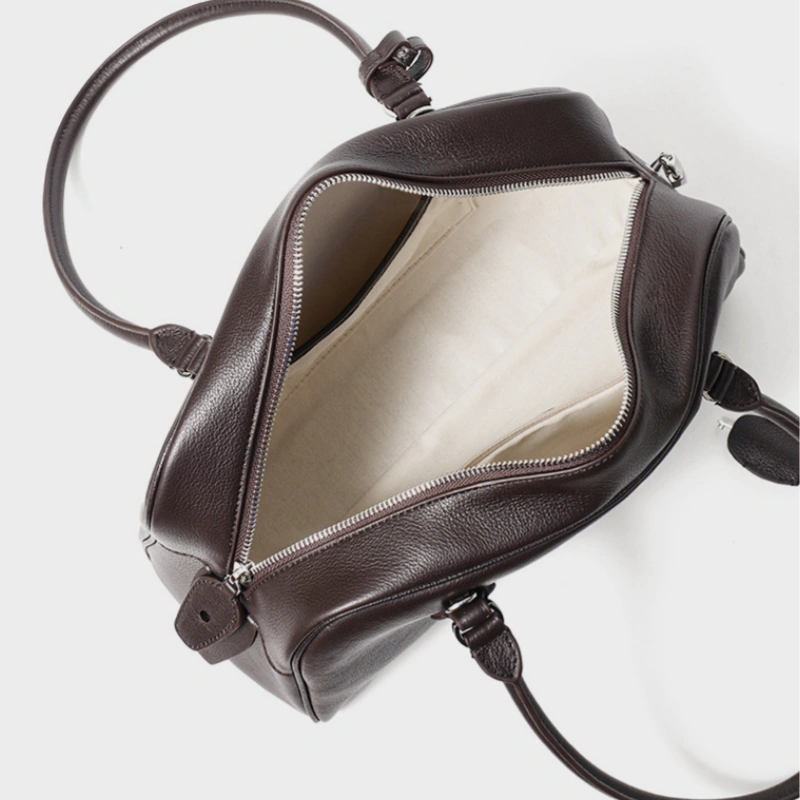
Polyester and nylon linings work for bags using PU, coated fabrics, or other synthetic outer materials. I recommend these linings when clients need to control costs while maintaining product consistency.
Polyester and nylon linings match PU and synthetic materials for cost-effective, easy-care products. Both materials cost approximately the same—$0.50-1.10 less per bag than cotton alternatives—and provide durability, stain resistance, and machine-washable convenience. Use these linings when your outer material is synthetic, and your retail price stays below $80, or when your customer base prioritizes easy maintenance over natural material stories.
Polyester vs Nylon Performance
Polyester and nylon perform similarly in most bag applications. Both resist staining, dry quickly, and withstand repeated washing. Both show consistent color over time and resist fading better than cotton. The main differences appear in hand-feel and weight:
| Material | Hand-Feel | Weight | Typical Cost Difference | Best Applications |
| Polyester | Slightly softer, more fabric-like texture | Medium | Baseline pricing | PU handbags, fashion bags, and daily-use products |
| Nylon | Smoother, more slippery surface | Lighter | $0.10-0.30 less per bag | Backpacks, gym bags, travel products needing lightweight materials |
At our factory, clients choose between polyester and nylon based on product type rather than quality differences. Backpack and gym bag orders typically specify nylon for lighter weight. Handbag and tote orders usually specify polyester for a softer hand feel. The cost difference between the two is minimal—$0.10-0.30 per bag for medium-sized products.
One Canadian client produces PU crossbody bags retailing at $42. They use polyester lining throughout, which costs $0.80 less per unit than cotton alternatives. At the $42 price point, customers expect synthetic materials and easy care. The polyester lining matches customer expectations perfectly—no one complains about “cheap lining” because the price signals budget positioning. The easy-care properties provide a practical advantage for daily use.
Common Synthetic Lining Mistakes
The biggest mistake is using polyester or nylon lining in genuine leather bags to save costs. A client once specified nylon lining for a full-grain leather briefcase, targeting $140 retail. The nylon saved $2.80 per unit compared to cotton lining. When they showed samples to potential retailers, three buyers rejected the line immediately. All three said the nylon lining made the briefcase “feel cheap” despite the beautiful outer leather. The client switched to cotton lining, accepted the $2.80 cost increase, and secured retail placement.
Another issue is assuming polyester or nylon automatically means “cheap.” Material quality varies significantly. Low-grade polyester feels thin and looks shiny in an unappealing way. Quality polyester has appropriate weight, matte finish, and soft hand-feel that works well in synthetic bags. The cost difference between low-grade and quality polyester is $0.30-0.60 per bag, worth paying for a consistent brand image.
Factory standard practice shows polyester and nylon work best for synthetic outer materials where cost control and easy maintenance drive purchasing decisions. These linings also work for genuine leather products targeting budget price brackets below $60 retail, where customers prioritize affordability over natural material consistency. Above $60, cotton becomes the minimum lining standard for genuine leather bags.
How Do You Match Lining Material to Your Bag’s Price Point?
Lining selection requires balancing outer material grade, target retail price, and customer expectations simultaneously. I walk clients through a decision framework that considers all three variables together.
Match lining to outer material tier first, then verify the choice fits target retail price and profit margin requirements. Genuine leather bags priced above $150 need suede or microfiber linings; leather bags priced $70-150 work with cotton or microfiber; leather bags below $70 can use polyester if positioned as budget products. Synthetic bags should use polyester or nylon regardless of price—upgrading lining material in synthetic bags adds cost without proportional market value return.
Three-Question Decision Framework
Before selecting lining material, I ask clients three questions:
- What is your outer material grade? Full-grain leather, top-grain leather, split leather, bonded leather, PU, or coated fabric? The answer determines the appropriate lining tier immediately.
- **What is your target retail price
Stop Treating Your Handbag Lining as a Minor Detail. Start Designing It as an Invisible Skeleton.
Unsure whether your current handbag collection requires the structural rigidity of premium microfiber suede or the lightweight high-turnover agility of double-woven nylon? Don’t leave your product return rates and luxury perceived value to guesswork. Contact us at Mherder today to submit your tech packs or reference samples for a comprehensive 内衬结构优化与材料对齐审计 (Lining Structural Engineering & Sourcing Alignment Audit) and an All-Inclusive Landed DDP Pricing Simulation.
- “The impact of value perceptions on purchase intention of … – PMC”, https://pmc.ncbi.nlm.nih.gov/articles/PMC7847243/. Consumer behavior research on luxury goods demonstrates that buyers assess product quality through multiple material cues, including interior finishes, with material consistency between exterior and interior components influencing perceived authenticity and value. Evidence role: expert_consensus; source type: research. Supports: that consumers evaluate luxury products based on both visible and hidden quality indicators. Scope note: The research addresses general luxury product evaluation rather than establishing specific lining material requirements for bags ↩
- “Natural Fibers: Why Are They Still the Missing Thread in the Textile …”, https://pmc.ncbi.nlm.nih.gov/articles/PMC11270977/. Textile performance research demonstrates that cotton’s cellulosic fiber structure absorbs liquids more readily than polyester’s hydrophobic synthetic fibers, affecting stain resistance, while abrasion testing shows that cotton fibers typically exhibit lower tensile strength and greater wear under repeated stress compared to polyester. Evidence role: mechanism; source type: research. Supports: that natural cotton fibers exhibit different performance characteristics than synthetic polyester in durability and stain resistance. ↩
- “Polyester – Wikipedia”, https://en.wikipedia.org/wiki/Polyester. Textile manufacturing standards indicate that polyester fabric characteristics vary significantly based on fiber denier (thickness), yarn construction, weave density, and finishing treatments, with these variables affecting fabric weight, surface appearance (from high-gloss to matte), and tactile properties, allowing production of polyester fabrics across a wide quality spectrum. Evidence role: mechanism; source type: education. Supports: that polyester fabrics vary in quality based on manufacturing specifications. ↩
Frequently Asked Questions
For genuine leather bags, the best linings are suede, microfiber, or cotton, depending on price positioning. Suede is used for luxury bags, microfiber for premium mid-high range, and cotton for mid-tier products.
PU and synthetic bags typically use polyester or nylon lining because they are cost-effective, durable, and easy to maintain. These materials match budget or fashion-focused positioning.
Suede lining is worth it only for luxury products priced above $150. It enhances premium perception but increases cost and requires careful maintenance.
👉 We can source and match lining materials based on your product positioning. MOQ starts from 100 pcs per style.
Suede offers a more luxurious natural feel but requires maintenance. Microfiber is more durable, easier to clean, and more suitable for daily-use premium bags.
Cotton lining is suitable for mid-tier leather bags but is less durable than synthetic linings. It may stain or wear faster under heavy daily use.
Polyester lining is widely used because it is low cost, durable, lightweight, and easy to produce consistently. It is ideal for PU and budget fashion bags.
Not always. Upgrading lining only adds value when it matches the outer material and target price. Otherwise, it increases cost without improving market perception.
Nylon is often the best choice for backpacks and travel bags because it is lightweight, strong, and more durable under frequent use.
Lining directly influences perceived quality. Customers and retailers often judge internal finishing, which can upgrade or downgrade brand perception instantly.
The most common mistake is mismatching lining with price positioning—using premium lining in low-end products or cheap lining in luxury leather goods.
Yes. We can precisely match lining materials to your leather type, color tone, and product positioning.
Our development team evaluates leather texture, thickness, and color depth to recommend suitable lining options such as suede, microfiber, cotton, or nylon.
👉 This ensures a consistent interior-exterior material balance for your brand. If needed, we can develop custom-dyed lining to match your leather sample.
For customized lining (color, material, or texture adjustments), our standard MOQ is 100 pcs per style/color for leather bags.
For fully custom developments with special dyeing or exclusive materials, MOQ may vary depending on sourcing requirements.
👉 We support both small-batch sampling and scalable mass production for OEM/ODM projects.
Yes. We can provide lining swatch cards and material samples before bulk production.
This allows you to evaluate:
Texture and handfeel
Color accuracy
Thickness and durability
👉 Swatches can be shipped together with prototype samples to accelerate approval.
We ensure color consistency through a controlled material management system:
Approved master sample for every lining type
Batch-to-batch color calibration under standardized lighting
Incoming material inspection for dye lot variation
Inline QC checks during production
👉 This process ensures consistent lining appearance across repeat orders, even months apart.

Elevate Your Brand with Mherder
Take your brand to the next level with Mherder, Guangzhou’s trusted leader in premium leather bag manufacturing. Perfect for importers, brand owners, Amazon sellers, retailers, and wholesalers, we provide free designs and customization services to bring your vision to life. With a catalog of over 5000 styles, we offer everything from leather bags to accessories, all crafted with exceptional quality.
Download your free market report and competitive analysis now to gain insights and stay ahead in the industry!
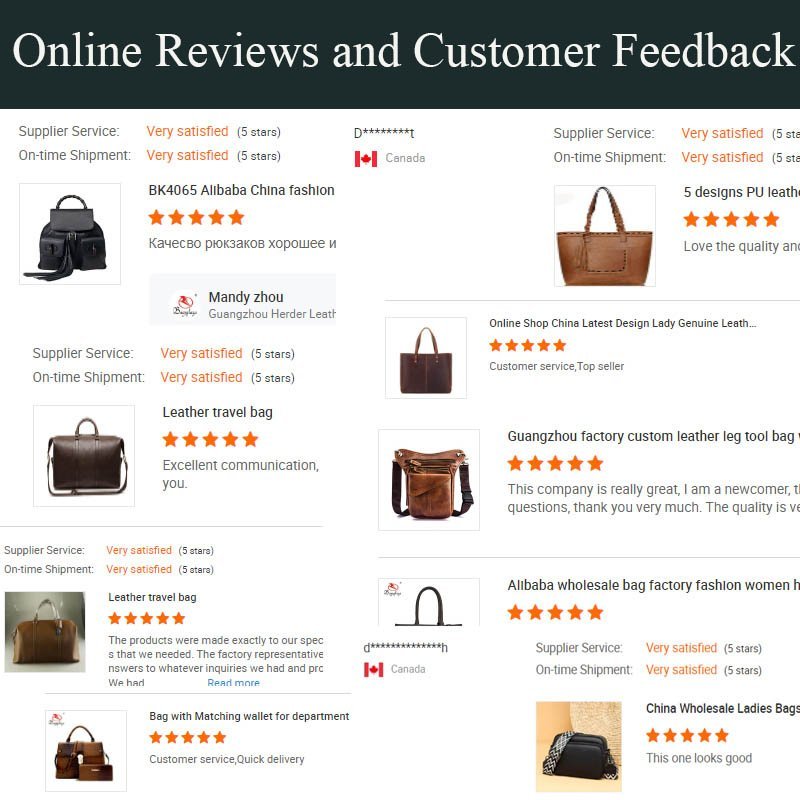
Customer Testimonials
Our company collaborated with Mandy to customize a batch of leather tote bags, and we are thoroughly satisfied with the overall quality. The leather is soft yet durable, and the craftsmanship is impeccable, fully meeting our brand standards. The customization process was smooth, with clear communication and a professional, efficient team. Orders were delivered on time, making Herder company a reliable partner for long-term collaboration.
 Emily RobertsBrand Manager
As a retail business, we needed unique designs for our leather tote bags to enhance our brand image. Herder company offered a wide range of customization options, including colors, styles, and logo emboss, effectively meeting our requirements.
 Michael ThompsonCEO
Among numerous suppliers, we chose Herder for large-scale customization due to their reasonable pricing and consistent quality. The leather material is top-notch, and the attention to detail is precise with no defects. Throughout our partnership, Elva was responsive and handled orders efficiently, significantly improving our supply chain efficiency.
 Olivia HarrisProduct Development Lead
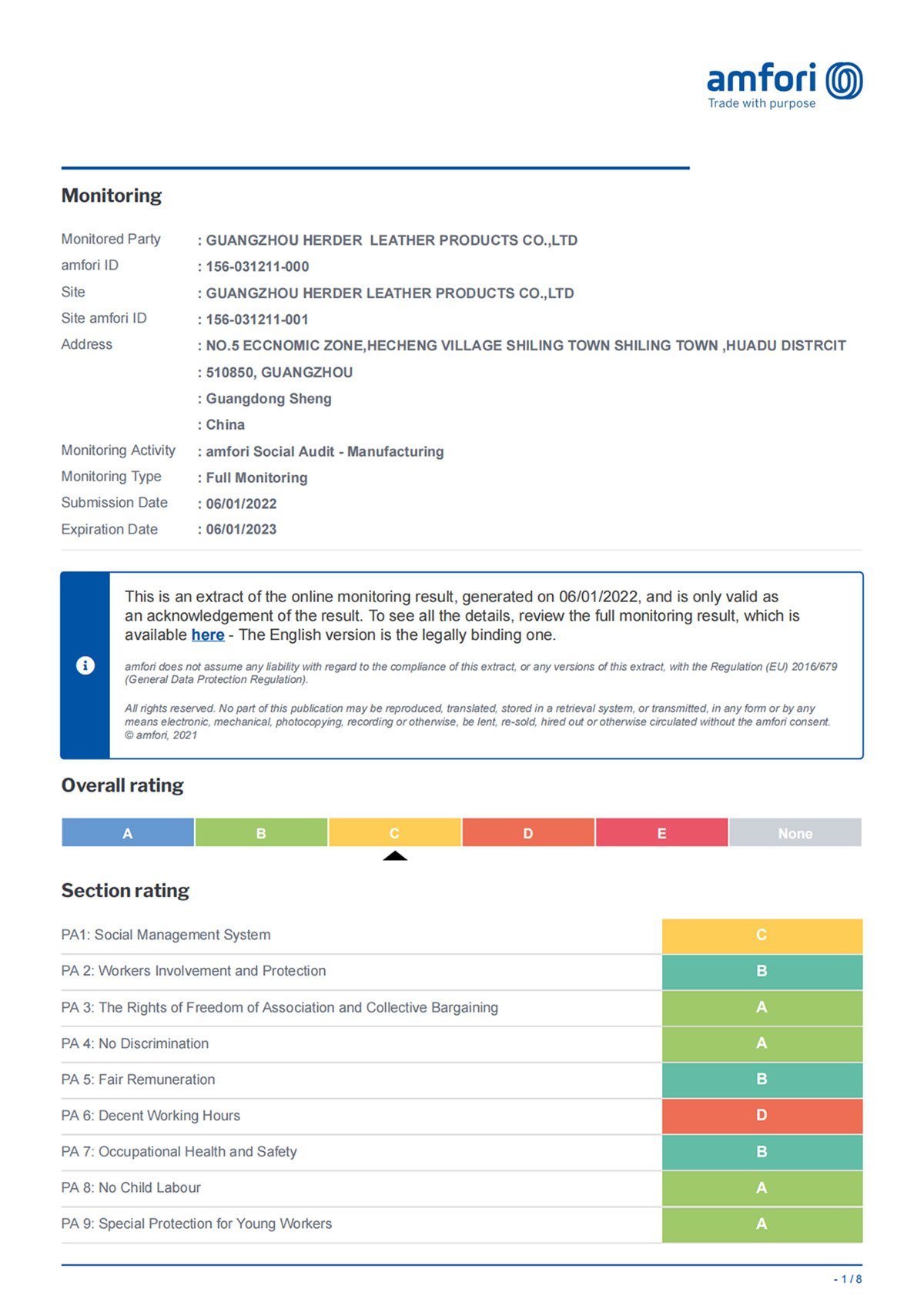
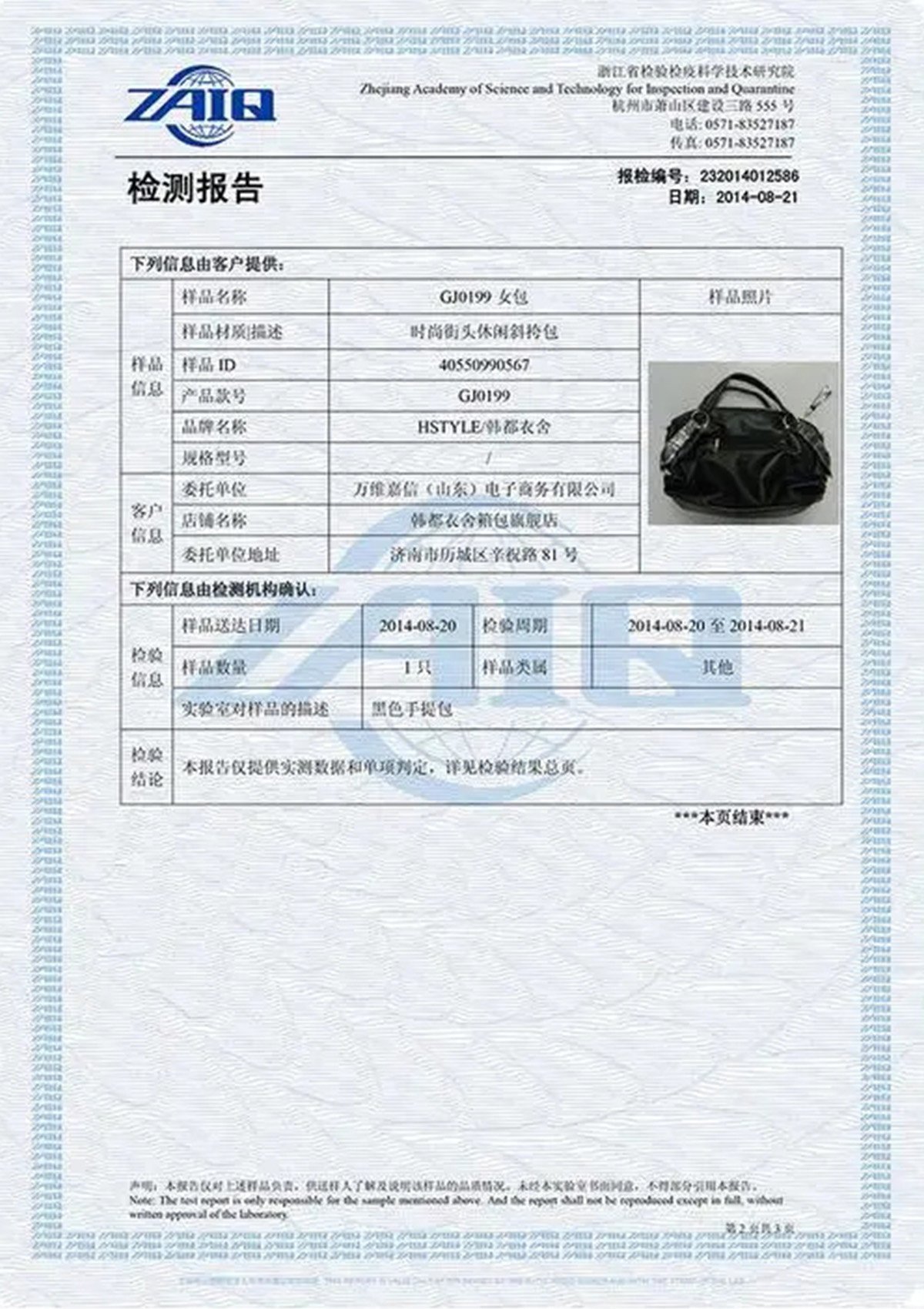
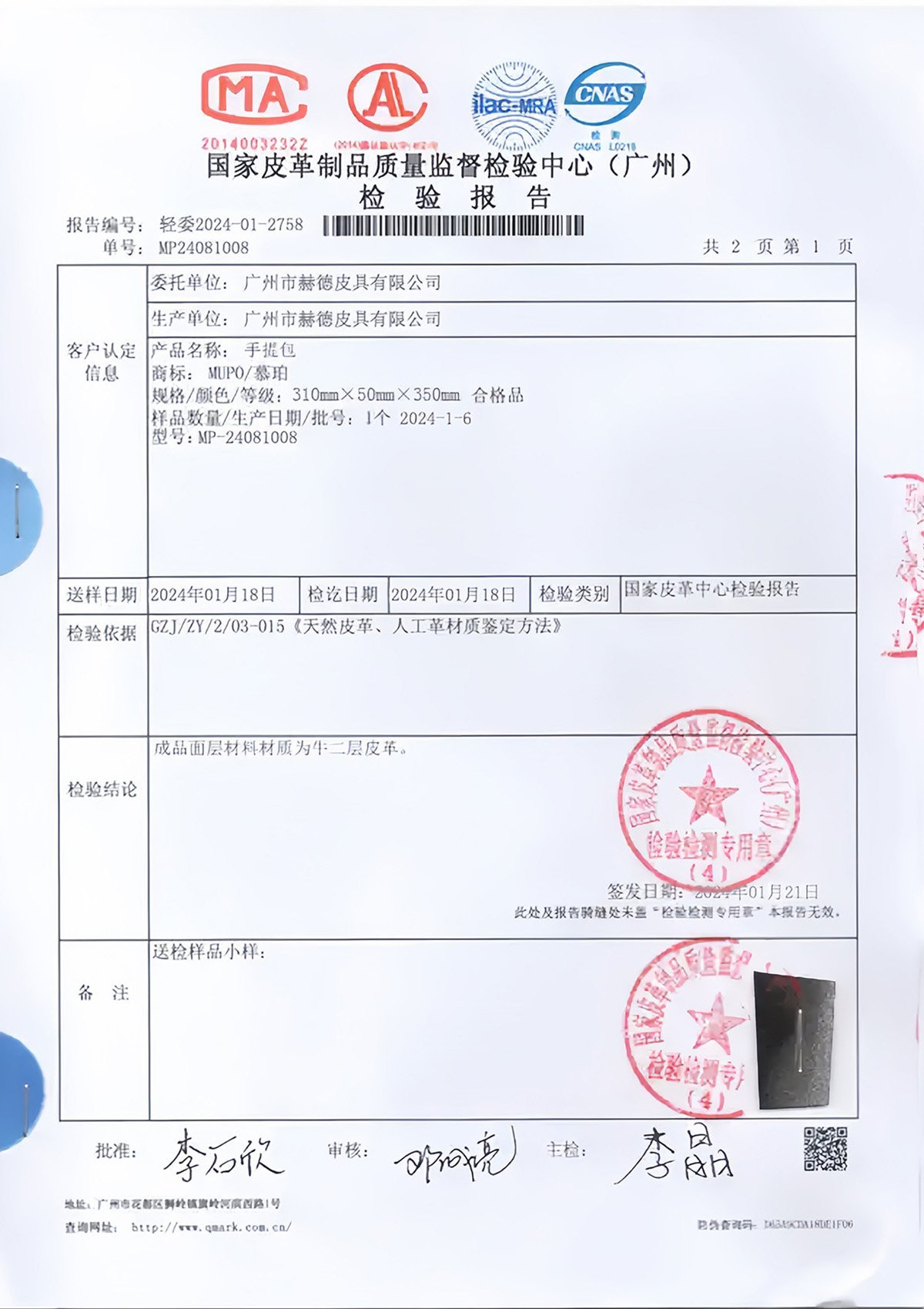
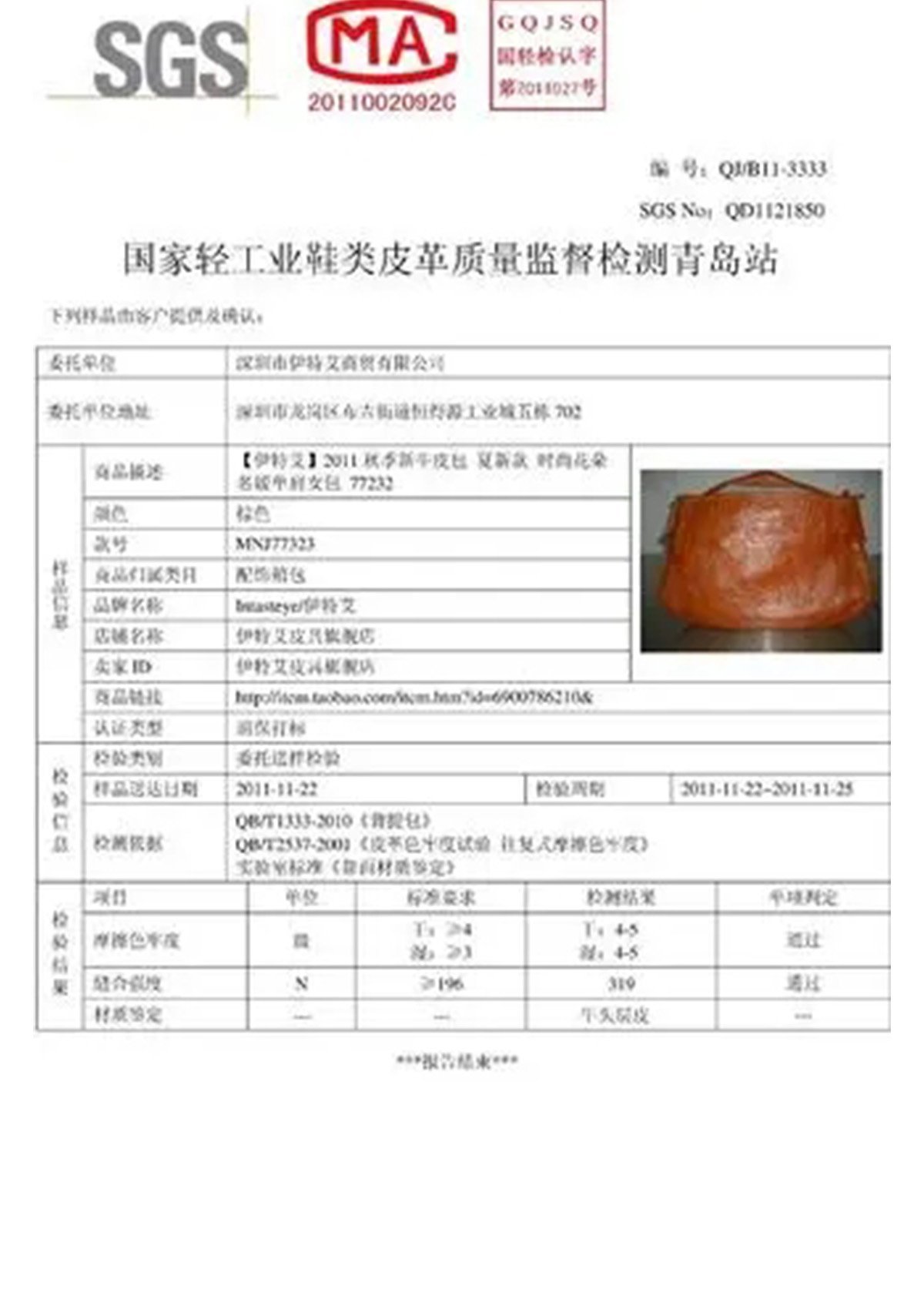
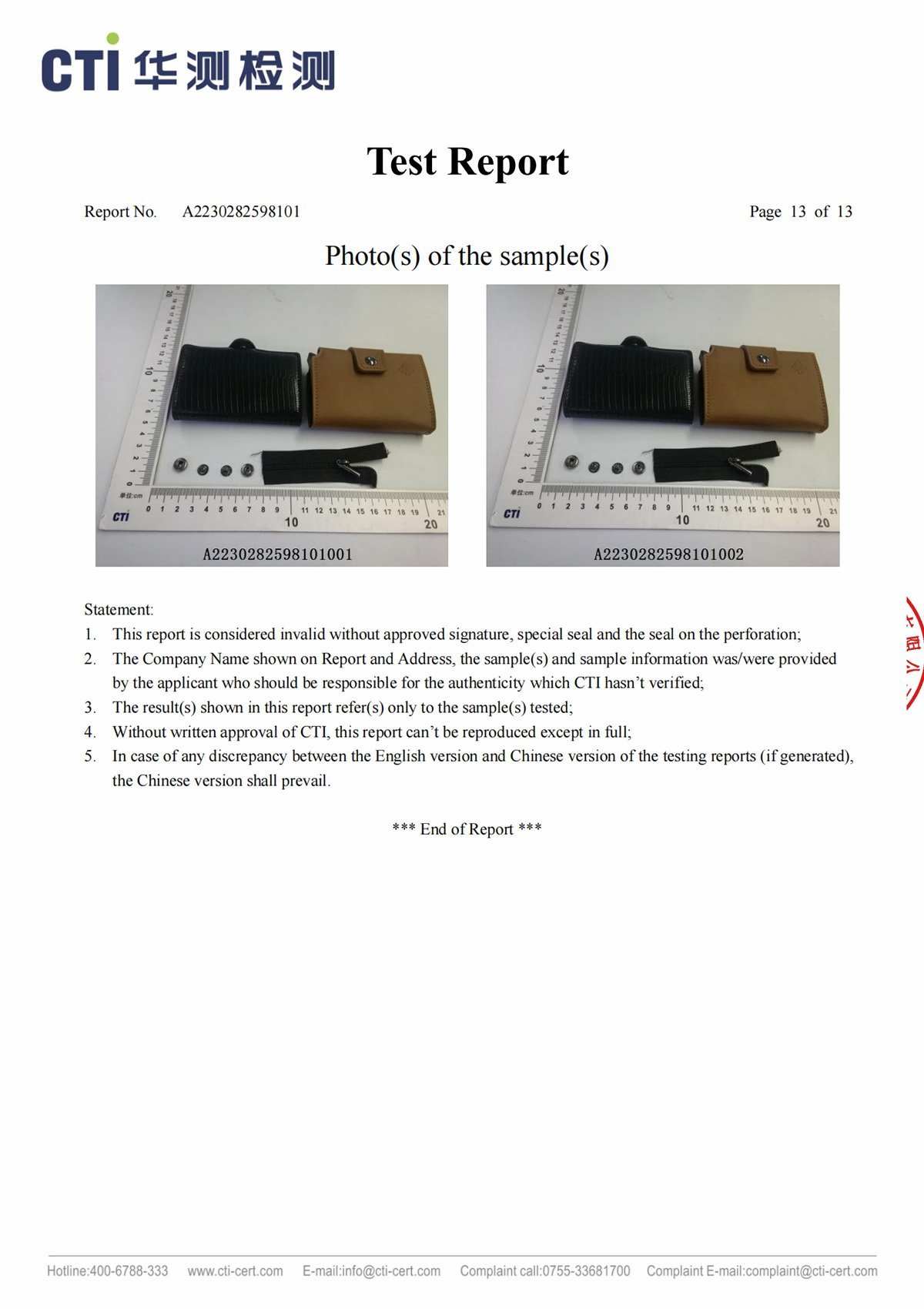
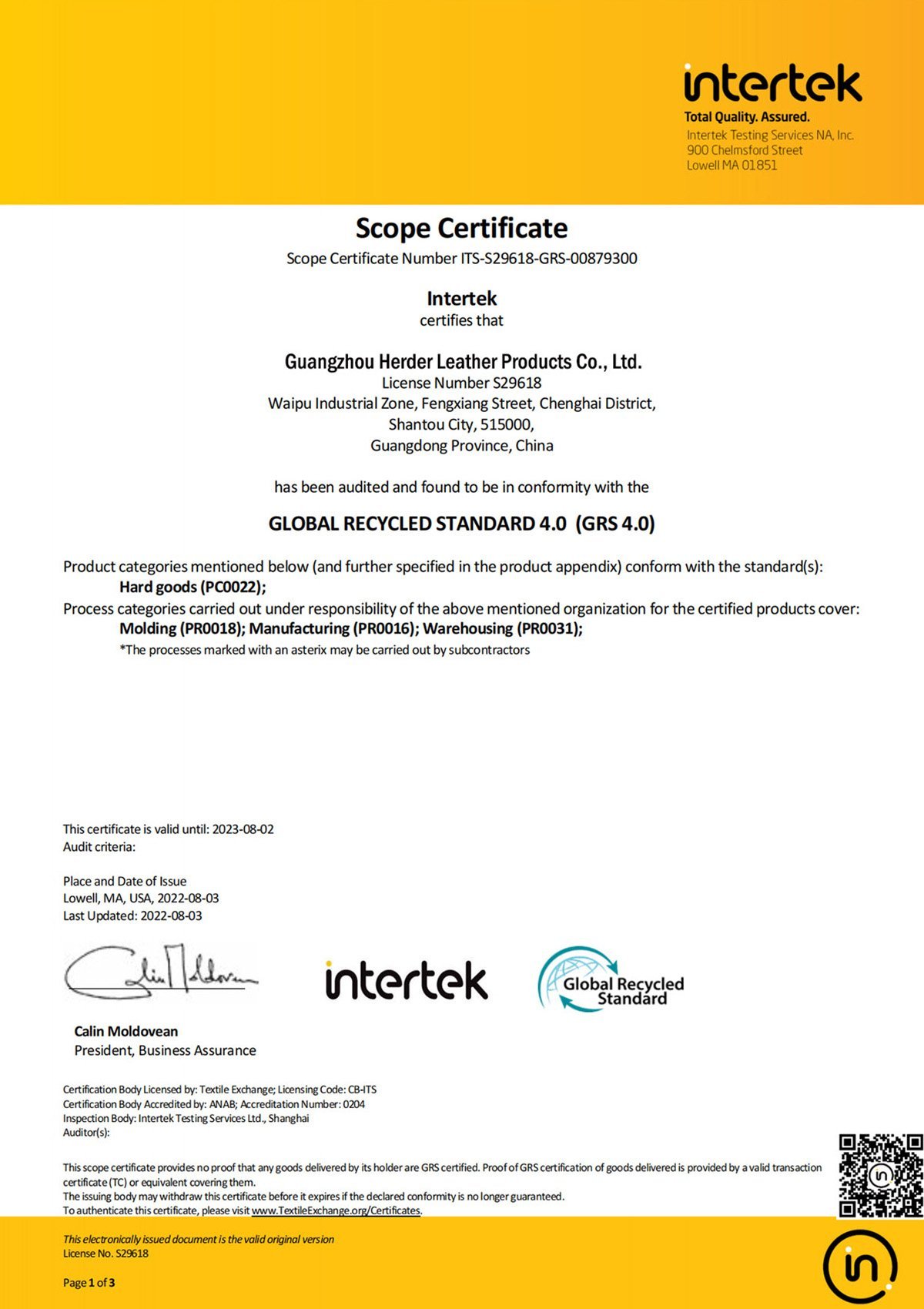
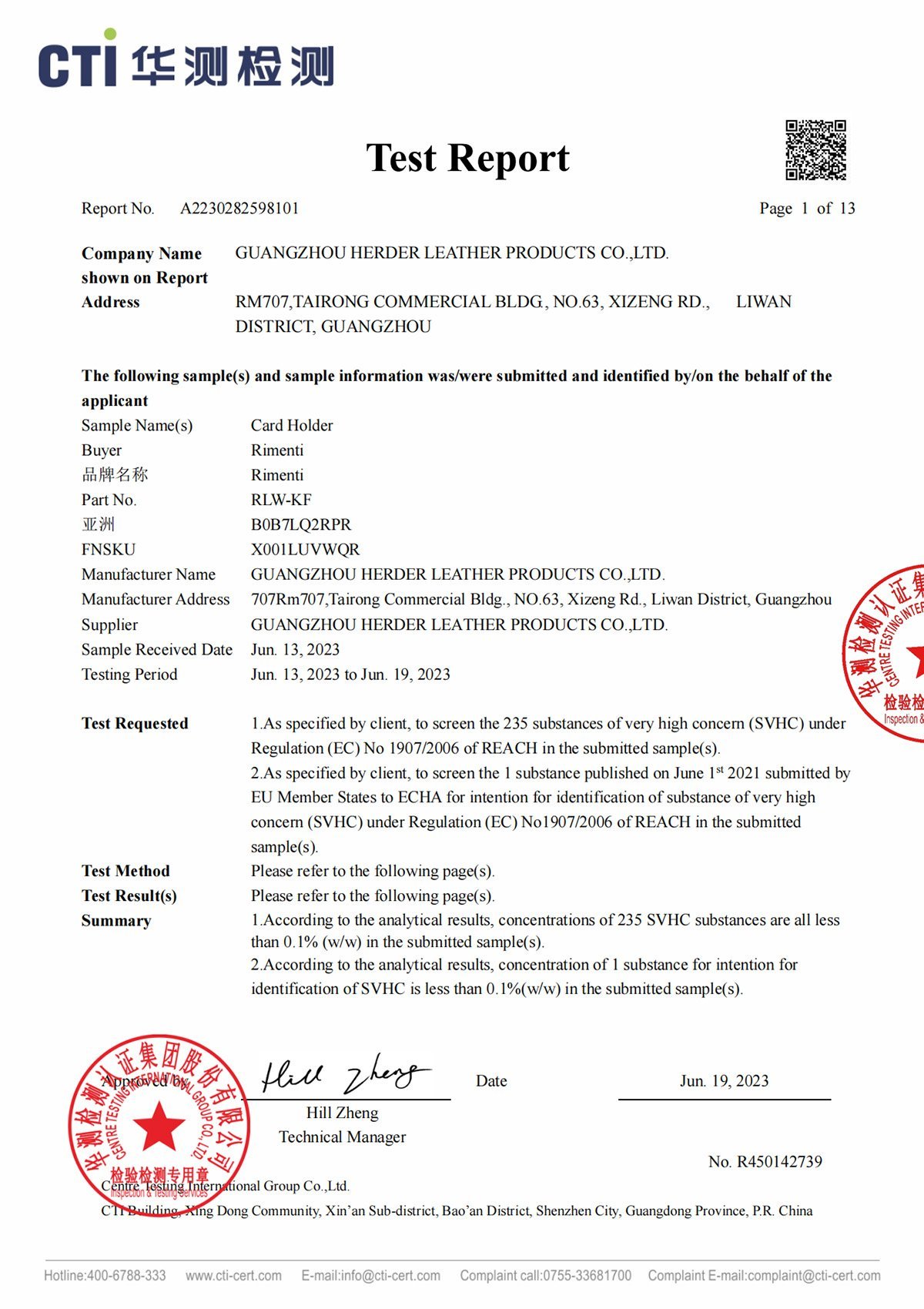
Our Certificate/Inspection Report
Recent Related Articles
How to Start Your Project