
Logo Customization


Emobss logo
Embossed logo is created by heat-pressing a metal die onto leather, forming a clean and permanent brand impression. It requires no additional hardware or metal components, making it a cost-effective solution for early-stage brands and first production runs. The result is a subtle, refined finish that works especially well on full-grain and top-grain leather.

Laser Logo
A metal logo is a zinc alloy or brass nameplate attached to leather bags using rivets or stitching. It requires a custom mold before production and is commonly used for established brands with stable repeat orders. This method delivers a structured and premium hardware-based branding effect, making it ideal for long-term, scalable production.
Metal Logo
The laser logo is created by engraving the design directly onto the leather surface using a precision laser. It requires no tooling and is suitable for small batches, samples, or personalized orders. This method offers high detail accuracy and is commonly used for test production or low-volume customized projects.


Embroidery Logo
Embroidery logo offers a strong tactile texture and a highly visible branding effect, making it ideal for lifestyle and casual fashion products. Compared with printed logos, embroidery provides better durability and a more premium handcrafted appearance.
Embroidery logos work best on fabric surfaces such as canvas, nylon, and cotton, and are commonly used in casual and outdoor product collections where durability and visual impact are important.
Not sure which logo method to choose? Use this simple production rule we use in our factory:
- 5–50 pcs (Sampling / Testing Stage) → Laser LogoFast setup, no tooling cost, ideal for prototypes and personalization.
- 100–500 pcs (First Production / Market Test) → Embossed Logo
No mold fee, low risk, best for new product launches. - 200+ pcs (Stable Orders / Brand Scaling) → Metal Logo
Requires tooling, but best for long-term repeat production and premium branding.
👉 We recommend based on your order stage, not design preference.


Case Study 1 – US Corporate Client (Metal Logo)
A US corporate gifting brand ordered 1,000 leather laptop bags per batch with quarterly repeat orders.
Challenge: consistent branding across long-term production
Solution: custom zinc alloy metal logo
Result: stable production across multiple batches with no variation
👉 Metal logo is most cost-efficient for repeat production programs
Case Study 2 – Amazon Startup Brand (Embossed Logo)
A new Amazon seller tested a 300-piece leather tote bag launch.
Challenge: uncertain market demand
Solution: embossed logo with no tooling cost
Result: saved mold cost and adjusted logo size in the next order
👉 Embossed logo is ideal for first-time market validation
Case Study 3 – Gift Brand (Laser Logo)
A gifting company required 20–50 personalized leather items per order.
Challenge: each item required a different name
Solution: laser engraving (no tooling needed)
Result: fast production within 3 days
👉 Laser logo is best for personalized and small batch orders
Why Custom Leather Goods with
Mherder China


One-Stop Solutions for Custom Leather Products
Professional Leather Goods Wholesaler in China
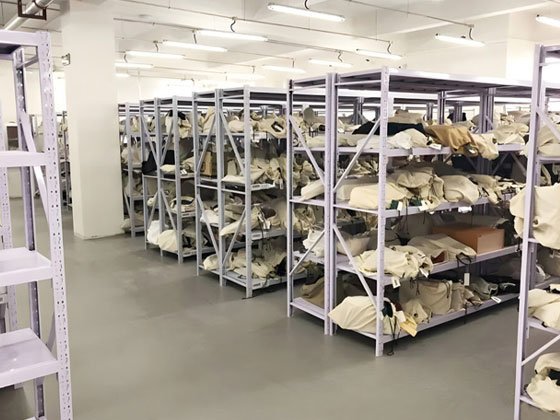
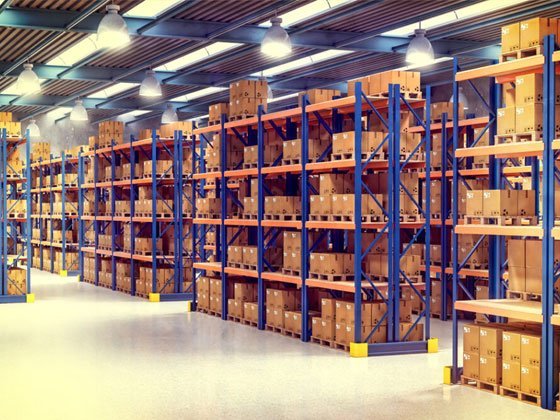
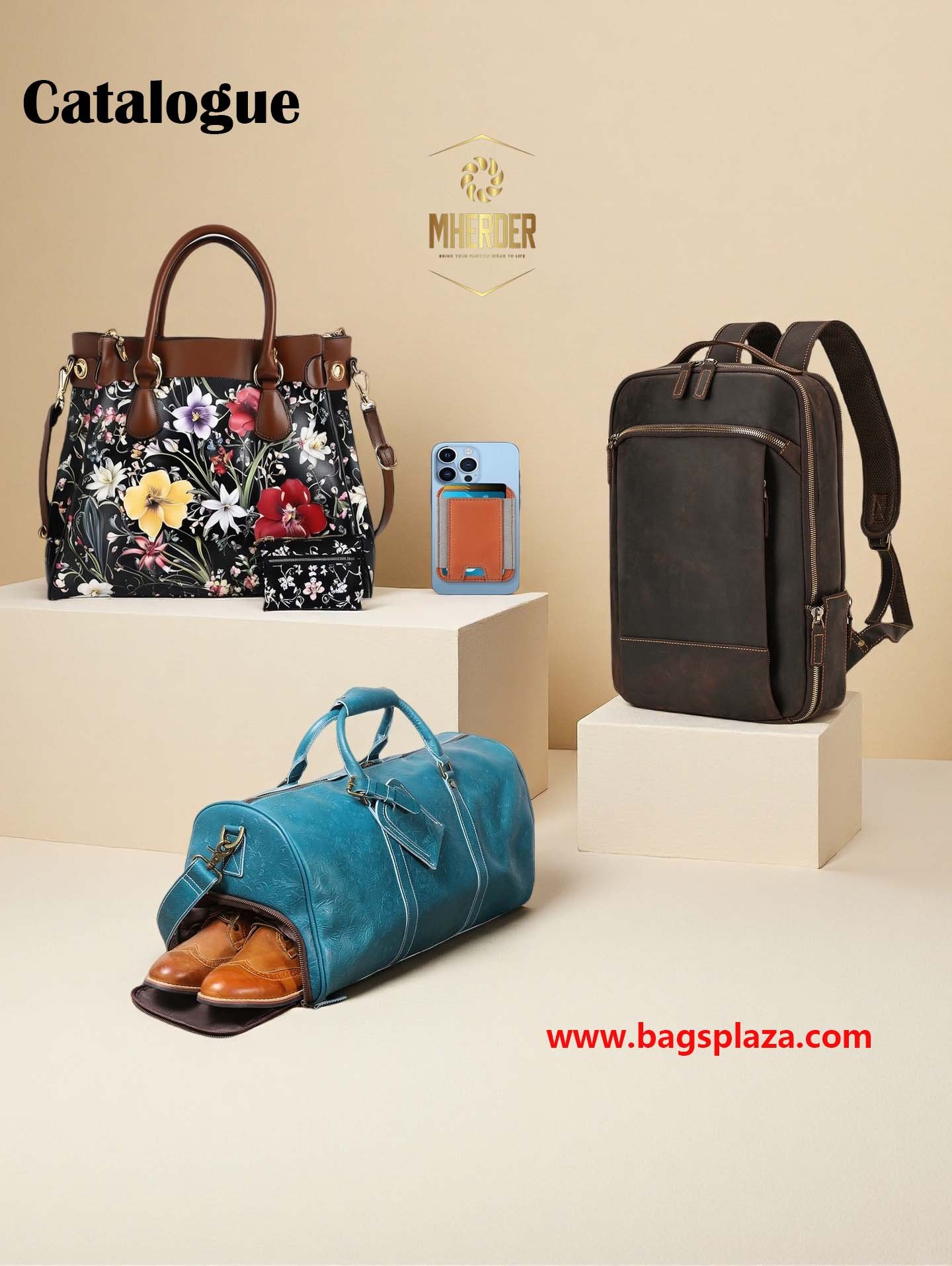
We have 5000+ Stock Inventory Designs available for your options. We offer lower MOQ, starting from 20 pieces per style for your market, which can greatly lower your inventory risk. In addition, our ready-to-ship leather bags can be delivered to you in 5-7 days after payment.
Wait! Don't Miss Out!


Still not finding what you’re looking for? Contact our consultants for more available products.
Custom Metal Logo vs Embossed Logo vs Laser Logo: Which Is Better for Your Leather Bags?
You want your leather bags to carry your brand identity, but you’re staring at three logo options, wondering which process to choose. More importantly, you’re worried about spending money on the wrong decision when you’re only testing the market with a few hundred units.
The truth is this: logo branding choice is actually a budget structure decision disguised as a style preference. The real question isn’t “which logo looks most premium” but “which process matches your order quantity and business plan.” If you’re ordering 200-500 bags to test the market, paying $100+ for a metal logo mold wastes money you could save with embossed logos that serve the same brand positioning.

Quick Sourcing Dashboard for Private Labels
- MOQ for Custom OEM/ODM Production: From 100 pcs per style/color for leather bags. From 300pcs per style for PU bags.
- MOQ for Ready-Stock Styles + Logo: From 10 pcs with rapid custom brand stamping (laser-engraved logo)
- Sample Lead Time: 7 – 10 working days
- Bulk Production Time: 25 – 35 days after pre-production sample approval
- Material Compliance: Full-Grain, Top-Grain, Split Leather, and Premium Eco-Conscious REACH/RoHS Compliant PU/Microfiber
- Logistics & Delivery: Complete DDP (Delivered Duty Paid) Direct to US/EU Warehouses (All Tariffs & Customs Pre-Paid)
I’ve helped over 50 brand founders and procurement managers navigate this exact decision. What I’ve learned is that most first-time buyers make their choice based on assumptions that cost them hundreds of dollars. Let me show you how to pick the right logo process based on your actual business situation, not on what looks “most premium” in isolation.
What Is a Custom Metal Logo and When Should You Actually Use It?
You see metal logos on designer bags and assume your brand needs them too. But metal logos come with setup costs and minimum order requirements that don’t fit every business stage.
A custom metal logo is a zinc alloy or brass nameplate attached to your bag through rivets, screws, or stitching. It requires a metal mold costing $100-$1501, a minimum order of 200 pieces, and works best for brands planning repeat orders of the same design.

Metal logos create a three-dimensional brand mark that customers can feel. The process works like this: you provide your logo design, we create a metal mold, then stamp or cast your logo onto zinc alloy or brass plates. Each plate gets attached to your bag through rivets or small screws.
The financial structure looks like this:
| Cost Component | Amount | Notes |
|---|---|---|
| Metal mold fee | $100-$150 | One-time, reusable for future orders |
| Per-unit cost | $0.30-$0.80 | Depends on logo size and metal finish |
| Minimum order quantity | 200 pieces | Factory requirements for metal plate production |
| Attachment labor | Included | Riveting or screwing adds 2-3 minutes per bag |
Here’s where most clients make mistakes. A Shopify seller orders 300 tote bags to test a new collection. They choose metal logos because they think it makes the bags look premium. They pay a $120 mold fee plus $0.50 per logo, totaling $270 in logo costs. Six months later, they decide the tote style doesn’t sell well and switch to crossbody bags. That $120 mold becomes useless because the new design needs a different logo size or placement.
Metal logos work best when you meet these criteria:
Order volume commitment: You’re placing 200+ units and plan to reorder the same design. The mold cost spreads across multiple orders, reducing the per-bag expense over time.
Brand longevity plan: You’re not testing the market. You’ve validated demand and need consistent branding across production runs.
Bag structure compatibility: Your design has reinforced attachment points. Metal logos add weight and require stable mounting areas. They don’t work well on soft, unstructured bags or ultra-minimalist designs.
Leather type consideration: Full-grain leather and vegan leather both accept metal logo attachment well. The material needs enough thickness to support rivets without tearing.
I recently worked with a corporate gift company ordering 1,000 laptop bags. They needed metal logos because their client required a premium look, and they were placing repeat orders every quarter. The $130 mold fee, divided across 4,000 bags per year, became negligible. That’s the right scenario for metal logos.
But if you’re ordering 200-500 bags for the first time, testing market response, or unsure about reordering the same style, you’re paying for a tool you might never use again.
What is an Embossed Logo, and why does it save money for First-Time Orders?
Most brand founders assume embossed logos look cheap because the tooling is free. This assumption costs them nothing to test, but it prevents them from seeing the real value.
An embossed or debossed logo (commonly referred to as embossing in production) is a heat-pressed impression stamped directly into leather, creating a debossed (recessed) or raised brand mark. It requires no mold fee, has a 100-piece minimum order quantity, and delivers the same premium perception as metal logos when executed on quality leather.

Embossed logos work through a heated metal die that presses your design into the leather surface. The process creates permanent brand marks without adding separate hardware components. The leather’s natural texture and color variations make each embossed logo unique, which many customers perceive as artisanal quality.
The cost structure eliminates the biggest financial risk:
| Cost Component | Amount | Notes |
|---|---|---|
| Embossing die fee | $0 | Free tooling for standard logo sizes |
| Per-unit cost | $0.15-$0.50 | Lower than the metal logo attachment |
| Minimum order quantity | 100 pieces | Half the metal logo requirement |
| Setup flexibility | Free die revisions | Change logo size between orders at no cost |
Here’s a real example from my sampling work. An Amazon seller ordered 300 leather tote bags to test a private label launch. They wanted metal logos initially, which would cost $120 mold fee plus $150 in per-unit attachment costs. Total: $270.
I showed them embossed logo samples on the same leather. The visual difference was minimal when the bag design, stitching quality, and leather grade remained high. They chose embossed logos. Total cost: $15.00 (per-unit only, no tooling fee). They saved $255.
Three months later, they adjusted the logo size to fit better on a revised bag design. With embossed logos, this change cost nothing. If they had used metal logos, they would have paid another $120 for a new mold.
Embossed logos work best under these conditions:
Testing market demand: You’re launching a new product line and don’t know if customers will respond. Embossed logos let you validate demand without committing to expensive tooling.
Order quantities between 100-500 units: You’re placing enough bags to justify custom branding, but not enough to spread metal logo mold costs across multiple orders.
Leather compatibility: Full-grain leather, top-grain leather, and even some vegan leathers accept embossing well. The process works poorly on suede, nubuck, or heavily textured surfaces where heat-pressing creates inconsistent impressions.
Minimalist brand positioning: If your brand emphasizes understated elegance or craftsmanship over hardware-heavy aesthetics, embossed logos align better with your visual identity.
I worked with a fashion brand founder who believed embossed logos would make her bags look “handmade in a bad way.” I sent her two samples: one with a metal logo, one with an embossed logo, both on the same full-grain leather crossbody bag. She couldn’t tell which one her test customers preferred. They rated both samples equally for “premium feel.” She chose embossed logos and saved $270 on her first 400-unit order.
The mistake most buyers make is assuming the logo process determines premium perception. In reality, leather quality, stitching precision, hardware finish, and overall bag construction create a premium perception. The logo process is just one variable. Embossed logos on high-grade leather look far better than metal logos on cheap PU material.
What Is a Laser Logo and When Does It Fit Small Batch Orders?
You see laser engraving as modern and high-tech, but most brand owners don’t realize it has significant leather compatibility limitations.
A laser logo is a burn-etched brand mark created by laser engraving machines. It requires no tooling, works with 5-10-piece minimum orders, and suits ultra-small test batches or custom one-off projects. However, laser engraving only works on vegetable-tanned leather, full-grain leather with minimal oils, and some smooth vegan leathers.

Laser logos use focused light beams to burn your design into the leather surface. The process creates precise, detailed marks, including small text, intricate patterns, or photographic images that embossing and metal logos cannot replicate. Each logo burns in 10-30 seconds, making it fast for small batches but inefficient for large production runs.
The cost and compatibility structure looks like this:
| Cost Component | Amount | Notes |
|---|---|---|
| Laser setup fee | $0 | Digital file only, no physical tooling |
| Per-unit cost | $0.50-$1.00 | Higher than embossed, lower than metal |
| Minimum order quantity | 5-10 pieces | Ideal for sampling and testing |
| Leather compatibility | Limited | Only works on specific leather types |
The leather compatibility issue trips up most first-time buyers. Laser engraving works by burning the leather surface. If the leather has heavy oils, waxes, or synthetic coatings, the laser creates inconsistent burn marks or releases chemical fumes. I’ve seen clients order 100 bags with laser logos on oily pull-up leather, only to discover the marks fade within weeks as the oils resurface.
Laser logos work reliably on these materials:
Vegetable-tanned leather: The most compatible material. Creates clean, dark brown burn marks that contrast beautifully against natural tan leather.
Full-grain leather with minimal finishing: Works if the leather has no heavy oils or topcoat. Test samples are essential before committing to production.
Smooth vegan leather (PU): Some synthetic materials accept laser engraving, but results vary by coating type. Always request test samples.
Laser logos fail on these materials:
Suede or nubuck: The fuzzy surface texture prevents clean laser burns.
Heavily oiled leather: Oil-tanned, pull-up, and waxed leathers create inconsistent marks.
Textured or embossed leather: Surface patterns scatter the laser beam, producing blurry logos.
Here’s when laser logos make financial sense:
Ultra-small test orders: You’re ordering 10-50 bags to validate a product concept before scaling. Laser logos eliminate tooling costs for both metal and embossed options.
Custom one-off projects: You’re creating personalized bags with individual customer names or unique designs. Laser engraving handles variable data without retooling.
Design complexity requirements: Your logo includes fine details, gradients, or photographic elements that embossing cannot capture and metal logos cannot replicate cost-effectively.
I helped a wedding gift company that needed 20 personalized leather tote bags, each with a different customer’s name. Metal logos would require 20 separate molds at $2,400 total. Embossed logos would need 20 separate dies. Laser engraving costs $20 total for all 20 customized marks. That’s the perfect use case.
But if you’re ordering 300 bags with the same logo, the laser becomes expensive. At $1 per logo, you’re paying $300 for branding that embossed logos would deliver at $120 total cost.
The other mistake I see is clients choosing laser logos for aesthetic reasons without testing leather compatibility. A brand founder orders 200 backpacks with laser logos on oily leather. The factory runs tests and discovers the logos blur. The client either accepts poor quality or switches to embossed logos mid-production, delaying delivery by two weeks.
Ultimate Logo Process Comparison Matrix
| Decision Metric | Custom Metal Logo | Embossed / Debossed Logo | Laser Engraved Logo |
|---|---|---|---|
| Optimal Order Scale (MOQ) | 200+ pieces | 100+ pieces | 5–10 pieces |
| Upfront Tooling Cost | High ($100 – $150 per mold) | Low to Zero ($0 for standard sizes) | Zero ($0 digital file setup) |
| Per-Unit Processing Fee | Moderate ($0.30 – $0.80 / pc) | Very Low (~$0.15 / pc) | High ($0.50 – $1.00 / pc) |
| Design Revision Agility | Rigorous (Requires a new mold fee of $100+) | Highly Flexible (Free or low-cost die revisions) | Instant (Modified via digital source file at zero cost) |
| Best Leather Compatibility | Most types (Requires adequate material thickness) | Full-Grain, Top-Grain, and smooth leathers | Vegetable-Tanned and low-oil/low-wax leathers |
| Incompatible Scenarios | Ultra-lightweight, completely unstructured soft bags | Suede, nubuck, and heavily textured materials | Suede, nubuck, heavily oiled, or highly waxed leathers |
How Do I Choose Between Metal, Embossed, and Laser Logos for My Order?
You’ve read about all three processes, but you still need a clear decision framework. Let me give you the same selection logic I use when clients ask for logo recommendations during sampling.
Your logo choice depends on four variables: order quantity, reorder commitment, leather type, and brand positioning. Use this decision tree: If ordering under 50 units, choose laser. If ordering 100-500 units without reorder plans, choose embossed. If ordering 200+ units with confirmed reorders, choose metal.
Let me break down each decision variable with real client scenarios.
Order quantity determines tooling cost absorption:
Small batch (5-50 units): Laser logos make sense because you’re testing concepts. The $0.50-$1.00 per-unit cost is acceptable when you’re only branding 20 bags. Metal logo mold fees would cost more than the entire branding budget.
First production run (100-500 units): Embossed logos eliminate tooling risk. You’re placing enough bags to justify custom branding, but not enough to know if you’ll reorder the same design. Free embossing dies let you adjust logo size or placement on future orders without penalty.
Established production (200+ units with reorder plans): Metal logos become cost-effective when you’re committed to repeat orders. The $100-$150 mold fee spreads across 1,000-2,000 bags over 12 months, reducing the per-bag cost below embossed logos at scale.
Reorder commitment affects long-term cost structure:
I worked with a promotional products distributor ordering 500 laptop bags for a corporate client. They had a three-year contract with quarterly reorders totaling 2,000 bags annually. Metal logos cost $140 upfront, but save $0.20 per bag compared to embossed logos on repeated orders. Over 2,000 bags, that’s $400 in savings minus the $140 mold fee, netting $260 saved.
Compare that to a Shopify seller ordering 300 crossbody bags to test a new style. They chose metal logos, thinking it looked more premium. Six months later, they discontinued the style and launched tote bags instead. The $120 metal mold became useless. If they had used embossed logos, they would have saved $120 and could have adjusted the logo for the new tote design at no cost.
Leather type limits process compatibility:
Your material choice constrains which logo processes work reliably:
| Leather Type | Metal Logo | Embossed Logo | Laser Logo |
|---|---|---|---|
| Full-grain leather | ✓ Works well | ✓ Works well | ✓ Works if not heavily oiled |
| Top-grain leather | ✓ Works well | ✓ Works well | ✓ Works on most finishes |
| Vegetable-tanned | ✓ Works well | ✓ Works well | ✓ Best compatibility |
| Pull-up/oily leather | ✓ Works well | ✓ Works well | ✗ Inconsistent burns |
| Suede/nubuck | ✓ Works (requires backing) | ✗ Poor impression quality | ✗ Blurry marks |
| Smooth vegan leather | ✓ Works well | ✓ Works on most types | ✓ Test required |
| Textured vegan leather | ✓ Works well | ✓ Works if texture allows | ✗ Scattered laser beam |
A client ordered 400 backpacks in pull-up leather and requested laser logos. I sent test samples showing the logos faded as the leather oils resurfaced. They switched to metal logos, which worked perfectly because metal plates sit on the surface rather than burning into the material.
Brand positioning and bag style create visual fit:
Metal logos suit structured bags with hardware-heavy designs. If your bag features metal zippers, buckles, and corner protectors, metal logos maintain visual consistency.
Embossed logos suit minimalist or artisanal brand positioning. If your bags emphasize leather craftsmanship and understated elegance, embossed logos align with that aesthetic better than metal hardware.
Laser logos suit modern, tech-forward brand identities. If your brand targets younger customers who value customization and precision, laser engraving communicates innovation.
I helped a leather goods startup targeting the minimalist fashion market. They initially wanted metal logos because “premium brands use metal.” I showed them that minimalist brands like Cuyana and Everlane use embossed logos or no logos at all. The embossed version aligned better with their brand positioning and saved them $200 on the first order.
Here’s the decision framework I use in sampling consultations:
Start with the order quantity. If you’re ordering under 50 bags, laser logos eliminate tooling costs. If you’re ordering 100-500 bags, embossed logos give you the flexibility to adjust designs between orders. If you’re ordering 200+ bags with a reorder commitment, metal logos become cost-effective at scale.
Then check leather compatibility. If you’re using vegetable-tanned or smooth full-grain leather, all three processes work. If you’re using oily leather, eliminate the laser. If you’re using suede, eliminate both embossed and laser.
Finally, match the logo to your bag’s aesthetic. A brilliant logo process should elevate your design, not overcomplicate your budget.
Let’s Build Your Brand on Solid Engineering, Not Costly Guesswork.
Still unsure whether custom metal hardware, a classic debossed mark, or high-tech laser etching fits your bag’s aesthetic and your business plan? We are here to help. 👉 [Talk to Our Sourcing Experts] | [Browse Our Custom Sourcing Dashboard]
- “How to Estimate Injection Molding Cost? – Formlabs”, https://formlabs.com/blog/injection-molding-cost/. Small-batch metal tooling and die costs for fashion accessories typically range from $50 to $300, depending on complexity, size, and production method. Evidence role: statistic; source type: research. Supports: Typical cost range for small-scale metal stamping or casting molds in manufacturing. Scope note: Cost ranges vary significantly by region, supplier, and specific mold complexity; cited range represents general industry estimates ↩
- “”Consumer Perception of Tactile Packaging: A Research Study on …”, https://repository.rit.edu/japr/vol7/iss1/1/. Research in sensory marketing demonstrates that tactile product features influence consumer quality perceptions and brand evaluations, with three-dimensional and textured elements often associated with premium positioning. ↩
Frequently Asked Questions
For most first-time production runs (100–500 pcs), embossed logo is the best option because it requires no tooling cost and allows flexible design adjustments during sampling and early testing.
Metal logos typically require a minimum order quantity of around 200 pcs per style, because a metal mold needs to be produced before mass production starts.
Neither is “better”—they serve different purposes.
Embossed logos are better for first production and testing, while metal logos are better for scaled and repeat production with stable demand.
Yes. Many brands start with embossed or laser logos, then switch to metal logos after validating market demand and confirming repeat orders.
Laser engraving works best on vegetable-tanned leather and smooth full-grain leather with low oil content. It is not suitable for suede, nubuck, or heavily oiled leather.
Because embossed logos eliminate mold cost ($100–$150) and reduce financial risk during the first production, especially when order quantity is still uncertain.
Yes, metal logos add both tooling cost (one-time mold fee) and per-unit hardware cost, making them more suitable for medium to large production volumes.
Technically, yes, but it is not recommended for bulk orders because:
- Per-unit cost is higher than embossing
- Compatibility depends on the leather type
- Production efficiency is lower than stamping methods
We control consistency through:
- Approved pre-production samples
- Standardized logo tooling (metal or embossing dies)
- Inline QC inspection during production
- Final AQL inspection before shipment
We usually evaluate 4 key factors:
●Order quantity
●Reorder plan (one-time vs repeat production)
●Leather material type
●Brand positioning (luxury, minimalist, functional, etc.)
Based on these, we recommend the most cost-efficient and production-stable option.

Elevate Your Brand with Mherder
Take your brand to the next level with Mherder, Guangzhou’s trusted leader in premium leather bag manufacturing. Perfect for importers, brand owners, Amazon sellers, retailers, and wholesalers, we provide free designs and customization services to bring your vision to life. With a catalog of over 5000 styles, we offer everything from leather bags to accessories, all crafted with exceptional quality.
Download your free market report and competitive analysis now to gain insights and stay ahead in the industry!
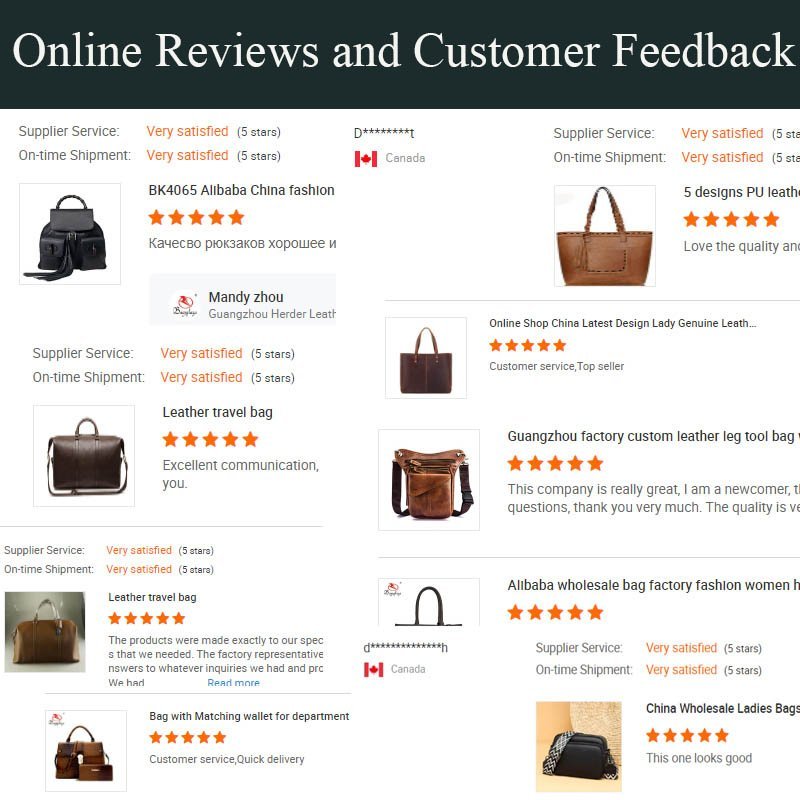
Customer Testimonials
Our company collaborated with Mandy to customize a batch of leather tote bags, and we are thoroughly satisfied with the overall quality. The leather is soft yet durable, and the craftsmanship is impeccable, fully meeting our brand standards. The customization process was smooth, with clear communication and a professional, efficient team. Orders were delivered on time, making Herder company a reliable partner for long-term collaboration.
 Emily RobertsBrand Manager
As a retail business, we needed unique designs for our leather tote bags to enhance our brand image. Herder company offered a wide range of customization options, including colors, styles, and logo emboss, effectively meeting our requirements.
 Michael ThompsonCEO
Among numerous suppliers, we chose Herder for large-scale customization due to their reasonable pricing and consistent quality. The leather material is top-notch, and the attention to detail is precise with no defects. Throughout our partnership, Elva was responsive and handled orders efficiently, significantly improving our supply chain efficiency.
 Olivia HarrisProduct Development Lead
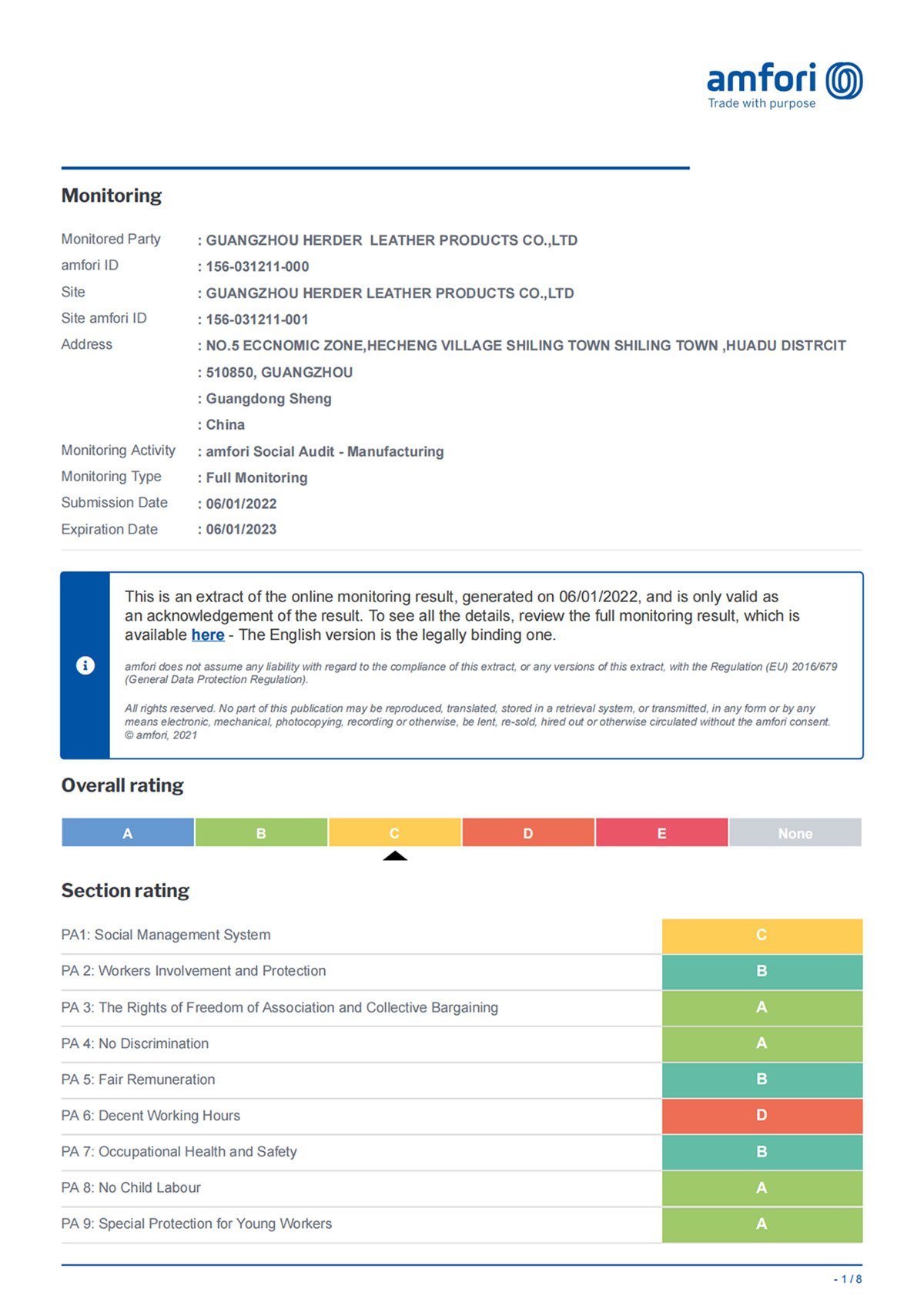
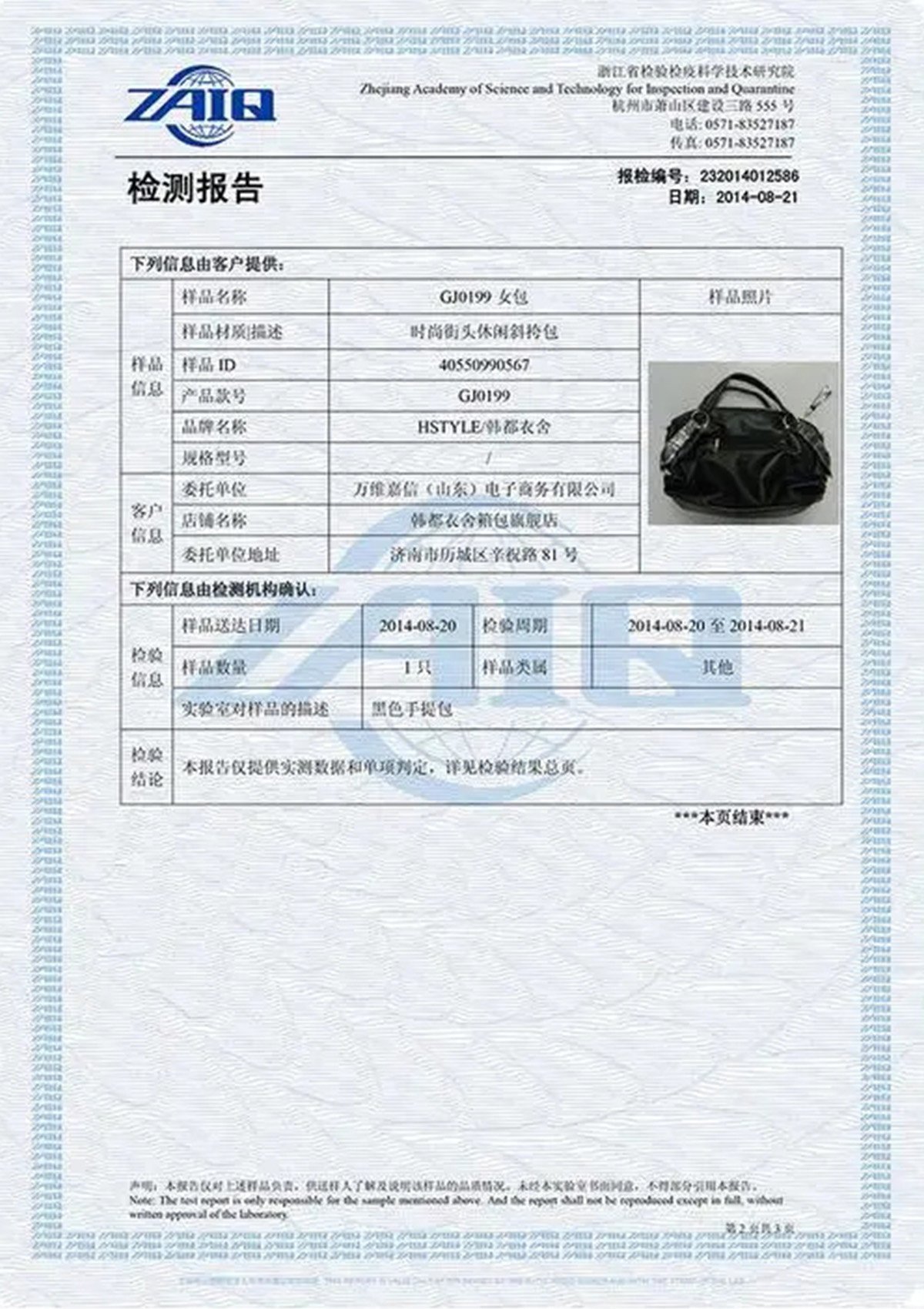
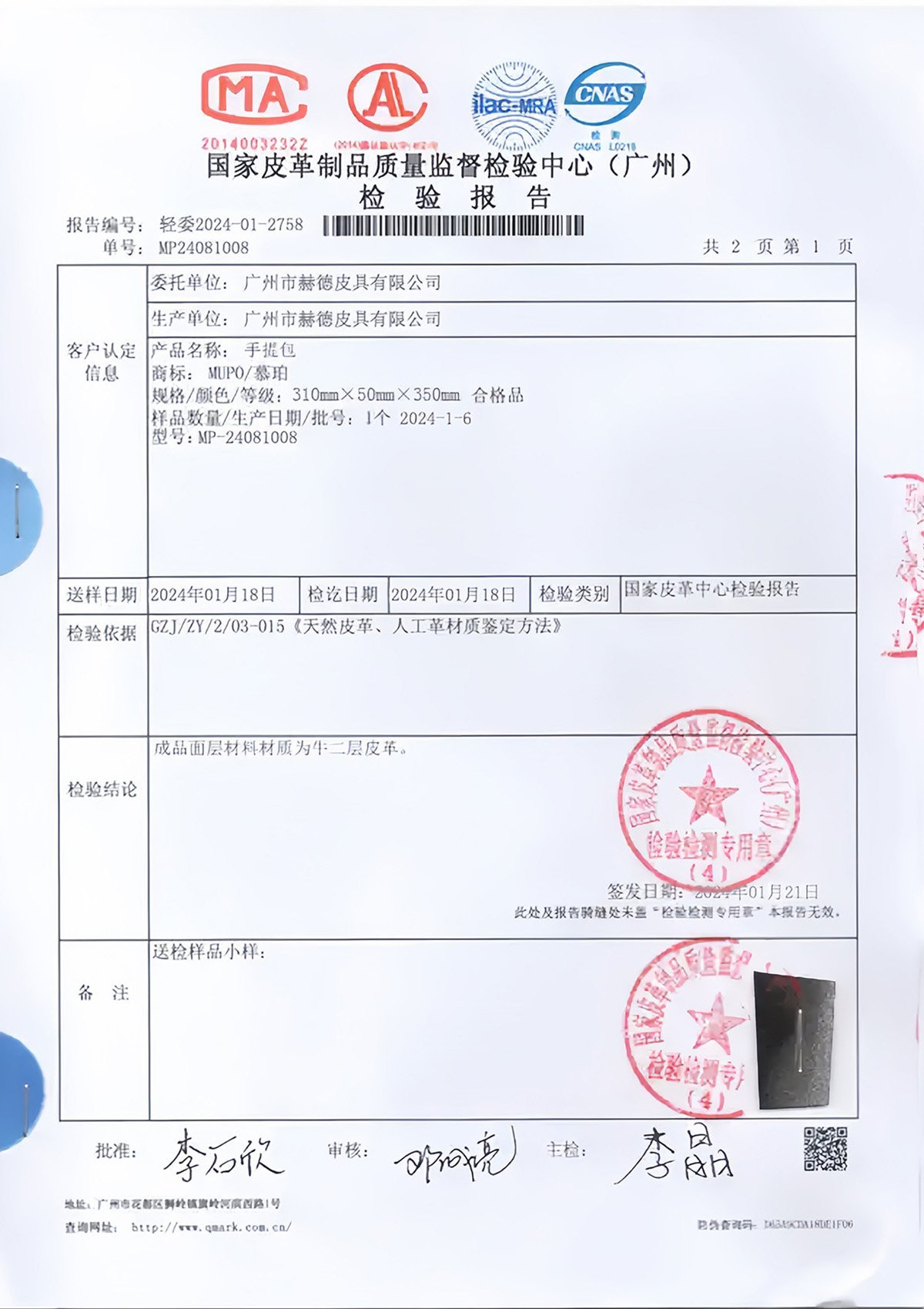
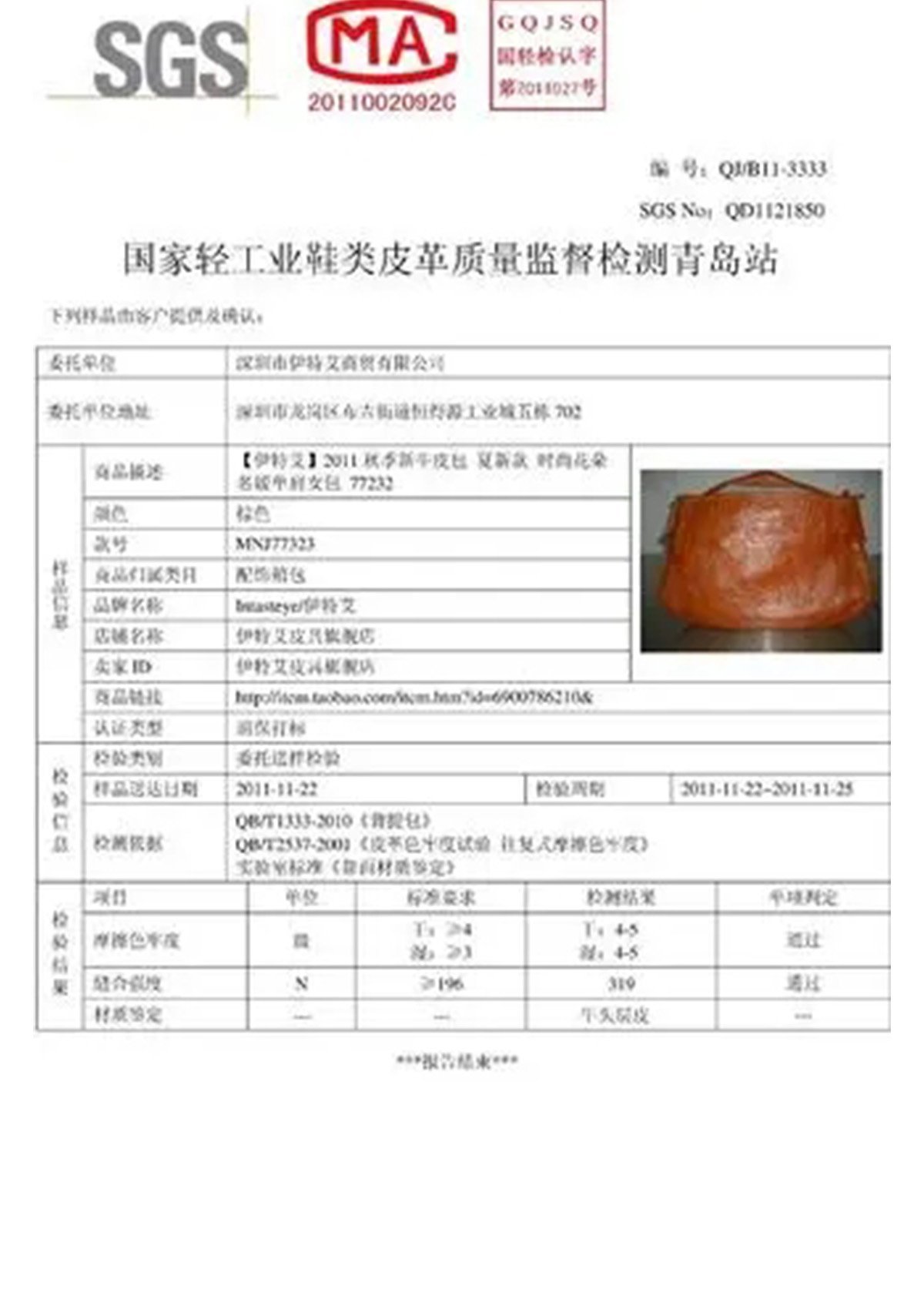
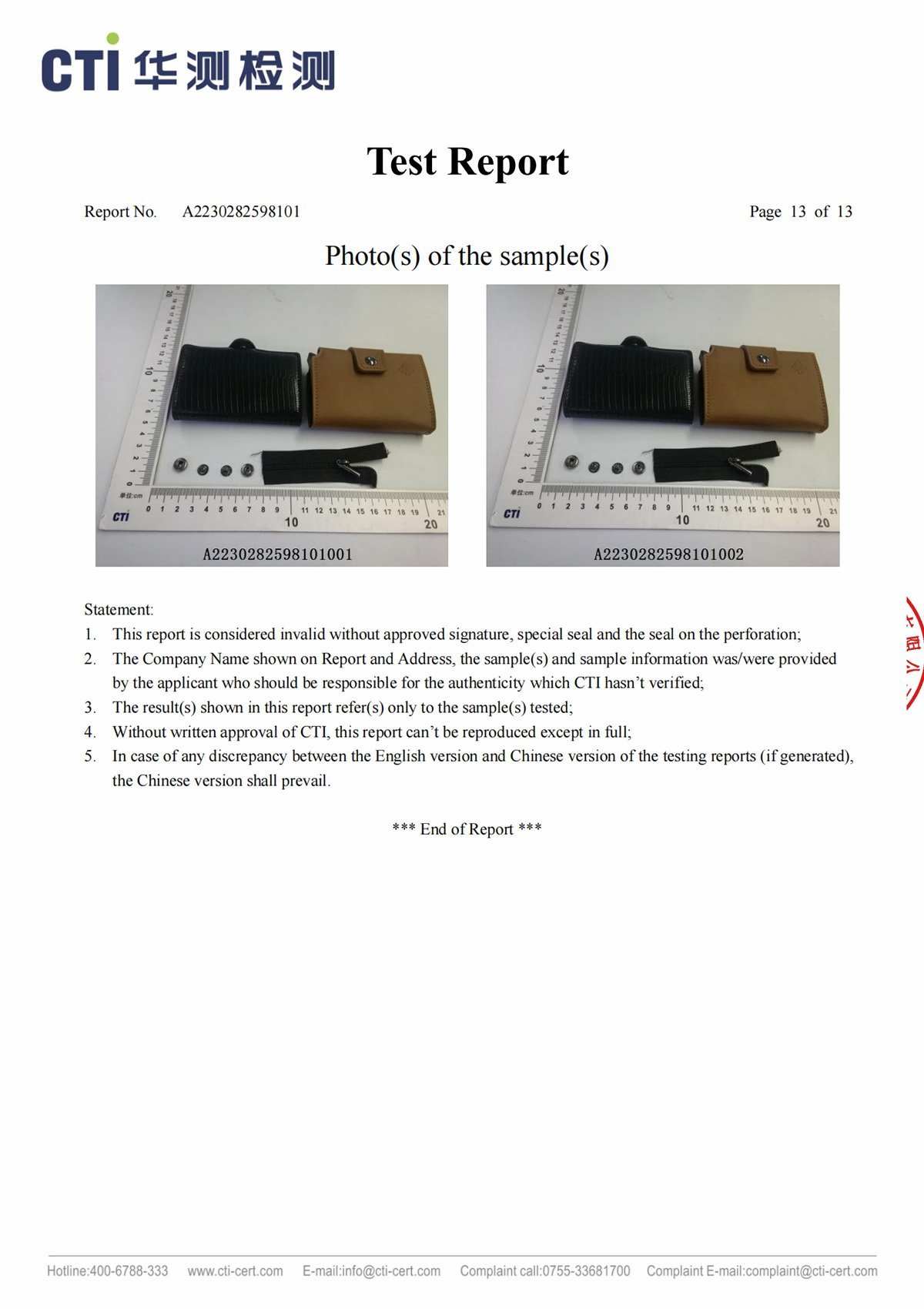
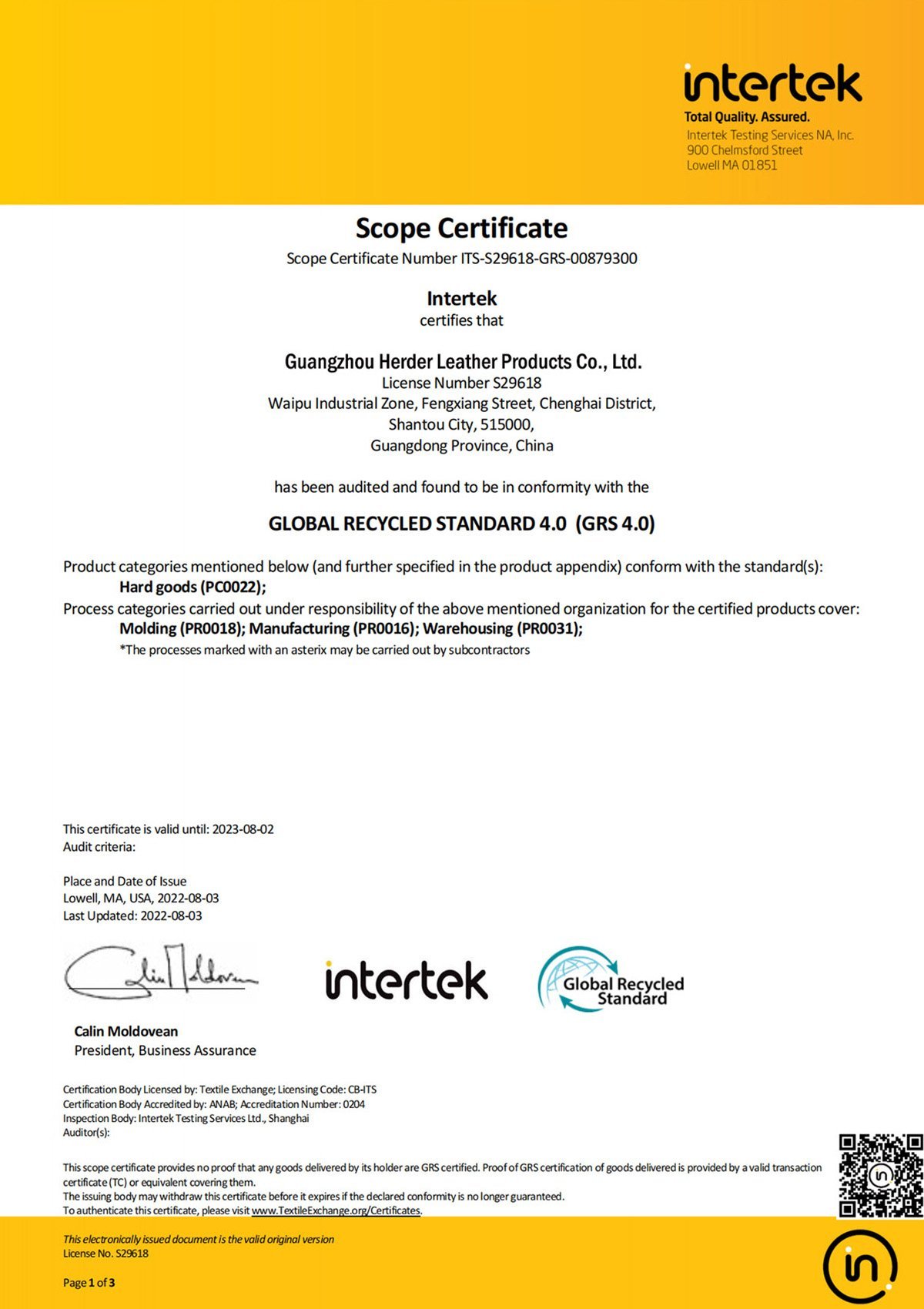
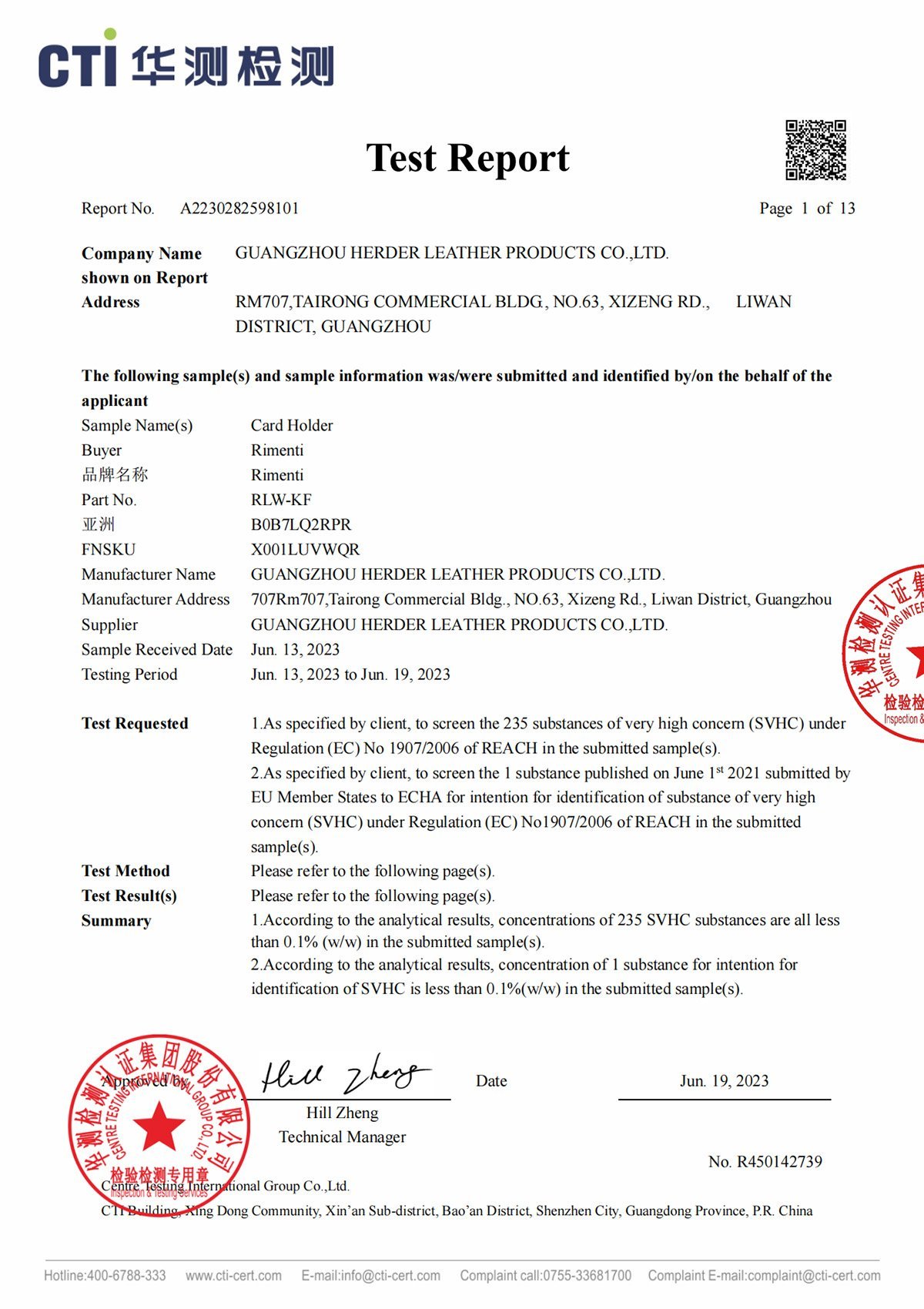
Our Certificate/Inspection Report
Recent Related Articles
How to Start Your Project