Hoe begin je een bedrijf in leren tassen: een stapsgewijze handleiding voor het opbouwen van een winstgevend merk?
Invoering
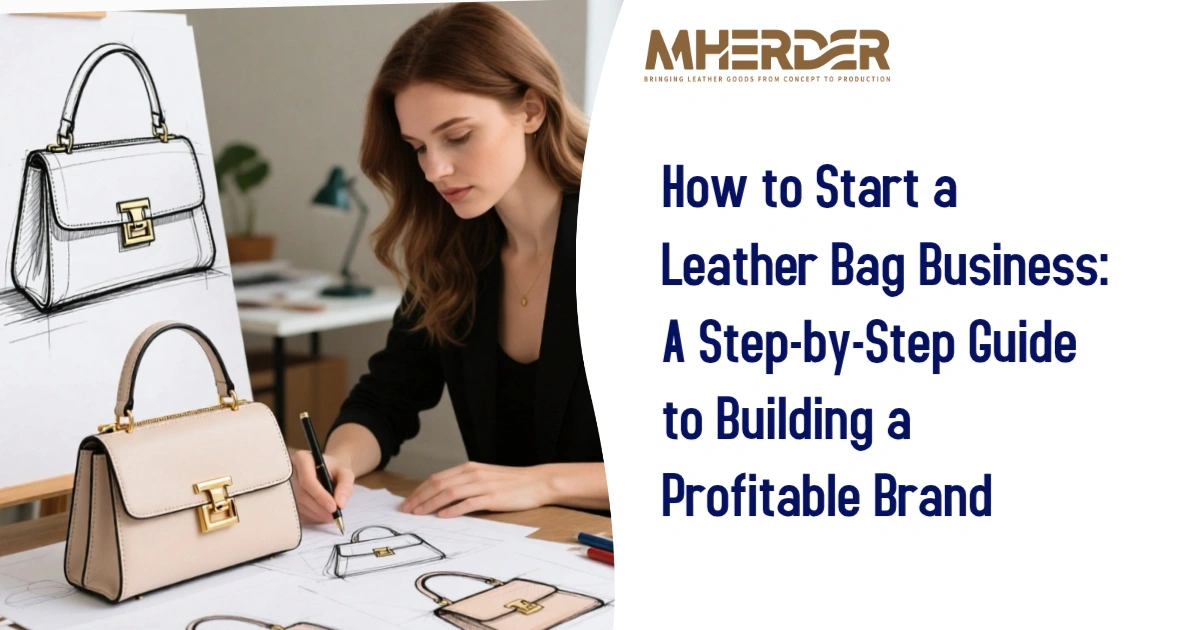
In today’s fast-paced AI era, building a brand feels more accessible than ever. With advanced AI tools, stunning product designs and brand visuals can be generated with a single click. What once took months of sketching and rendering can now be visualized in seconds, bringing everyone’s brand dreams within reach.
However, a beautiful image is just the beginning. When your designs move from a digital screen to the physical supply chain, success demands more than just a prompt. It requires careful planning, strategic decisions, and a deep understanding of production and market dynamics.
Summary:
Starting a leather bag business requires careful planning and strategic decisions. Key steps include understanding your market positioning (premium, mid-market, or budget), estimating accurate startup costs, developing a focused product line, selecting high-quality materials, and prototyping. Choosing the right manufacturer, testing your products through small batches, and using digital platforms for market validation are crucial. Legal compliance and protecting your intellectual property are also essential for long-term success. Follow these steps to build a profitable and sustainable leather bag brand.
Core Challenges in Starting a Leather Bag Business
Starting a leather bag business may seem like a straightforward process, but many brands fail due to a lack of understanding in crucial areas like production costs, market demand, and proper product positioning. Research shows that nearly 20% of new businesses fail in the first two years due to inadequate planning and market positioning. Most new brands make the same costly mistakes early on, such as neglecting demand analysis, failing to implement effective pricing strategies, and not identifying a target audience accurately. These mistakes can severely hinder your growth and put you at a competitive disadvantage. In this guide, we’ll break down these challenges and help you make strategic decisions that lead to success.
Step 1: Understand Market Demand and Define Your Brand Positioning
1. Identify Your Market Positioning
Your market positioning defines how you price your products, who your target customers are, and the design of your products. Without a clear positioning strategy, your brand risks failing to connect with its audience, resulting in poor sales and wasted resources.
Types of Market Positioning:
ik Premium Positioning: Targets high-end consumers who are willing to pay a premium for exclusivity and long-lasting quality. For example, Louis Vuitton uses full-grain leather and custom hardware to create a luxury experience. Retail prices often range from $500 to $1,000+, where the brand’s prestige is a key selling point.
ik Mid-Market: Balances cost and quality, offering high-end looks at a more moderate price. These products typically use top-grain leather and functional designs to appeal to a broader customer base. For example, Michael Kors offers quality craftsmanship at more accessible prices, typically ranging from $300 to $500, focusing on brand recognition and craftsmanship.
ik Budget Market: Focuses on affordability, with simpler designs and cost-effective materials while still ensuring basic functionality. For example, H&M offers stylish, budget-friendly bags made from synthetic leather, typically priced below $200. Here, style and quantity are the main selling factors.
Key Insight: Aligning your positioning with the needs and preferences of your target audience ensures more effective marketing, better brand resonance, and increased sales.
Step 2: Accurately Estimate Startup Costs
2. Startup Cost Breakdown
Underestimating startup costs is a common mistake for new brands, leading to inaccurate pricing and cash flow problems. Accurate cost estimation is crucial for sustainable growth. Minimum startup funds are typically above $5,000.
Key Cost Areas:
● Sampling & Product Development: Multiple revisions are usually required before finalizing the design, making sample costs accumulate quickly. It’s essential to budget for this process to avoid overspending. For example, OEM samples for genuine leather women’s bags range from $80 to $150 per piece, while PU women’s bags cost between $50 to $80 per piece, depending on design complexity.
● Production Costs: These cover materials, factory production, mold development, and labor. Larger orders help reduce unit costs. Typically, OEM orders require a minimum order quantity (MOQ) of at least 100 units per style. Your budget should be at least $5,000, including shipping costs.
● Marketing & Branding: Building your brand’s presence online involves investment in digital marketing, influencer partnerships, and content creation. If you already have a strong following on platforms like Facebook, Instagram, or TikTok, your marketing costs can be significantly reduced.
● Packaging & Shipping: Often underestimated, packaging and shipping can add up, especially for international sales. Be sure to factor these costs into your pricing. Keep in mind that the size and weight of your bags directly affect shipping costs—smaller bags significantly reduce shipping expenses.
Tip: Always account for hidden costs like shipping delays, product changes, and import duties.
Step 3: Develop Your Product Line
3. Product Scope
Starting with a small, focused product line helps you control costs and maintain quality. Launching too many designs at once complicates production, increases costs, and makes it harder to maintain high-quality standards.
Why Successful Brands Start Small:
● Most new brands begin with 3 to 5 designs that clearly reflect their brand identity. This approach allows you to focus on quality, refine your products, and ensure design consistency before expanding. Complex or unique designs don’t always translate to high sales, as they often appeal to a smaller audience. In many cases, simpler designs sell better. So, it’s crucial to research your target market thoroughly.
Tip: Limit your initial designs to best-sellers or flagship items that highlight your brand’s unique value proposition.
Step 4: Select Materials and Components Carefully
4. Material and Component Selection
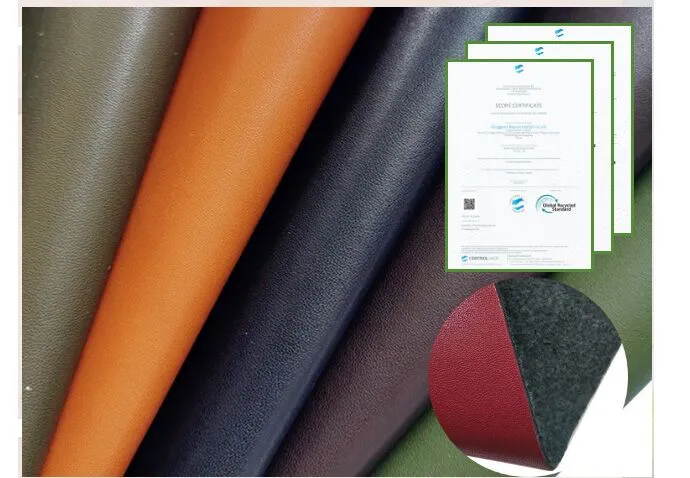
The materials you choose will directly impact the cost, durability, and overall perception of your products. Leather types, hardware quality, and lining choices are not only about functionality but also about shaping how your brand is perceived in the market.
Below is a summary of the material choices and their associated price ranges to help you make informed decisions for your leather bags:
Material Type | Het beste voor | Characteristics | Estimated Factory Cost (per pc) |
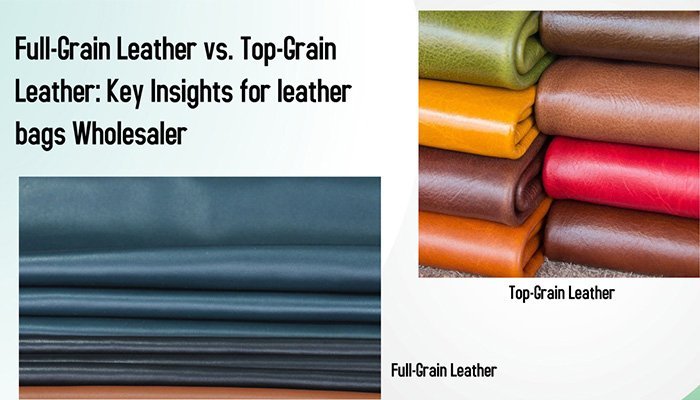
Volnerf leer | Luxury / Premium | Highest durability, rich patina, premium feel. | $40– $80 |
Topnerf leer | Mid-Market | Flexible, durable, smooth finish. | $20– $40 |
Gerecycled leer | Sustainable / Eco-friendly | Balanced durability reduces environmental impact. | $10– $30 |
Plantaardig leer | Vegan / Ethical Fashion | Renewable plant sources, ethical, and great texture. | $20–$40 |
Synthetic / PU | Budget-Friendly | Cost-effective, allows for trendy, fast-fashion designs. | $5–$20 |
Tip: Align your material choices with your brand’s positioning to ensure consistency and increase perceived value. Whether you’re targeting a premium, mid-market, or budget segment, incorporating sustainable materials can greatly enhance your brand’s appeal to environmentally-conscious consumers.
Step 5: Prototyping and Refining Designs
5. Prototyping
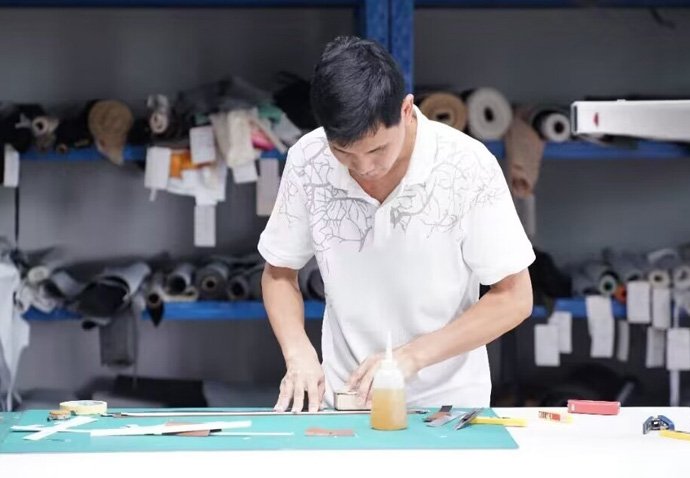
Prototyping is essential to identify design flaws before mass production. Many new brands overlook this process, leading to significant product failures in the later stages of manufacturing.
Common Issues in Prototyping:
· Structural Failures: Weak straps, imbalanced weight distribution, or design inconsistencies can compromise the product.
· Testing: Prototypes should undergo real-world testing to evaluate durability, comfort, and functionality.
When working with factories, request initial samples and sample images before the actual physical samples are sent. Only approve the sample once you’re fully satisfied with it.
Tip: Never skip prototyping—small issues can escalate into much bigger problems once the product hits the market.
Step 6: Selecting a Manufacturer
6. Choosing the Right Manufacturer
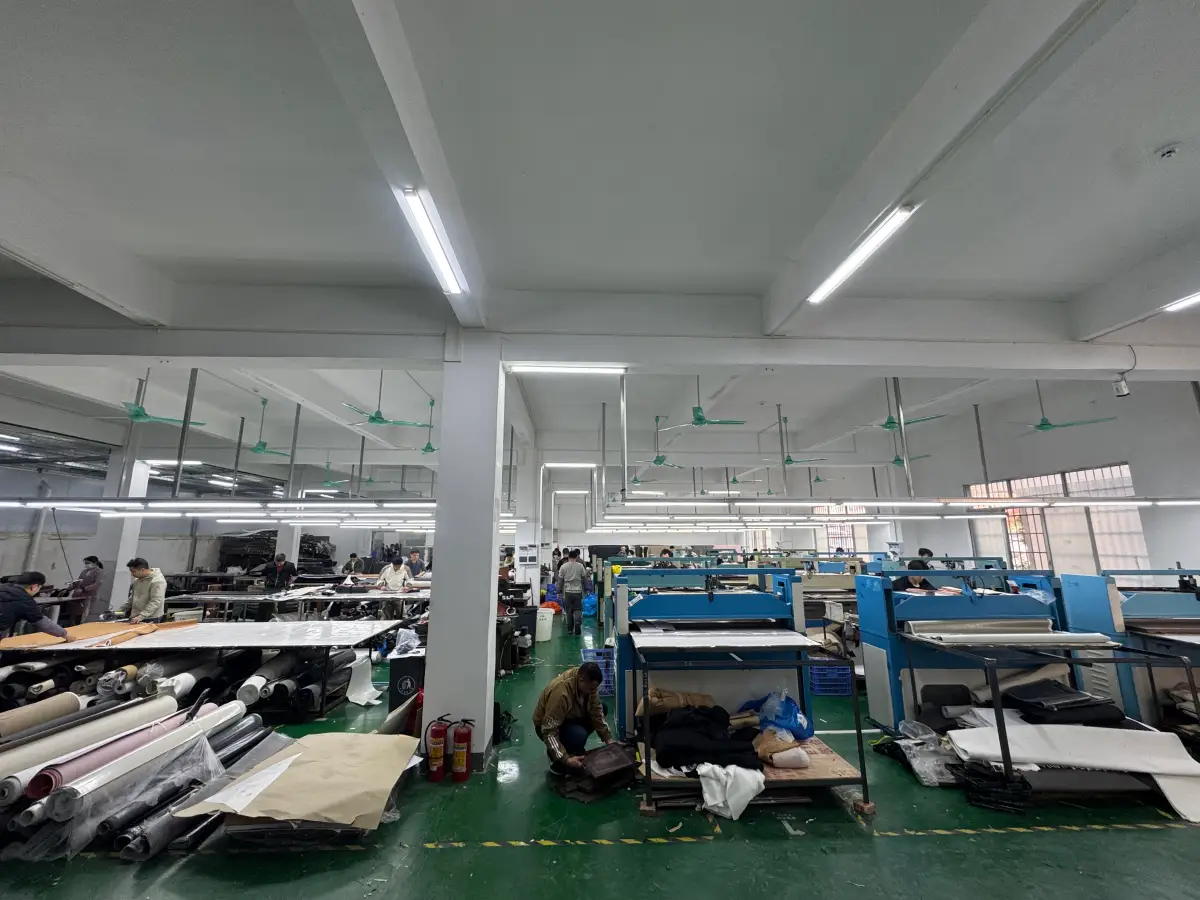
Selecting a reliable manufacturer is critical to ensuring product consistency. Choosing the wrong manufacturer can lead to delays, poor product quality, and higher costs. This decision will impact your brand’s reputation.
Vetting Process:
● Test with small orders before making large investments. This minimizes risk and allows you to ensure quality.
● Research your manufacturer: Look for reviews, and understand their quality control processes, capabilities, and communication style.
The way a factory collaborates with you and the efficiency of communication play a significant role in your brand’s success and timely market launch. Choosing the right supplier is essential.
Tip: Establish strong relationships with your manufacturers for better terms and smoother operations.
Step 7: Set Up Sales Channels and Launch Strategy
7. Verkoopkanalen
Starting with a small batch or pre-order system allows you to test your product in the market and gather real-time feedback, minimizing risk. Overproducing before validating demand is a common mistake that leads to cash flow problems.
ik Small Launch Strategy:
Test the market before committing to large investments. Validate demand, collect feedback, and adjust your product offerings based on real data. For example, Mherder can provide 20 pcs of in-stock items with laser logos for market testing.
Tip: Use digital platforms like Shopify, Etsy, or Amazon to launch your brand, and leverage social media for pre-orders and market validation. If you’re building your own brand, creating a standalone site, or using Shopify, it offers more stability and better profit potential.
Step 8: Legal and Compliance Basics
8. Juridische overwegingen
Registering your business and protecting your intellectual property (IP) is a critical step. International sales may require compliance with different regulations concerning labeling, material sourcing, and product safety.
Legal Compliance for International Markets:
● Ensure your products meet local standards, such as REACH (Europe) or Prop 65 (U.S.), for material safety.
● Protect your trademarks and patents to safeguard your brand from imitation.
Tip: Address legal and compliance issues early to avoid delays and costly mistakes later.
Final Thoughts: Let’s Build Your Profitable Brand
Success in the leather bag industry comes down to strategic execution. Don’t let avoidable setup mistakes drain your startup capital.
Partner worden van Guangzhou Herder Leather Products Co., Ltd. With 18+ years of industry experience, we are your all-in-one manufacturing partner for cost planning, material sourcing, and production scaling.
Contact us today for a FREE consultation, and let’s optimize your production roadmap together!
Still have questions? Here are the most frequently asked questions by new brand owners:
1. What is the first step in starting a leather bag business?
The first step is to understand market demand and define your brand positioning. This will guide decisions on pricing, target audience, and product design.
2. How do I determine my brand’s market positioning?
You can position your brand as premium, mid-market, or budget. Each positioning affects your pricing, materials, and design. Premium brands use high-quality leather and custom hardware, while budget brands focus on affordability.
3. How much money do I need to start a leather bag business?
Startup costs can vary greatly depending on your scale and market. Key areas to budget for include product development, sampling, production, marketing, packaging, and shipping.
4. Should I start with a large product line?
No, it’s advisable to start small with 3-5 core designs. This allows you to refine your offerings, ensure quality, and align with your brand’s identity before expanding.
5. What types of leather should I use for my bags?
Full-grain leather is ideal for premium products, while top-grain leather works well for mid-range bags. Budget brands may use synthetic or lower-cost materials to keep prices affordable.
6. How do I ensure my leather bags are high-quality?
Focus on selecting the right materials, refining designs through prototyping, and choosing a reliable manufacturer with strong quality control processes.
7. Do I need to prototype my leather bags before mass production?
Yes, prototyping is crucial. It helps identify design flaws, test durability, and ensure your bags meet expectations before committing to large-scale production.
8. How can I find the right manufacturer for my leather bags?
Research manufacturers, start with small test orders, check reviews, and establish clear communication. This minimizes risks and ensures product consistency.
9. How do I launch my leather bag business successfully?
Start small with a test batch or pre-order system to validate demand. Use platforms like Shopify, Etsy, or Amazon for online sales and leverage social media for marketing.
10. What are the legal requirements for selling leather bags internationally?
Ensure your bags meet local regulations, such as REACH (Europe) or Prop 65 (U.S.). Register your business and protect intellectual property like trademarks and patents.
11. How do I price my leather bags?
Pricing should align with your market positioning. Factor in production costs, packaging, shipping, and your desired profit margin. Make sure the price reflects the value of your materials and design.
12. How can I stand out in the competitive leather bag market?
To stand out, focus on a unique design, high-quality materials, and excellent customer service. Offering customization options, sustainable practices, or a compelling brand story can also attract attention.