Portfel przeciwko Torebka:Kluczowe różnice, które powinien zrozumieć każdy klient B2B (minimalne zamówienie, czynniki kosztowe i lista kontrolna zaopatrzenia)
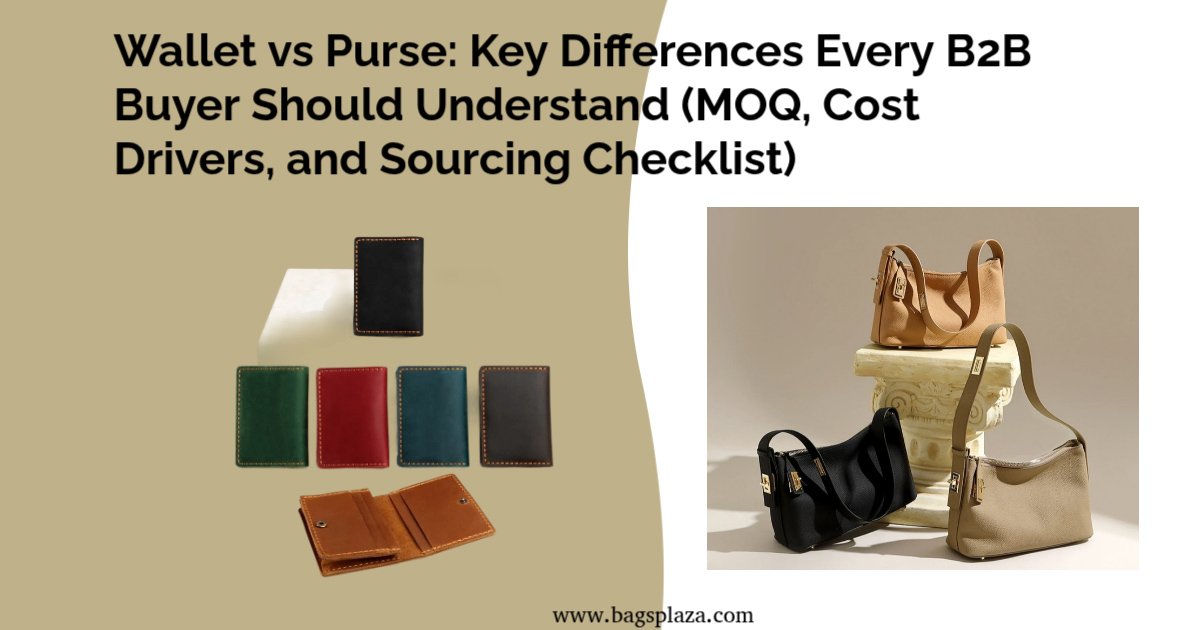
Portfele i torebki są często mylone w kontekście globalnego zaopatrzenia, ale reprezentują różne kategorie produktów, charakteryzujące się odmienną strukturą produkcji, czynnikami kosztowymi i harmonogramem rozwoju. Portfel to kompaktowy, niewielki wyrób skórzany przeznaczony do przechowywania gotówki, kart i dokumentów tożsamości, zazwyczaj o prostej konstrukcji i minimalnej liczbie elementów metalowych. Portfel, często określany jako torebka na rynku amerykańskim, to przedmiot codziennego użytku, przeznaczony do przechowywania niezbędnych rzeczy i wymagający bardziej złożonego montażu, obejmującego systemy podszewek, panele wzmacniające, paski i montaż elementów metalowych.
W przypadku klientów B2B te różnice bezpośrednio wpływają na minimalne zamówienie (MOQ), harmonogramy próbkowania, strukturę cen i punkty kontroli jakości. Programy portfelowe zazwyczaj koncentrują się na funkcjonalności, trwałości i powtarzalności produkcji, podczas gdy programy portfelowe kładą nacisk na sylwetkę, styl i spójność sprzętową. Zrozumienie tych różnic pomaga kupującym wysyłać bardziej przejrzyste zapytania ofertowe (RFQ), otrzymywać dokładniejsze wyceny fabryczne i unikać kosztownych błędów w zaopatrzeniu.
Jeśli importujesz akcesoria modowe, mylenie portfeli z torebkami często prowadzi do błędów w zaopatrzeniu. Te dwie kategorie funkcjonują w oparciu o odmienne struktury kosztów, procesy rozwoju i zachowania zakupowe konsumentów. Gdy kupujący mieszają terminy, fabryki mogą oferować niewłaściwą kategorię produktu, minimalne zamówienia (MOQ) ulegają rozbieżności, terminy próbkowania ulegają opóźnieniu, a kalkulacja kosztów opiera się na błędnych założeniach.
Zamieszanie jest jeszcze większe w przypadku zakupów transgranicznych. Na rynku amerykańskim słowo “portfel” jest powszechnie używane jako synonim torebki, podczas gdy fabryki mogą kategoryzować produkt po prostu jako “torba” lub “torebka” w dokumentach produkcyjnych. W centrach produkcyjnych oba te terminy mogą być grupowane jako “drobna galanteria skórzana (SLG)” lub “torby”, a jeśli zapytanie nie będzie precyzyjne, może się okazać, że zatwierdzisz ofertę, która nie będzie odpowiadała produktowi, który planujesz sprzedawać.
W tym przewodniku wyjaśniono kategorie, wyjaśniono, jak różnice wpływają na minimalne zamówienie i koszty, a także przedstawiono praktyczne podejście do RFQ, które zmniejsza liczbę błędów w pozyskiwaniu zamówień od pierwszego dnia.
Przejrzyste definicje kategorii, które zapobiegają błędom w kalkulacji kosztów
Czym jest portfel?
Portfel służy do przechowywania gotówki, kart i dokumentów. To właśnie cel definiuje tę kategorię. Wszystko inne…dwuskładany, potrójny, posiadacz karty, klips na pieniądze, portfel zapinany na zamek, portfel RFID — są różnymi formatami, które skupiają się na tej samej funkcji.
Z punktu widzenia produkcji, portfele to niewielkie wyroby skórzane. Są kieszonkowe, lekkie i zazwyczaj charakteryzują się stosunkowo prostą konstrukcją z ograniczoną liczbą elementów metalowych. Wartość dla kupującego jest praktyczna: pojemność, smukłość, trwałość i eleganckie wykończenie, które sprawdza się w codziennym użytkowaniu.
W ujęciu B2B portfele często dzielą się na dwa główne segmenty. Pierwszy to sprzedaż detaliczna dla mężczyzn i unisex, gdzie klienci wymieniają portfele, gdy się zużyją, i oczekują stałej jakości w przewidywalnej cenie. Drugi to sprzedaż upominków firmowych, gdzie prezentacja (pudełko prezentowe, logo, spójność opakowania) ma niemal tak samo duże znaczenie jak sam produkt.
Co to jest portfel?
Torebka to przedmiot przeznaczony do noszenia przy sobie codziennych niezbędnych rzeczy —torebki, torby na ramię, torby na ramię, torby płócienne, torby na telefony—zwykle z paskiem lub uchwytem do noszenia. Torebki są usztywniane lub półusztywniane, a ich wartość zależy od sylwetki, dopasowania do ciała, metalowych wykończeń i sezonowego stylu.
Z punktu widzenia producenta, torebka zachowuje się jak torebka, nawet jeśli kupujący nazywa ją torebką. Zazwyczaj wymaga ona większej liczby paneli, wzmocnień, systemu podszewki, montażu pasków i dopasowania osprzętu. Ta dodatkowa złożoność zmienia czynniki kosztowe, zwiększa liczbę iteracji próbkowania i dodaje punkty kontroli jakości, które nie występują w przypadku portfela w ten sam sposób.
Istotna różnica nie polega tylko na rozmiarze. Chodzi o rolę, jaką odgrywa produkt: portfele konkurują ze sobą funkcjonalnością i trwałością, podczas gdy torebki konkurują ze sobą pod względem identyfikacji wizualnej, komfortu noszenia i dopasowania do trendów.
Mini-tabela terminologii (unikaj nieporozumień)
| Termin | Znaczenie USA | Jak potwierdzić w języku fabrycznym |
| Portfel | Portfel na gotówkę, karty, dowód osobisty | Określ format (składany na pół/składany na trzy/zapinany na suwak), liczbę przegródek na karty, dokładne wymiary (dł. × szer. × wys.) |
| Torebka | Torebka (przedmiot noszenia) | Sprawdź, czy posiada pasek lub uchwyt; podaj wymiary i sposób noszenia |
| Torebka | Torebka (czasami używana zamiast torebki) | Opisz sylwetkę (torba/torba na ramię/teczka), długość paska i poziom konstrukcji |
| Portmonetka | Mała sakiewka na monety | Określ rodzaj zapięcia (zamek błyskawiczny/nap), rozmiar, materiał podszewki i wykończenie sprzętowe |
| Sprzęgło | Torebka wieczorowa do noszenia w ręku (często większa niż portfel) | Sprawdź, czy pasuje do telefonu, czy ma pasek na nadgarstek i czy jest zbudowany (miękki, półustrukturyzowany, sztywny) |
Najprostsza zasada sourcingu brzmi: nie polegaj wyłącznie na słowie. Zawsze definiuj produkt, podając dokładne wymiary, sposób noszenia (brak / noszenie w ręce / na ramię / przez ramię), układ wnętrza i listę elementów montażowych. Ten jeden nawyk zapobiega większości błędów w wycenach transgranicznych.
Szybkie porównanie portfela i torebek (wersja wykonywalna B2B)
Szybkie porównanie jest przydatne tylko wtedy, gdy pomoże Ci wycenić i opracować odpowiedni produkt. Poniższa tabela koncentruje się na zmiennych, które wpływają na dokładność zapytania ofertowego (RFQ), realność minimalnego zamówienia (MOQ) i skuteczność próbkowania.
| Funkcja | Portfel | Portfel (kategoria Torebka w Sourcing) |
| Funkcja podstawowa | Przechowuje gotówkę, karty, dowody osobiste | Pomieści niezbędne przedmioty codziennego użytku i wspomaga stylizację / wygląd ciała |
| Typowy rozmiar i struktura | Kompaktowy, kieszonkowy format; minimalne wzmocnienie | Większy format; strukturalny lub półstrukturalny; często wymagane wzmocnienie, wyściółka i podparcie podstawy |
| Profil budowy | Mniej paneli; powtarzające się wzory wewnętrzne; dobrze widoczne wykończenie krawędzi | Montaż wielopanelowy; kontrola kształtu; system podszewki; mocowanie paska/uchwytu; więcej punktów wyrównania |
| Profil sprzętowy | Zatrzaski, małe zamki, opcjonalna blaszka z logo | Zamki błyskawiczne, klamry, kółka typu D, mocowania łańcuszkowe/paskowe, stopki, zapięcia magnetyczne, markowe opcje sprzętowe |
| Próbkowanie Rozwój Rzeczywistość | Szybciej, gdy format jest standardowy; zmiany dotyczą głównie układu wnętrza i wykończenia | Dłuższy cykl; sylwetka, zawieszenie, wzmocnienie i rozmieszczenie sprzętu wymagają testowania i iteracji |
| Rzeczywistość minimalnego zamówienia (od czego zależy) | Często wyższe minimalne zamówienie początkowe przy stosowaniu niestandardowych kolorów skóry, wielu jednostek SKU podszewki, specjalnych zestawów opakowań lub złożonych układów wnętrza | Można zacząć od niższych cen przy użyciu standardowych elementów i powszechnych materiałów; minimalna ilość zamówienia szybko wzrasta w przypadku niestandardowych elementów, specjalnego poszycia, niestandardowych zamków błyskawicznych lub wyjątkowych wykończeń |
| Wrażliwość na koszty | Spójność pracy i wykończenia ma kluczowe znaczenie; drobne wady są bardziej widoczne w przypadku małych towarów | Na całkowity koszt wpływają przede wszystkim zużycie materiałów, system wzmocnień, zestaw okuć i czas pracy |
| Zachowanie cenowe i marżowe | Napędzane wolumenem i funkcjami; duży potencjał uzupełniania zapasów | Oparte na pozycjonowaniu; wyższy pułap cenowy, ale wyższe ryzyko trendu i sezonowa zmienność |
| Zachowanie zakupowe | Wymiana czy prezent; praktyczna decyzja zakupowa | Wielość własności, rotacja stylów, sezonowe wzorce zakupów |
Jeśli jesteś klientem B2B i budujesz asortyment, to porównanie ma znaczenie, ponieważ zmienia sposób planowania przepływów pieniężnych. Programy portfelowe są zazwyczaj łatwiejsze w ponownym zamawianiu i prognozowaniu. Programy portfelowe mogą zwiększyć marże, jeśli są dobrze pozycjonowane, ale wymagają ściślejszej kontroli rozwoju i bardziej realistycznych terminów realizacji próbek.
Różnice w produkcji, które bezpośrednio wpływają na koszty
Złożoność konstrukcji i inżynieria wzorców
Portfele są kompaktowe. W wielu projektach konstrukcja powstaje poprzez złożenie i zszycie z lekkim wzmocnieniem. Nie oznacza to jednak, że portfele są “łatwe”, ponieważ drobne produkty wymagają ostrych krawędzi, równych linii ściegu i precyzyjnej symetrii przegródek. Jedna krzywa przegródka na kartę lub nierównomierny kolor krawędzi jest natychmiast widoczny na zdjęciu w sklepie, dlatego doświadczeni twórcy portfeli SLG przykładają tak dużą wagę do detali.
Torebki zmieniają reguły gry, ponieważ produkt musi zachować kształt, udźwignąć ciężar i prawidłowo wisieć na pasku. Wzór torebki to nie tylko płaski układ; to trójwymiarowy problem inżynieryjny. Dopasowanie paneli, grubość wzmocnień, zapasy na szwy i punkty zwrotne – wszystko to wpływa na to, czy torba wygląda ekskluzywnie, czy się zapada. Dodaj system podszewki, montaż zamka błyskawicznego i dopasowanie okuć, a otrzymasz produkt, który często wymaga więcej próbnych iteracji, niż oczekują kupujący.
Czas pracy i cykle rewizji
Próbkowanie portfela jest zazwyczaj przewidywalne, gdy format jest standardowy. Możesz dostosować liczbę przegródek na karty, dodać warstwy RFID, zmienić wykończenie krawędzi lub zmienić umiejscowienie logo bez konieczności przepisywania całej struktury.
Rozwój torebki często wiąże się z poprawkami z przyczyn, których nie da się dostrzec w zestawie technologicznym: pasek się zawiesza, sylwetka się zapada, podstawa się przechyla, zamek się faluje, rogi się marszczą, farba na krawędziach pęka w miejscach narażonych na naprężenia. Każda poprawka wydłuża proces, ponieważ nie tylko zmieniasz wzory, ale także testujesz, jak materiały zachowują się pod obciążeniem i podczas użytkowania.
Właśnie dlatego “dwutygodniowe testowanie” często jest optymistyczne w przypadku torebek. Torebka, która musi dobrze wyglądać na sylwetce, być symetryczna i spełniać oczekiwania dotyczące stresu, zazwyczaj wymaga dłuższego, bardziej realistycznego okresu testowego.
Zużycie materiałów i wydajność skóry
Portfele wykorzystują stosunkowo mało skóry na sztukę. To może sprawiać, że koszty jednostkowe wydają się “niskie”, ale jednocześnie sprawia, że wady są mniej tolerancyjne. Niewielkie zadrapanie, obszar o złym usłojeniu lub niedopasowanie koloru stanowią większy procent widocznej powierzchni.
Torebki zużywają znacznie więcej skóry, a wydajność staje się głównym czynnikiem kosztowym. Płacisz za większe panele i często potrzebujesz bardziej zwartego materiału, aby zachować spójność paneli przednich i tylnych. Nawet jeśli torebka jest wykonana z tego samego rodzaju skóry co portfel, użyteczna wydajność i wydajność cięcia będą się różnić. Różnica ta jest widoczna w wycenie.
Wymagania sprzętowe i wykończeniowe
Okucia do portfeli są zazwyczaj ograniczone i znormalizowane. Portfele są bogate w okucia, a to właśnie okucia szybko stają się kosztowne. Niestandardowe klamry, grawerowane logo, specjalne kombinacje łańcuszków i unikalne wymagania dotyczące platerowania dodają zmiennych, które zwiększają zarówno koszty, jak i czas realizacji. Okucia zwiększają również obciążenie pracą w kontroli jakości, ponieważ fabryka musi kontrolować dopasowanie, funkcjonalność i spójność wykończenia każdego egzemplarza.
Z perspektywy kupującego, to jest kluczowy wniosek: jeśli zależy Ci na niższym minimalnym zamówieniu (MOQ) i krótszym czasie realizacji, na początku zachowaj standardowy sprzęt. Możesz skalować do niestandardowego sprzętu, gdy tylko produkt zostanie dopasowany do rynku i osiągniesz stabilny wolumen ponownych zamówień.
Różnice MOQ: dlaczego nie są tak proste jak “portfel wyżej / portfel niżej”.”
Wielu kupujących zakłada, że portfele zawsze powinny mieć niższe minimalne zamówienie (MOQ), ponieważ są mniejsze. W rzeczywistości minimalne zamówienie (MOQ) zależy od ograniczeń łańcucha dostaw, a nie tylko od rozmiaru produktu.
Programy portfelowe często wymagają wielu komponentów SKU, które muszą do siebie pasować: kolor skóry, podszewka, odcień farby na krawędziach, pudełko prezentowe, a czasem materiały RFID. Jeśli tworzysz program prezentowy z zestawami opakowań, minimalna ilość zamówienia (MOQ) dostawcy opakowań może stać się Twoim rzeczywistym minimalnym zamówieniem (MOQ). Złożoność wnętrza również ma znaczenie. Portfel z wieloma przegródkami na karty, wieloma podszewkami i specjalnymi kieszeniami może zwiększyć zarówno nakład pracy, jak i zapotrzebowanie na komponenty.
Zamówienia na torebki mogą czasami zaczynać się od ponad 100 sztuk, gdy fabryka może wykorzystać standardowe zamki błyskawiczne, standardową podszewkę i istniejące okucia. Jednak w momencie, gdy zamawiasz niestandardowe długości łańcuszków, specjalne kolory taśm zamkowych, unikatowe poszycie lub niestandardowe okucia, presja związana z minimalnym zamówieniem (MOQ) często gwałtownie rośnie. Dlatego dwóch kupujących może zamówić “torebki” i otrzymać zupełnie różne wyceny minimalnego zamówienia – decyzje w łańcuchu dostaw są różne.
Strategia cenowa i marżowa: jak typ produktu wpływa na Twój model biznesowy
Portfele są zazwyczaj wyceniane i kupowane na podstawie praktycznej wartości. Konsumenci zwracają uwagę na trwałość, porządek i to, jak smukły jest portfel w kieszeni. W sektorze B2B przekłada się to na pozycjonowanie oparte na funkcjach: RFID, wysokiej jakości wykończenie krawędzi, pojemność na kartę i jakość opakowania na prezent. Portfele często sprzyjają powtarzaniu zamówień, ponieważ są przyjazne dla uzupełniania zapasów i nastawione na wymianę.
Torebki działają bardziej jak aktywa marki. Na zakup wpływa sylwetka, styl i wygląd torebki podczas noszenia. To przekłada się na inny profil marży. Torebka może osiągnąć wyższą cenę detaliczną, gdy marka ma silną pozycję, ale niesie ze sobą również ryzyko związane z trendami. Kolor lub sylwetka, które są modne w tym sezonie, mogą być mniej dostępne w kolejnym. To ryzyko niekoniecznie jest złe – po prostu zmienia sposób planowania zapasów i przepływów pieniężnych.
Różnice w rynkach docelowych (dlaczego ta sama fabryka może nie być odpowiednia)
Nabywcami portfeli są często mężczyźni, uniseks, którzy kierują się chęcią wręczenia prezentów. Oczekiwania jakościowe są wysokie, ale logika produktu jest funkcjonalna i powtarzalna. Wielu kupujących buduje programy portfeli, koncentrując się na ciągłości i stabilności zamówień.
Nabywcy torebek, zwłaszcza w modzie damskiej, działają w oparciu o cykle sezonowe i aktualizacje stylu. Szybkość rozwoju, precyzja wykonania i spójność wykończenia pod kontrolą wizualną stają się przewagą konkurencyjną. Jeśli fabryka nie specjalizuje się w inżynierii torebek, często pojawiają się problemy, które negatywnie wpływają na sprzedaż: nierówna symetria, zapadający się kształt, uszkodzenia wzmocnień pasków, nieprawidłowe ustawienie zamków błyskawicznych lub nierównomierne rozmieszczenie elementów mocujących.
Dlatego wybór odpowiedniego partnera produkcyjnego jest tak ważny. Warsztat specjalizujący się w SLG może mieć problem z produkcją torebek o specjalnej strukturze, a fabryka torebek może nie przepadać za małymi portfelami o ekstremalnych wymaganiach wykończeniowych, chyba że posiada dedykowaną linię produkcyjną SLG.
Punkty kontroli jakości, które zmniejszają liczbę zwrotów i reklamacji
Portfel skupia się na kontroli jakości
Portfele są małe, więc wady są “głośne”. Kontrola jakości musi skupić się na szczegółach, które klienci natychmiast zauważają i które wpływają na codzienne użytkowanie. Dokładność i symetria kieszonek na karty mają znaczenie, ponieważ nieprawidłowe tolerancje powodują problemy z luźnymi kartami lub ciasnym ich dopasowaniem. Wyrównanie szwów, równość lakieru na krawędziach i staranne wykończenie narożników często decydują o różnicy między produktem “premium” a “taniej”. Napy i zamki błyskawiczne muszą działać płynnie, a rozmieszczenie logo musi być spójne, szczególnie w przypadku programów upominkowych.
Kontrola jakości portfela
Torebki są bardziej narażone na obciążenia i wymagają większej liczby punktów kontroli wizualnej. Symetria jest nie do negocjacji: lewy i prawy panel, położenie uchwytu, zaczepy pasków i wyrównanie górnego otworu muszą być spójne. Wzmocnienia w punktach naprężenia są ważne, ponieważ paski i okucia przenoszą obciążenie. Zamki błyskawiczne muszą płynnie przesuwać się, bez falowania. Wyrównanie podszewki i szwy kieszeni wymagają spójności, ponieważ wewnętrzne wady powodują frustrację klientów i niszczą markę. Podstawa musi być stabilna, a torba powinna zachować zamierzony kształt podczas użytkowania i noszenia.
Te punkty kontrolne to nie tylko “problemy fabryczne”. To problemy komercyjne. Słaba kontrola jakości to zwroty, negatywne recenzje, poprawki i utrata marży.
Typowe błędy B2B powodujące realne straty
Najdroższym błędem jest założenie, że logika cenowa portfela ma zastosowanie do torebek. Struktura kosztów zmienia się zasadniczo po dodaniu paneli, wzmocnień, podszewki i zestawów okuć.
Kolejnym częstym błędem jest niedoszacowanie czasu potrzebnego na opracowanie torebki. Kupujący planują dwa tygodnie na próbki, ale torebki z nadrukiem często wymagają więcej czasu, ponieważ trzeba przetestować kształt, sposób zawieszenia, wzmocnienie i dopasowanie elementów mocujących. Kiedy prace nad projektem się opóźniają, kalendarze premier również się opóźniają, a firma za to płaci.
Błędy terminologiczne również mogą być przyczyną katastrof w zapytaniach ofertowych. Kupujący może nazwać mały pasek “portfelem”, ponieważ jest kompaktowy, podczas gdy producent traktuje go jako torbę na ramię, ponieważ ma zaczepy na pasek i wymaga wzmocnienia. W takim przypadku oferta cenowa nie pasuje do produktu, a kupujący zdaje sobie z tego sprawę dopiero po otrzymaniu próbek.
Wreszcie, niedopasowanie typu fabrycznego to klasyczna porażka. Wybór producenta portfeli do produkcji torebek często skutkuje niestabilnym kształtem i niespójną symetrią. Wybór fabryki torebek do produkcji dużych ilości portfeli na prezenty bez linii SLG może skutkować niespójnym wykończeniem krawędzi i detalami otworów. Właściwy partner musi być ukierunkowany na konkretną kategorię, a nie tylko na “wyroby skórzane”.”
Ramy decyzyjne: wybór właściwej kategorii początkowej dla Twojej marki
Zacznij od portfeli, gdy potrzebujesz szybszych cykli, niższego ryzyka rozwoju i lepszej kontroli nad przepływami pieniężnymi. Programy portfeli sprawdzają się w przypadku sprzedaży prezentów, w segmencie męskim lub unisex, a także w przypadku marek na wczesnym etapie rozwoju, testujących dopasowanie produktu do rynku. Często łatwiej jest je zamawiać ponownie i prognozować, co sprzyja stabilnemu wzrostowi.
Zacznij od torebek, jeśli Twoja marka opiera się na designie, a produkt musi komunikować tożsamość. Jeśli sylwetka stanowi główną propozycję wartości, a Twój marketing może wesprzeć produkt modowy, torebki mogą zapewnić wyższe marże. Kompromisem jest dłuższy czas rozwoju i większe ryzyko związane z trendami, co oznacza, że potrzebujesz bardziej precyzyjnego planowania.
Oferuj oba, jeśli zależy Ci na skoordynowanych zestawach i wyższej średniej wartości zamówienia. Połączenie portfela i torebki zwiększa postrzeganą wartość i może zwiększyć konwersję w handlu detalicznym. Pomaga również w sprzedaży w różnych grupach demograficznych i przy różnych okazjach zakupowych. Kluczowym wymogiem są możliwości produkcyjne: potrzebujesz partnerów, którzy będą w stanie konsekwentnie realizować obie kategorie.
Wniosek
Portfele i portfele to różne kategorie, charakteryzujące się różnymi czynnikami kosztowymi, realiami rozwoju i zachowaniami marży. Portfele są kompaktowe, zorientowane na funkcje i często obsługują stabilne programy uzupełniania zapasów. Portfele są oparte na sylwetkach, mocno sprzętowe i bardziej wrażliwe na iteracje rozwoju, ale przy odpowiednim pozycjonowaniu mogą odblokować wyższe pułapy marży.
Różnice w terminologii regionalnej prowadzą do błędów w sourcingu, gdy opierasz się na słowach zamiast na specyfikacjach. Najprostszym sposobem na uniknięcie kosztownych błędów jest definiowanie produktów według wymiarów, sposobu transportu, układu wewnętrznego i listy elementów. Dzięki temu uzyskasz dokładniejsze wyceny, lepsze planowanie minimalnego zamówienia (MOQ) i sprawniejszy proces próbkowania.
Jeśli opracowujesz program sprzedaży portfeli lub torebek i chcesz uniknąć typowych błędów przy wyborze dostawców, współpraca z producentem, który rozumie obie kategorie, ma duże znaczenie.
Mherder (Guangzhou Herder Leather Products Co., Ltd.) jest producentem wyrobów skórzanych w Chinach z 18-letnim doświadczeniem OEM i marki własne Doświadczenie w produkcji. Wspieramy marki, hurtowników i nabywców korporacyjnych na rynkach USA i UE, oferując ustrukturyzowane programy sprzedaży skórzanych portfeli, torebek, drobnych wyrobów skórzanych i powiązanych akcesoriów.
Nasz zespół koncentruje się na jasnych specyfikacjach RFQ, stabilnym zaopatrzeniu w materiały i powtarzalnych standardach produkcji. Typowe programy zaczynają się od 100 sztuk na model dla produktów ze skóry naturalnej, a próbkowanie jest zazwyczaj realizowane w ciągu 7–14 dni, a produkcja masowa trwa około 25–40 dni od zatwierdzenia.
Jeśli planujesz nową kolekcję portfeli lub torebek, skontaktuj się z nami, aby omówić projekt, materiały i docelowy przedział cenowy.
Adres e-mail: sales@bagsplaza.com
WhatsApp / WeChat: +86 185 6523 6656
Często zadawane pytania
1. Jaka jest główna różnica między portfelem a torebką w przypadku sourcingu B2B?
Portfel to kompaktowy, mały wyrób skórzany przeznaczony do przechowywania gotówki, kart i dokumentów, natomiast torebka to przedmiot codziennego użytku, taki jak torebka damska czy torba na ramię. Różnica ta wpływa na złożoność produkcji, strukturę kosztów i harmonogram rozwoju.
2. Dlaczego fabryki czasami podają niewłaściwą kategorię produktu?
Dzieje się tak zazwyczaj, gdy kupujący używają ogólnych terminów, takich jak “portfel” lub “portfel”, bez podania specyfikacji. Fabryki mogą interpretować produkt różnie w zależności od wewnętrznych definicji kategorii, co prowadzi do niedokładnych wycen lub niedopasowania próbek.
3. Jakie szczegóły powinienem uwzględnić w zapytaniu ofertowym na portfel?
Kompletne zapytanie ofertowe powinno zawierać informacje na temat formatu portfela (składany na dwie części, składany na trzy części, zapinany na suwak), dokładne wymiary, liczbę przegródek na karty, rodzaj skóry, materiał podszewki, wymagania dotyczące RFID (jeśli mają zastosowanie), metodę wykończenia krawędzi, technikę tworzenia logo oraz wymagania dotyczące opakowania.
4. Jakie szczegóły powinienem uwzględnić w zapytaniu ofertowym na torebkę lub torebkę?
Kupujący powinni określić typ sylwetki (torba typu tote, torba na ramię, listonoszka, kopertówka), dokładne wymiary, poziom konstrukcji, sposób noszenia, długość paska, listę okuć, układ podszewki, konfigurację kieszeni oraz wszelkie wymagania dotyczące logo lub platerowania.
5. Dlaczego sprzęt ma duży wpływ na cenę portfela?
Osprzęt do torebek, taki jak klamry, łańcuszki, suwaki i metalowe nóżki, zwiększa koszty materiałów i wydłuża montaż. Osprzęt na zamówienie wymaga również opracowania narzędzi lub formy, co wydłuża minimalne zamówienie i czas realizacji.
6. Dlaczego wady portfela są bardziej widoczne niż wady torebki?
Portfele mają mniejsze powierzchnie i mniejszą liczbę paneli, przez co układ szwów, symetria przegródek na karty i wykończenie krawędzi stają się bardzo widoczne. Drobne nieścisłości mogą być natychmiast zauważalne na zdjęciach w sklepie lub podczas użytkowania przez klienta.
7. Dlaczego proces powstawania torebek trwa zazwyczaj dłużej niż proces powstawania portfeli?
Torebki wymagają inżynierii konstrukcyjnej, aby zachować kształt, równowagę i położenie paska. Wzmocnienia, wyrównanie paneli, montaż podszewki i rozmieszczenie okuć często wymagają wielu poprawek przed zatwierdzeniem produkcji.
8. Czy rozmiar produktu determinuje minimalne zapotrzebowanie?
Niekoniecznie. Minimalne zamówienie (MOQ) jest zazwyczaj ustalane na podstawie elementów łańcucha dostaw, takich jak partie barwników do skóry, materiały podszewkowe, dostawcy opakowań i produkcja sprzętu. Mniejszy produkt nie zawsze oznacza niższe minimalne zamówienie (MOQ).
9. Czy portfele i torebki mogą być produkowane w tej samej fabryce?
Niektórzy producenci specjalizują się w drobnej galanterii skórzanej, podczas gdy inni koncentrują się na torebkach. Fabryki, które obsługują zarówno linie produkcyjne SLG, jak i torebek, zazwyczaj mogą sprawniej zarządzać obiema kategoriami i utrzymać stałą jakość.
10. W jaki sposób kupujący mogą ograniczyć liczbę zmian w próbkach podczas rozwoju produktu?
Podanie szczegółowych specyfikacji na etapie zapytania ofertowego (RFQ) pomaga fabrykom w pełnym zrozumieniu produktu. Szczegóły techniczne, takie jak wymiary, poziom wzmocnień, specyfikacja sprzętu i układ wnętrza, ograniczają domysły i skracają cykle rozwoju.
11. Jakie czynniki wpływają na koszt programu portfelowego?
Kluczowe czynniki kosztowe obejmują jakość skóry, liczbę przegródek na karty, materiały podszewkowe, złożoność wykończenia krawędzi, metodę wykonania logo oraz wymagania dotyczące opakowania. Niewielkie zmiany w układzie wnętrza lub wykończeniu mogą znacząco wpłynąć na koszty robocizny.
12. Jakie czynniki wpływają na koszt programu portfelowego?
W przypadku torebek koszt zależy głównie od zużycia skóry, zestawu okuć, konstrukcji wzmacniającej, złożoności paneli, systemu podszewki oraz czasu pracy. Niestandardowe okucia lub unikatowe kształty często zwiększają zarówno koszty rozwoju, jak i czas realizacji produkcji.