Leather Shoe Bags Buying Guide: Materials, Uses & Customization Options for Brands
Leather shoe bags look simple, but poor sourcing decisions can quickly create problems: incorrect sizing, unnecessary weight, weak protection, difficult cleaning, or branding that does not match the footwear price point. For B2B buyers, the right approach is to define the use case first and then select material, structure, lining, closure, branding, packaging, and quality standards around it.
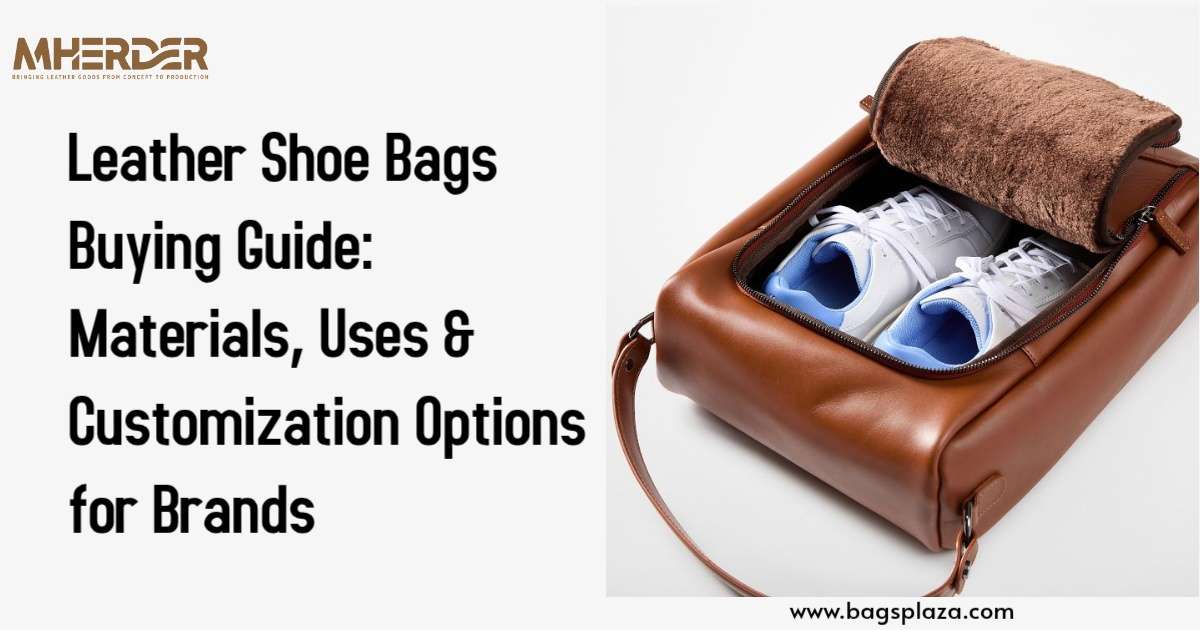
Leather shoe bags are travel, storage, presentation, or retail accessories designed to protect, organize, and package footwear. Full-grain or top-grain leather can suit premium presentation, while microfiber, PU, recycled leather, canvas, nylon, or mixed-material constructions may be more practical for lightweight travel, corporate gifting, or cost-controlled programs.
What Are Leather Shoe Bags Used For?
The same basic shoe-bag silhouette can serve very different commercial purposes. A luxury footwear presentation bag, a travel organizer, and a corporate gift may look similar online but require different specifications.
| Use Case | Main Buyer Goal | Practical Priority | Typical Material Direction |
| Luxury shoe packaging | Increase perceived value | Appearance and touch | Full-grain or top-grain leather |
| Travel shoe storage | Separate shoes from clothing | Weight, cleaning, closure | Microfiber, PU, canvas, nylon mix |
| Corporate gifts | Useful branded product | Cost control and logo visibility | PU, microfiber, recycled leather |
| Private-label accessory | Sell as a standalone SKU | Design, durability, margin | Top-grain leather, microfiber, mixed materials |
| Retail shoe add-on | Upgrade customer experience | Compact packing and brand match | Leather, PU, suede-touch microfiber |
Luxury Retail and Footwear Packaging

For premium footwear packaging, the shoe bag supports the shoe brand’s story. The product may spend most of its life in a box or closet, so appearance, hand feel, clean stitching, lining, color accuracy, and branding can matter more than extreme abrasion resistance.
- Top-grain or full-grain leather exterior
- Soft microfiber or suede-like lining
- Subtle debossed or embossed logo
- Drawstring, zipper, or magnetic closure
- Individual left/right sleeves or separated compartments where appropriate
Travel Storage

Travel shoe bags must work harder. They may be compressed inside luggage, exposed to dirty soles, and opened frequently. A heavy full-leather design is not always the most practical choice. Microfiber, PU, canvas, nylon, or mixed materials can reduce weight and make cleaning easier.
- Which shoe types must fit: sneakers, heels, boots, golf shoes, or dress shoes?
- Will one bag hold a pair or one shoe?
- Is ventilation required?
- Should the lining be wipeable or washable?
- Will the bag be sold alone or included in a travel set?
Corporate Gifts and Private-Label Programs

Corporate gift buyers often prioritize visible branding, useful design, delivery timing, and target cost. Shoe bags can fit golf events, executive travel kits, hospitality programs, loyalty gifts, and conference merchandise. Private-label brands may place greater emphasis on retail margin, material story, packaging, and repeat-order consistency.
Which Materials Fit Leather Shoe Bags Best?
The best material is the material that fits the use case. Genuine leather can be excellent for premium presentation, but it may be unnecessarily heavy or expensive for travel and promotional programs. Buyers should compare material behavior, weight, branding performance, care, cost, and bulk consistency together.
| Материал | Лучше всего подходит для | Strengths | Trade-Offs |
| Натуральная кожа | Luxury packaging, premium gifts | Natural grain, high perceived value | Higher cost, heavier, requires care |
| Кожа высшего качества | Premium retail, private label | Refined appearance, strong branding surface | Higher cost than synthetics |
| Переработанная кожа | Value-driven gifting, sustainability positioning | Cost and material-story options | Composition and claims must be verified |
| Microfiber leather | Travel, modern private label | Lightweight, soft, consistent surface | Less natural than genuine leather |
| PU leather | Promotional and entry-level gifting | Cost-effective, wide color range | Durability varies by grade |
| Canvas with leather trim | Travel and lifestyle brands | Lightweight, breathable, relaxed look | Less formal or luxury-oriented |
| Nylon / mixed material | Travel and functional programs | Lightweight, practical, easy packing | More technical appearance |
Full-Grain and Top-Grain Leather
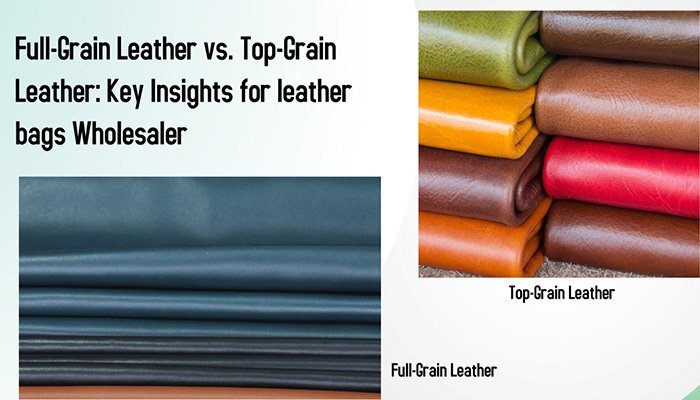
Full-grain leather can create a premium presentation and natural material story, but natural marks and shade variation should be expected and defined during sample approval. Top-grain leather can provide a more controlled surface for brands that need premium positioning with stronger batch consistency.
For leather projects, buyers should define leather type, thickness, finish, color tolerance, backing, lining, logo method, and relevant physical-performance expectations rather than using the phrase “genuine leather” alone.
For standardized leather testing methods, buyers can refer to ASTM International Leather Standards when defining relevant physical and performance requirements.
Microfiber, PU, and Other Non-Animal Materials
Microfiber can provide a soft, consistent surface and lower weight. PU can support cost-sensitive corporate gifts and promotional sets. Buyers should avoid vague specifications such as “high-quality PU” and instead define thickness, hand feel, color, backing, intended use, expected durability, and market-specific requirements.
- Coating adhesion and peeling resistance
- Fold and flex behavior
- Color transfer
- Odor
- Abrasion expectations
- Temperature and humidity sensitivity where relevant
- Required chemical or restricted-substance documentation
Recycled Leather and Mixed Materials
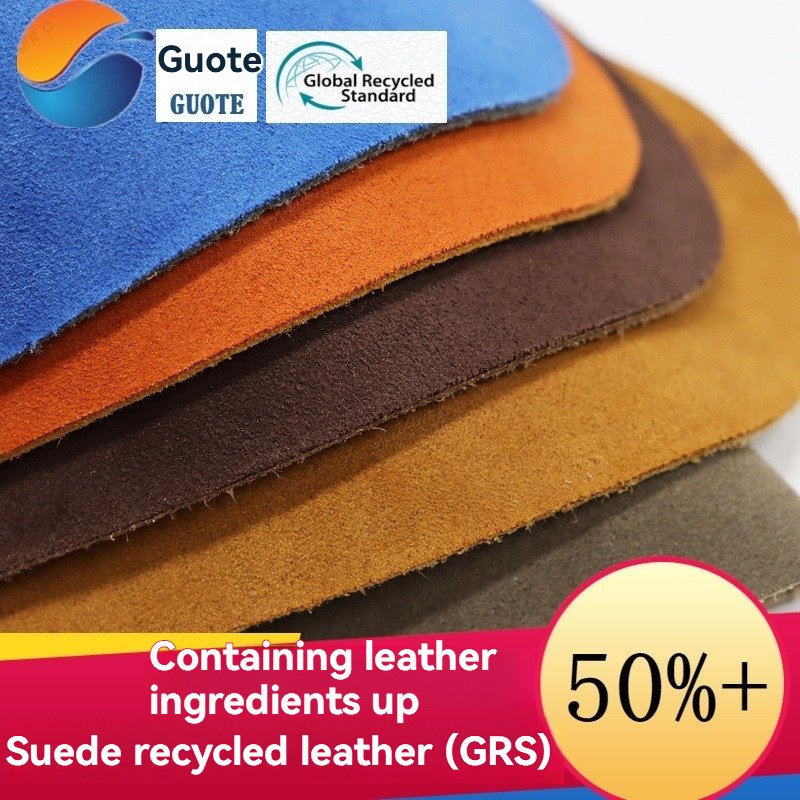
Recycled leather can support an environmental positioning, but composition, backing, and claim language should be documented. Mixed-material designs can reduce weight and cost while retaining premium cues, such as canvas with leather trim, microfiber with a leather logo patch, or a PU exterior with a wipeable lining.
Where leather sourcing or sustainability documentation matters, buyers can review Leather Working Group standards as one supply-chain reference. Facility certification should not be represented as certification of the finished shoe bag.
Buyers evaluating leather supply-chain documentation can also review Leather Working Group standards and certification as a reference for leather manufacturing and sourcing controls.
How Should You Choose the Structure for Leather Shoe Bags?
A premium material cannot compensate for poor structure. Shoe type, size range, packing method, protection level, and user access should be defined before sampling.
Size and Shoe Type Come First
- Women’s EU 35–40
- Men’s EU 40–46
- Unisex sneakers
- Dress shoes
- High heels
- Golf or athletic shoes
- Short or ankle boots
If one product must fit many shoe types, the pattern may become larger and less refined. A bag developed around a specific footwear collection can be sized more precisely and may use material more efficiently.
Common Structure Options
| Structure Type | Best Use | Buyer Consideration |
| Simple drawstring pouch | Retail packaging, dust protection | Low complexity; limited shape protection |
| Zipper shoe bag | Travel and storage | Easy access; adds hardware and labor |
| Separated compartments | Premium travel | Reduces shoe-to-shoe contact |
| Individual shoe sleeves | Luxury footwear packaging | Elegant; higher material usage |
| Handle carry bag | Travel and gifting | More functional; larger pattern |
| Foldable shoe organizer | Travel sets | Weight and packability matter |
Lining and Interior Protection
The lining affects both footwear protection and perceived quality. Soft lining can reduce direct surface contact with polished shoes, while wipeable synthetic lining can be practical for travel footwear.
- Microfiber lining for soft touch
- Polyester lining for general use
- Non-woven lining for budget packaging
- Wipeable synthetic lining for travel
- Suede-like lining for premium presentation
Closure Methods
Closure selection changes appearance, cost, security, and daily usability. Drawstrings are simple and classic, zippers offer secure travel storage, magnetic flaps can create a refined presentation, and snaps can work when properly reinforced. Buyers should also confirm that hardware or closures cannot scratch polished footwear.
What Customization Options Make Leather Shoe Bags Feel On-Brand?
Customization should support the product’s commercial role rather than adding every available decoration. Logo method, hardware, lining, color, labels, and packaging should match the footwear brand’s price tier and sales channel.
| Customization Method | Лучший вариант | Brand Message | Buyer Check |
| Blind embossing | Suitable for genuine leather / selected PU | Subtle premium | Surface and thickness |
| Тиснение | Leather, PU, microfiber | Clean and refined | Depth and clarity |
| Hot stamping | Leather and selected synthetics | Gift-ready premium | Foil adhesion and color |
| Screen/silk printing | PU, canvas, fabric panels | Visible promotional branding | Ink durability |
| Metal logo plate | Premium private label | Higher perceived value | Weight and attachment |
| Woven label | Canvas and mixed materials | Lifestyle/travel | Placement and abrasion |
| Leather patch | Canvas or fabric body | Heritage cue | Material and edge finish |
Packaging Is Part of the Product
- Individual polybag
- Tissue wrapping
- Printed paper sleeve
- Cotton dust bag
- Kraft paper box
- Rigid gift box
- Barcode or SKU label
- Instruction or care card
A shoe bag included inside a shoe box may need efficient packaging, while a corporate gift or standalone premium accessory may justify a presentation box. Packaging dimensions should be confirmed before production because they affect carton volume and landed freight cost.
What Specifications Are Needed Before Requesting a Quote?
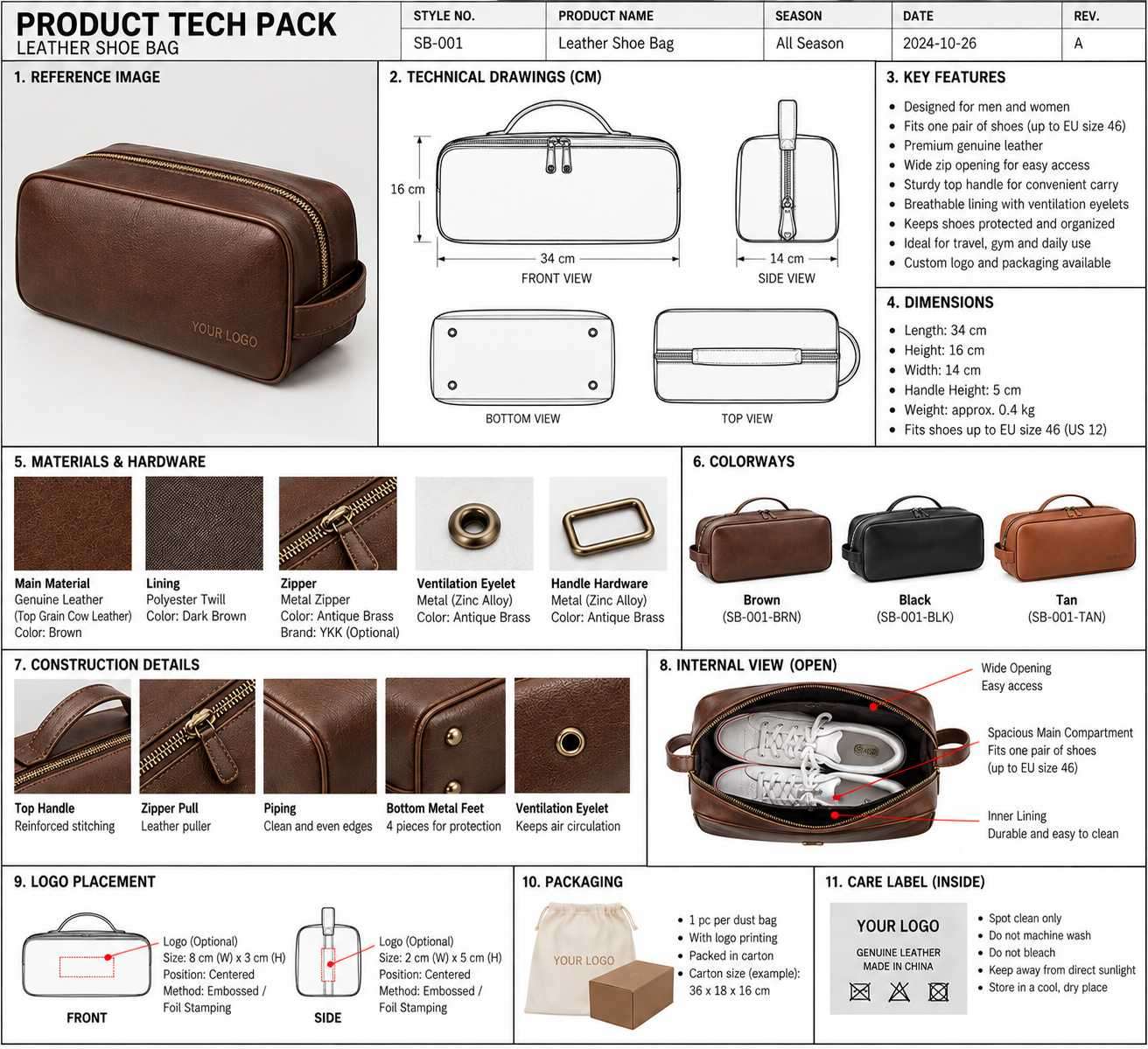
A reference photo alone is not a complete quotation basis. Clear specifications help factories estimate feasibility, material usage, sampling time, labor, packaging, and production risk.
- Product purpose: travel, retail packaging, corporate gift, or private-label sale
- Shoe type and largest size to fit
- Finished dimensions or reference sample
- Material type, grade, thickness, finish, and color
- Lining requirement
- Closure method
- One-pair, separated-compartment, or individual-sleeve structure
- Logo artwork and preferred branding method
- Packaging specification
- Order quantity by style and color
- Target price or retail positioning
- Delivery term such as FOB, CIF, or DDP
- Destination-market documentation or testing requirements
Why Target Price Matters
A realistic target price helps the factory recommend a commercially suitable construction. A promotional travel kit may not justify full-grain leather, while a premium footwear presentation program may require material and packaging that would be unnecessary for an entry-level SKU.
Sample Approval
- Overall dimensions and actual shoe fit
- Material hand feel and color
- Logo position and clarity
- Stitching and edge finishing
- Lining quality
- Closure function
- Weight and foldability
- Packaging presentation
For OEM and ODM projects, a physical golden sample should become the bulk-production reference whenever practical. Photos are useful for communication, but they cannot fully demonstrate softness, weight, internal fit, or closure behavior.
How Can Buyers Evaluate Leather Shoe Bag Suppliers?
Supplier evaluation should include relevant product experience, material sourcing, sampling ability, quality control, customization, communication, export support, and documentation. A low unit price can become expensive if the supplier cannot reproduce the approved specification.
Supplier Questions
- Have you produced shoe bags, travel organizers, pouches, or footwear packaging before?
- Can you develop from sketches, reference samples, or tech packs?
- Which materials do you commonly use for this product type?
- Can you support custom logo, lining, hardware, and packaging?
- What quality checks are performed before shipment?
- Can you provide pre-production samples?
- Which Incoterms and shipping options can you support?
Quality Control Should Cover Function as Well as Appearance
| QC Area | What to Check | Why It Matters |
| Материал | Color, thickness, surface defects | Appearance and consistency |
| Cutting | Size accuracy and grain direction | Shape and material yield |
| Сшивание | Straightness, tension, skipped stitches | Durability and perceived quality |
| Logo | Position, depth, color, clarity | Brand presentation |
| Lining | Clean finish, fit, loose threads | Footwear protection and user experience |
| Closure | Zipper movement or drawstring strength | Daily function |
| Fit test | Largest approved shoe fits without force | Prevents size-related returns |
| Упаковка | Labels, protection and cleanliness | Retail/gift readiness |
For statistical acceptance sampling, buyers can refer to the ISO 2859 family of standards for inspection by attributes and agree the actual sampling plan, AQL, and defect classification with the supplier or inspection company.
Leather Shoe Bags B2B Buying Checklist
| Check | What to Confirm |
| Use case | Travel, retail, gifting, private label, footwear packaging |
| Shoe type | Sneakers, dress shoes, heels, golf shoes, boots |
| Size range | Largest approved footwear dimensions |
| Материал | Leather, microfiber, PU, recycled, canvas, nylon or mixed |
| Структура | Pair bag, separated compartments, individual sleeves |
| Lining | Soft, wipeable, microfiber, polyester or other |
| Closure | Drawstring, zipper, snap or magnetic |
| Брендинг | Deboss, emboss, print, hot stamp, patch or metal logo |
| Цвет | Approved swatch and bulk tolerance |
| Sample | Golden sample and actual shoe-fit test |
| QC | Dimensions, workmanship, fit, lining, closure and packaging |
| Упаковка | Polybag, dust bag, sleeve, paper box or gift box |
| минимальный объем заказа | By style, color, material and custom component |
| Lead time | Sampling, approval, bulk production and shipment |
| Перевозки | FOB, CIF, DDP or other agreed term |
Часто задаваемые вопросы
Are genuine leather shoe bags always better than PU or microfiber?
No. Genuine leather can be excellent for premium retail and luxury presentation, while microfiber or PU may be more practical for travel, corporate gifting, lighter weight, and budget-sensitive projects.
What size should I choose for custom leather shoe bags?
Base the pattern on the largest footwear style the product must fit. Confirm gender, size range, shoe shape, and whether one bag holds a pair or one shoe.
Which logo method works best?
Embossing or debossing can work well on suitable leather and synthetic surfaces, while printing can suit canvas, PU, or promotional designs. The final method should be tested on the approved material.
What information should I send for an accurate quotation?
Send use case, shoe type, size range, dimensions, material, lining, closure, structure, logo, packaging, quantity, target price, destination, and delivery terms.
Can shoe bags use recycled or vegan materials?
Yes. Recycled leather, microfiber, PU alternatives, canvas, and mixed materials can all be considered. Sustainability and vegan claims should be supported by appropriate documentation and checked against the buyer’s market requirements.
Заключение
Leather shoe bags should be selected by use case, not material name alone. Premium footwear brands may prioritize top-grain or full-grain leather, soft lining, and understated branding, while travel and corporate-gift programs may benefit from lighter materials, practical closures, easier cleaning, and cost-controlled packaging.
If you are sourcing custom leather shoe bags for footwear brands, travel collections, corporate gifting, retail packaging, or private-label programs, BagsPlaza can support material selection, sizing, structure development, sampling, custom branding, packaging, OEM/ODM production, and quality inspection. Send us your shoe type, size range, reference image, preferred material, logo, estimated quantity, target market, and target price for a project assessment.