How Much Does It Cost to Manufacture Leather Bags? A Comprehensive Guide to Leather Bag Production Costs and Pricing Strategies
 Viktiga slutsatser
Material Choice Defines Base Cost: The price difference between full-grain and top-grain leather is significant, and your selection must align with your brand positioning.
Scale Impacts Unit Pricing: Minimum Order Quantities directly influence profit margins by spreading fixed costs like sampling and tooling over more units.
Complexity Drives Hidden Costs: Intricate stitching, edge painting, and specialized hardware increase labor hours and material waste, raising the final price.
Logistics Strategy Protects Profits: For emerging brands, DDP shipping is recommended to lock in duties and fees, preventing unexpected budget overruns.
Sampling Ensures Consistency: Investing in professional prototypes is the only way to guarantee that mass production meets your quality standards without costly errors.
Balanced Pricing Manages Risk: Choosing the right order volume requires balancing cash flow and inventory pressure against the benefits of lower per-unit costs.
Summary:
Not all leather bags are priced the same—and the difference goes far beyond what you can see. From leather selection and design complexity to order quantity and hidden logistics costs, every decision directly impacts your final profit. This guide breaks down the real cost structure behind leather bag manufacturing, helping you understand where your money goes and how to control it.
Have you ever wondered why two leather bags that look almost identical can have completely different price tags? The answer lies in what happens behind the scenes. From material utilization and construction methods to production efficiency and MOQ requirements, these hidden factors determine your true cost. For brand owners and startups, understanding this is not optional—it directly affects your pricing strategy, margins, and long-term competitiveness.
Cost Model: Understanding Leather Bag Production Costs and Leather Products Pricing Strategies
Understand the Cost Breakdown
The total cost of manufacturing has a very specific structure, and while suppliers might present it differently, there are generally four key areas to consider. Materials make up the largest percentage, followed by labor, and smaller amounts for fixed costs and compliance.
In real-world scenarios, materials account for more than half of the total cost. Labor costs vary depending on the complexity of the design, while fixed costs (such as sampling and pattern-making) are spread across the order quantity. This is why smaller orders tend to have higher costs. Additionally, your compliance costs can increase depending on the markets you’re targeting, especially if you’re planning to sell in the U.S. or European markets.
What this means for you is that understanding these four areas will help you manage costs effectively and avoid focusing solely on the price quote.
Material and Their Impact on Leather Bag Production Costs and Brand Positioning
Leather Selection: How Leather Material Impacts Leather Bag Production Costs
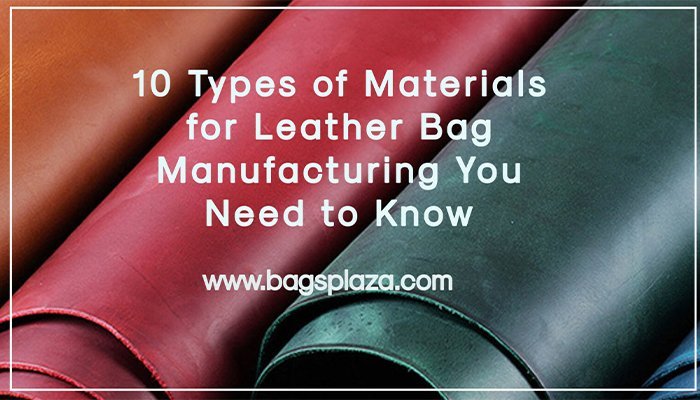
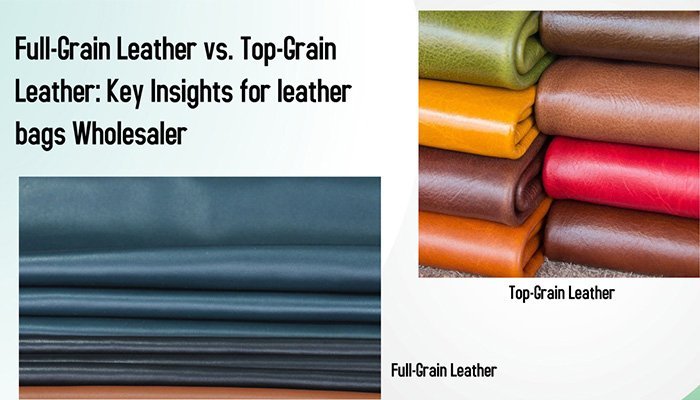
Leather selection is the most important factor influencing both the cost and the value of your product. Full-grain leather, considered the highest quality, is more expensive than other options like top-grade leather or PU leather. If your brand aims for a premium positioning, using high-quality leather will require you to price your products higher. On the other hand, affordable leather will align with more budget-friendly product pricing.
What this means for you is that your leather selection must match your brand’s strategy and customer expectations. A mismatch here can result in poor sales.
| Material | Drag | Fördelar | Price Range (Raw Material) | Price Range for Finished Product (Handbags) |
| Full-Grain Cow Leather (Top Layer) | Retains natural texture and pores | High quality, durable, long-lasting | USD 3.5–8.0 / sq.ft | USD 35–50 / piece |
| Högkornigt koläder | Surface sanded/coated, uniform texture | Aesthetic consistency, good durability, and cost-effectiveness | USD 2.5–6.0 / sq.ft | USD 20–40 / piece |
| Splittäder | Middle layer of cowhide, loose fibers | Low cost, varied patterns | USD 1.0–3.0 / sq.ft | USD 8–25 / piece |
| Lammskinn | Fine, soft texture, lightweight, and smooth | Best hand feel, lightweight, soft | USD 2.0–7.0 / sq.ft | USD 20–50 / piece |
Hardware and Components
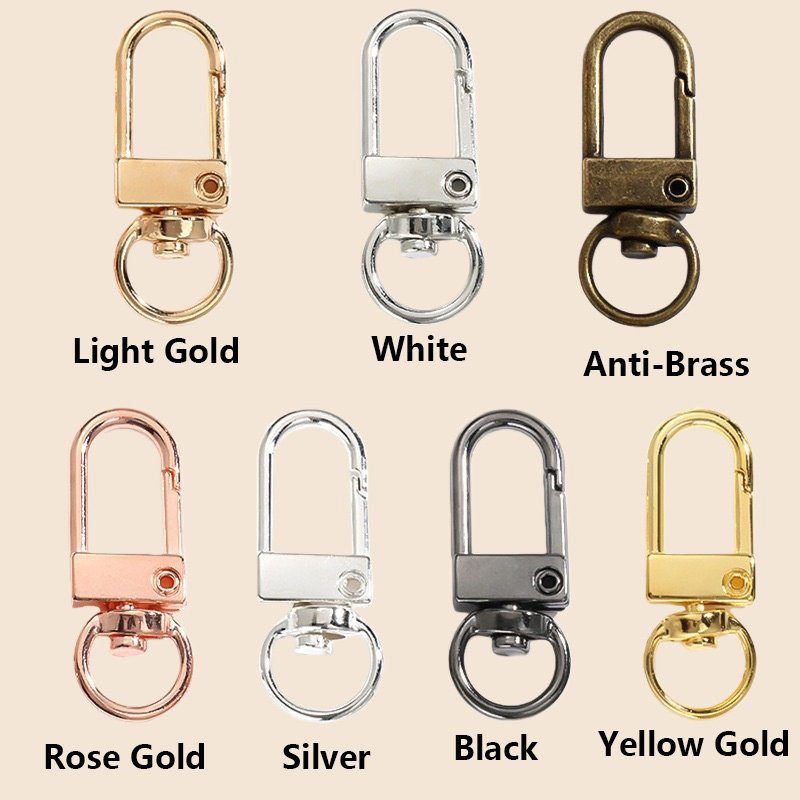
Hardware, such as zippers, buckles, and magnetic clasps, can add more to the cost than you might initially expect. As a new brand, you will need to decide whether to use standard hardware or invest in custom options that reflect your brand’s identity. For detailed specifications of hardware and construction, see our OEM leather bag manufacturing process.
Material Waste and Efficiency
A hidden cost often overlooked is material waste, especially when cutting leather. The natural imperfections in leather and its shape result in waste, meaning only 75-85% of the leather may be usable. This adds an extra 15-25% to the cost of materials, even if the initial quote appears reasonable.
What this means for you is that complicated designs or inefficient use of leather can drive up material costs, even when the unit price seems affordable at first.
Labor Costs Increase With Design Complexity
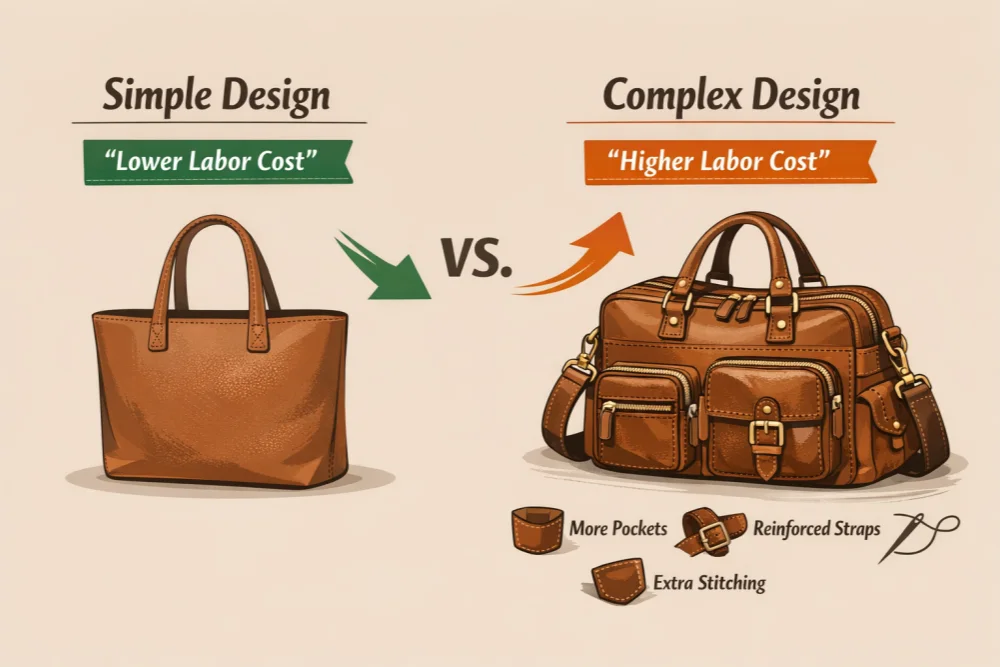
The complexity of your design directly affects labor costs. For example, a simple bag design will require fewer labor hours compared to a structured bag design with multiple compartments. Changes such as additional pockets, reinforced straps, or extra stitching can significantly increase labor hours. What this means for you is that every design decision has a direct impact on your pricing strategy.
Skill Level and Quality Control
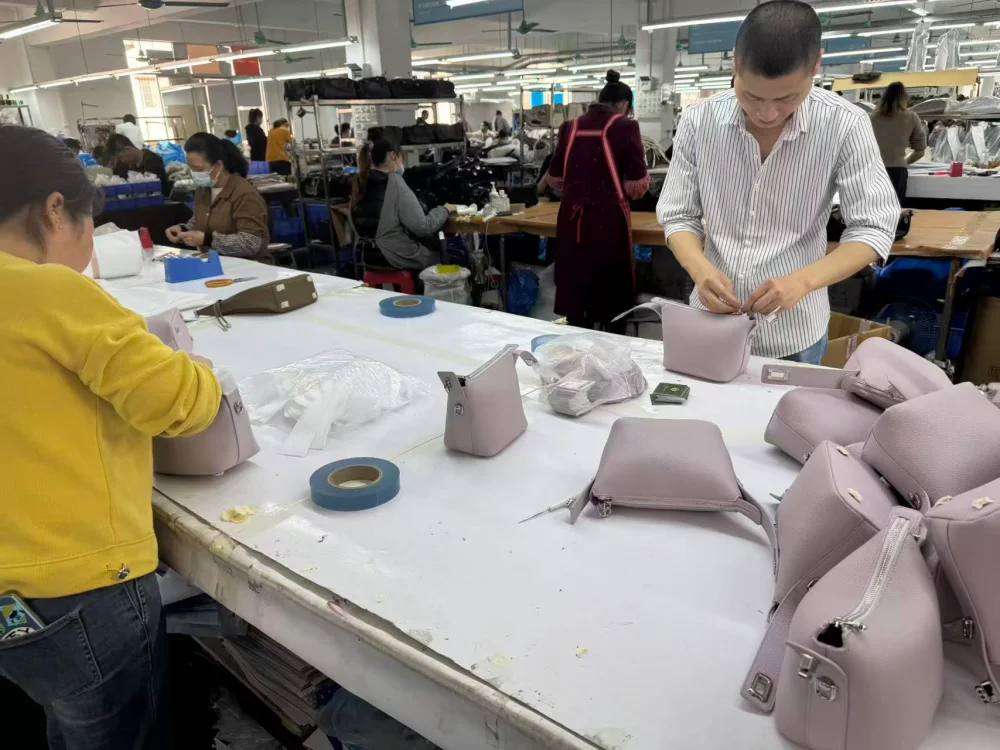
The skill level of your workers impacts the final product’s quality. Highly skilled workers will produce better-quality items with fewer defects, but they also command higher wages. If you opt for cheaper labor, you risk compromising the quality, such as poorly stitched seams and weak construction.
What this means for you is that investing in higher labor costs results in better-quality products and fewer issues down the line.
Order Volume Has the Biggest Impact on Unit Price
MOQ and Cost Efficiency
Order volume plays the largest role in determining your per-unit cost. Larger orders spread fixed expenses across more units, making production more cost-effective. For example, ordering 500 pieces instead of 100 can reduce your per-unit cost considerably. However, this also requires a larger upfront investment and increased inventory risk.
What this means for you is that while larger orders improve margins, they only make sense if you are confident about your product’s demand.
Balancing Cost and Risk
Reducing costs by increasing volume only makes sense if you’re sure you can sell the inventory. Many brands try to reduce their costs too early, only to end up holding unsold stock.
A smaller order might cost more per unit, but it allows you to test the market with less financial pressure.
What this means for you is that your first production run should prioritize flexibility and market testing rather than cost efficiency.
Cost Impact Comparison: Simple vs Structured vs Premium Leather Bags
To better understand how different design directions affect your total cost, here is a practical comparison based on real manufacturing scenarios:
| Faktor | Simple Leather Bag | Strukturerad läderväska | Premium Leather Bag |
| Designkomplexitet | Minimal panels, basic construction | Reinforced structure, multiple compartments | Complex construction, detailed finishing |
| Material Type | Split leather / PU / basic top-grain | Top-grain leather with reinforcement | Full-grain leather/specialty leather |
| Material Cost | Låg | Medium | Hög |
| Arbetskraftskostnad | Low (fewer steps) | Medium–High (more assembly steps) | High (skilled craftsmanship required) |
| Hårdvara | Standard hardware | Mixed standard + custom parts | Custom hardware, branded components |
| MOQ Requirement | Lower flexibility (easier to produce) | Standard MOQ (100+ units) | Higher MOQ due to material sourcing |
| Sampling Complexity | Simple, fewer revisions | Moderate revisions needed | Multiple revisions and refinements |
| Estimated Unit Cost | USD 8–20 | USD 20–50 | USD 50–120+ |
What this means for you is that your product positioning directly determines your cost structure.
A simple design helps you enter the market quickly with lower risk, while structured bags offer a balance between cost and perceived value. Premium bags, on the other hand, require higher investment but allow for stronger brand differentiation and higher retail margins.
Customization Determines Your Development Cost
Levels of Customization
Customization levels directly affect your development costs. Using an existing factory design with your logo is the quickest and cheapest option. However, if you’re opting for a completely custom design, this will require more time, effort, and resources. Semi-custom designs, which modify materials or hardware, offer a middle ground. What this means for you is that your level of customization should match your budget and your product’s need for uniqueness.
You can also review our plånbok och small leather goods development options for additional product expansion.
Sampling and Revisions
Sampling is where most of your development costs will arise. In most cases, several sample designs are created before arriving at the final product. Ambiguous specifications can lead to more revisions than anticipated, adding to the cost.
What this means for you is that clear communication and input during the design phase can help minimize sampling costs and keep development within your budget.
Additional Tip: To further reduce costs and avoid unnecessary revisions, you can ask the factory to provide an initial sample confirmation before proceeding with full production. Before shipping the sample to you, request that the factory take clear photos for your approval. Only approve the sample for shipping once you are fully satisfied with the images. This approach can significantly reduce modifications and material waste during the sampling process.
FOB Price Is Not Your Real Cost
Landed Cost Reality
The price you pay at the factory (FOB) is only a small part of the total cost. Additional costs like shipping, import duties, inspections, and logistics add up. In many cases, these can increase the total cost by 25-35%.
What this means for you is that you must always consider the total landed cost when planning your pricing strategy to avoid losing money at the retail level.
Hidden Operational Costs
As your business grows, hidden operational costs like warehousing, returns, and customer service can also become significant. These costs might not be apparent in the early stages, but will increase as you scale.
What this means for you is that you need to account for operational costs from the start to avoid surprises down the road.
Additional Tip: To simplify and reduce costs, it’s best to have the factory provide a DDP (Delivered Duty Paid) price. For smaller orders, you can arrange air freight DDP, while for larger orders, sea freight DDP can be arranged. This way, the factory will take care of import taxes and shipping to your warehouse, saving you time and reducing many hidden costs in the logistics process.
MHERDER can provide DDP shipping to global destinations, ensuring a smooth and cost-effective delivery to your warehouse with all import taxes and shipping included. Kontakta oss idag to streamline your supply chain and reduce operational complexity.
Your Cost Strategy Should Match Your Business Stage
During the startup stage, the focus should be on flexibility and speed to market. Small orders and simple designs help validate demand with minimal risk. Accepting higher costs in this phase is often the best decision.
What this means for you is that flexibility and market testing are more important than minimizing costs during the startup phase.
MHERDER can provide 20-piece trial orders, with your laser-engraved logo, to help you test the market with minimal investment and risk. Contact us today to start your journey with flexibility and confidence.
Growth Stage
In the growth stage, your focus should shift toward cost optimization while maintaining quality. Increasing order volume and refining your designs will help lower costs as you scale.
What this means for you is that after validating your product, it’s time to optimize costs without compromising on quality.
Premium Positioning
If your brand is positioned in the premium market, cost optimization may not be as crucial. Instead, investing in higher-quality materials and craftsmanship should be your priority to maintain brand prestige.
What this means for you is that in premium positioning, investing in quality and maintaining your brand’s value is more important than cutting costs.
Accurate Quotes Depend on Clear Information
What to Provide Suppliers
To receive accurate quotes, provide your suppliers with detailed information such as design references, materials, order quantity, and your target market. Incomplete or unclear specifications can result in inaccurate pricing and complications during production.
What this means for you is that the more specific you are, the more accurate your price will be.
Why This Reduces Risk
Clear communication with suppliers minimizes misunderstandings and reduces the risk of production delays, changes, or additional costs.
What this means for you is that being well-prepared will lead to smoother production and more predictable costs.
Slutsats
The total cost to manufacture your leather bag is not fixed—it is determined by your decisions about materials, design, order volume, and customization, which directly affect your leather bag production costs and pricing strategies. Partnering with a manufacturer who understands these dynamics is crucial for controlling costs, ensuring quality, and meeting regulatory requirements.
At Guangzhou Herder Leather Products Co., Ltd., we specialize in flexible MOQs, cost control, and compliance-ready manufacturing to meet U.S. and EU regulations. Are you in the design phase or evaluating a manufacturer’s quote? Contact us today for a free cost estimate and expert advice, and let’s take the next step toward producing your product with confidence!
Need a detailed cost breakdown for your specific design? Kontakta oss idag for a transparent quote and expert manufacturing advice
Vanliga frågor (FAQ)
How much does it cost to manufacture a leather bag?
The cost of manufacturing a leather bag typically ranges from USD 8 to USD 120+ per piece, depending on materials, design complexity, and order quantity. Simple designs using lower-cost leather can be produced at the lower end, while premium full-grain leather bags with complex structures and custom hardware will cost significantly more. In addition, you should always consider total landed cost, which can add 25–35% on top of factory pricing.
What is the MOQ for leather bags in manufacturing?
The standard MOQ (Minimum Order Quantity) for leather bags is usually around 100 pieces per style per color for OEM production. However, some manufacturers offer lower MOQs (such as 20 pieces) for stock designs with custom logos. MOQ exists to ensure production efficiency and to spread fixed costs like sampling and tooling across more units.
Why is leather bag production so expensive?
Leather bag production is expensive because of high material costs, labor-intensive processes, and natural material waste. Genuine leather itself is costly, and only about 75–85% of each hide is usable. In addition, complex designs require skilled labor, multiple production steps, and stricter quality control, all of which increase overall costs.
What factors affect leather bag manufacturing cost the most?
The main factors include leather type (full-grain vs split leather), design complexity, order quantity (MOQ), hardware customization, and labor requirements. Among these, material selection and order volume have the biggest impact on the final unit price.
How does MOQ affect leather bag pricing?
MOQ directly impacts unit cost. Larger orders reduce the cost per piece by spreading fixed costs (like sampling and setup) across more units and improving production efficiency. Smaller orders result in higher unit costs but are useful for market testing with lower risk.
How can I reduce leather bag production costs?
You can reduce costs by simplifying design, choosing cost-effective materials, optimizing order quantity, and minimizing unnecessary customization. Clear communication with your manufacturer during the sampling stage also helps avoid costly revisions and delays.
What is the difference between FOB price and landed cost?
FOB (Free on Board) price only includes the cost of the product at the factory. Landed cost includes shipping, import duties, customs clearance, and logistics. In most cases, landed cost is 25–35% higher than FOB, so it is critical to calculate this when setting your retail price.
Is it better to start with a small or a large order?
For new brands, starting with a small order is usually the better strategy. Although the unit cost is higher, it allows you to test the market with lower financial risk. Once demand is validated, you can increase order volume to reduce costs and improve margins.
How long does it take to manufacture leather bags?
Sampling typically takes 7–14 days, while bulk production usually requires 25–40 days after sample approval. Lead times may increase depending on design complexity, material sourcing, and order quantity.
How do I choose a reliable leather bag manufacturer?
Look for a manufacturer with proven experience, strong quality control systems, and compliance with international standards such as REACH or California Proposition 65. It is also important to choose a supplier that offers clear communication, flexible MOQs, and consistent production quality.