
OEM Pleated Leather Bags: Structured Design, Material Control & Bulk Manufacturing
Pleated leather bags require controlled fold construction, material tension stability, and reinforced assembly methods to maintain consistent pleat definition across bulk production. Unlike conventional smooth-surface leather bags, pleated bag manufacturing depends heavily on fold spacing accuracy, material flexibility, and structural reinforcement to preserve silhouette consistency during production, shipping, storage, and retail display.
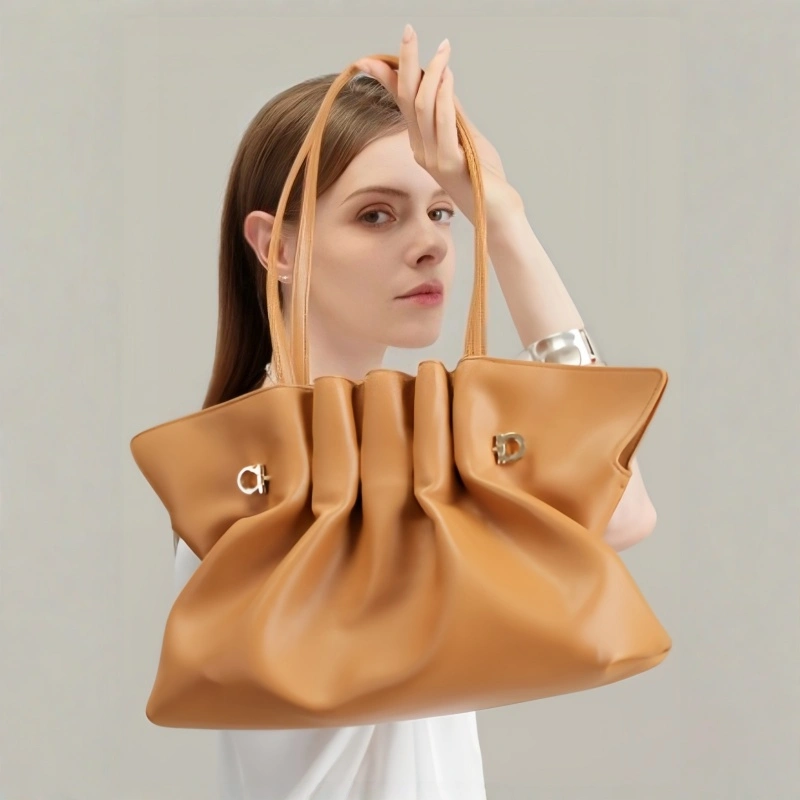
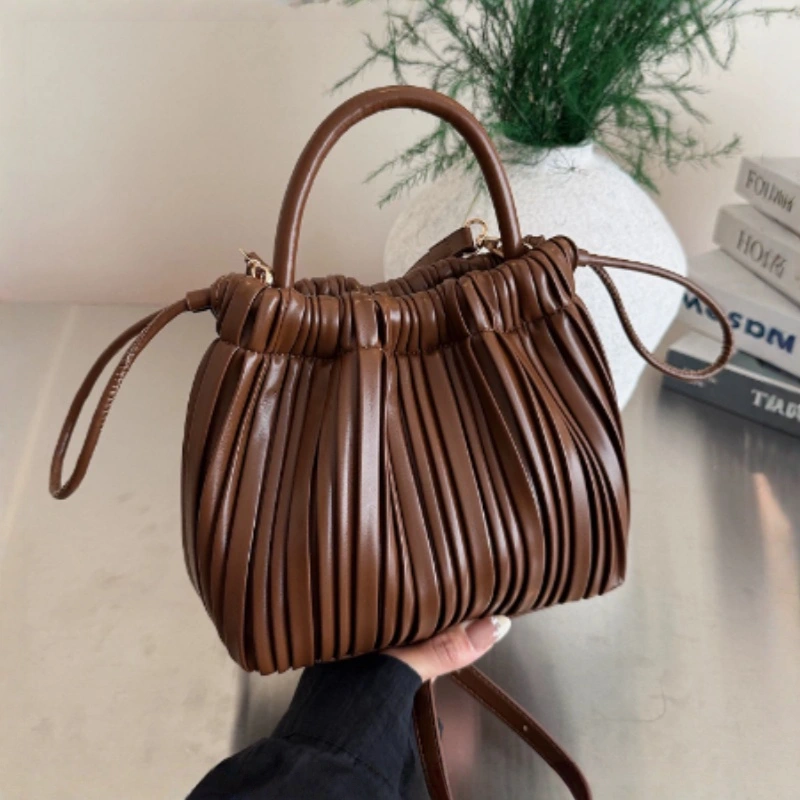
These bags are developed using structured folding, gathering, accordion pleating, and layered panel construction techniques to create dimensional texture and a modern fashion-oriented appearance. Common product categories include pleated leather shoulder bags, pleated leather crossbody bags, pleated tote bags, pleated clutch bags, woven leather handbags, and soft hobo-style silhouettes.
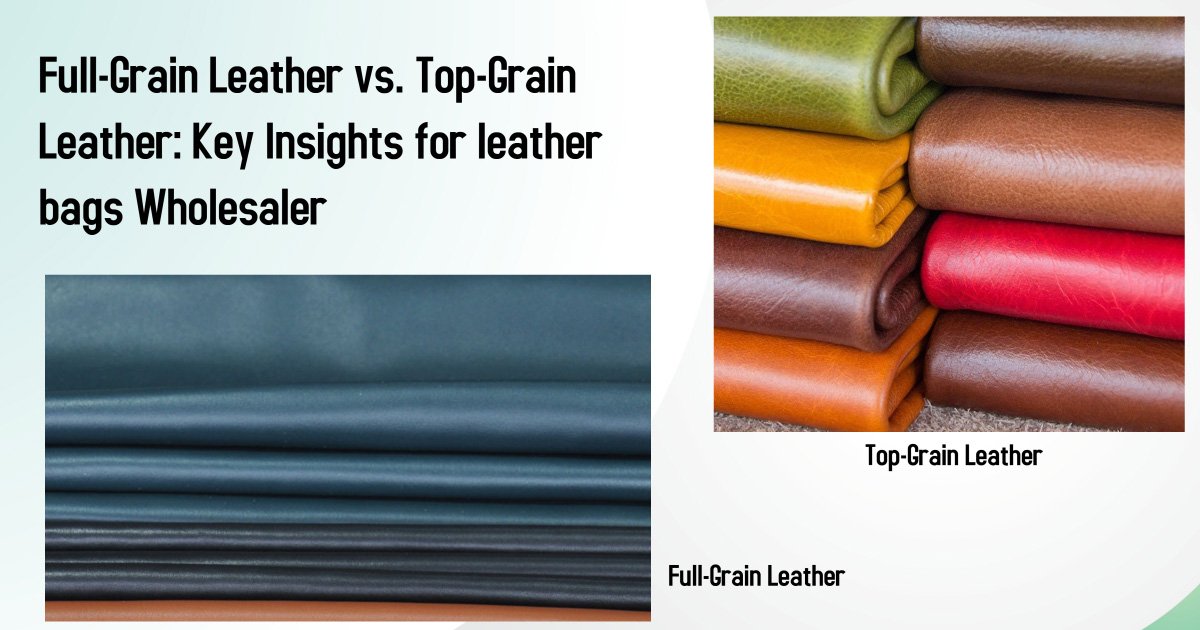
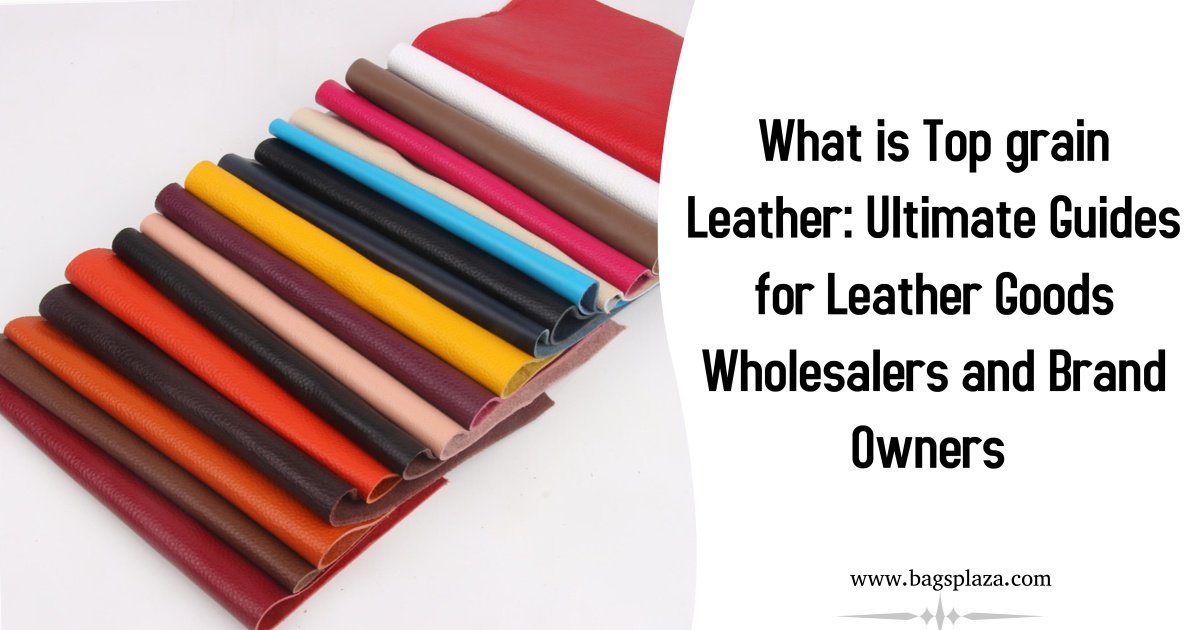
Material selection plays a critical role in pleat retention and long-term structural stability. Full-grain leather, lambskin, sheepskin, recycled leather, vegan leather, structured PU, and waxed canvas all behave differently during folding, stitching, and shaping. Softer materials create a more relaxed draped appearance, while structured leather and reinforced PU materials help maintain sharper pleat definition and silhouette stability across repeated use.
OEM and private-label programs support customization of pleat configuration, panel layout, hardware finish, strap systems, lining construction, branding, packaging, and color combinations for fashion brands, wholesalers, importers, and online sellers developing pleated handbag collections.
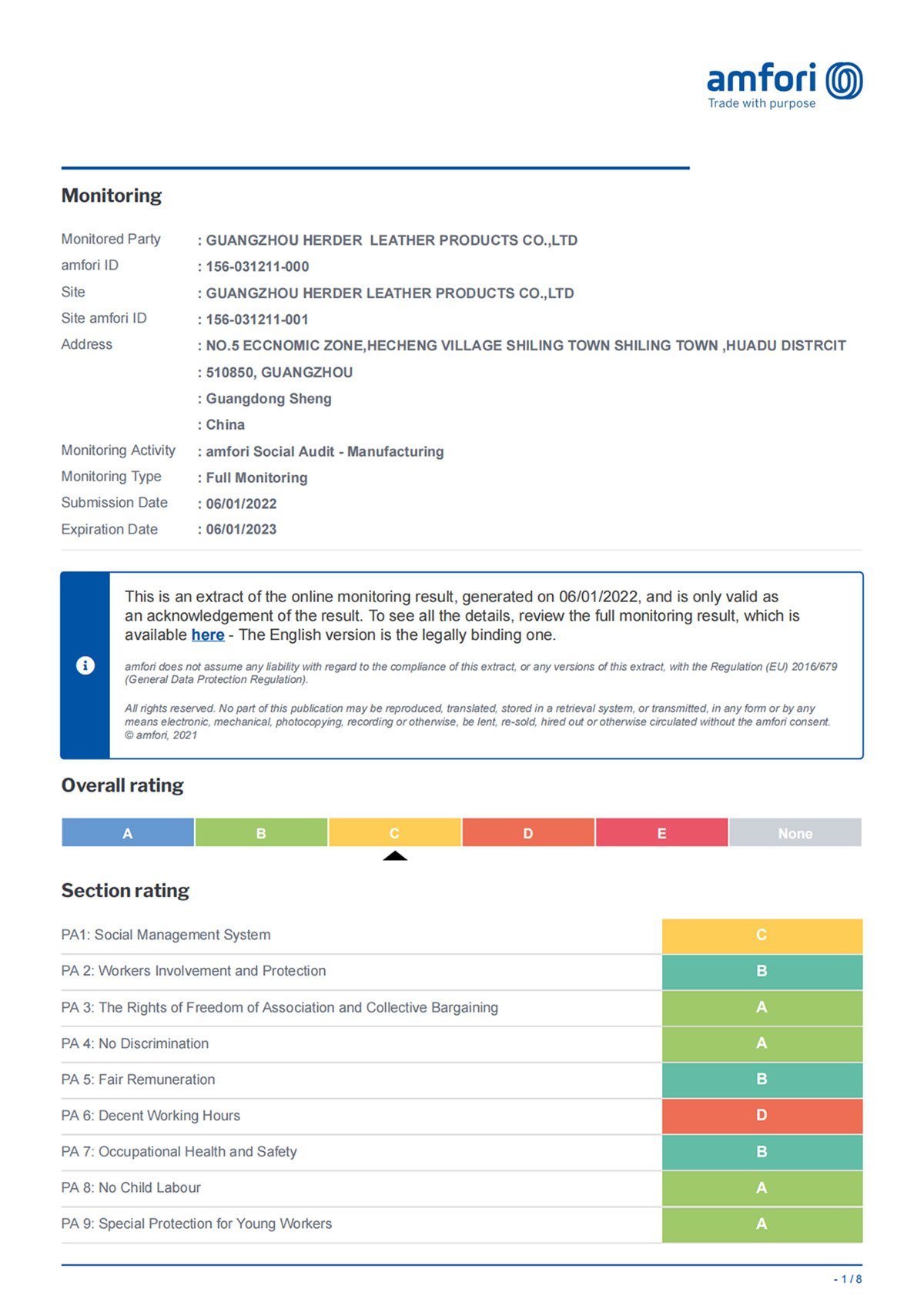
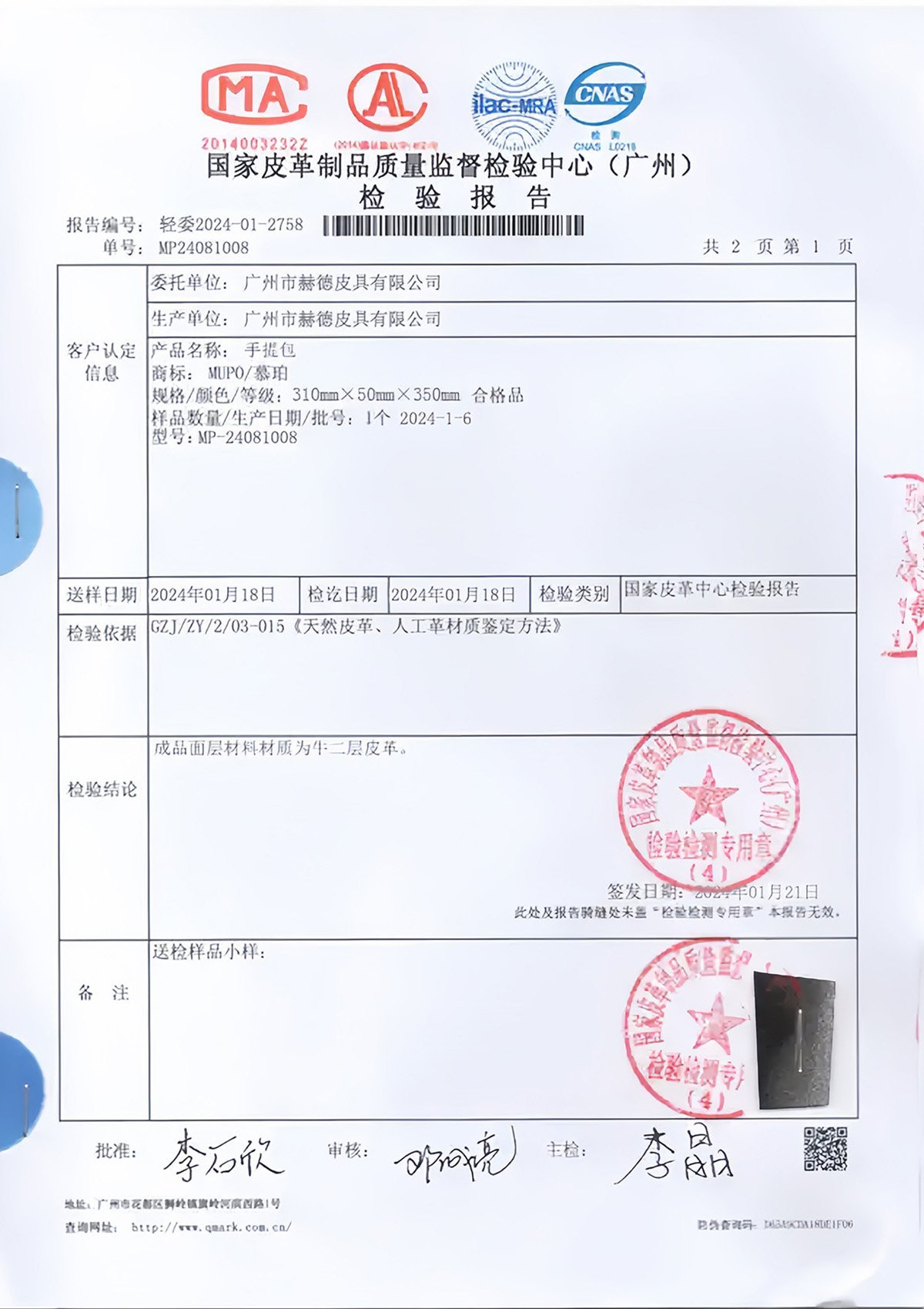
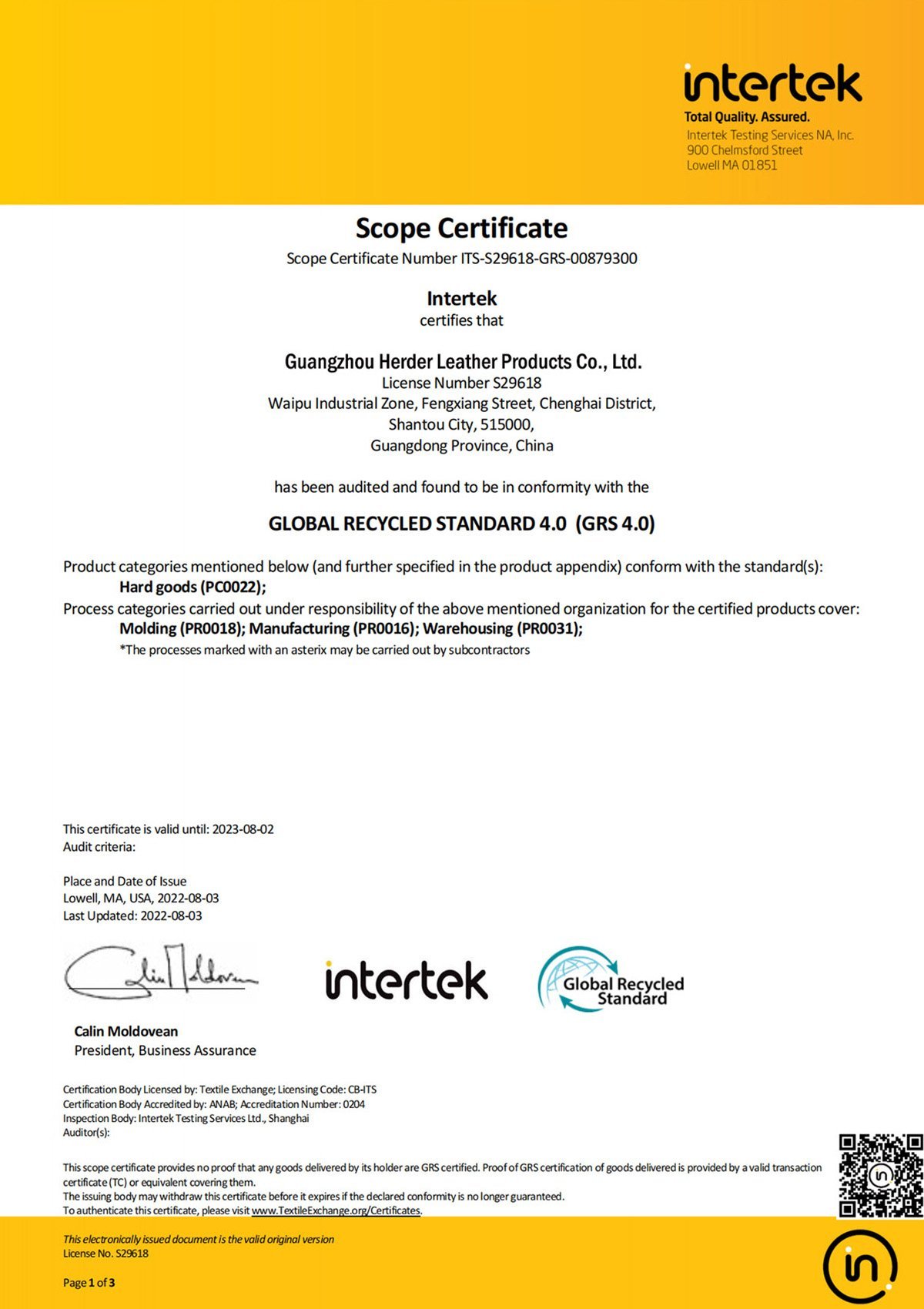
Guangzhou Herder Leather Products Co., Ltd., established in 2006, specializes in OEM/ODM leather goods manufacturing with over 19 years of experience in structured handbags, pleated leather constructions, and fashion-forward bag development. The factory supports OEM production from design review and pattern engineering to sample development, material sourcing, pleat structure testing, and scalable bulk manufacturing.
Materials and production specifications are standardized through controlled procurement and specification-lock systems to maintain consistency between approved samples and repeat bulk orders. The company supplies global B2B customers, including fashion brands, wholesalers, importers, and professional online sellers across the USA, Europe, and Australia.



Quick Specifications
- Product Categories: Pleated Leather Bags, Pleated Shoulder Bags, Pleated Crossbody Bags, Pleated Tote Bags, Pleated Clutch Bags, Pleated Hobo Bags
- Material Options: Full-Grain Leather, Lambskin, Sheepskin, Recycled Leather, Vegan Leather, Structured PU, Waxed Canvas & Mixed Materials
- MOQ: 10pcs Ready-Stock Styles With Logo | OEM Custom Orders From 100pcs Per Style Per Color
- Sample Lead Time: 7–14 Days Depending On Pleat Complexity & Hardware Requirements
- Bulk Production Time: 25–40 Days After Final Sample Approval & Material Confirmation
- Customization Options: Pleat Structure, Hardware Finish, Strap Systems, Lining Construction, Logo Application, Packaging & Color Matching
- Hardware Options: Gold, Silver, Gunmetal, Matte Black & Antique Brass
- Production Capability: OEM, ODM, Wholesale & Private Label Manufacturing
- Quality Control: Inline Inspection + Final AQL 2.5 Inspection Before Shipment
- Structural Controls: Fold Spacing Calibration, Pleat Symmetry Inspection & Reinforced Interior Support
- Shipping Support: Global DDP Air & Sea Logistics Available
Case Studies
Italian Brand – Lambskin Pleated Shoulder Bags
An Italian fashion label ordered 1,200 lambskin pleated shoulder bags in two colors, requiring a soft handfeel, even fold spacing, and polished gold hardware. Initial samples lost pleat definition after compressed packing. We adjusted the internal backing, refined the fold-forming process, and introduced shaped protective inserts. The completed order maintained its silhouette through shipment and passed the client’s final appearance inspection.
US Retailer – Pleated Vegan Leather Crossbody Bags
A US private label retailer requested 2,000 pleated vegan leather crossbody bags across four seasonal colors, with matching edge paint and custom metal logos. Early production trials showed uneven gathering near the zipper opening. We revised the panel allowance, standardized stitch tension, and added pleat-spacing inspections before assembly. All four colorways met the approved measurements and launched together as a coordinated retail collection.
Australian Wholesaler – Structured Pleated Tote Bags
An Australian accessories wholesaler developed 800 structured cowhide pleated tote bags with reinforced handles and a padded interior compartment. The main challenge was maintaining symmetrical folds when the bags were fully loaded. We adjusted the pleat termination points, strengthened the base panel, and completed carrying-load tests. Bulk production retained the approved shape, leading to a repeat order in an additional neutral color.
Types of Premium Pleated Leather Bags We Produce


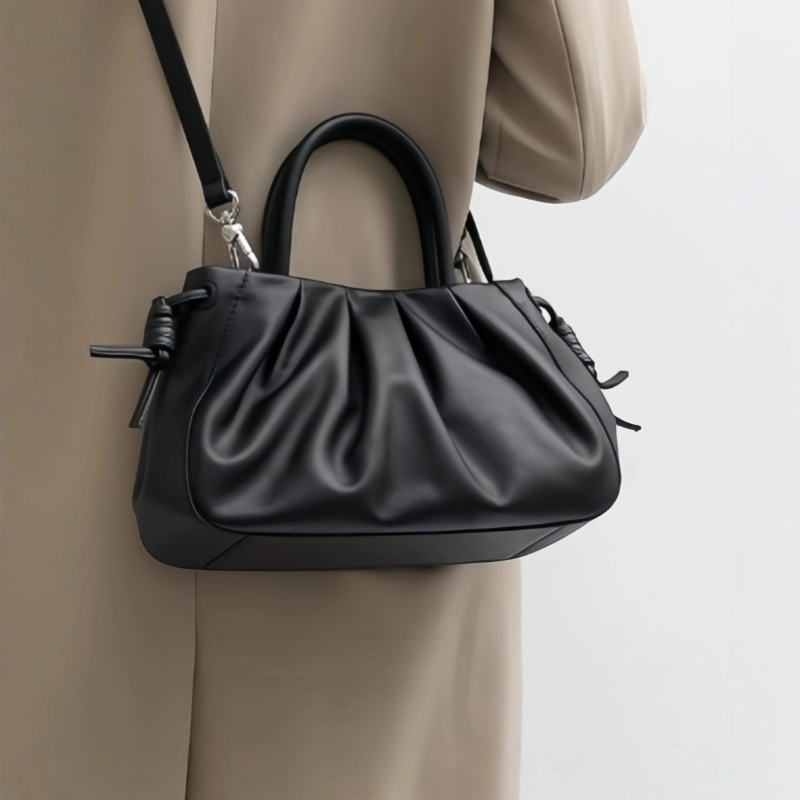


One-Stop OEM/ODM Solutions for Custom Leather Products


Pleated Leather Shoulder & Crossbody Bags for OEM and Wholesale Supply
Pleated leather shoulder bags and crossbody bags require controlled fold construction, material tension stability, and reinforced assembly methods to maintain pleat consistency throughout bulk production and shipping. Unlike smooth-surface leather bags, pleated constructions depend heavily on fold spacing accuracy, material flexibility, and structural reinforcement to preserve silhouette stability during handling, storage, and retail display.
To maintain pleat definition across OEM production, folded and accordion-style pleated bags are developed using controlled panel construction, reinforced interior support, and specification-locked fold patterns. Softer materials such as lambskin and sheepskin require additional structural support and protective packing methods to reduce pleat relaxation during transportation and storage.
Structured PU, reinforced vegan leather, and full-grain leather materials provide stronger pleat retention and improved stacking stability for large-scale wholesale distribution programs. Smaller pleated clutch bags and compact evening bag formats often require individual protective wrapping to help maintain closure alignment and surface consistency during shipping.
Quality control focuses on pleat depth consistency, fold spacing accuracy, seam alignment, material tension balance, and hardware positioning across shoulder bags, crossbody bags, tote bags, and structured pleated collections before shipment.


Key Features of Pleated Leather Bags for OEM and Bulk Buyers
Pleated leather bags require controlled fold construction, material stability, and repeat-order specification control to maintain consistent pleat definition across large-scale production. The following features support scalable OEM manufacturing and long-term wholesale development programs.
- Controlled pleated panel construction helps maintain fold consistency, silhouette stability, and repeat-order accuracy across bulk production runs
- Material flexibility and structural reinforcement are adjusted according to full-grain leather, lambskin, recycled leather, vegan leather, and structured PU requirements to improve pleat retention and long-term durability
- Standardized pleat engineering supports shoulder bags, crossbody bags, tote bags, hobo bags, clutch bags, and structured collections under one coordinated OEM program
- Reinforced fold structures and controlled material tension help reduce pleat relaxation, surface distortion, and silhouette deformation during shipping and storage
- Specification-lock systems standardize fold depth, seam positioning, hardware placement, and lining construction to maintain consistency across seasonal repeat orders
- Unified OEM development programs allow wholesale buyers and private-label brands to expand pleated collections across multiple SKUs while reducing sourcing complexity and redevelopment costs


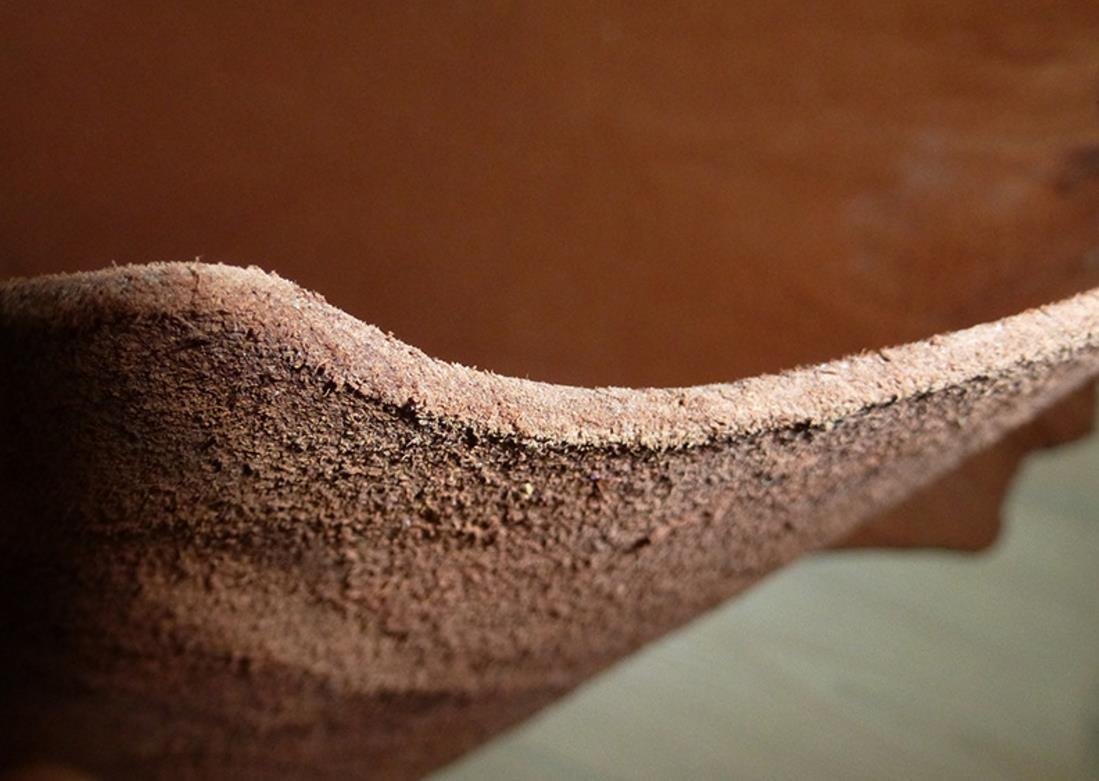
Premium Leather Materials You Can Choose for Your Leather Products


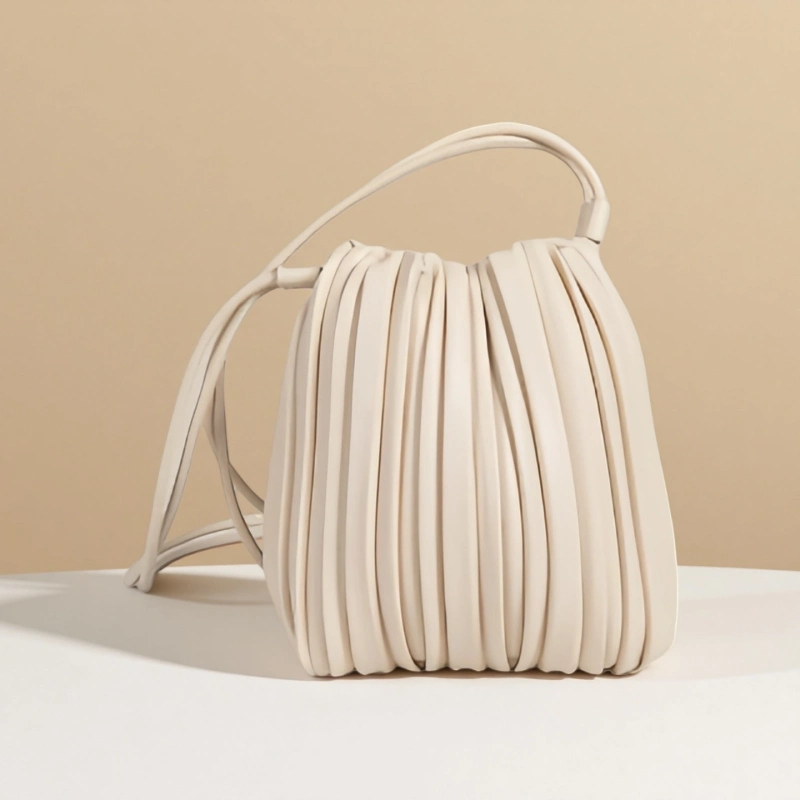

Pleated Leather Bag Manufacturer Capabilities for OEM and Bulk Orders
Pleated leather bag manufacturing requires controlled fold engineering, material tension stability, and repeat-order specification management to maintain consistent pleat definition across large-scale production. Our OEM production system is designed for long-term wholesale and private-label programs where structural consistency and silhouette stability are critical.
- Specification-locked pattern systems help maintain consistent pleat depth, fold spacing, and silhouette structure across repeat bulk production runs
- Controlled pleat engineering and material tension management improve pleat retention and reduce fold relaxation during shipping, storage, and retail display
- Reinforced assembly methods stabilize structured PU, vegan leather, lambskin, and full-grain leather constructions across different bag categories
- Standardized production controls maintain zipper positioning, hardware alignment, seam consistency, and interior structure across pleated crossbody bags, tote bags, shoulder bags, and clutch collections
- Repeat-order quality control systems help reduce production deviation and maintain structural consistency across seasonal color updates and large-scale wholesale programs
- Unified OEM production programs support coordinated development across multiple pleated bag styles while reducing sourcing complexity and redevelopment costs for wholesale buyers and private-label brands
Summary
Pleated leather bags require controlled fold engineering, reinforced structural support, and material tension management to maintain stable pleat definition across OEM bulk production. Unlike smooth-surface handbags, pleated constructions rely heavily on fold spacing accuracy, material flexibility, and structural reinforcement to preserve silhouette consistency during manufacturing, shipping, storage, and retail display.
For wholesale and private-label programs, full-grain leather, lambskin, vegan leather, recycled leather, and structured PU are commonly selected based on desired pleat sharpness, drape effect, and long-term shape retention. OEM customization typically includes pleat configuration, hardware finishes, logo applications, lining construction, strap systems, and branded packaging solutions for fashion brands, wholesalers, importers, and online retailers.
Wait! Don't Miss Out!


Still not finding what you’re looking for? Contact our consultants for more available products.
FAQ
Yes. Pleated leather bags are highly suitable for long-term OEM production because pleat depth, fold spacing, and seam positioning can be standardized after sample approval.
Unlike smooth-surface bags, pleated leather bags rely heavily on controlled fold engineering and material tension stability to maintain a consistent silhouette across repeat production runs. Once a pleated leather shoulder bag, crossbody bag, tote bag, or clutch bag is approved, all production specifications — including pleat structure, material selection, hardware placement, lining construction, and stitching methods — are locked into the production file.
This helps maintain repeat-order consistency across seasonal reorders, wholesale collections, and private-label programs while reducing redevelopment costs and production variation.
Pleat consistency is controlled through specification-locked pattern systems, fold guides, and structured assembly controls.
Pleat depth, fold spacing, seam alignment, and material tension are standardized during sample development before bulk production begins. Controlled production templates are then used throughout manufacturing to reduce variation caused by manual assembly differences.
Quality control focuses heavily on pleat symmetry, fold retention, seam positioning, and silhouette consistency across pleated crossbody bags, shoulder bags, tote bags, and structured collections before shipment.
Sampling begins with a technical review of the pleat structure, silhouette, materials, hardware, and lining requirements.
After reviewing your design references or tech pack, our development team creates production-ready patterns and prepares a pre-production sample for approval. Buyers can review pleat configuration, material behavior, fold retention, hardware finish, lining construction, and optional features such as removable pouches or adjustable straps before bulk production begins.
No bulk production proceeds without final buyer approval.
Yes. Pleated construction methods can be adapted across multiple bag categories within one coordinated OEM production program.
Common applications include pleated crossbody bags, shoulder bags, tote bags, clutch bags, top-handle bags, hobo bags, and oversized tote collections. This allows wholesale buyers and private-label brands to build cohesive collections with a unified pleated design language across multiple SKUs.
Unified OEM development also helps reduce sourcing complexity and redevelopment costs across seasonal product expansions.
Material flexibility and structural stiffness directly affect pleat retention, fold definition, and long-term silhouette stability.
Soft materials such as lambskin and sheepskin create a more relaxed and organic draped appearance, while full-grain leather and reinforced structured PU provide sharper pleat definition and stronger structural support. Material thickness, surface finish, and internal reinforcement all influence how well the pleats maintain their shape during handling and repeated use.
For pleated vegan leather and structured PU programs, controlled material stiffness is especially important for reducing fold relaxation during shipping and storage.
Hardware specifications are finalized and locked during the sample approval stage.
Magnetic closures, zipper systems, chain straps, handle attachments, and decorative hardware are positioned according to the approved panel layout and pleat structure. Reinforcement is added internally at stress points to help maintain structural stability without distorting the pleated surface.
Available hardware finishes commonly include gold, silver, gunmetal, antique brass, and matte black depending on brand positioning and collection style.
Interior customization options include woven fabric lining, suede-effect lining, structured textile lining, zipper compartments, removable pouches, and branded interior labels.
Lining colors and interior configurations can be matched to the exterior pleated structure or customized according to brand requirements. Removable interior pouches are commonly used in premium private-label programs where additional organization and functional storage are required.
Packaging and interior presentation can also be coordinated with the overall collection design.
Repeat-order consistency is maintained through locked production specifications, pleat inspection controls, and standardized assembly procedures.
Pleat depth, fold spacing, seam alignment, and material tension are documented during sample approval and monitored throughout production. Experienced operators are assigned to pleated bag production programs, while quality control teams inspect fold consistency and structural stability before final assembly and shipment.
This helps reduce production deviation across repeat orders and seasonal reorders.
Yes. Pleated leather bags are widely used in premium private-label collections because pleated construction adds structural texture, dimensional detail, and elevated visual presentation.
OEM customization programs support premium leather selection, custom hardware finishes, branded packaging, logo applications, lining customization, and specification-controlled production systems for long-term wholesale development.
This allows brands to build original pleated handbag collections with scalable bulk manufacturing support.
Pleat stability during shipping is controlled through reinforced fold construction, material selection, and protective packing systems.
Structured internal support, controlled material stiffness, and form-support packaging help reduce fold relaxation and silhouette distortion during transportation and storage. Softer materials such as lambskin and sheepskin may require additional stuffing or shaped protective inserts to help maintain pleat definition.
Packing methods are adjusted according to bag size, pleat structure, and material flexibility.
Pleated leather bag manufacturing requires tighter control over fold spacing, material tension, structural reinforcement, and repeat-order specification management than standard smooth-surface bag production.
Even small variations in pleat depth, seam positioning, or material flexibility can affect silhouette consistency and retail presentation. Maintaining stable pleat definition across large-scale production also requires controlled patterns, experienced operators, and structured quality control systems.
Factories without pleat-engineering experience often struggle with fold inconsistency, material relaxation, and shape deviation across repeat orders.
Our standard OEM MOQ for pleated leather bags starts from 100 pieces per style per color.
For ready-stock styles with logo customization, moq is 10pcs per style. Sample development is supported before bulk production to confirm pleat structure, materials, fold consistency, and hardware specifications.
MOQ requirements may vary depending on material complexity, custom hardware development, and specialty pleated constructions.
Sample development for pleated leather bags typically requires 7–14 days depending on pleat complexity, material sourcing, and hardware customization requirements.
Bulk production generally requires 25–40 days after final sample approval and material confirmation. More complex pleated structures, specialty materials, or custom hardware programs may require additional development time during the sampling stage.
Customer Testimonials
Our company collaborated with Mandy to customize a batch of leather tote bags, and we are thoroughly satisfied with the overall quality. The leather is soft yet durable, and the craftsmanship is impeccable, fully meeting our brand standards. The customization process was smooth, with clear communication and a professional, efficient team. Orders were delivered on time, making Herder company a reliable partner for long-term collaboration.
 Emily RobertsBrand Manager
As a retail business, we needed unique designs for our leather tote bags to enhance our brand image. Herder company offered a wide range of customization options, including colors, styles, and logo emboss, effectively meeting our requirements.
 Michael ThompsonCEO
Among numerous suppliers, we chose Herder for large-scale customization due to their reasonable pricing and consistent quality. The leather material is top-notch, and the attention to detail is precise with no defects. Throughout our partnership, Elva was responsive and handled orders efficiently, significantly improving our supply chain efficiency.
Olivia HarrisProduct Development Lead