What Really Determines MOQ for Custom Leather Bags in China

Quick answer: There is no universal MOQ for custom leather bags in China. The realistic quantity is usually set by the highest minimum among the bag factory, leather or fabric supplier, hardware supplier, packaging supplier, and production process. A factory may be able to sew 100 bags, but a custom lock, special leather color, or printed gift box may require 200, 300, or 500 units.
The useful question is therefore not only, “What is your MOQ?” It is, “Which part of my design is creating the MOQ, and what can we change without weakening the product?” This guide explains how we evaluate that question for private label, OEM, and ODM projects at BagsPlaza.
Typical MOQ Reference at Mherder/BagsPlaza
The figures below are our normal starting points. They are not universal China market rules. Final feasibility depends on the design, material availability, color split, hardware, packaging, and production schedule.
| Project type | Typical starting MOQ | Important condition |
| Ready-made styles with laser logo | 20 pcs per style | Uses an available style and suitable logo area |
| Custom genuine leather bags | 100 pcs per style per color | Standard materials and components are easier |
| Custom PU microfiber or vegan leather bags | 300 pcs per style | Sometimes divided into two colors after material review |
| Custom wallets and small leather goods | 300 pcs per style | Color and structure may affect the final quantity |
| Fully customized packaging | 300 pcs per design | Gift boxes or special inserts may require more |
A low quantity is more achievable when the style, material, hardware, and packaging already exist. A fully original structure with custom-dyed leather, exclusive metal parts, and a printed gift box cannot normally follow the same MOQ as an in-stock bag with a laser logo.
The Highest Supplier Minimum Usually Sets the MOQ
A bag factory coordinates several supply chains. The finished-bag quantity is only one part of the calculation. We also have to buy enough leather or fabric, lining, zippers, metal components, labels, and packaging to complete production, with a reasonable allowance for testing and defects.
A practical way to understand the calculation is:
Realistic MOQ equals the highest minimum created by production or any required supplier
For example, the factory may accept 100 bags, and the leather may be available for 100, but a custom logo lock requires 200 pieces and the rigid gift box requires 500. The buyer then has four realistic choices: increase the order, pay for surplus components for a future reorder, use standard components, or simplify the packaging. The best answer depends on cash flow, brand positioning, and expected repeat sales.
How Material Availability Affects MOQ
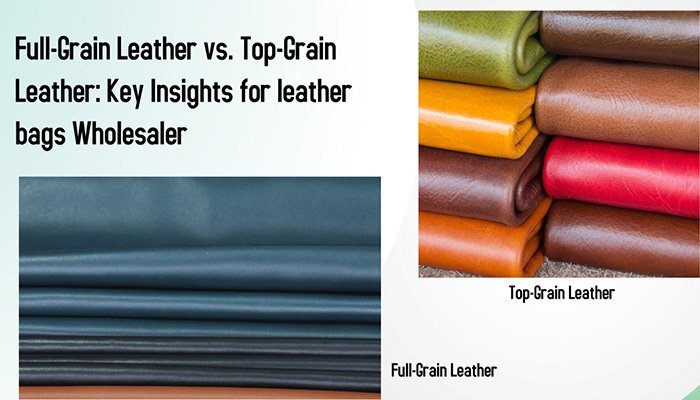
Material is usually the first item we check. Common black, brown, tan, and neutral materials may be available from local suppliers. A precise Pantone color, unusual grain, special coating, or exclusive thickness may require a new production batch.
| Material situation | MOQ impact | Buyer option |
| Common in-stock leather or fabric | Lower | Confirm the available color, grain, thickness, and batch consistency |
| Close substitute available | Moderate | Compare the substitute with the target swatch before sampling |
| Custom color finish or texture | Higher | Accept the supplier batch minimum or select an available alternative |

Leather Yield and Production Allowance
Genuine leather is not a perfect rectangular sheet. Hide shape, natural marks, thickness variation, and usable cutting area affect yield. The factory also needs an allowance for color matching, sample confirmation, cutting loss, replacement panels, and rework. Large structured panels normally require cleaner areas than small leather goods, so two products using the same leather can have different material requirements.
PU, microfiber, canvas, nylon, and recycled materials are supplied in rolls, but they still have roll widths, batch colors, and minimum roll quantities. A small finished order may therefore require the factory to purchase more raw material than the bags consume.
Custom Colors and Color Splits
Buyers often ask whether several colors can be combined to reach one MOQ. The answer depends on whether the colors share the same material base, thickness, hardware finish, lining, thread, edge paint, and production process.
For custom genuine leather bags, our standard MOQ is normally 100 pieces per style per color. For PU, microfiber, or some vegan materials, a 300-piece style may sometimes be divided into two colors if both colors are available and the rest of the construction remains the same. This must be confirmed before quotation; it should not be assumed from the total order quantity alone.
Why Custom Hardware Creates a Separate MOQ
Most bag factories do not cast every buckle, lock, puller, rivet, or logo plate in-house. These parts come from specialized suppliers. A custom component may require drawing approval, mold opening, die casting or stamping, polishing, electroplating, engraving, testing, and a defect allowance.
| Custom element | Why MOQ rises | Lower MOQ alternative |
| Logo zipper puller | Mold and plating setup | Standard puller plus an embossed leather logo |
| Metal logo plate | Tooling polishing and plating | Debossed or foil-stamped logo |
| Signature buckle or lock | New tooling and assembly checks | Existing hardware in the required finish |
| Special zipper or lining | Color or roll minimum | Available YKK zipper and stock lining color |
Custom hardware makes sense when it is essential to the product identity and the order or reorder plan can absorb the tooling and component quantity. For a market-test order, an embossed logo, foil stamp, woven label, hangtag, or branded dust bag can often deliver clear brand identity with less supply-chain pressure.

How Pattern Samples and Tooling Affect MOQ
A reference image is not yet a production specification. A custom bag may require paper patterns, material tests, reinforcement decisions, strap and pocket development, edge-paint trials, hardware placement checks, and one or more sample corrections. This development cost exists before bulk production begins.
An existing structure with a logo change is usually easier to support at a lower quantity. A new structured handbag with curved panels, custom reinforcement, a special frame, and several sample rounds requires more engineering and production setup. The factory may charge development and tooling separately, set a higher MOQ, or use both approaches.

A Sample Does Not Prove Mass Production Efficiency
One skilled sample maker can spend many hours producing a single piece. Bulk production must divide the work into repeatable cutting, preparation, stitching, edge finishing, hardware installation, lining, shaping, inspection, and packing steps. A factory may therefore accept one prototype but still require a higher bulk quantity. The issue is not whether one bag can be made; it is whether the result can be repeated consistently and efficiently.
How Production Complexity and Quality Control Affect MOQ
Some bags look simple in photographs but require demanding internal construction. A clean, structured tote may need reinforcement layers, precise panel alignment, hidden seams, multiple coats of edge paint, and careful shaping. A soft bag may require tests to make sure it drapes correctly without stretching at the handles.
Processes that often increase setup and inspection time include quilting, embroidery, mixed materials, thick leather folding, curved or asymmetric panels, metal-frame installation, high-shine hardware protection, hand stitching, and complex lining assembly.
Our normal quality flow includes incoming material inspection, cutting checks, logo-position checks, stitching and edge-paint inspection, hardware testing, shape and symmetry review, final cleaning, and packing inspection. More operations create more inspection points. When the order is very small, these fixed setup and QC hours produce a higher cost per unit.
How Custom Packaging Changes MOQ
Packaging is often reviewed too late. Standard protective packing can usually follow the bag order, while a custom dust bag, printed carton, rigid gift box, molded insert, or color sleeve may have a separate supplier minimum.
| Packaging option | Typical MOQ effect | Practical first-order choice |
| Standard protective bag and export carton | Low | Use factory standard packing |
| Logo sticker or standard hangtag | Low to moderate | Keep size and material standard |
| Printed dust bag | Moderate | Use one design across several products when suitable |
| Rigid gift box with insert | High | Use a stock-size box with a sleeve or sticker |
| Fully custom retail packaging | Higher | Confirm artwork, dieline, testing, and supplier MOQ early |
At BagsPlaza, fully customized packaging normally starts from 300 pieces per design, but special boxes and inserts may require more. If the packaging MOQ is higher than the bag quantity, the buyer can purchase and store the balance for repeat orders, use one package design across compatible SKUs, or begin with a simpler format.

How Factory Production Models Influence MOQ
Factory size alone does not determine flexibility. Some production-line factories prefer 300 to 500 pieces or more per style because their schedules and line setup depend on volume. A specialized factory may handle more varied OEM and ODM projects, but it still has to follow material and component minimums. A larger factory with a development line can sometimes be more flexible than a smaller factory with limited sourcing capacity.
The right supplier is therefore the one whose production model matches the buyer’s stage. A startup testing one SKU needs controlled customization and transparent trade-offs. A retailer with repeat forecasts needs capacity, compliance support, documented QC, and delivery planning. A premium brand developing signature hardware needs strong sampling and tooling management, even if the first production quantity is higher.
Three Practical MOQ Examples
Example One: A 50 Piece Genuine Leather Handbag
A buyer requests 50 fully customized leather bags in black with a new structure. Our standard starting MOQ for a custom genuine leather bag is 100 pieces per style per color, so 50 pieces would not fit the normal custom-production model. If the buyer mainly needs a trial order, we can instead check ready-made styles that allow a laser logo from 20 pieces per style. If the original structure is essential, the practical route is to develop a sample and plan 100 pieces.
Example Two: A 100 Piece Bag with Custom Logo Hardware
The bag construction and leather can support 100 pieces, but the logo lock supplier requires 200 components. The buyer can purchase all 200 locks and reserve the balance for a reorder, increase the bag order, or replace the lock with standard hardware and put the logo on a leather patch. The hardware requirement, not the sewing capacity, is creating the higher minimum.
Example Three: A 300 Piece Vegan Bag in Two Colors
A buyer wants 150 black and 150 tan microfiber bags with the same structure, lining, hardware finish, logo, and packaging. If both material colors are available and the supplier accepts the required quantities, a two-color split may be feasible within the 300-piece style quantity. If one color needs custom production or different components, each color may create its own minimum. Feasibility must be confirmed from the final specification.
How to Reduce MOQ Without Reducing Quality
- Use an available leather, PU, microfiber, or fabric color instead of requesting a custom material batch.
- Choose standard locks, buckles, and zipper pullers in a consistent finish, then place the logo on leather, lining, a label, or packaging.
- Keep the first order to one core structure and limit color variation.
- Use an existing pattern as a starting point when complete originality is not essential.
- Select standard packing for the first launch and upgrade to custom gift packaging after demand is proven.
- Pay separately for surplus material or components only when there is a credible reorder plan and storage terms are clear.
- Share a complete specification before requesting a final MOQ or price.
Reducing MOQ should not mean removing necessary reinforcement, lowering leather grade without disclosure, weakening stitching, or skipping inspection. The best reductions come from simplifying supply-chain variables rather than compromising construction.
What Buyers Should Send for an Accurate MOQ
- Reference images or design drawings and complete bag dimensions
- Preferred material, thickness, color reference, and acceptable alternative
- Hardware type, finish, and whether any component must be custom molded
- Logo artwork, size, position, and preferred branding method
- Lining, pocket layout, strap length, reinforcement, and closure requirements
- Packaging format and any retail labeling or barcode requirements
- Target quantity by style and color, target market, and expected reorder plan
- Destination country and preferred shipping term such as FOB, CIF, or DDP
A quotation based only on a photograph is preliminary. Dimensions, material use, construction, and supplier minimums can change both MOQ and price after the sample or technical review.
Questions to Ask a China Bag Manufacturer
- What MOQ applies if we use an in-stock material instead of a custom color
- Is the MOQ calculated per style, per color, or across the total order
- Can colors be split if the construction and components remain identical
- Does any hardware, zipper, lining, label, or packaging supplier have a separate MOQ
- Can surplus custom components be reserved for a repeat order, and under what terms
- Which design changes would reduce MOQ without affecting durability
- What quantity produces a meaningful unit-price improvement
- What sample fee, tooling cost, sample lead time, and bulk lead time should we expect
Frequently Asked Questions
What Is a Normal MOQ for Custom Leather Bags in China
There is no single industry-wide number. Depending on the factory and specification, a project may start from a small ready-made private-label order or require several hundred units. At BagsPlaza, ready-made styles with laser logos can start from 20 pieces per style, while custom genuine leather bags normally start from 100 pieces per style per color. Custom PU, microfiber, vegan bags, and wallets normally start from 300 pieces.
Can Different Styles Be Combined to Reach MOQ
Usually not for fully customized production because each style requires different patterns, cutting, material consumption, setup, and QC. Ready-made wholesale styles may offer more flexibility. Color splitting can sometimes be discussed within one style, but it depends on material and component availability.
Why Is the Unit Price Higher at Low MOQ
Pattern work, supplier coordination, line setup, testing, and QC are divided across fewer units. Material and component suppliers may also offer less favorable pricing at small quantities. A low MOQ can reduce inventory risk, but it does not automatically produce the lowest total cost per bag.
Does Genuine Leather Always Require a Higher MOQ
Not always. In-stock leather can support a manageable quantity, while a custom color or finish may require a larger tannery or leather-supplier batch. Natural hide yield and the size of clean panels also matter. The exact bag design must be reviewed with the selected leather.
Is Paying for Tooling Enough to Reduce MOQ
Sometimes tooling can be separated from the unit price, but it does not remove every minimum. The metal supplier may still require a production batch, and the bag factory still needs an efficient production quantity. Tooling ownership, storage, maintenance, and future use should be confirmed in writing.
Conclusion
MOQ for custom leather bags in China is a supply-chain and production calculation, not an arbitrary number. The final quantity is usually controlled by the highest minimum created by the factory, material, hardware, packaging, or process. Buyers can often reduce the starting quantity by using available materials, standard components, controlled color options, and simpler packaging while protecting the parts of the design that matter most.
To receive a realistic assessment, send us your reference images, dimensions, preferred material, logo method, target quantity by color, packaging requirements, and destination country. We will identify which element is setting the MOQ and suggest practical alternatives where possible.